
Annual archive
Scientific Discoveries in 2026
A year-level index of 29 source-backed scientific discoveries from 2026. Use the monthly archives to follow the sequence of announcements, or open an entry for its location, method, and primary source.
 Illustration🌋 Earth Science
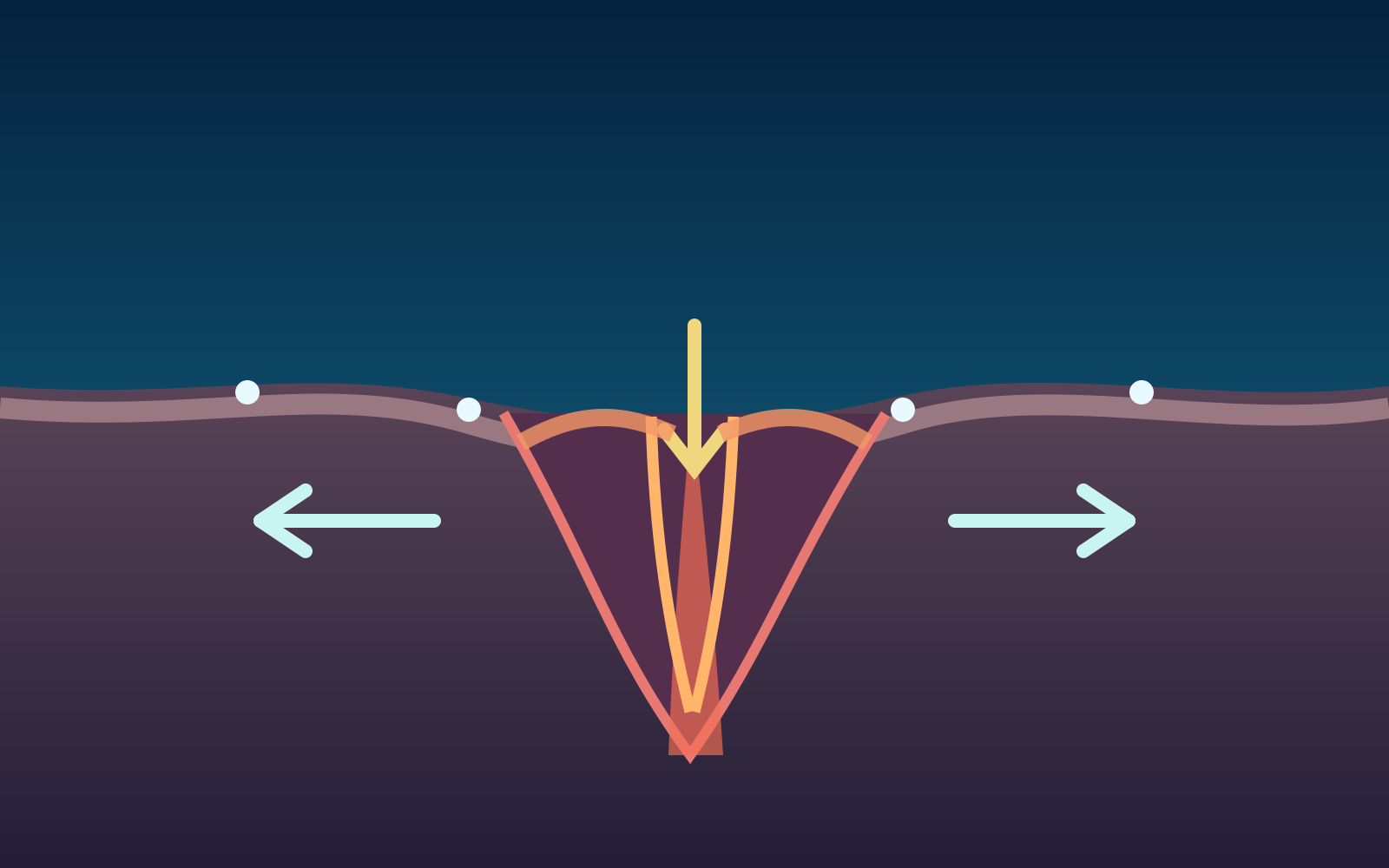
Seafloor Spreading Captured at the Southeast Indian Ridge
An autonomous seismogeodetic observatory captured a 2024 rifting event at the Southeast Indian Ridge, directly measuring seismicity, metre-scale deformation, and fresh lava emplacement at a mid-ocean ridge.
Read more →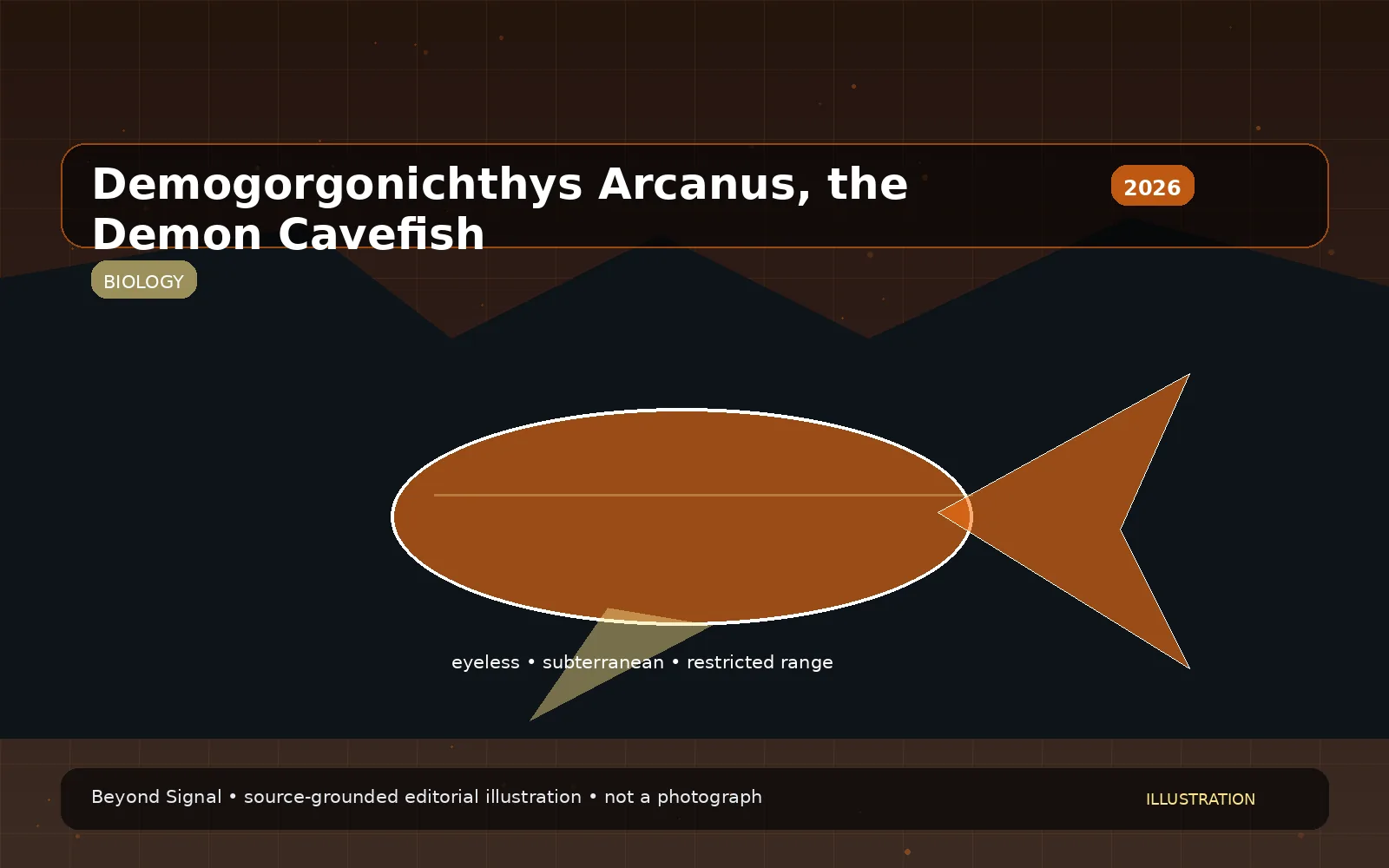 Illustration🧬 Biology
Demogorgonichthys Arcanus, the Demon Cavefish
Researchers described Demogorgonichthys arcanus, a new cavefish from the Redstone Arsenal karst near Huntsville. The pale subterranean predator differs from the Southern cavefish in head shape and fin-ray anatomy, and its coexistence with another predatory cavefish makes the small groundwater habitat ecologically unusual.
Read more → Illustration⚛️ Physics
Magnetic Fields Boost Superconductivity in Rhombohedral Graphene
Transport experiments in rhombohedral four- and five-layer graphene revealed superconducting states that persist, strengthen, or emerge in magnetic fields that would ordinarily suppress conventional superconductivity.
Read more → Representative🪸 Ocean Discoveries
31 New Species Found in Brazil's Ocean Midwater
A two-week expedition off Brazil rapidly identified 31 likely new species, including jellyfish, comb jellies, siphonophores, worms, amphipods, larvaceans, and giant single-celled organisms.
Read more →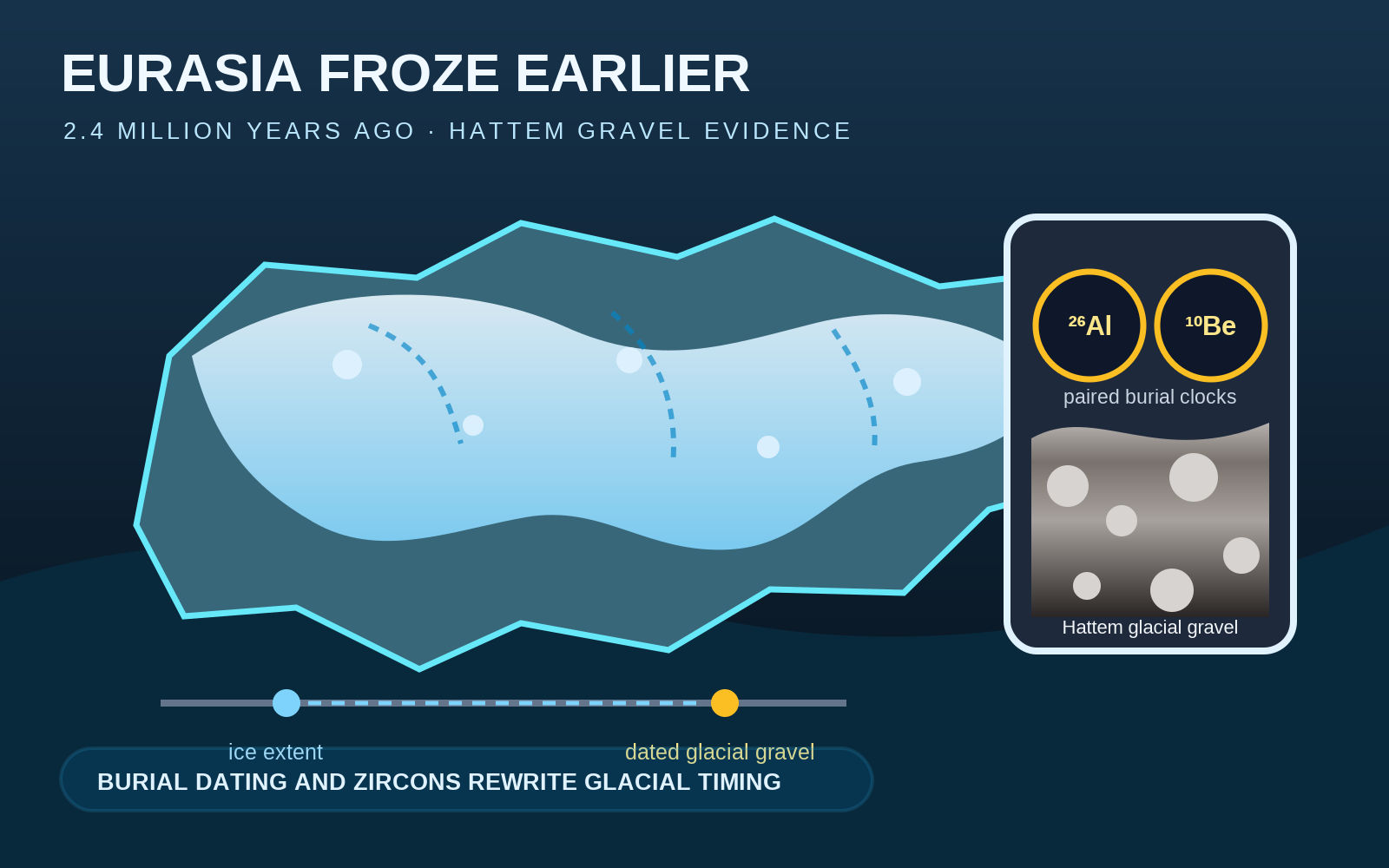 Illustration🌋 Earth Science
A Continental-Scale Eurasian Ice Sheet 2.4 Million Years Ago
Burial dating and zircon provenance showed that Fennoscandian glacial gravels reached the Netherlands about 2.41 million years ago, documenting continental-scale Eurasian ice more than a million years earlier than the classic mid-Pleistocene expansion.
Read more → Representative🪸 Ocean Discoveries
Dudgeon's Walking Shark
A newly described walking shark from shallow Papua New Guinea reefs, identified by its distinctive spotted pattern and confirmed as a separate species through DNA comparisons.
Read more → 🌋 Earth Science
A New Timeline for the Giant's Causeway Eruptions
High-precision dating compressed the region's volcanic history into about 5.5 million years and tied the Causeway to a North Atlantic event recorded from Scotland to Greenland.
Read more → Illustration🦕 Dinosaurs & Fossils
A Deep-Sea Whale Necropolis in the Diamantina Zone
Dives in the Diamantina Zone recorded five modern whale-fall communities and 476 fossil cetacean sites over 1,200 kilometres of seafloor, documenting a whale-fall archive that extends back at least 5.3 million years.
Read more →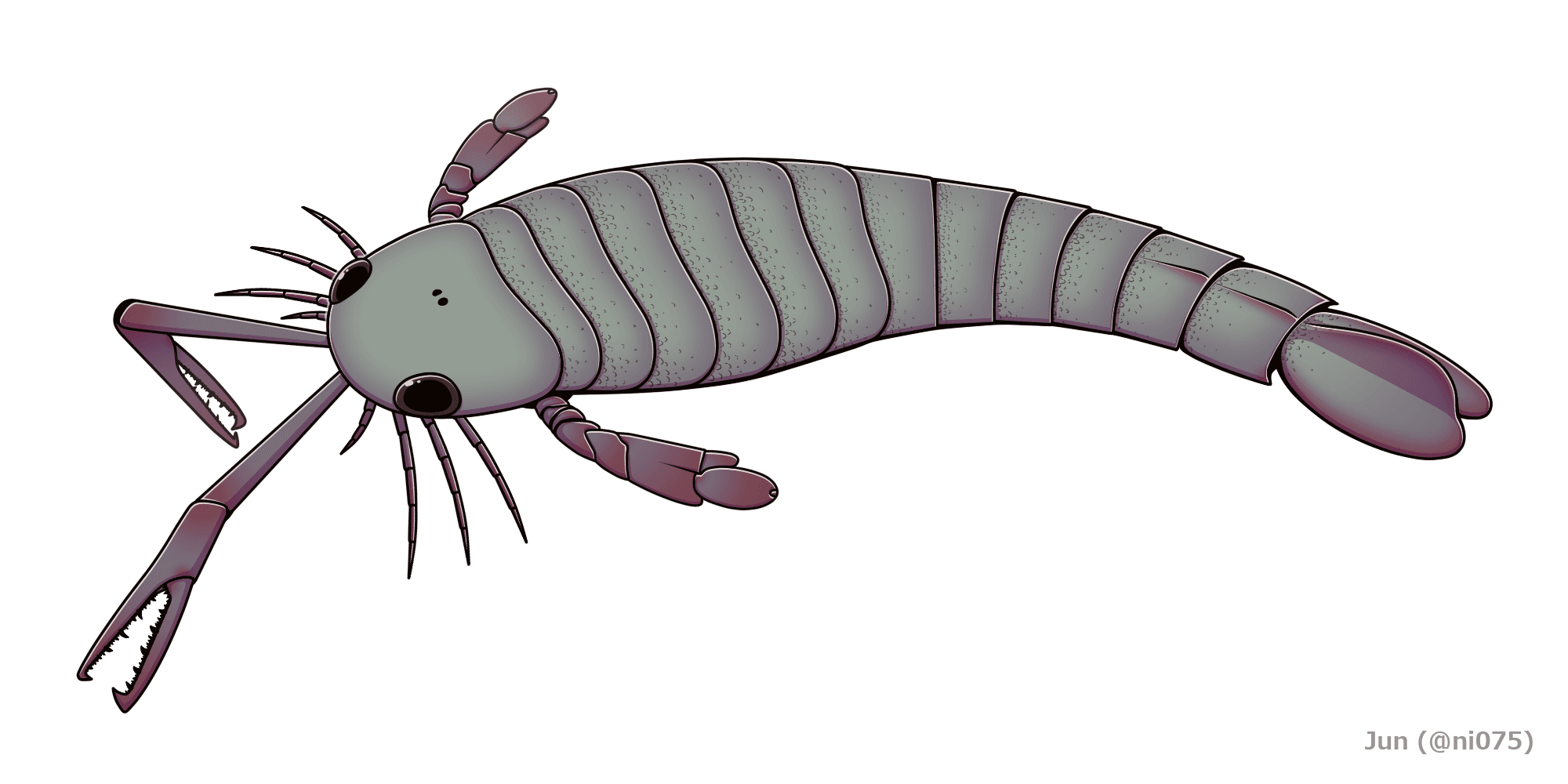 🦕 Dinosaurs & Fossils
The Metre-Long Scorpion Praearcturus
Modern reanalysis supports identifying fragmentary British fossils as a roughly one-metre scorpion, potentially the largest scorpion yet recognized.
Read more → Representative🪸 Ocean Discoveries
A Tiny Blue Octopus from the Galápagos Deep
A golf-ball-sized, deep-blue octopus from nearly 1,800 m below the Galápagos was formally described as a new species after non-destructive CT scans revealed its unusual anatomy.
Read more →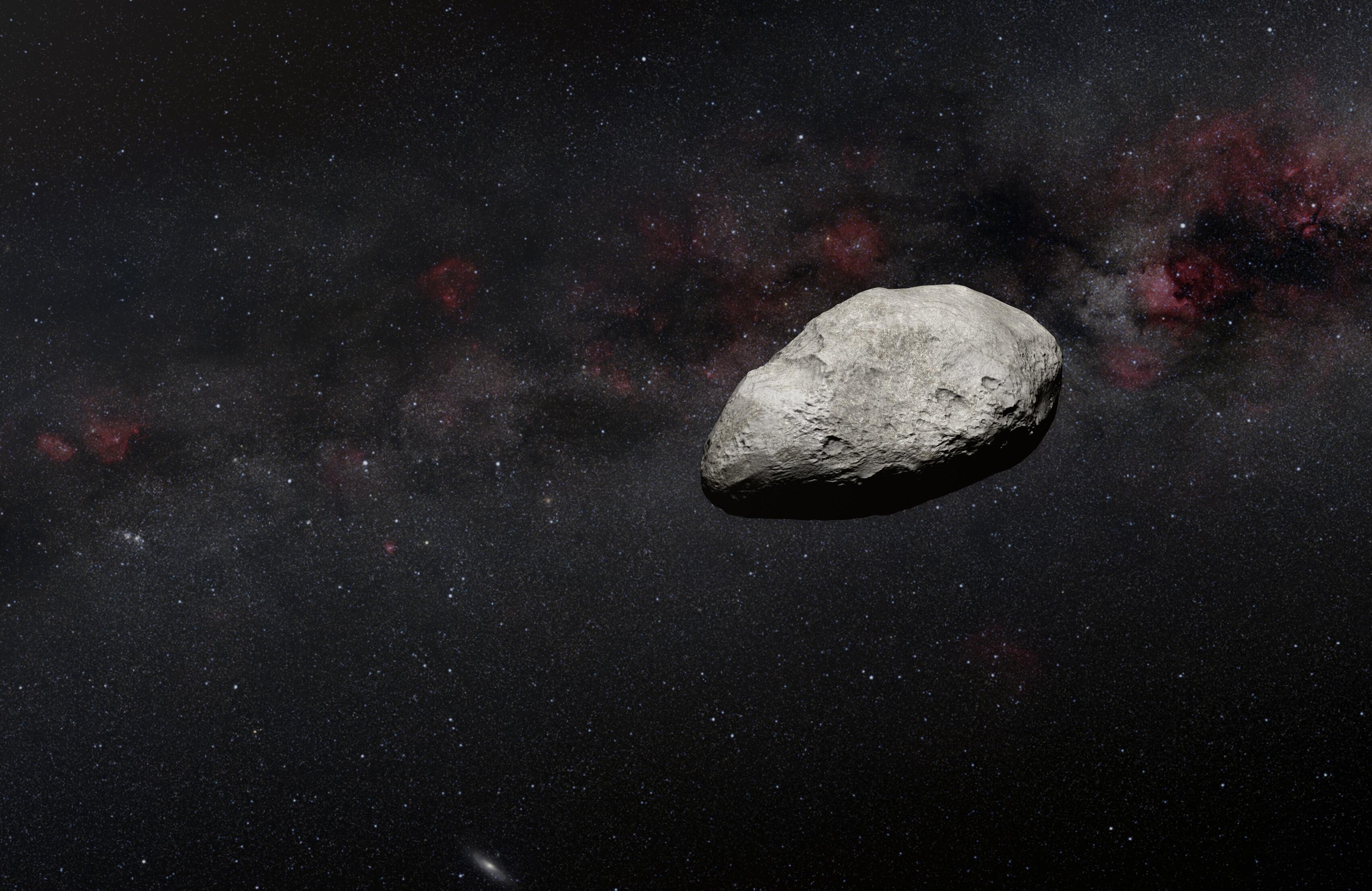 🌌 Space
JWST Rules Out a 2032 Lunar Impact
Faint James Webb Space Telescope observations extended asteroid 2024 YR4’s measured orbit and ruled out its previously possible collision with the Moon in December 2032.
Read more → 🪸 Ocean Discoveries
The Deep-Sea ‘Golden Orb’ Identified
A mysterious golden mass collected from the Gulf of Alaska seafloor was identified as tissue shed from the attachment base of the giant deep-sea anemone Relicanthus daphneae.
Read more →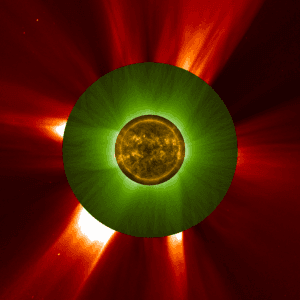 🌌 Space
Proba-3 Reveals a Faster Slow Solar Wind
Artificial-eclipse observations showed small slow-solar-wind outflows racing through the inner corona three to four times faster than expected.
Read more →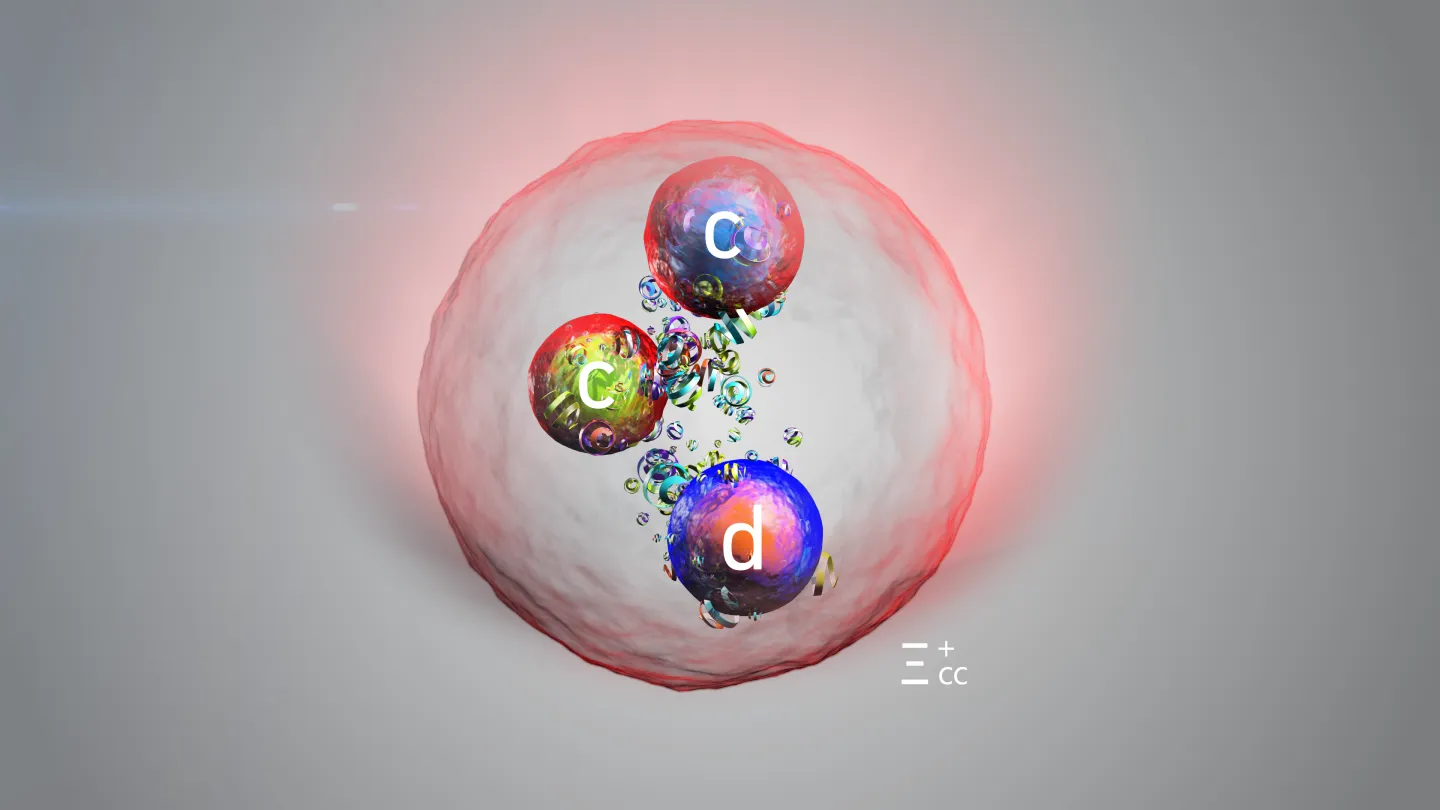 Illustration⚛️ Physics
The Doubly Charmed Baryon Ξcc+
LHCb observed a proton-like particle containing two charm quarks and one down quark with discovery-level significance, resolving a long-running experimental puzzle.
Read more → 🌌 Space
GJ 887 d, a Nearby Habitable-Zone Super-Earth
A 50.77-day super-Earth confirmed in the habitable zone of GJ 887, only about 10.7 light-years away and second only to Proxima b in proximity among known temperate planets.
Read more →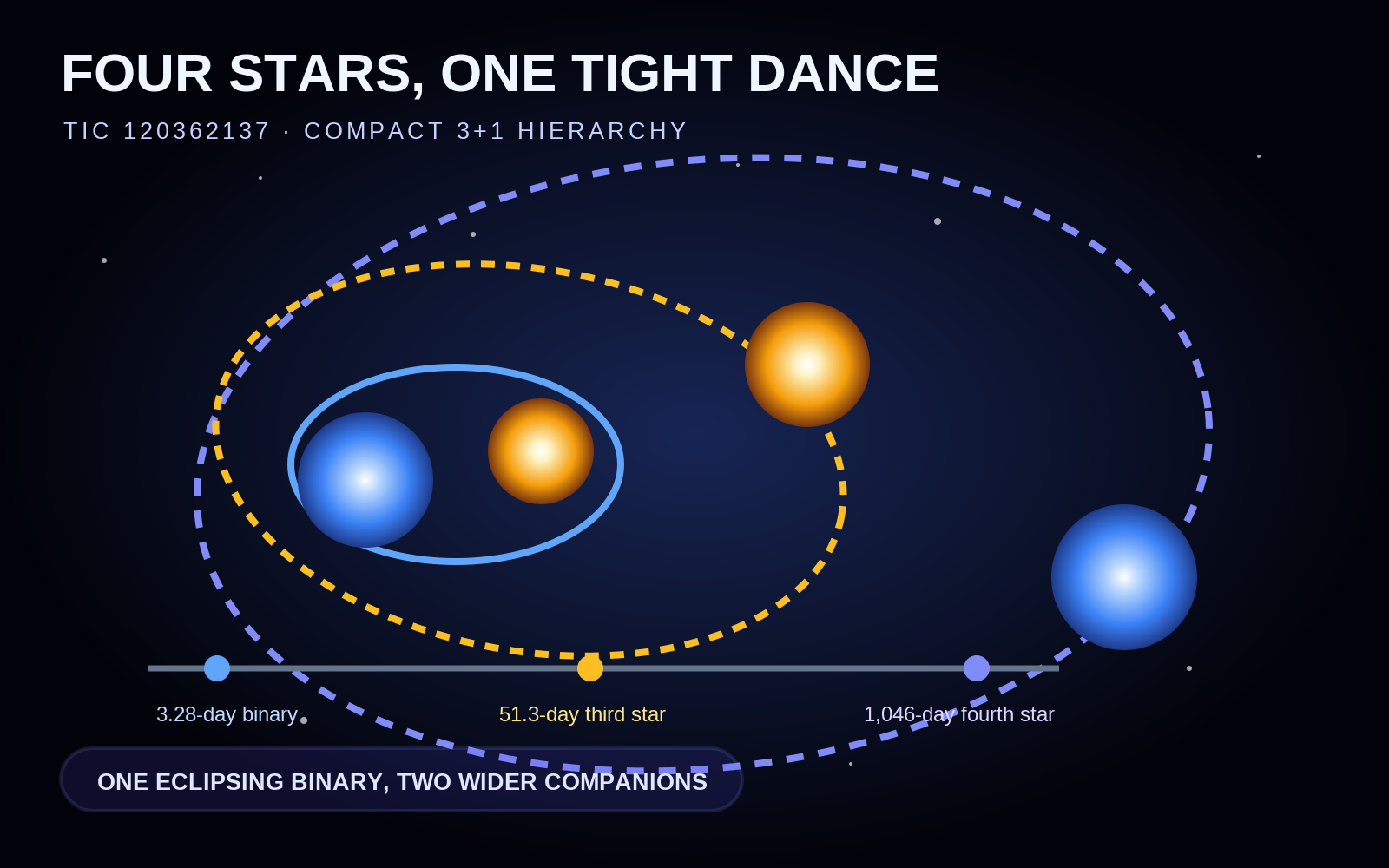 Illustration🌌 Space
The Most Compact Known 3+1 Quadruple Star System
TESS eclipse timing, ground photometry, and spectra revealed TIC 120362137 as the tightest known hierarchical 3+1 quadruple: three stars fit inside a region comparable to Mercury's orbit while a fourth circles outside them.
Read more →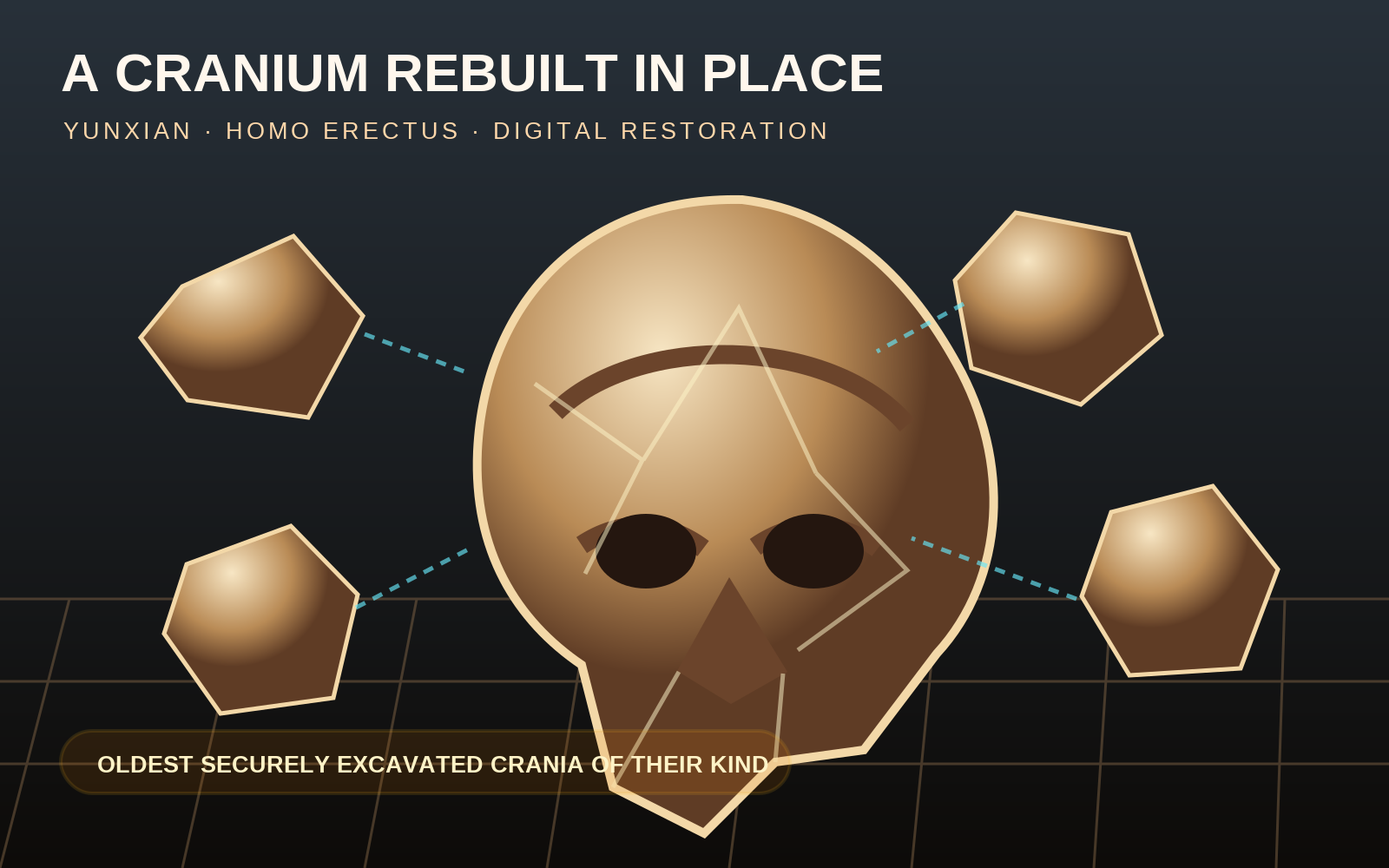 Illustration🏺 Archaeology
Yunxian's 1.77-Million-Year-Old Homo Erectus Crania
Cosmogenic-nuclide burial dating placed the fossil-bearing Yunxian sediments at 1.77 ± 0.08 million years old, making the three crania the oldest Homo erectus fossils securely recovered in place in eastern Asia.
Read more →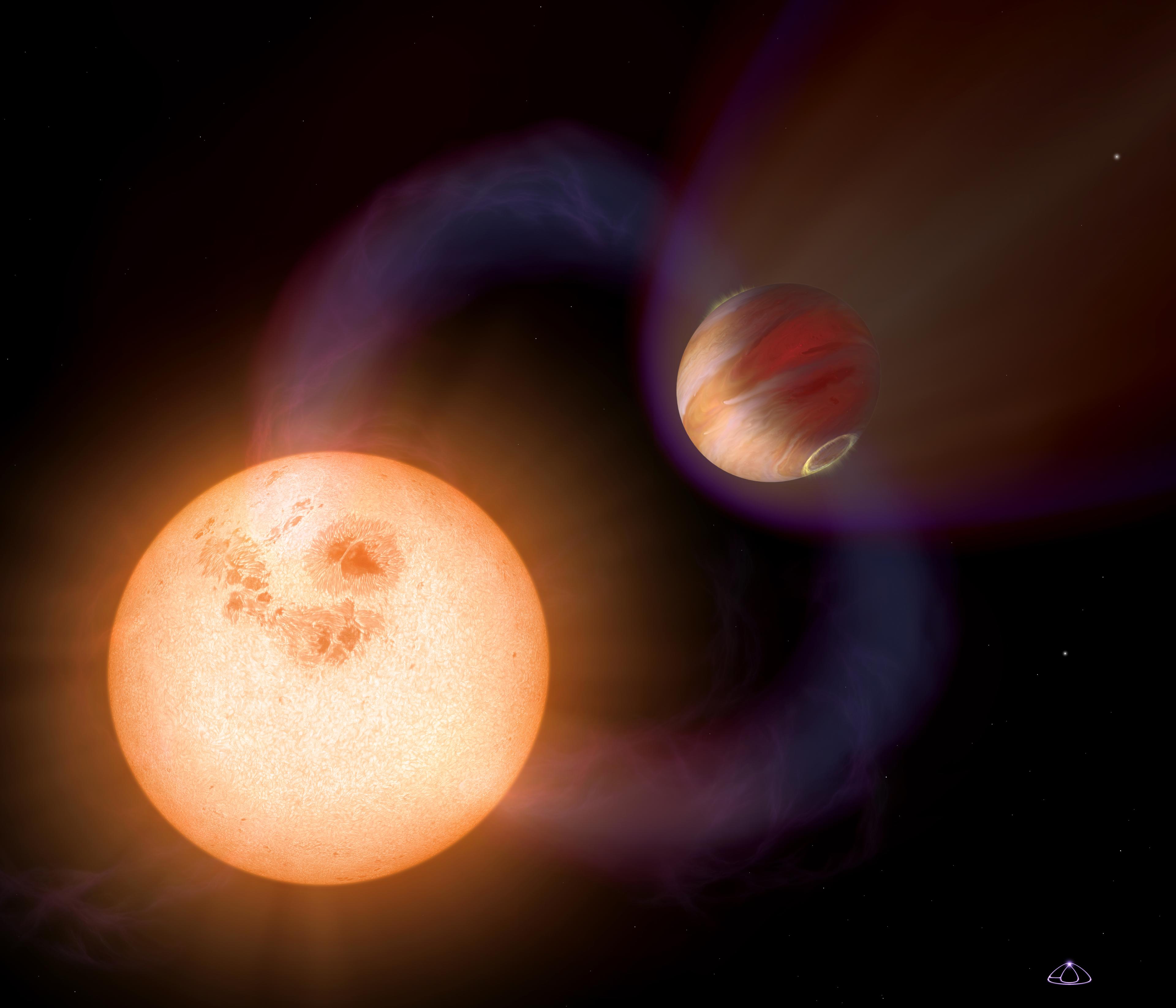 🌌 Space
The Inside-Out LHS 1903 Planetary System
Four close-orbiting planets arranged rocky–gaseous–gaseous–rocky, an unexpected architecture that supports sequential, gas-depleted planet formation.
Read more →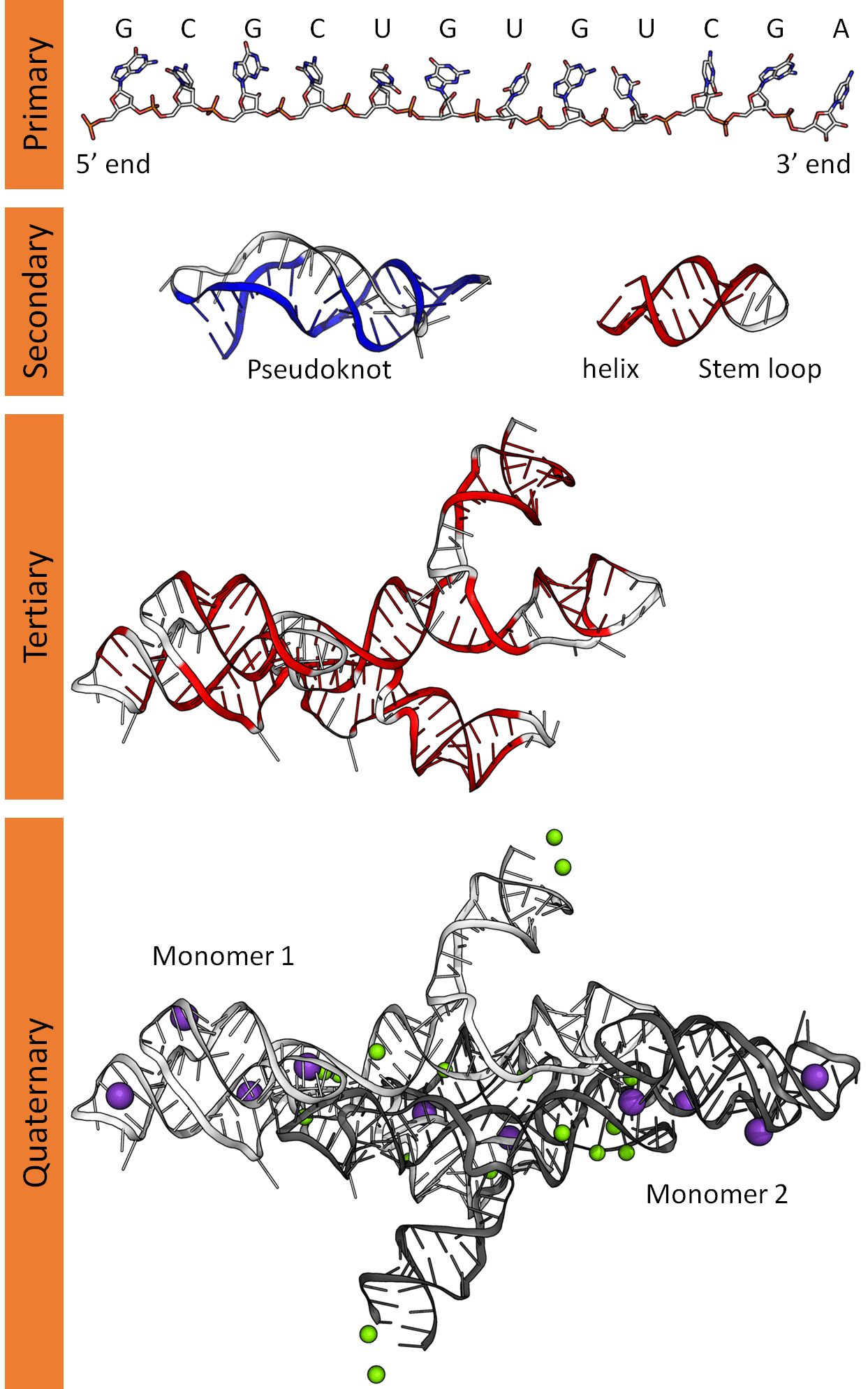 🧬 Biology
A Tiny RNA Enzyme That Can Copy Itself
A compact 45-nucleotide catalytic RNA synthesized both its complementary strand and a copy of itself, strengthening a central prediction of the RNA-world hypothesis.
Read more → Illustration🤖 Technology
AlphaGenome Predicts How DNA Variants Alter Gene Regulation
AlphaGenome was published as a sequence model that analyses up to one million DNA letters and predicts thousands of regulatory readouts, including gene expression, chromatin state, and RNA splicing.
Read more →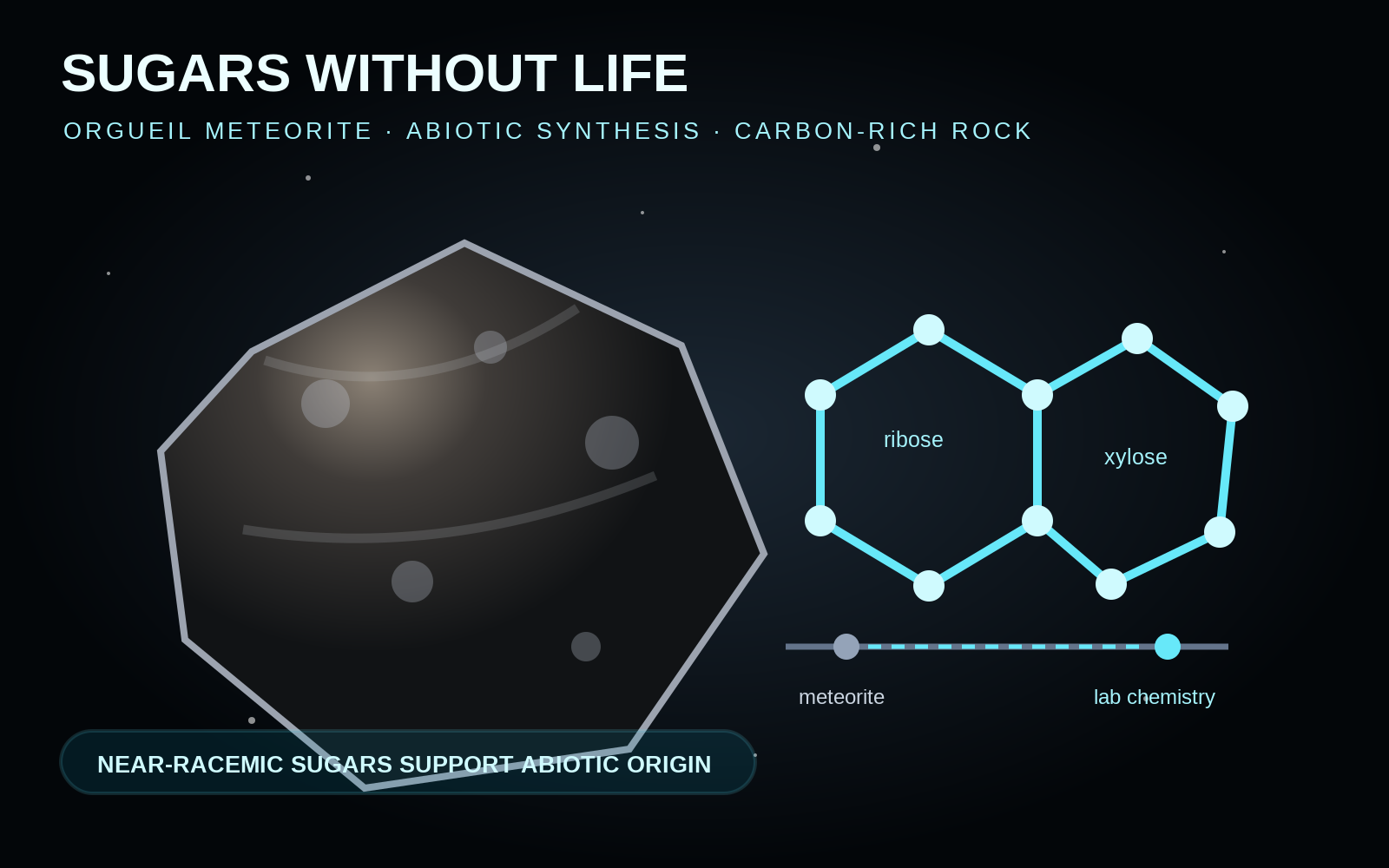 Illustration🌌 Space
Abiotic Sugars in the Orgueil Meteorite
Chiral analysis of an Orgueil meteorite sample detected ribose, arabinose, xylose, lyxose, and ribulose, with several near-racemic mixtures supporting abiotic extraterrestrial formation rather than ordinary biological contamination.
Read more →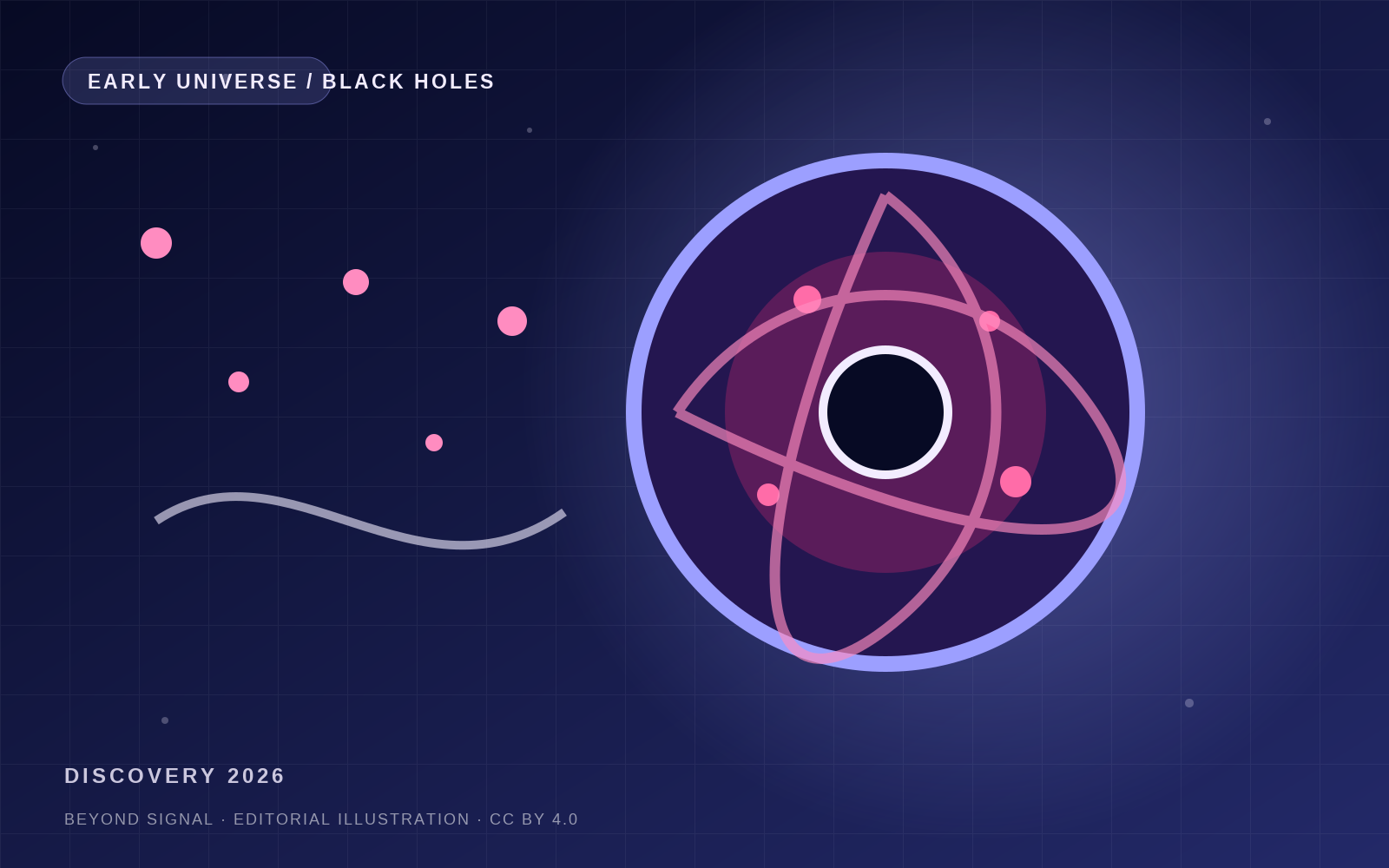 Illustration🌌 Space
Dense Gas Cocoons Explain Many Little Red Dots
Radiative-transfer modelling showed that the puzzling spectra of many JWST 'little red dots' can be reproduced by relatively young supermassive black holes embedded in compact, dense cocoons of ionized gas.
Read more →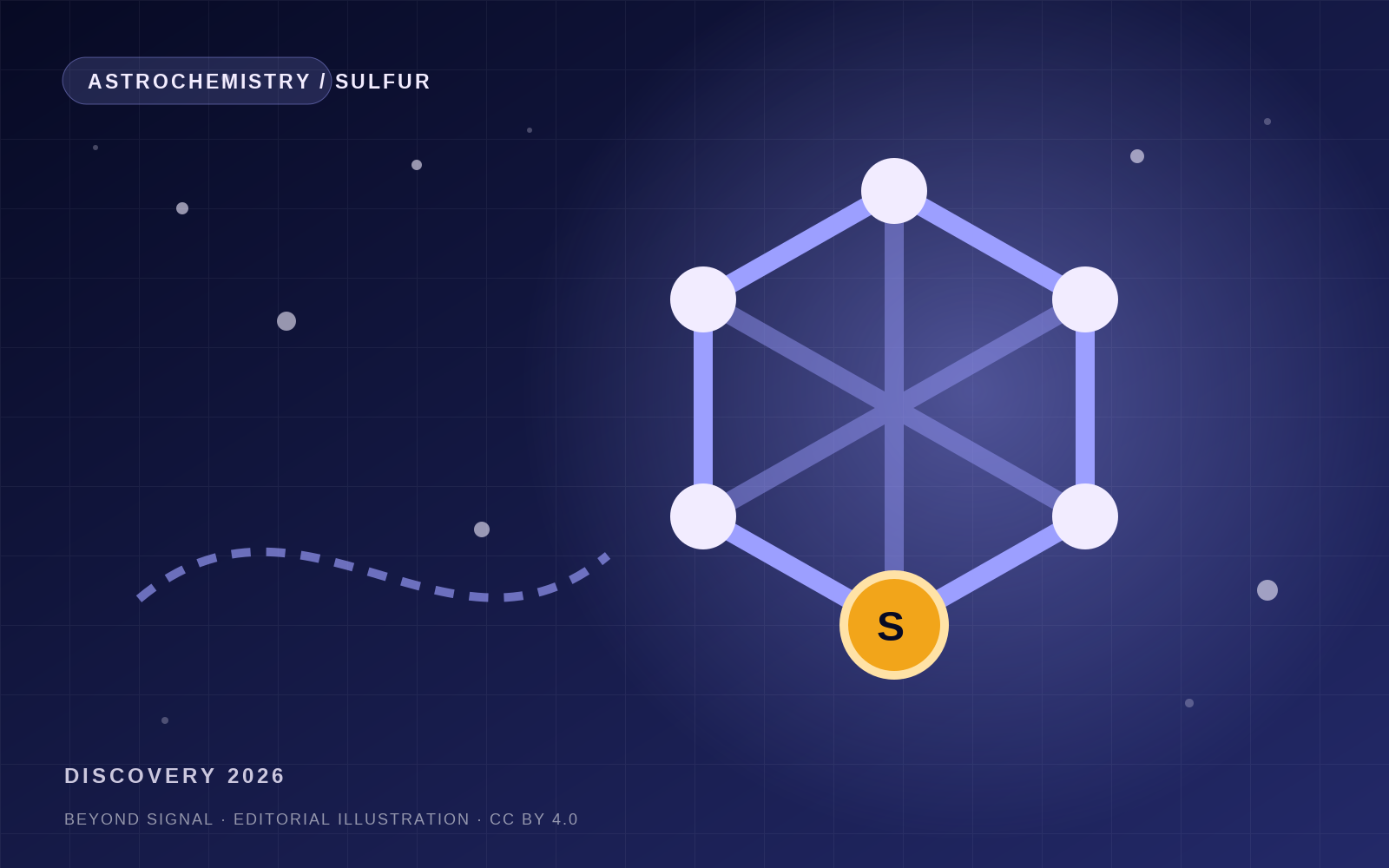 Illustration🌌 Space
The Largest Interstellar Sulfur-Bearing Molecule Yet
Radio spectra revealed 2,5-cyclohexadiene-1-thione in a Galactic-centre molecular cloud, the largest sulfur-bearing molecule yet identified in interstellar space.
Read more →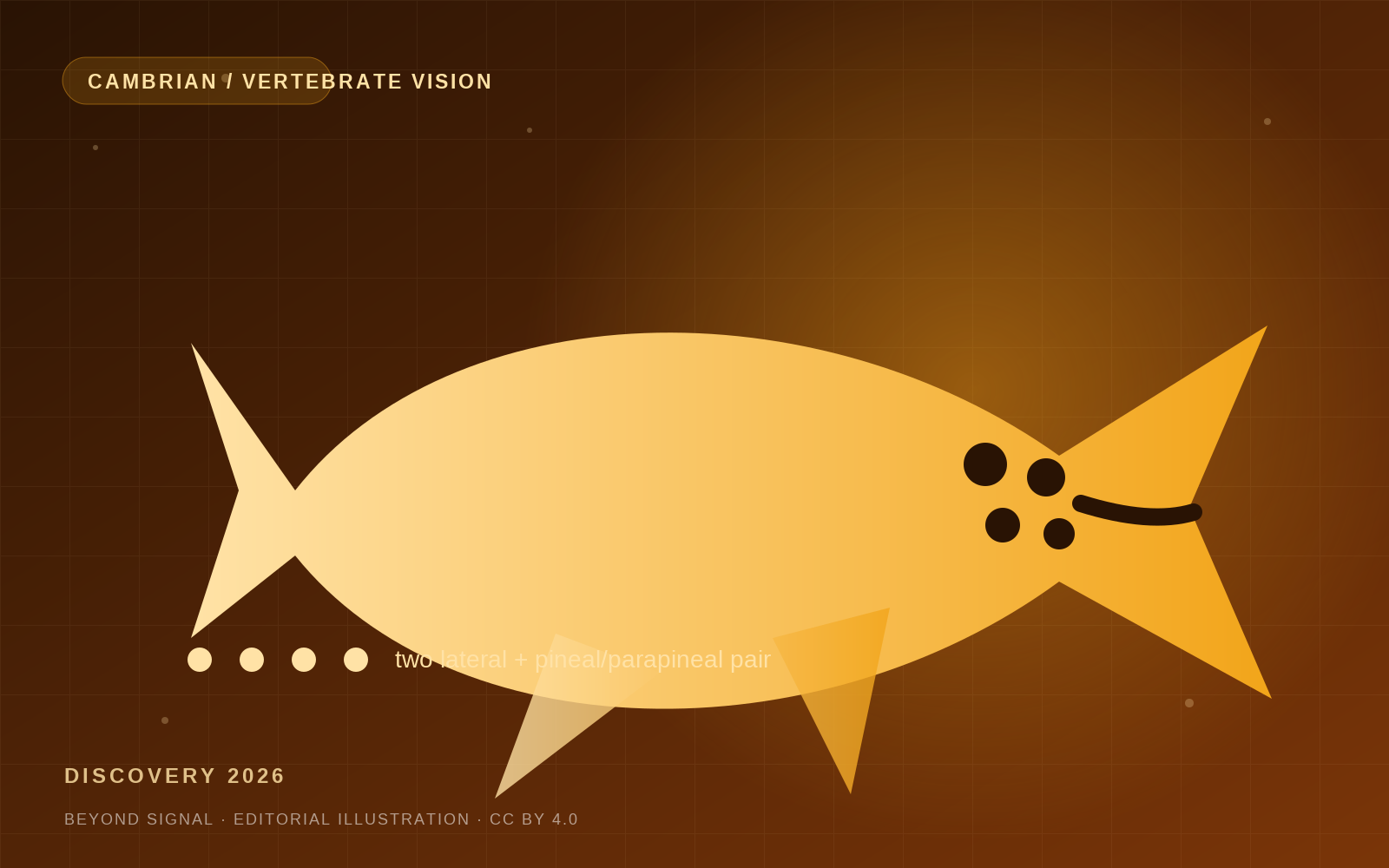 Illustration🦕 Dinosaurs & Fossils
Cambrian Vertebrates Had Four Camera-Type Eyes
Reanalysis of exceptionally preserved Cambrian fish fossils interpreted two structures once called nasal sacs as an additional pair of image-forming eyes.
Read more →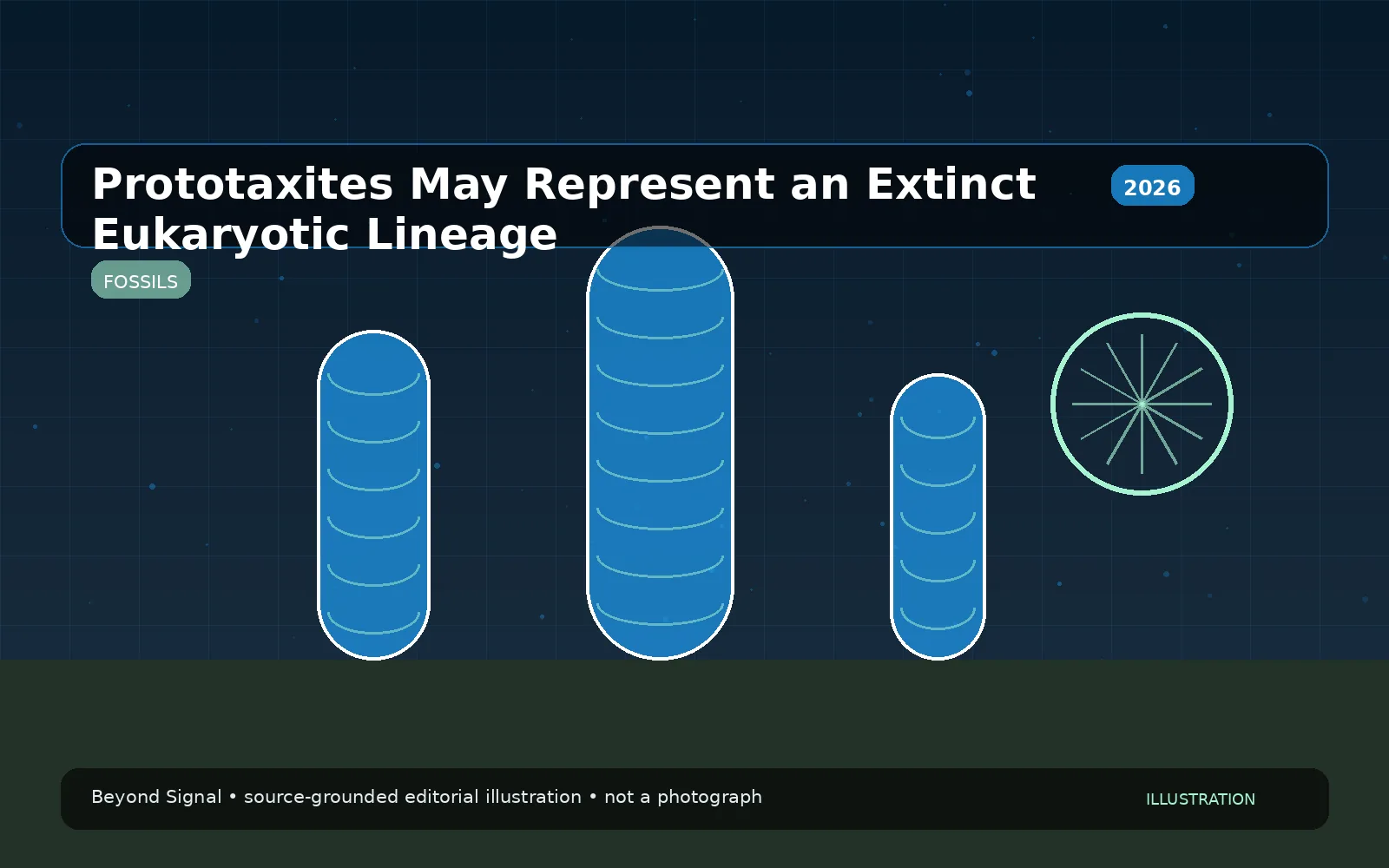 Illustration🦕 Dinosaurs & Fossils
Prototaxites May Represent an Extinct Eukaryotic Lineage
Chemical and structural analyses of the giant Devonian organism Prototaxites found that its tissues do not match known fungi and may represent an entirely extinct branch of complex eukaryotic life. The interpretation revives a long-running debate over the identity of trunk-like fossils that towered over early land ecosystems.
Read more → 🌌 Space
C/2026 A1 (MAPS), an Early-Spotted Sungrazer
A Kreutz sungrazer detected unusually far from the Sun, giving astronomers a rare multi-month warning before its extremely close solar pass.
Read more →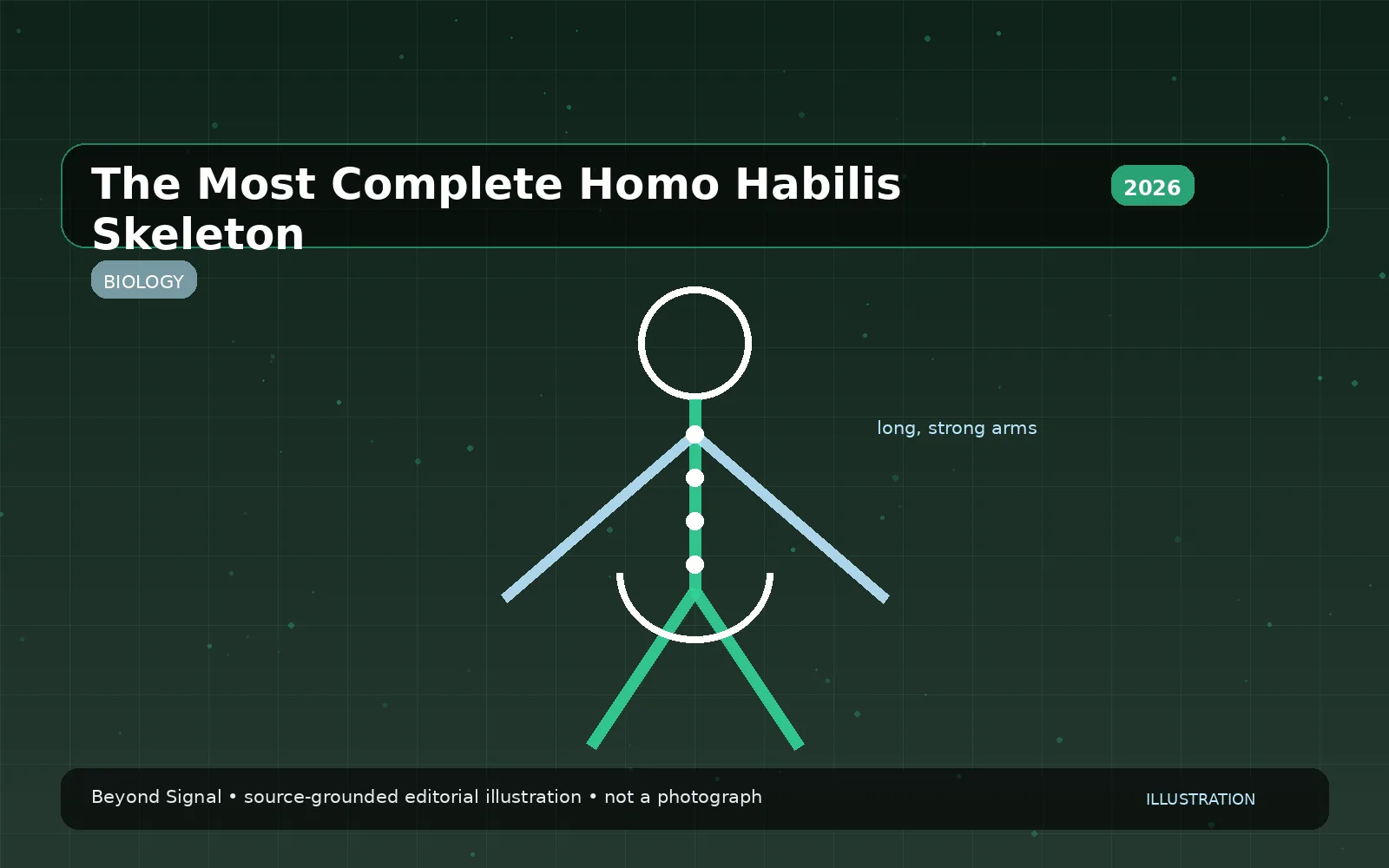 Illustration🧬 Biology
The Most Complete Homo Habilis Skeleton
KNM-ER 64061, a partial skeleton dated to about 2.02–2.06 million years ago, was described as the most complete Homo habilis skeleton yet recognized. Its associated teeth, shoulder, arm, spine, pelvis, and leg fragments reveal a small-bodied early human with long, powerful arms and a mosaic of primitive and derived traits.
Read more → Illustration🏺 Archaeology
773,000-Year-Old Hominins from Casablanca
Fossils from Thomas Quarry I in Casablanca were tightly dated to about 773,000 years ago and show a mix of traits that the authors place near the root of the Homo sapiens lineage.
Read more →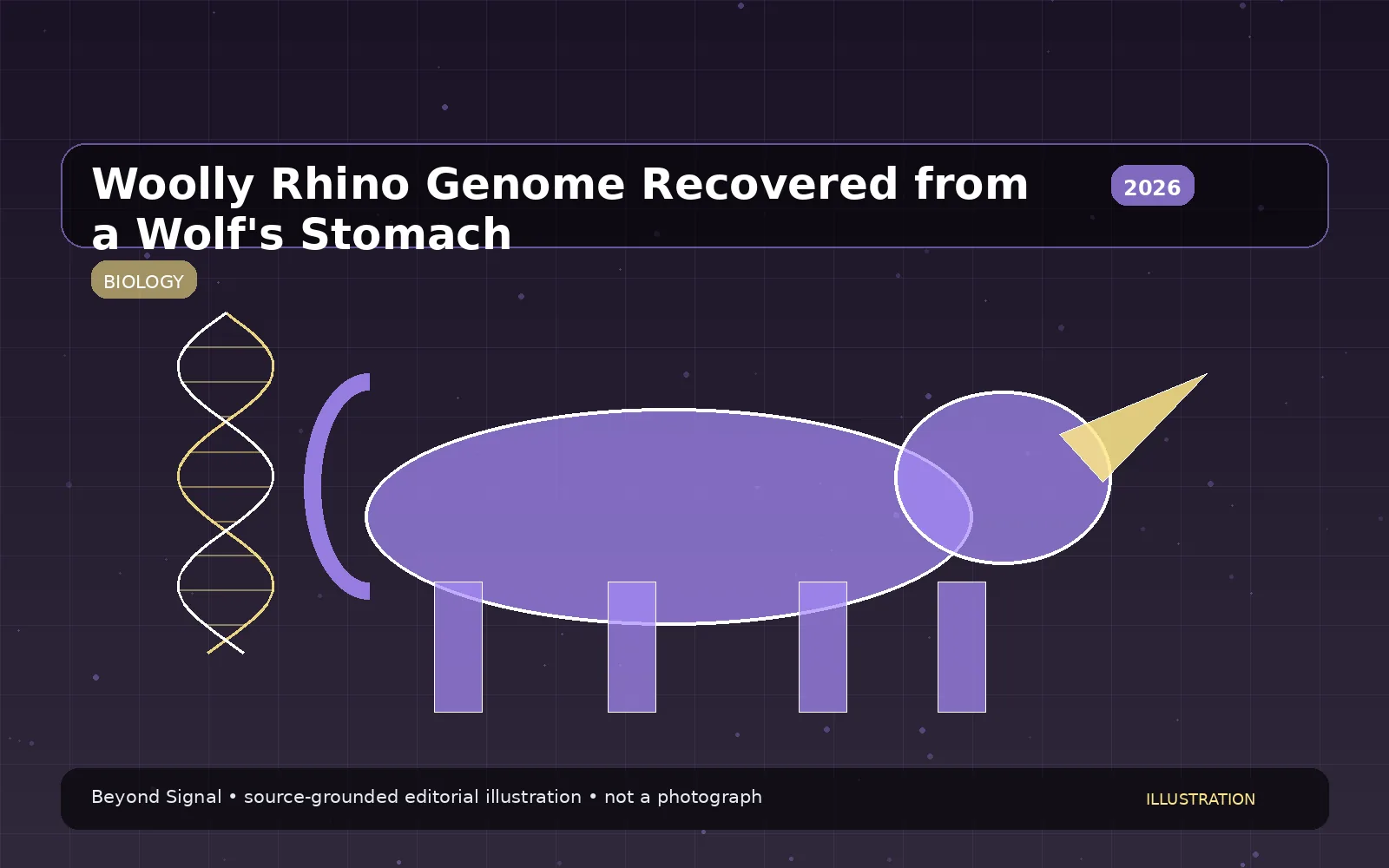 Illustration🧬 Biology
Woolly Rhino Genome Recovered from a Wolf's Stomach
Scientists reconstructed a high-quality woolly rhinoceros genome from undigested meat preserved in the stomach of a roughly 14,400-year-old wolf pup. Comparisons with older rhino genomes found no prolonged loss of diversity or rising inbreeding before extinction, supporting a comparatively rapid population collapse.
Read more →