
Monthly archive
Scientific Discoveries in January 2026
Browse 10 discoveries catalogued in January 2026, with the source, location, and scientific significance of each entry.
Discoveries from January 2026
 Illustration🤖 Technology
AlphaGenome Predicts How DNA Variants Alter Gene Regulation
AlphaGenome was published as a sequence model that analyses up to one million DNA letters and predicts thousands of regulatory readouts, including gene expression, chromatin state, and RNA splicing.
Read more →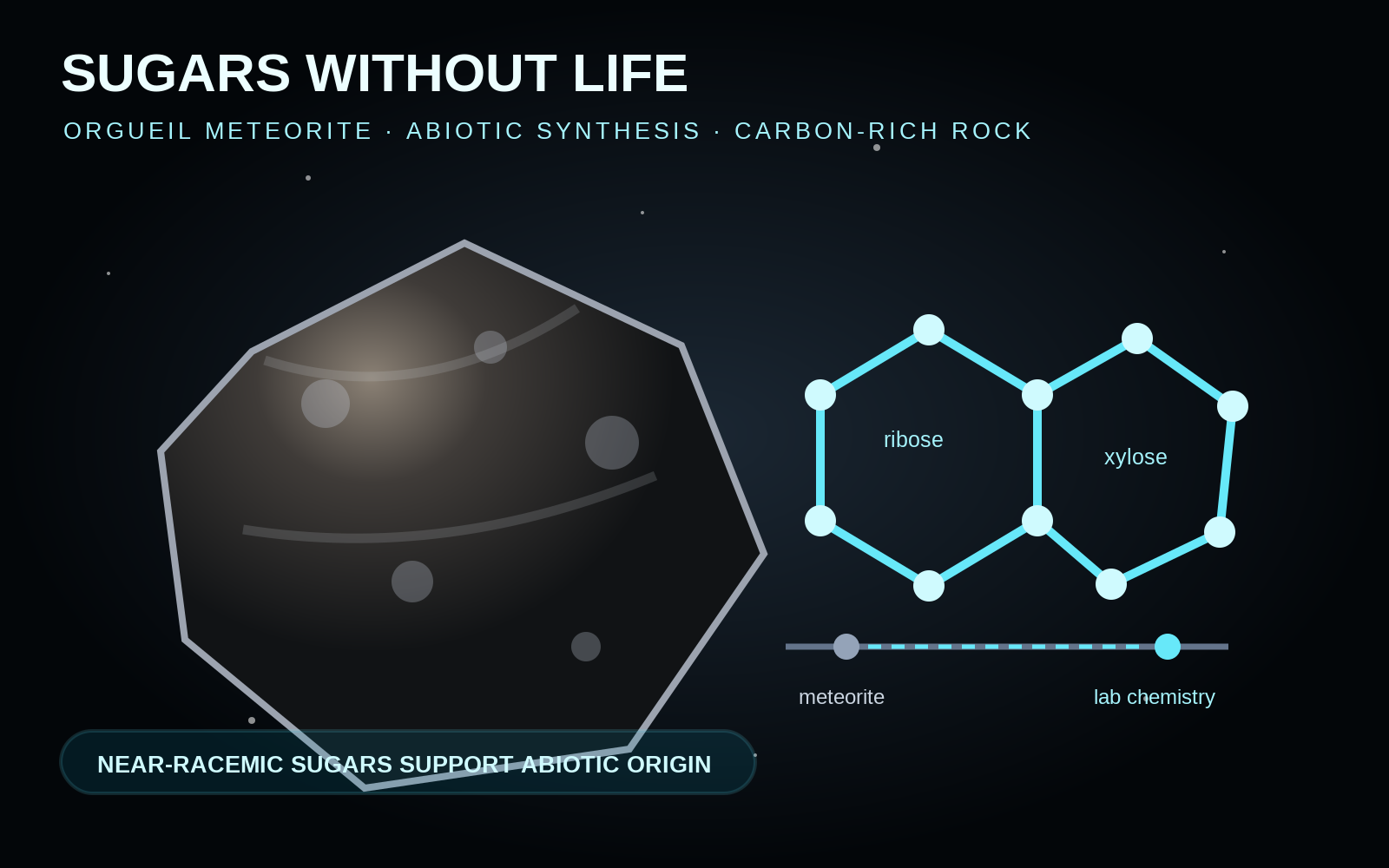 Illustration🌌 Space
Abiotic Sugars in the Orgueil Meteorite
Chiral analysis of an Orgueil meteorite sample detected ribose, arabinose, xylose, lyxose, and ribulose, with several near-racemic mixtures supporting abiotic extraterrestrial formation rather than ordinary biological contamination.
Read more →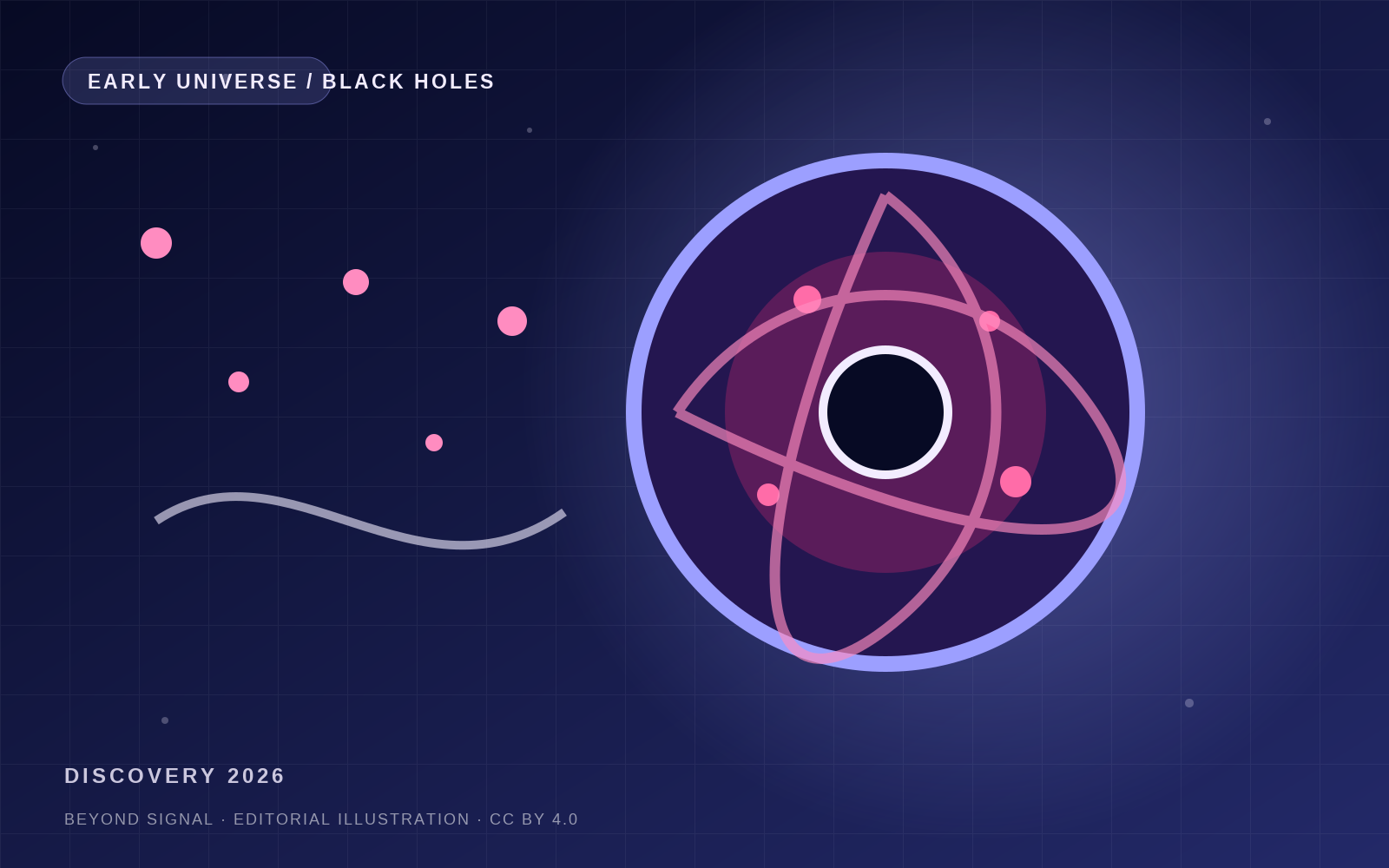 Illustration🌌 Space
Dense Gas Cocoons Explain Many Little Red Dots
Radiative-transfer modelling showed that the puzzling spectra of many JWST 'little red dots' can be reproduced by relatively young supermassive black holes embedded in compact, dense cocoons of ionized gas.
Read more →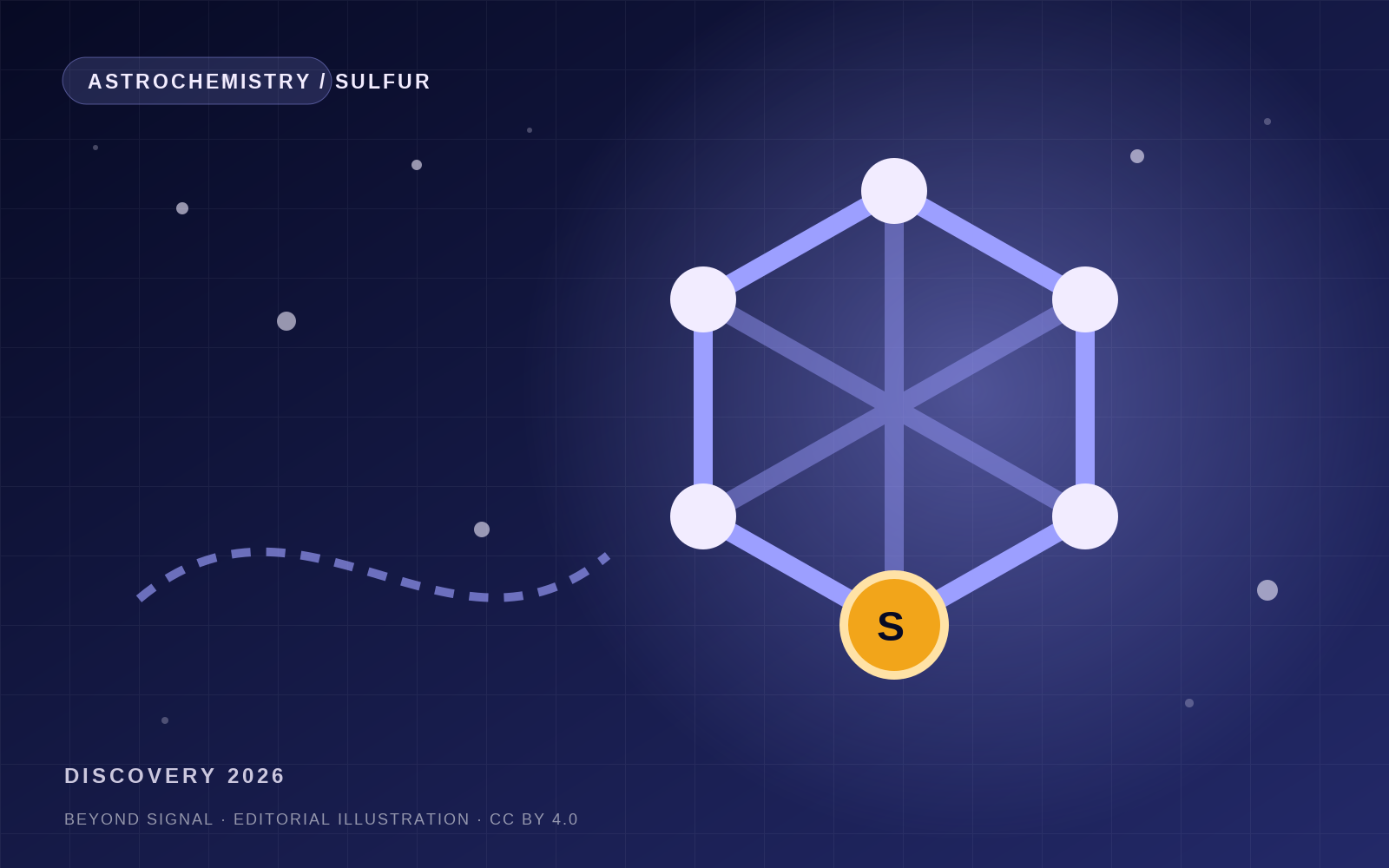 Illustration🌌 Space
The Largest Interstellar Sulfur-Bearing Molecule Yet
Radio spectra revealed 2,5-cyclohexadiene-1-thione in a Galactic-centre molecular cloud, the largest sulfur-bearing molecule yet identified in interstellar space.
Read more →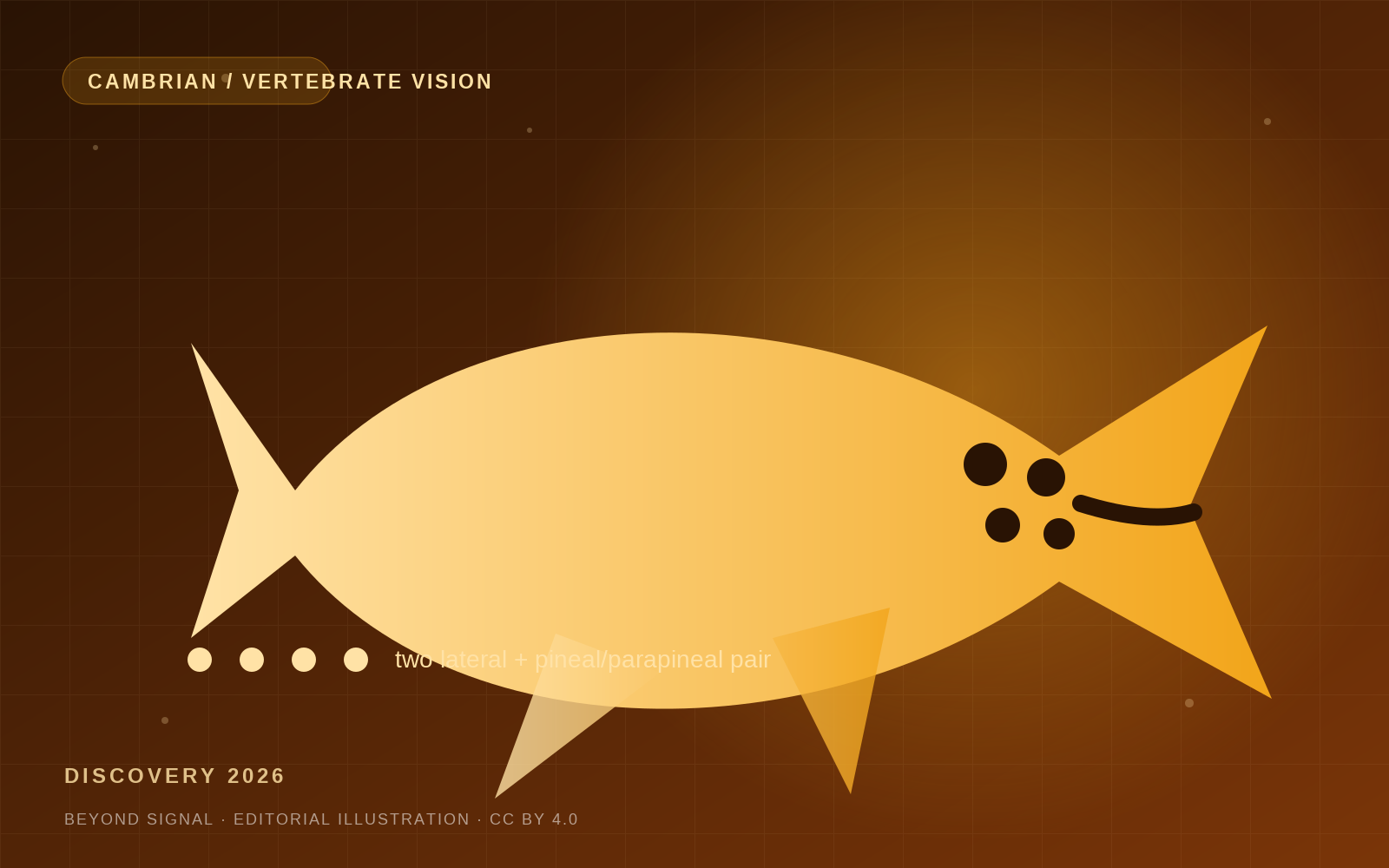 Illustration🦕 Dinosaurs & Fossils
Cambrian Vertebrates Had Four Camera-Type Eyes
Reanalysis of exceptionally preserved Cambrian fish fossils interpreted two structures once called nasal sacs as an additional pair of image-forming eyes.
Read more → Illustration🦕 Dinosaurs & Fossils
Prototaxites May Represent an Extinct Eukaryotic Lineage
Chemical and structural analyses of the giant Devonian organism Prototaxites found that its tissues do not match known fungi and may represent an entirely extinct branch of complex eukaryotic life. The interpretation revives a long-running debate over the identity of trunk-like fossils that towered over early land ecosystems.
Read more → 🌌 Space
C/2026 A1 (MAPS), an Early-Spotted Sungrazer
A Kreutz sungrazer detected unusually far from the Sun, giving astronomers a rare multi-month warning before its extremely close solar pass.
Read more →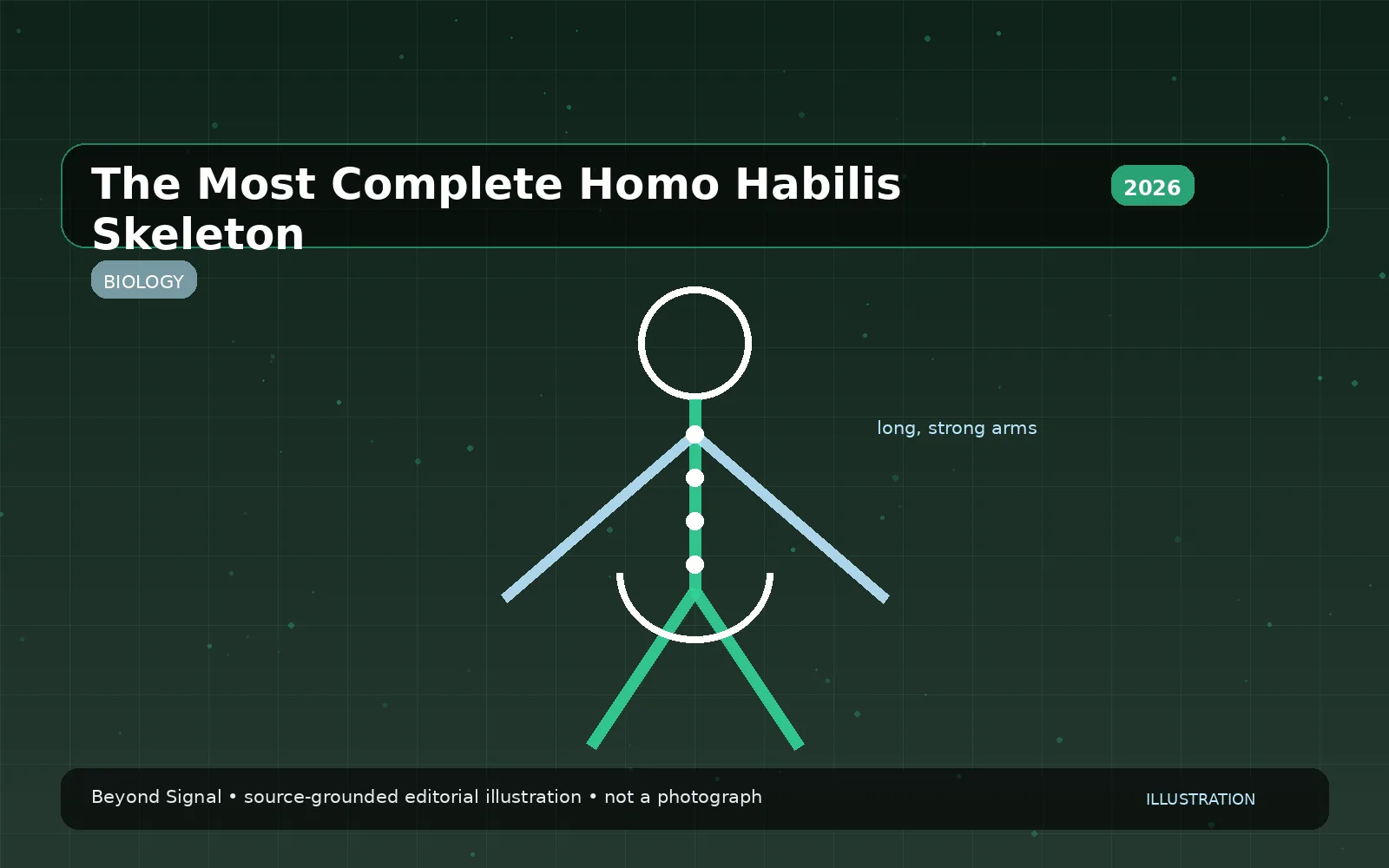 Illustration🧬 Biology
The Most Complete Homo Habilis Skeleton
KNM-ER 64061, a partial skeleton dated to about 2.02–2.06 million years ago, was described as the most complete Homo habilis skeleton yet recognized. Its associated teeth, shoulder, arm, spine, pelvis, and leg fragments reveal a small-bodied early human with long, powerful arms and a mosaic of primitive and derived traits.
Read more → Illustration🏺 Archaeology
773,000-Year-Old Hominins from Casablanca
Fossils from Thomas Quarry I in Casablanca were tightly dated to about 773,000 years ago and show a mix of traits that the authors place near the root of the Homo sapiens lineage.
Read more → Illustration🧬 Biology
Woolly Rhino Genome Recovered from a Wolf's Stomach
Scientists reconstructed a high-quality woolly rhinoceros genome from undigested meat preserved in the stomach of a roughly 14,400-year-old wolf pup. Comparisons with older rhino genomes found no prolonged loss of diversity or rising inbreeding before extinction, supporting a comparatively rapid population collapse.
Read more →