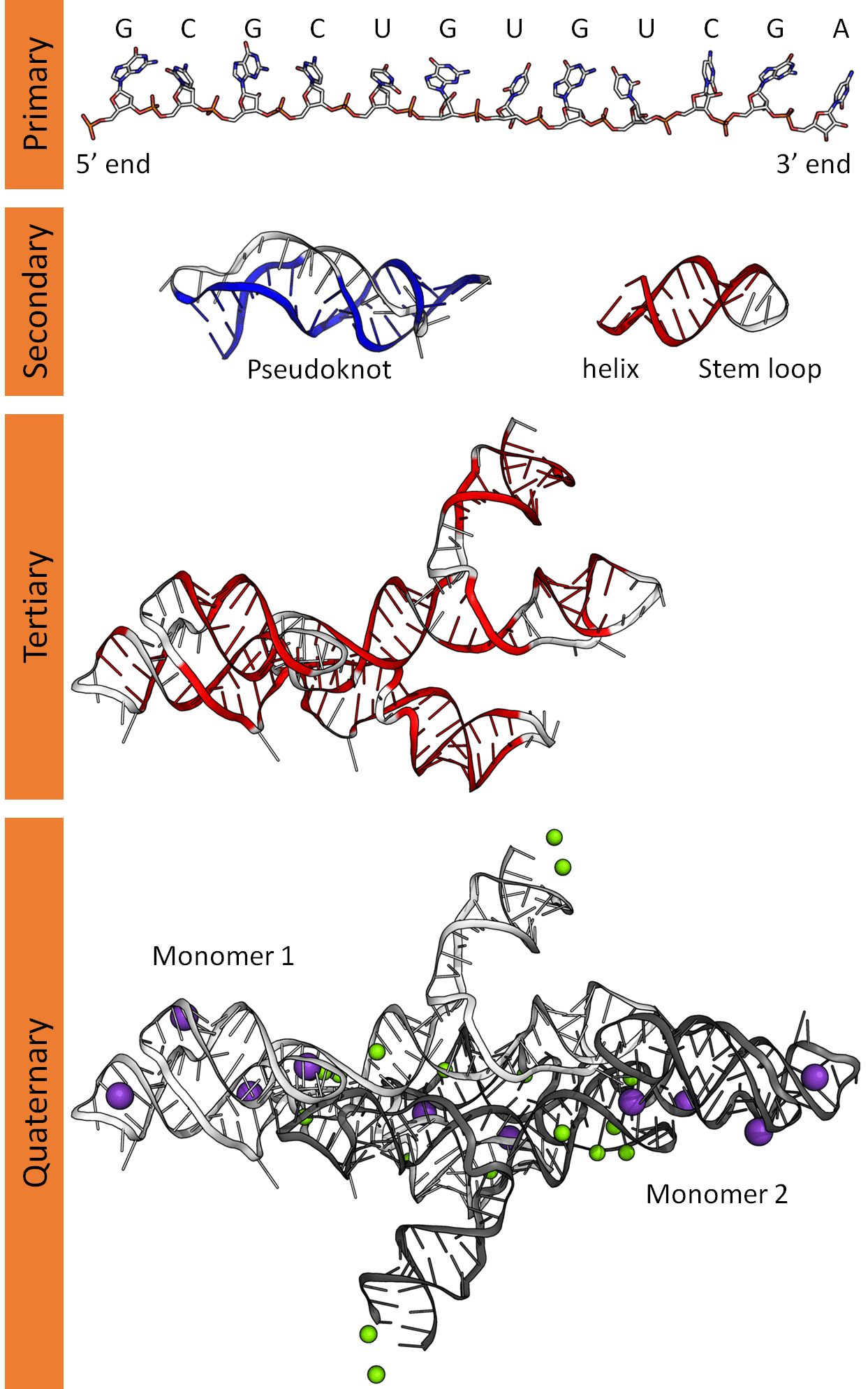
A Tiny RNA Enzyme That Can Copy Itself
A compact 45-nucleotide catalytic RNA synthesized both its complementary strand and a copy of itself, strengthening a central prediction of the RNA-world hypothesis.
The story
Why scientists were there
Researchers were searching random RNA sequence space for simpler catalysts capable of RNA-templated RNA synthesis.
How they found it
Laboratory selection isolated the QT45 ribozyme and tests showed it could build a complementary strand and reproduce its own sequence with useful accuracy.
What makes it unique
Its small size suggests primitive RNA replicases may be easier to evolve than previously assumed, narrowing a major gap in models for life's chemical beginnings.
Gallery

Where it was found
MRC Laboratory of Molecular Biology, Cambridge, United Kingdom
Tags
Related discoveries
 🤖 Technology
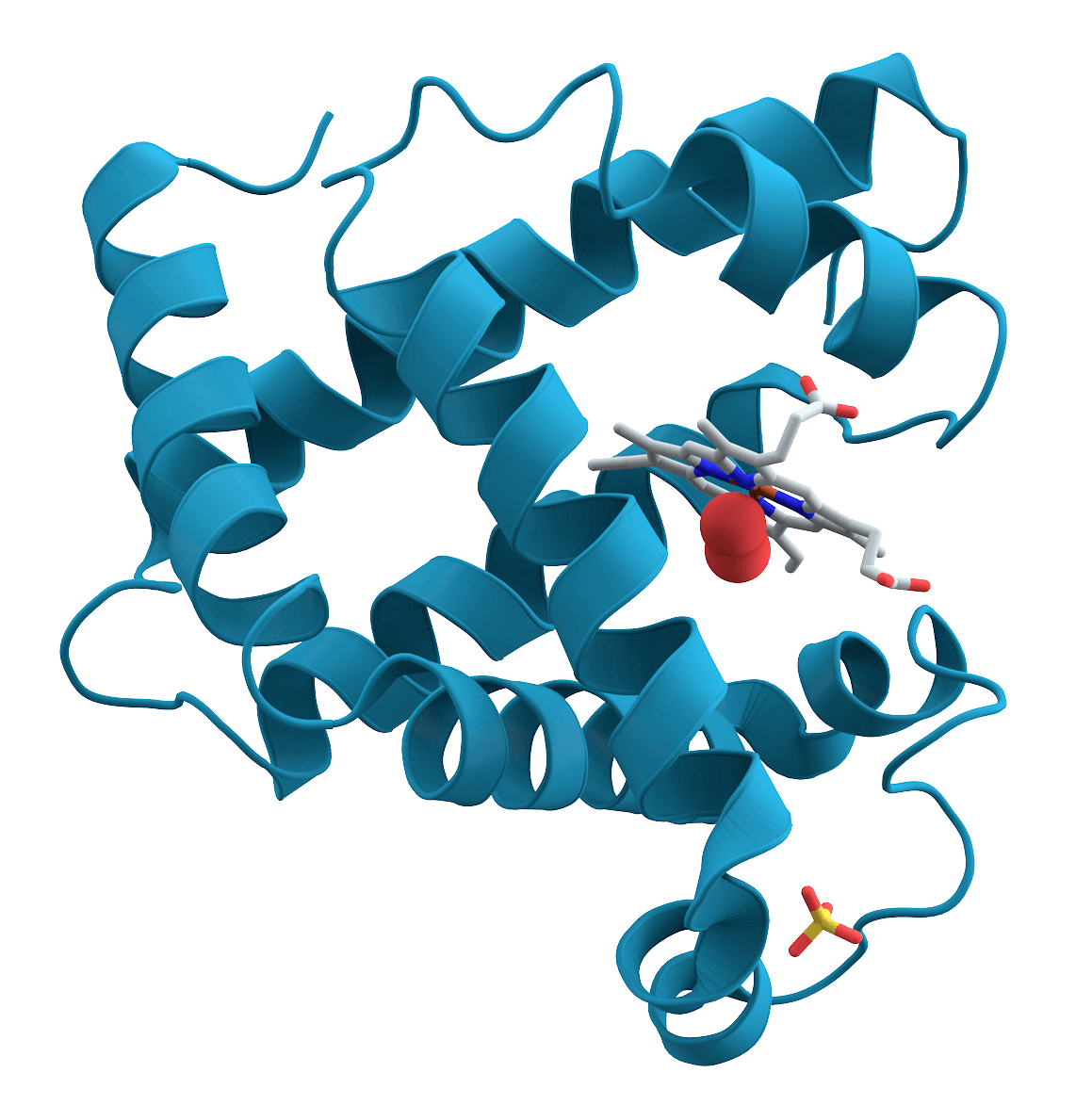
AlphaFold Solves Protein Folding
A neural network predicted protein 3D structures from sequence with near-experimental accuracy — cracking a 50-year grand challenge in biology.
Read more →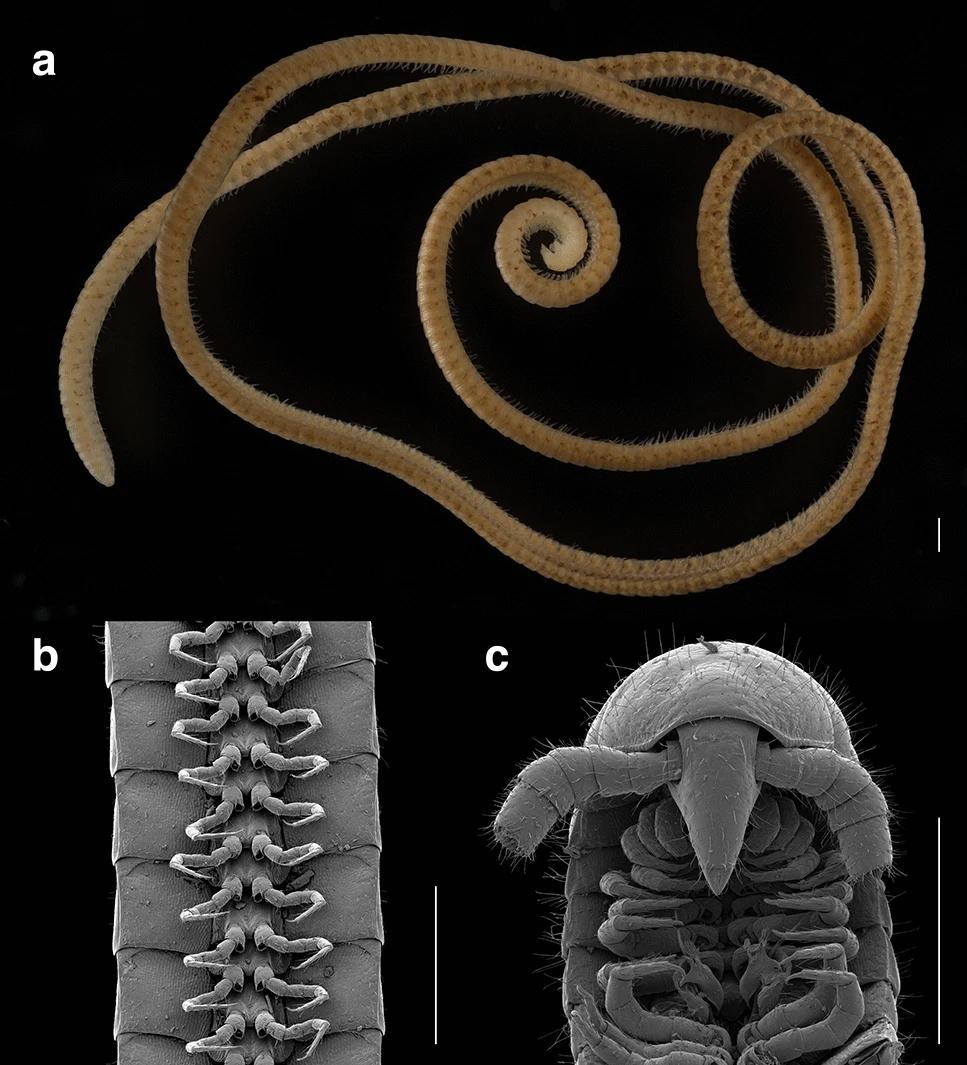 🧬 Biology
The First True Millipede (1,306 Legs)
A pale, eyeless arthropod with up to 1,306 legs — the first millipede ever found that literally has more than a thousand.
Read more →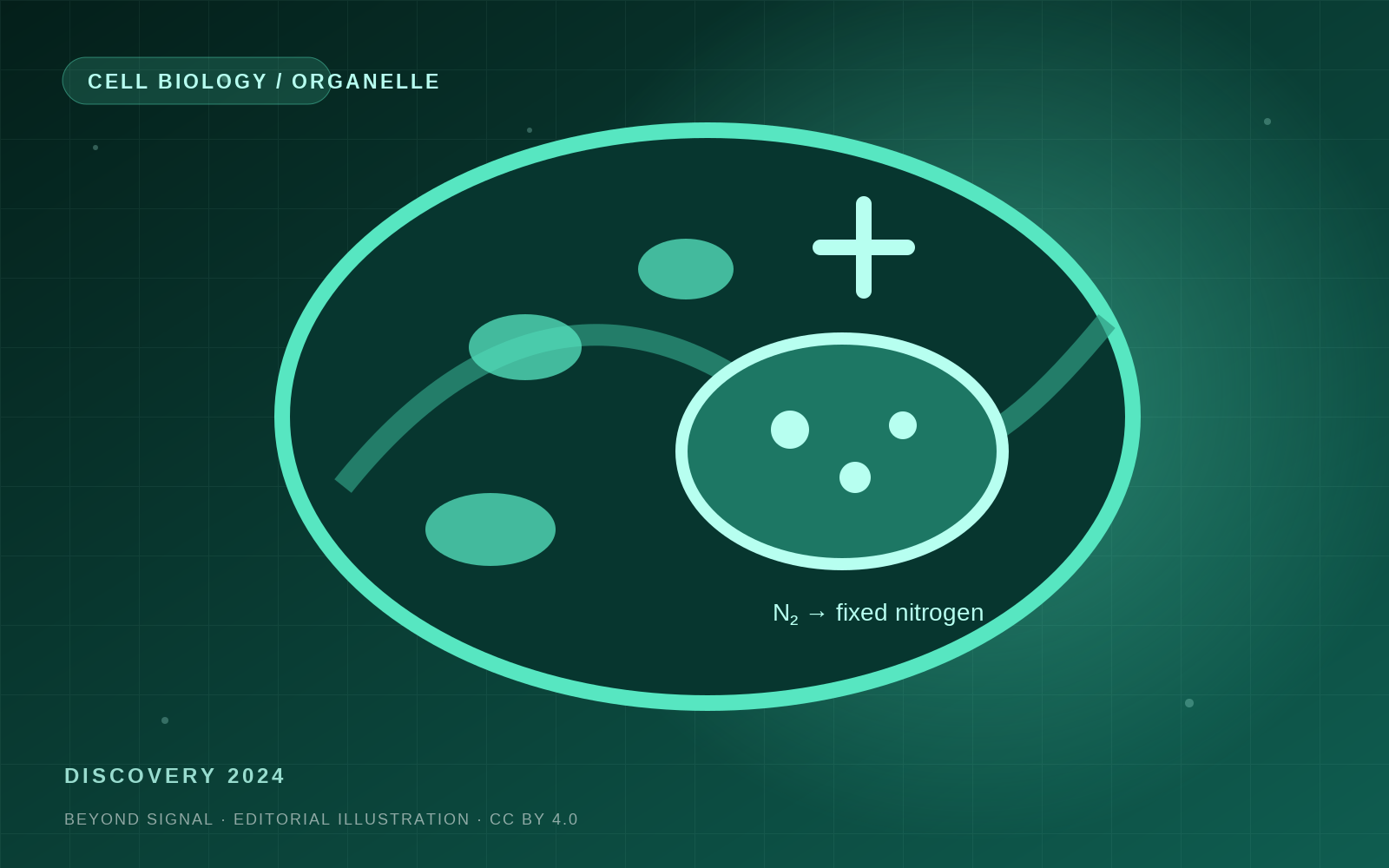 Illustration🧬 Biology
The Nitroplast, a Nitrogen-Fixing Organelle
Researchers showed that a cyanobacterial partner inside a marine alga is integrated deeply enough to function as a true nitrogen-fixing organelle, named the nitroplast.
Read more →