
Monthly archive
Scientific Discoveries in June 2026
Browse 7 discoveries catalogued in June 2026, with the source, location, and scientific significance of each entry.
Discoveries from June 2026
 Illustration⚛️ Physics
Magnetic Fields Boost Superconductivity in Rhombohedral Graphene
Transport experiments in rhombohedral four- and five-layer graphene revealed superconducting states that persist, strengthen, or emerge in magnetic fields that would ordinarily suppress conventional superconductivity.
Read more → Representative🪸 Ocean Discoveries
31 New Species Found in Brazil's Ocean Midwater
A two-week expedition off Brazil rapidly identified 31 likely new species, including jellyfish, comb jellies, siphonophores, worms, amphipods, larvaceans, and giant single-celled organisms.
Read more →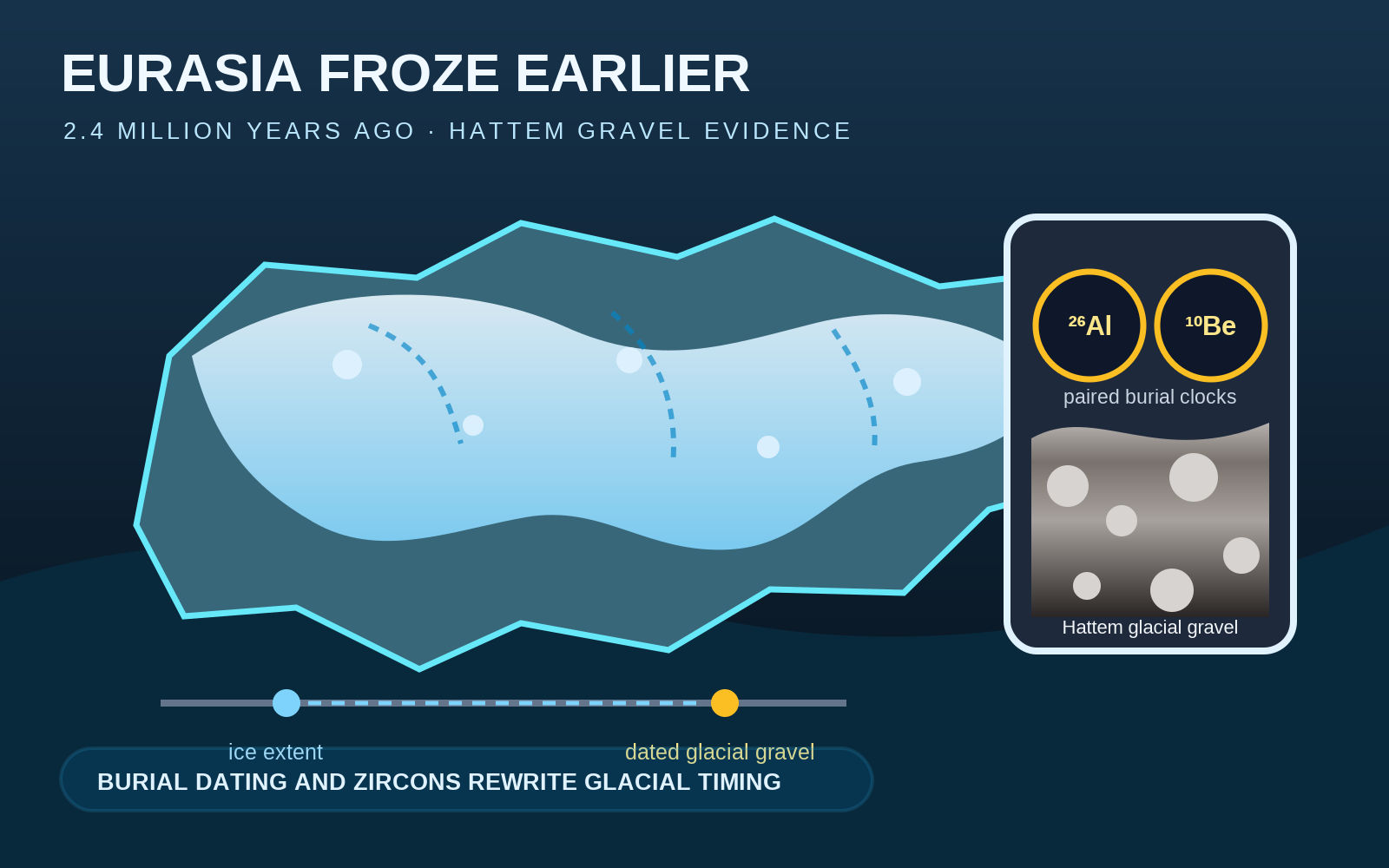 Illustration🌋 Earth Science
A Continental-Scale Eurasian Ice Sheet 2.4 Million Years Ago
Burial dating and zircon provenance showed that Fennoscandian glacial gravels reached the Netherlands about 2.41 million years ago, documenting continental-scale Eurasian ice more than a million years earlier than the classic mid-Pleistocene expansion.
Read more → Representative🪸 Ocean Discoveries
Dudgeon's Walking Shark
A newly described walking shark from shallow Papua New Guinea reefs, identified by its distinctive spotted pattern and confirmed as a separate species through DNA comparisons.
Read more →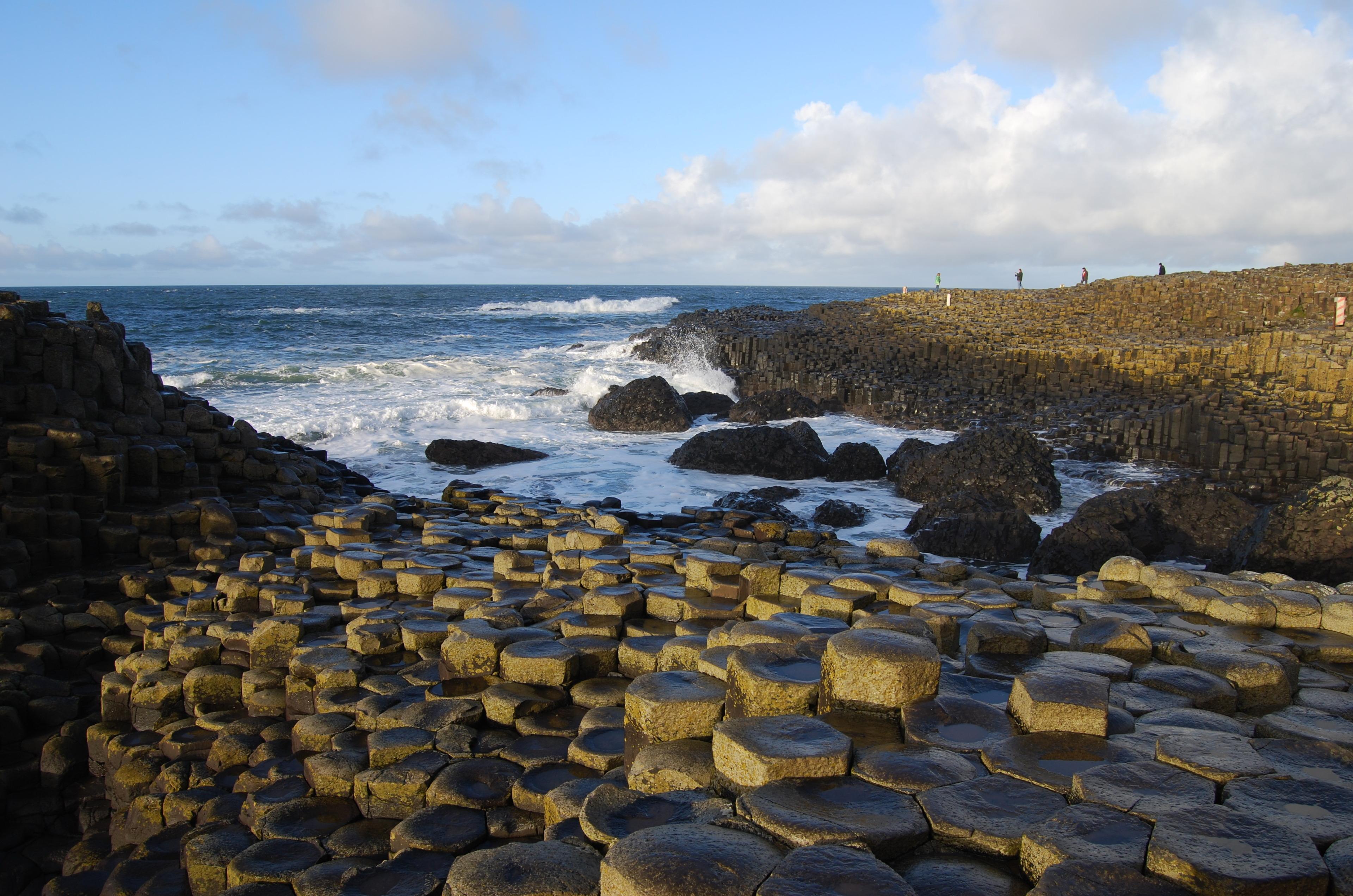 🌋 Earth Science
A New Timeline for the Giant's Causeway Eruptions
High-precision dating compressed the region's volcanic history into about 5.5 million years and tied the Causeway to a North Atlantic event recorded from Scotland to Greenland.
Read more → Illustration🦕 Dinosaurs & Fossils
A Deep-Sea Whale Necropolis in the Diamantina Zone
Dives in the Diamantina Zone recorded five modern whale-fall communities and 476 fossil cetacean sites over 1,200 kilometres of seafloor, documenting a whale-fall archive that extends back at least 5.3 million years.
Read more →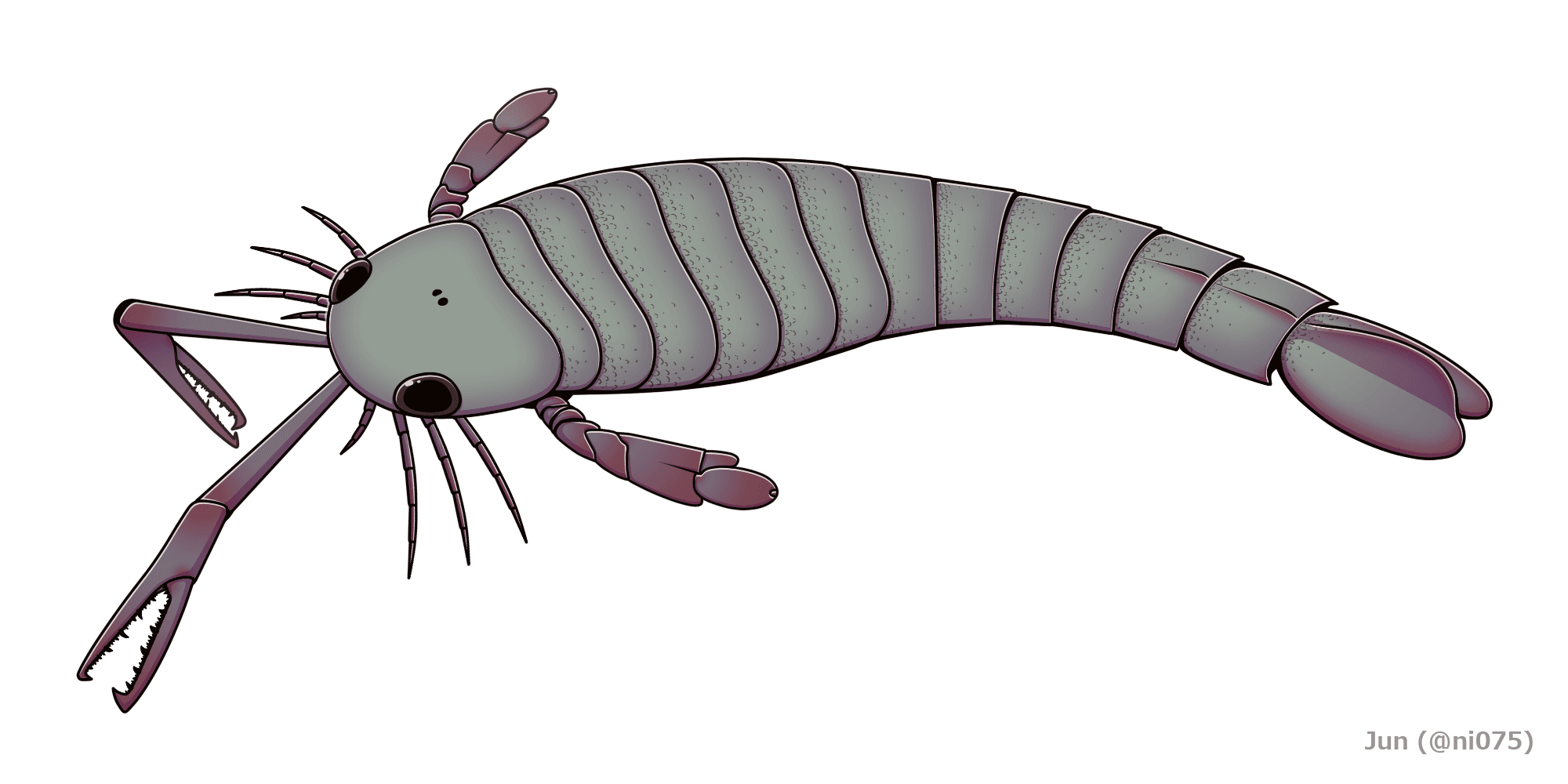 🦕 Dinosaurs & Fossils
The Metre-Long Scorpion Praearcturus
Modern reanalysis supports identifying fragmentary British fossils as a roughly one-metre scorpion, potentially the largest scorpion yet recognized.
Read more →