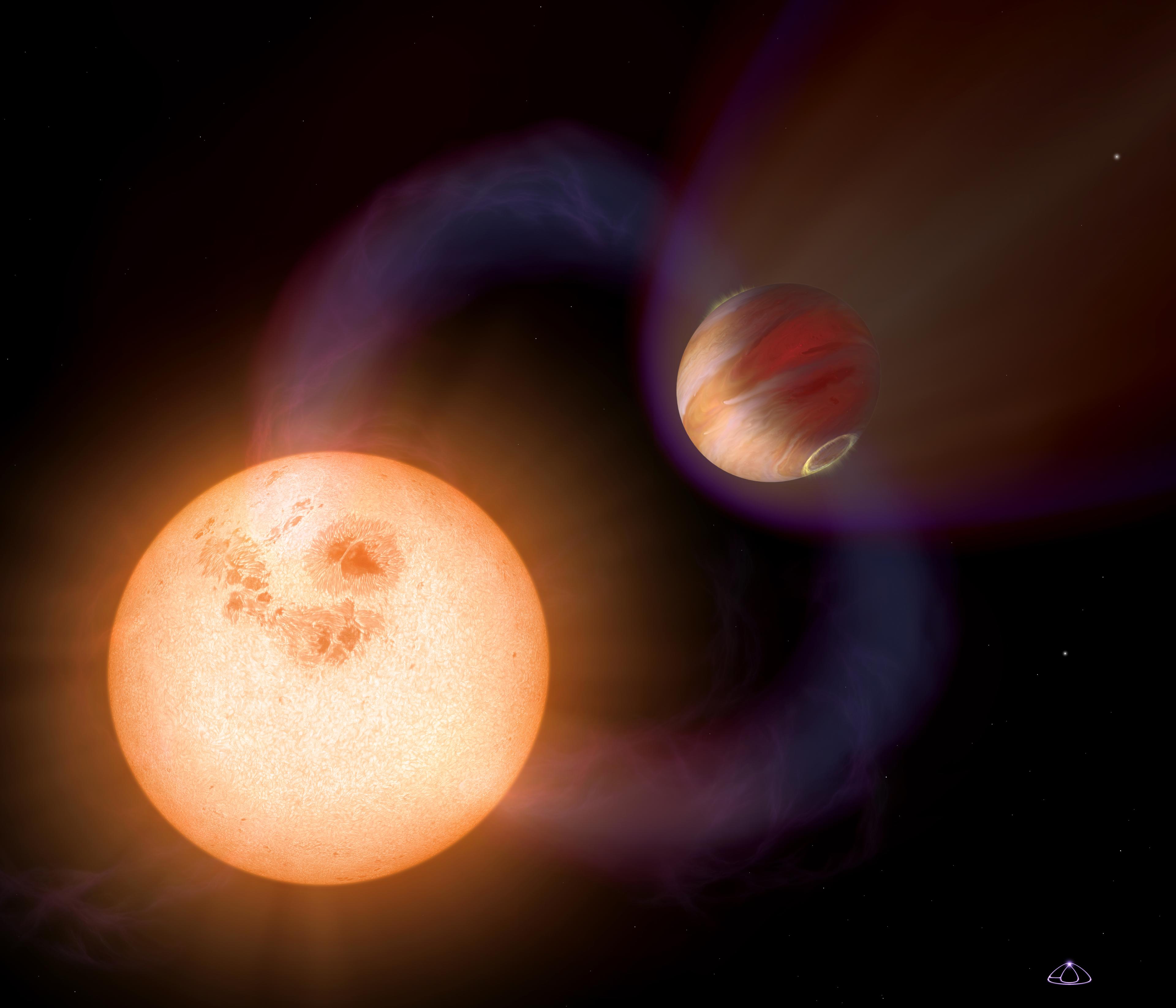
The Inside-Out LHS 1903 Planetary System
Four close-orbiting planets arranged rocky–gaseous–gaseous–rocky, an unexpected architecture that supports sequential, gas-depleted planet formation.
The story
Why scientists were there
Astronomers combined transit photometry and radial-velocity measurements to characterize small planets crossing the radius valley around an old red dwarf.
How they found it
CHEOPS and supporting observatories measured the planets' sizes and masses closely enough to distinguish rocky worlds from atmosphere-rich sub-Neptunes.
What makes it unique
The outermost planet is rocky despite lying beyond two gaseous planets, suggesting it formed after the system's gas reservoir had largely vanished.
Gallery

Where it was found
University of Warwick, Coventry, United Kingdom
Tags
Related discoveries
 🌌 Space
The TRAPPIST-1 Planetary System
Seven Earth-sized planets circling a cool red dwarf 40 light-years away — three of them in the habitable zone.
Read more → 🌌 Space
C/2026 A1 (MAPS), an Early-Spotted Sungrazer
A Kreutz sungrazer detected unusually far from the Sun, giving astronomers a rare multi-month warning before its extremely close solar pass.
Read more →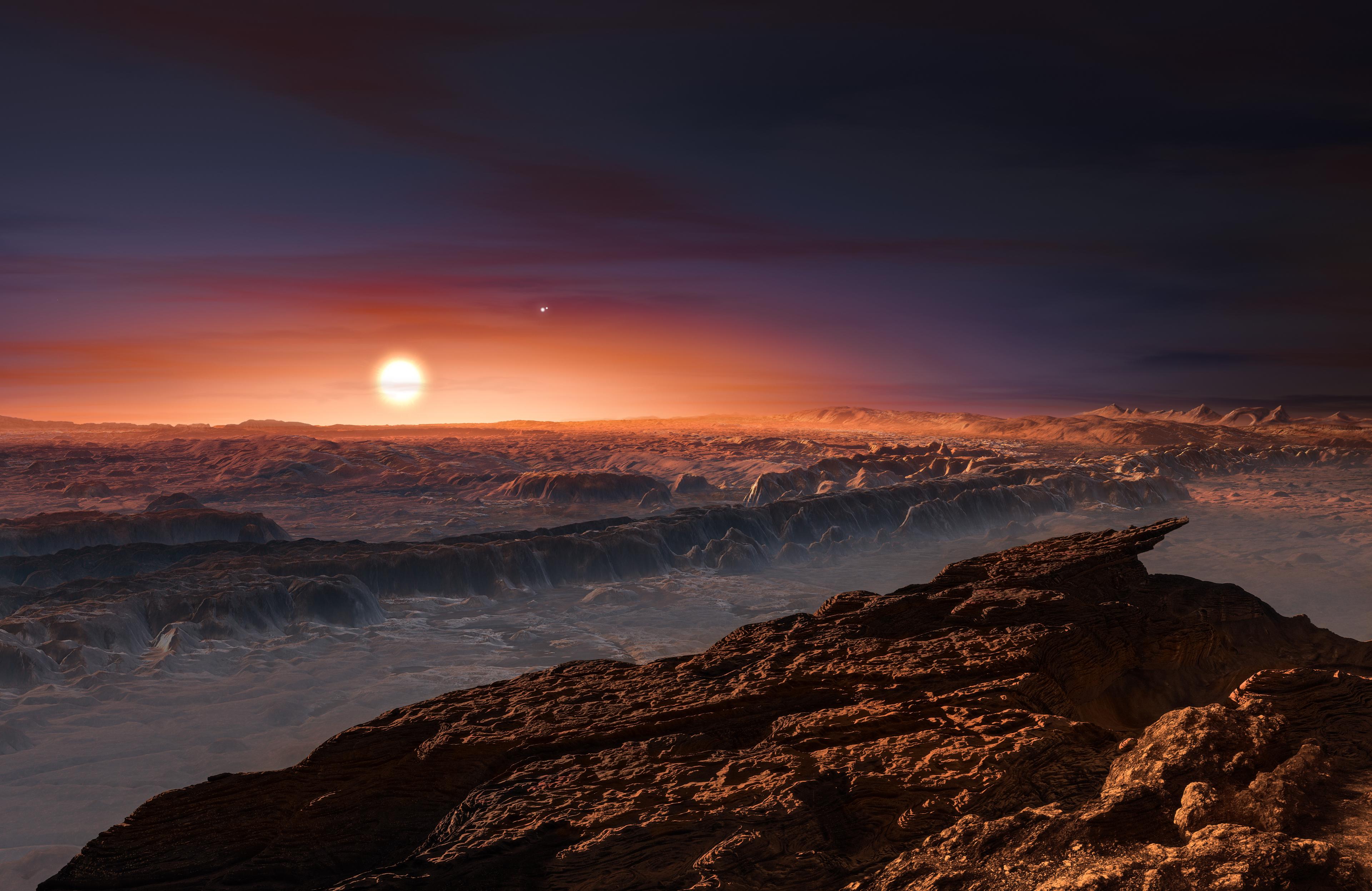 🌌 Space
GJ 887 d, a Nearby Habitable-Zone Super-Earth
A 50.77-day super-Earth confirmed in the habitable zone of GJ 887, only about 10.7 light-years away and second only to Proxima b in proximity among known temperate planets.
Read more →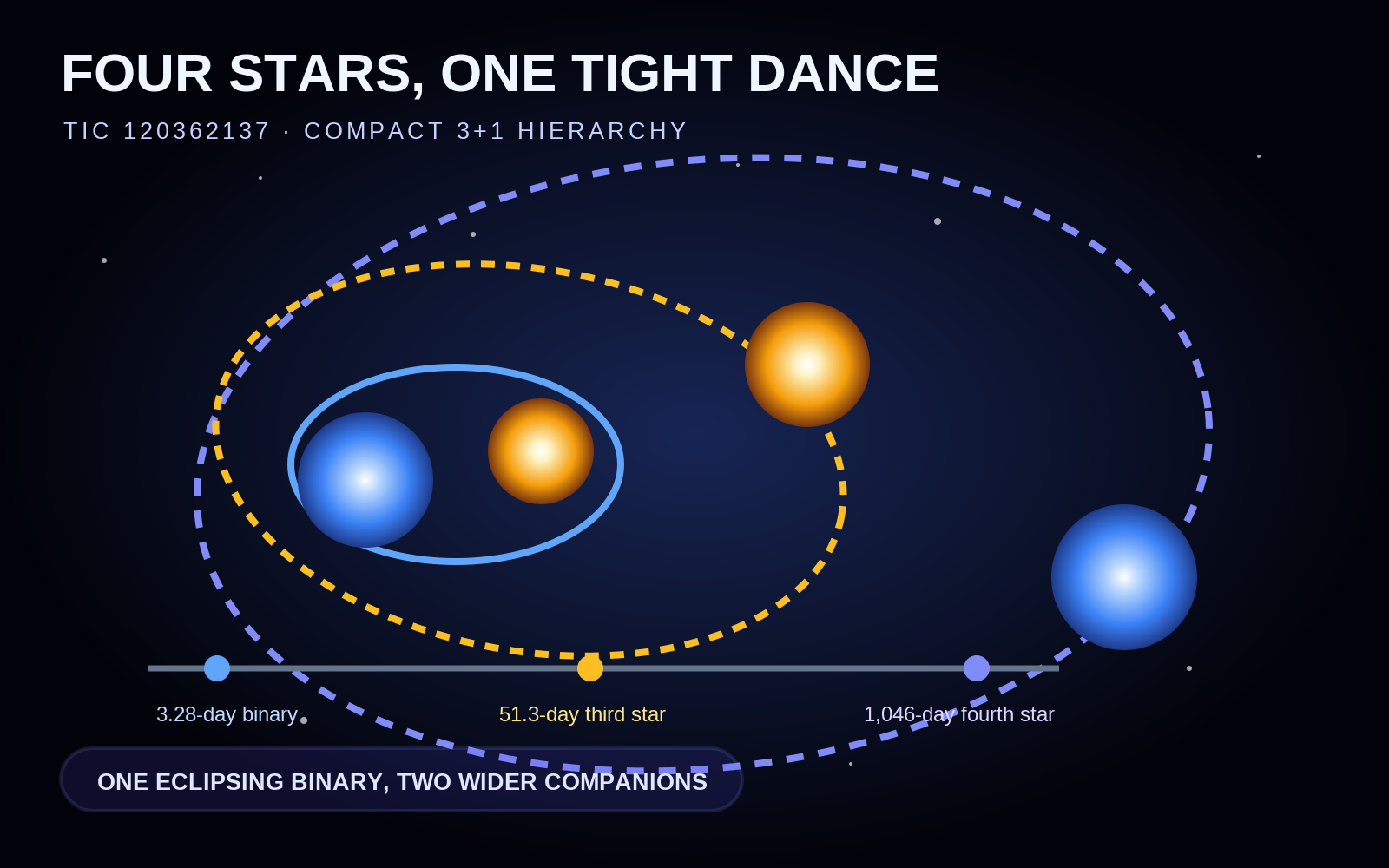 Illustration🌌 Space
The Most Compact Known 3+1 Quadruple Star System
TESS eclipse timing, ground photometry, and spectra revealed TIC 120362137 as the tightest known hierarchical 3+1 quadruple: three stars fit inside a region comparable to Mercury's orbit while a fourth circles outside them.
Read more →