
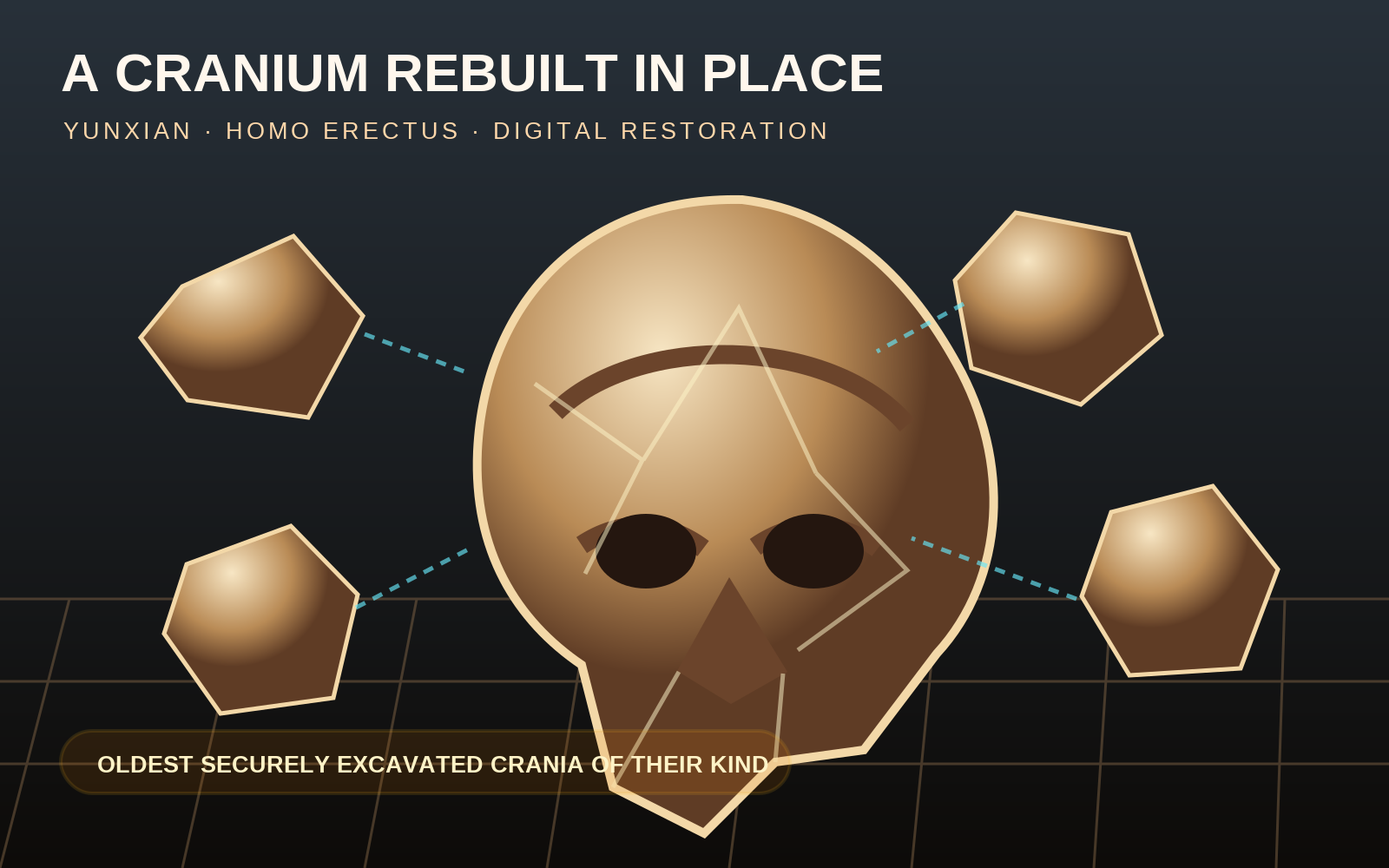
 Illustration — not a photo of the discovery
Yunxian's 1.77-Million-Year-Old Homo Erectus Crania
Cosmogenic-nuclide burial dating placed the fossil-bearing Yunxian sediments at 1.77 ± 0.08 million years old, making the three crania the oldest Homo erectus fossils securely recovered in place in eastern Asia.
The story
Why scientists were there
The new date brings well-contextualized human fossils in China close to the earliest Homo erectus evidence in western Eurasia and supports rapid dispersal across Asia. The taxonomic assignment and regional fossil chronology remain debated; further dating, reconstruction of the least distorted skull, and comparison with other early Asian hominins are needed.
How they found it
Researchers measured cosmogenic aluminum-26 and beryllium-10 in quartz gravels from two sediment layers. Isochron burial models account for inherited exposure and post-burial production, giving concordant ages near 1.77 million years for the layer containing the skulls and a deeper unit.
What makes it unique
Other very early eastern Asian hominin finds have uncertain stratigraphic context or disputed ages, whereas the Yunxian crania were excavated in situ. The dating constrains burial of the surrounding sediment rather than directly dating bone, but the preserved context ties the fossils to that clock.
Gallery
Where it was found
Xuetangliangzi site, Yunyang District, Hubei
Tags
Related discoveries
 Illustration🧬 Biology
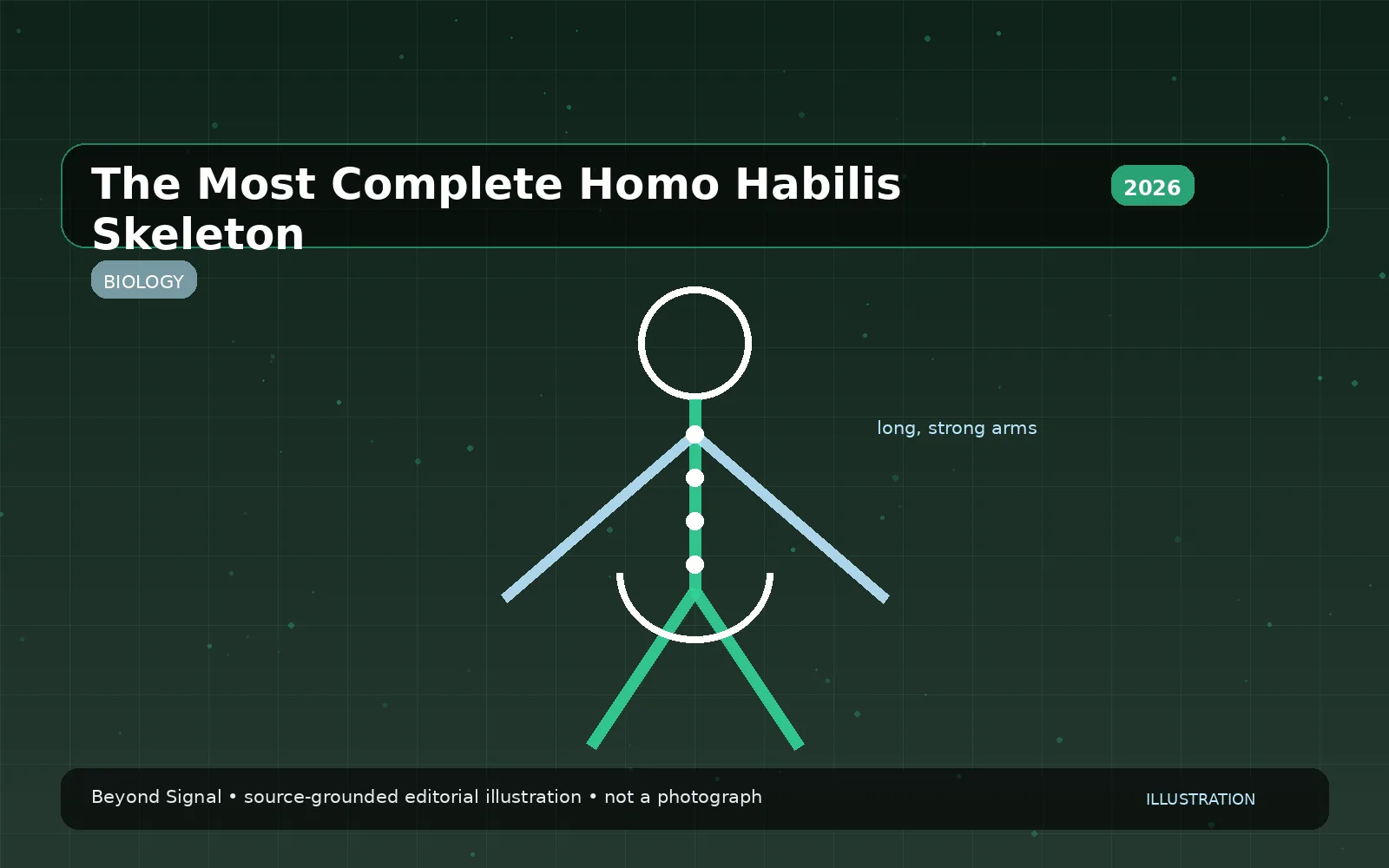
The Most Complete Homo Habilis Skeleton
KNM-ER 64061, a partial skeleton dated to about 2.02–2.06 million years ago, was described as the most complete Homo habilis skeleton yet recognized. Its associated teeth, shoulder, arm, spine, pelvis, and leg fragments reveal a small-bodied early human with long, powerful arms and a mosaic of primitive and derived traits.
Read more →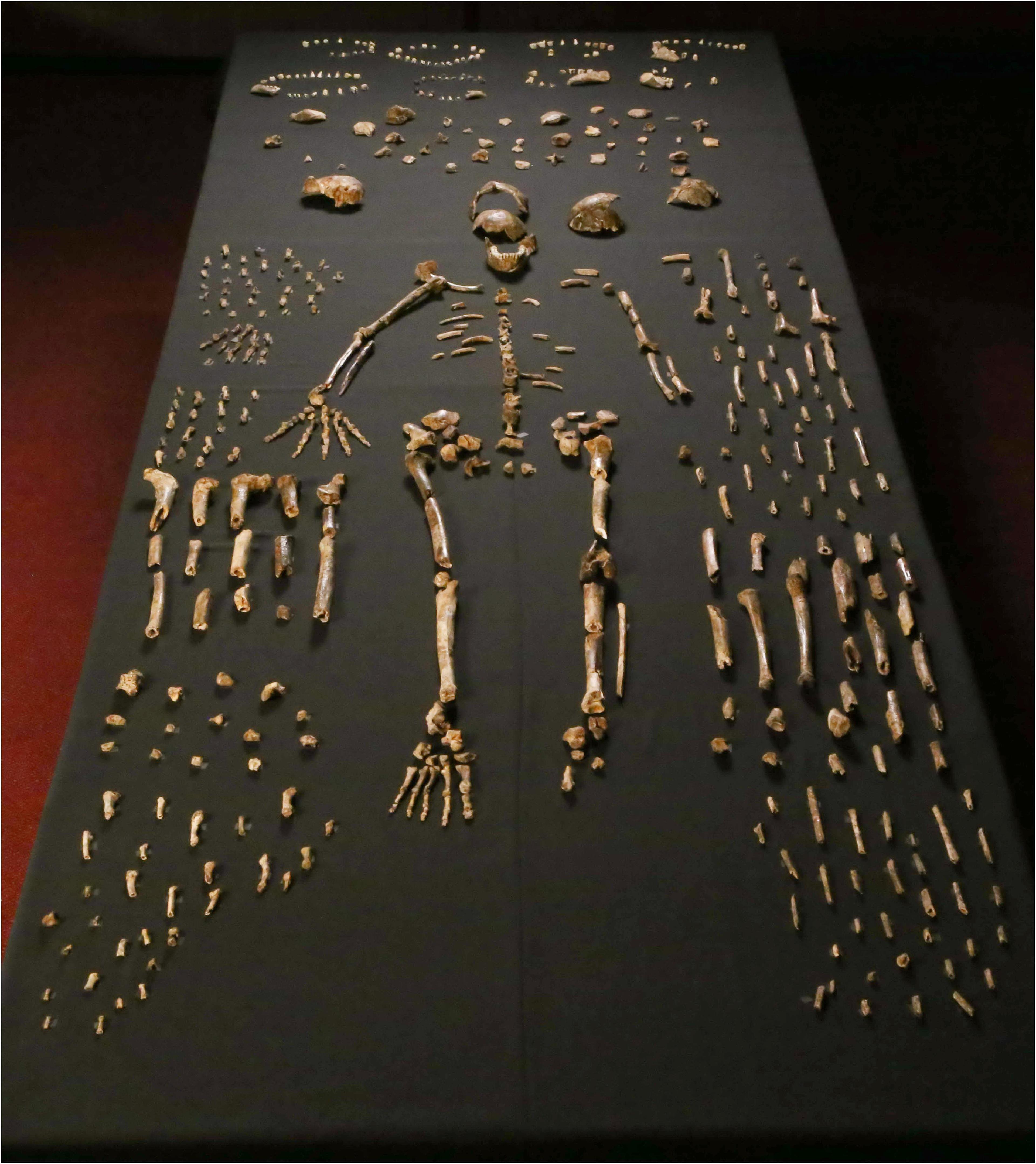 🧬 Biology
Homo naledi, a New Human Relative
More than 1,500 fossil pieces from a deep cave chamber revealed a small-brained human relative with a surprising mix of ancient and modern traits.
Read more →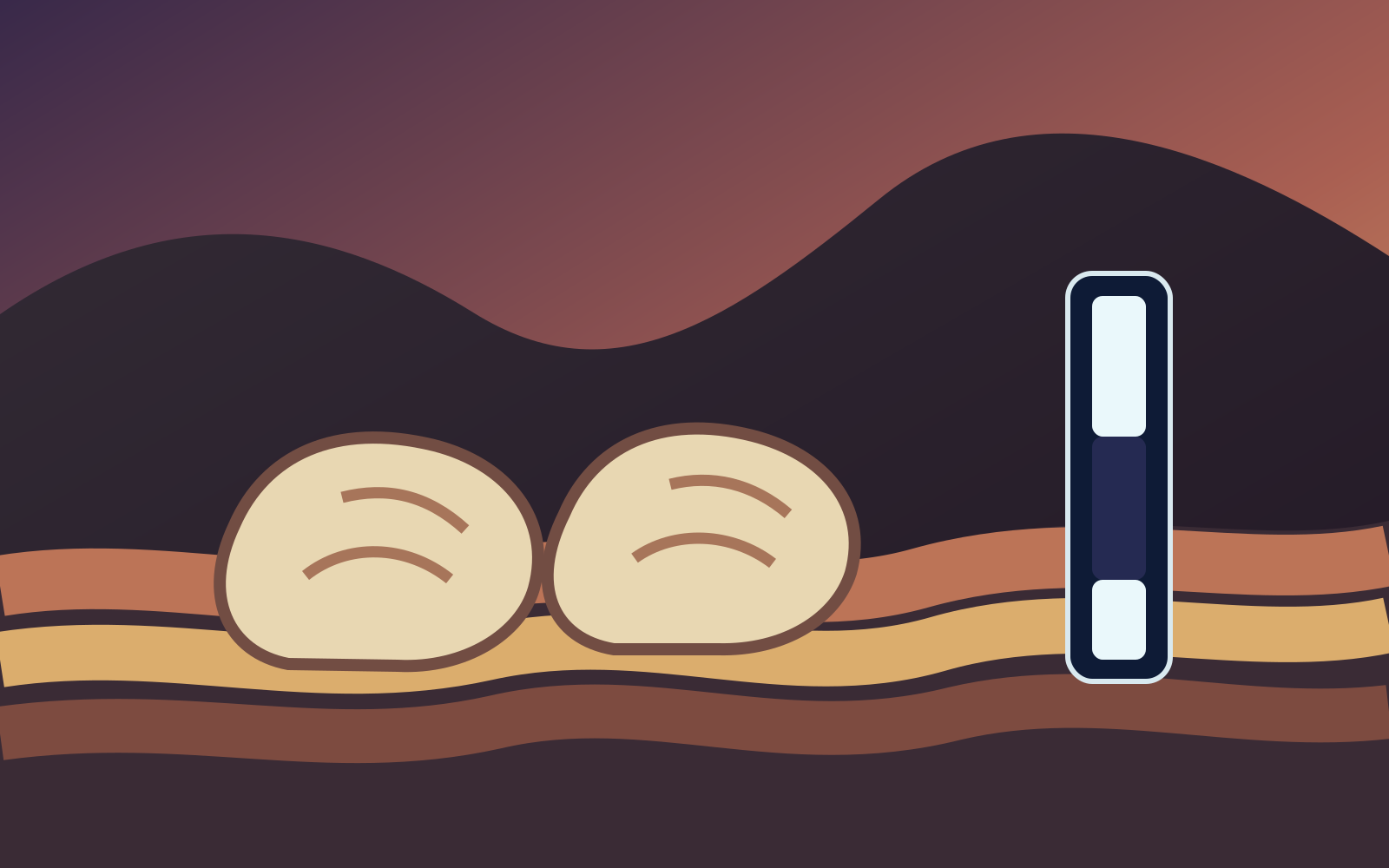 Illustration🏺 Archaeology
773,000-Year-Old Hominins from Casablanca
Fossils from Thomas Quarry I in Casablanca were tightly dated to about 773,000 years ago and show a mix of traits that the authors place near the root of the Homo sapiens lineage.
Read more → Illustration🏺 Archaeology
Early Homo and an Unnamed Australopithecus at Ledi-Geraru
Thirteen teeth from Ledi-Geraru date to 2.6–2.8 million years ago and support the coexistence there of early Homo and a previously unrecognized Australopithecus form.
Read more →