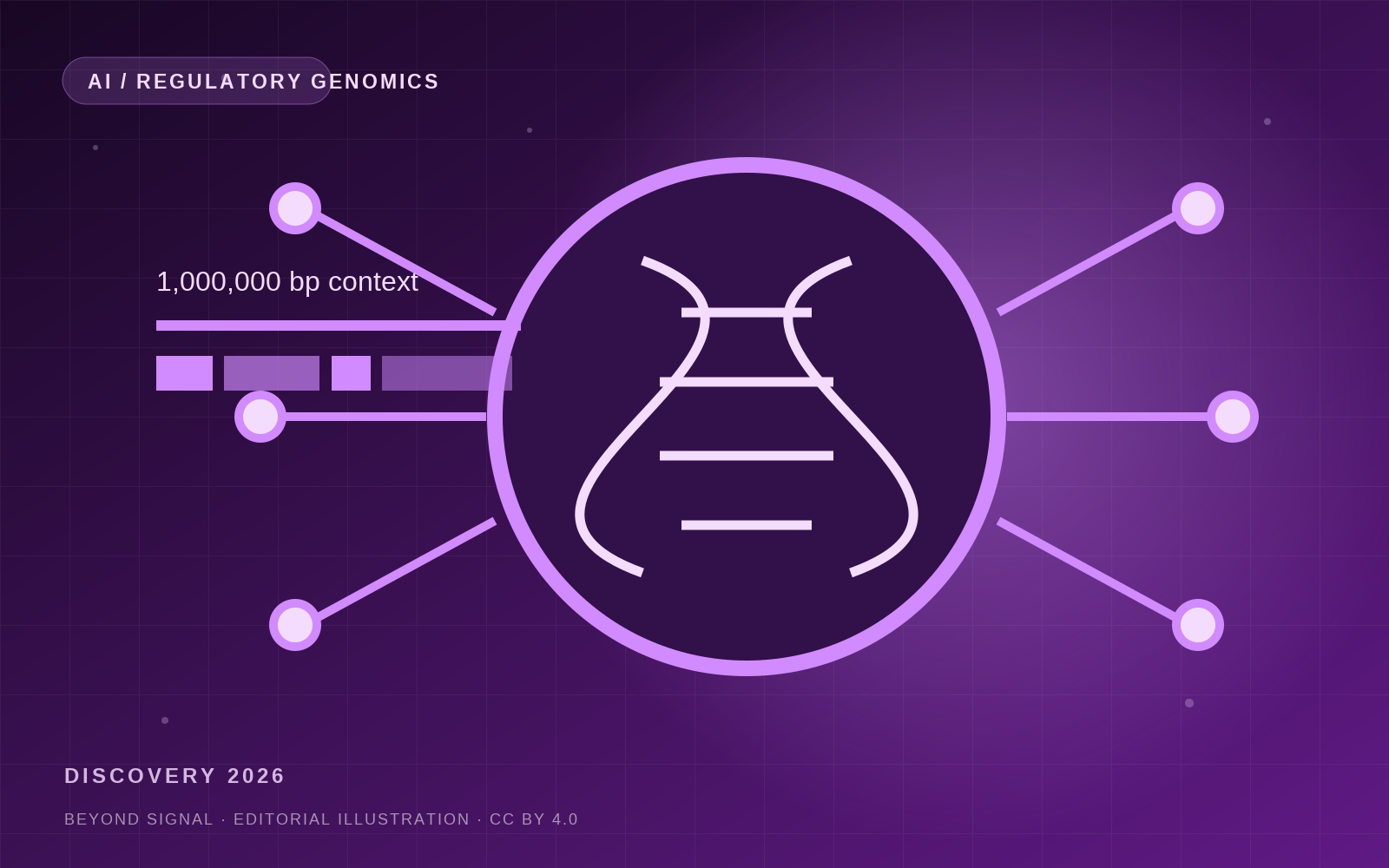
 Illustration — not a photo of the discovery
AlphaGenome Predicts How DNA Variants Alter Gene Regulation
AlphaGenome was published as a sequence model that analyses up to one million DNA letters and predicts thousands of regulatory readouts, including gene expression, chromatin state, and RNA splicing.
The story
Why scientists were there
Most disease-associated variants lie outside protein-coding genes, where connecting a single DNA change to its downstream biological effects remains difficult.
How they found it
The model was trained on large human and mouse functional-genomics datasets and benchmarked against specialized systems across multiple prediction tasks and variant-effect tests.
What makes it unique
It combines long genomic context with near base-pair resolution and many output modalities in one model, although experimental validation remains essential before clinical use.
Gallery
Where it was found
Google DeepMind, London
Tags
Related discoveries
 🤖 Technology
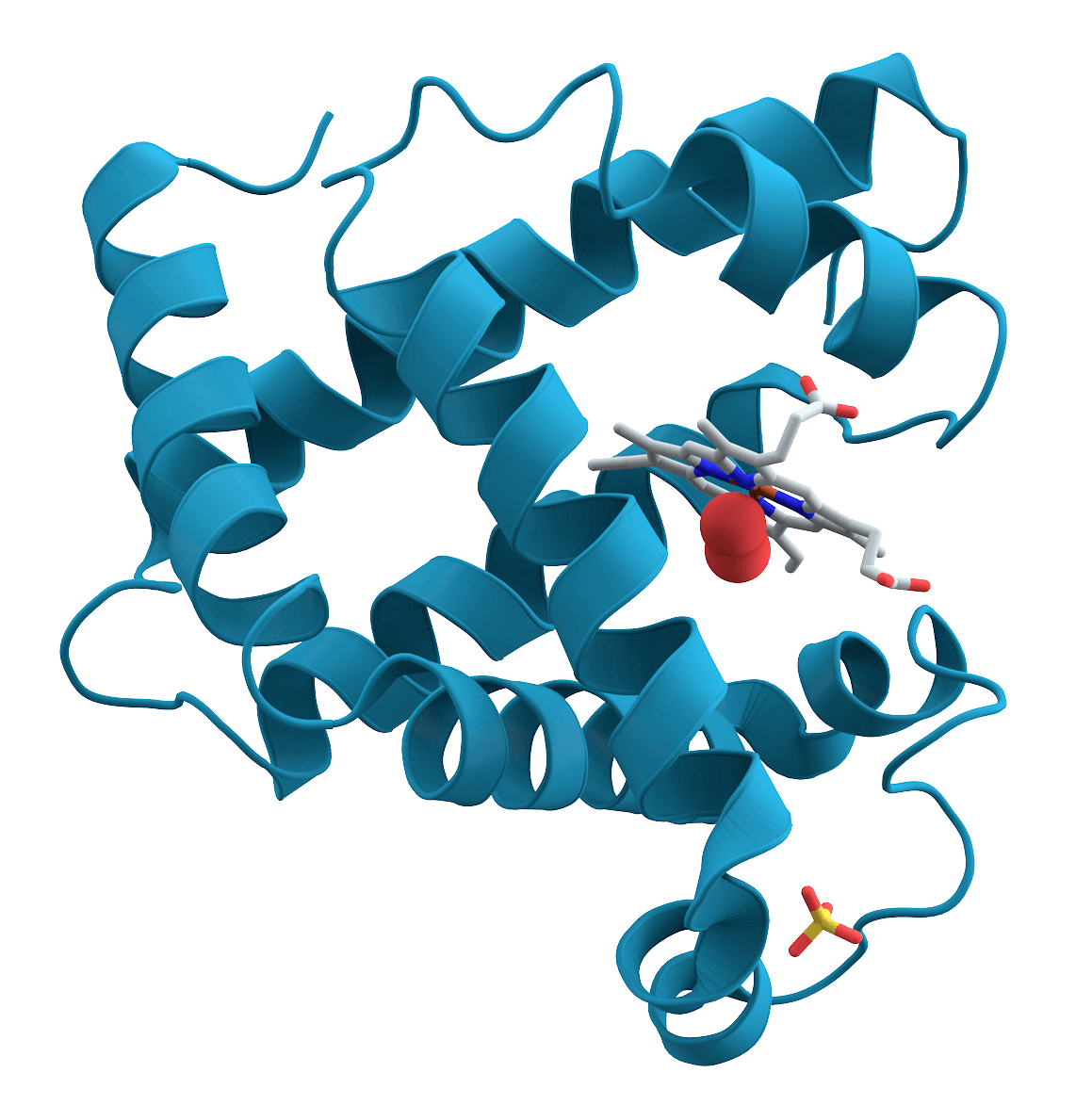
AlphaFold Solves Protein Folding
A neural network predicted protein 3D structures from sequence with near-experimental accuracy — cracking a 50-year grand challenge in biology.
Read more →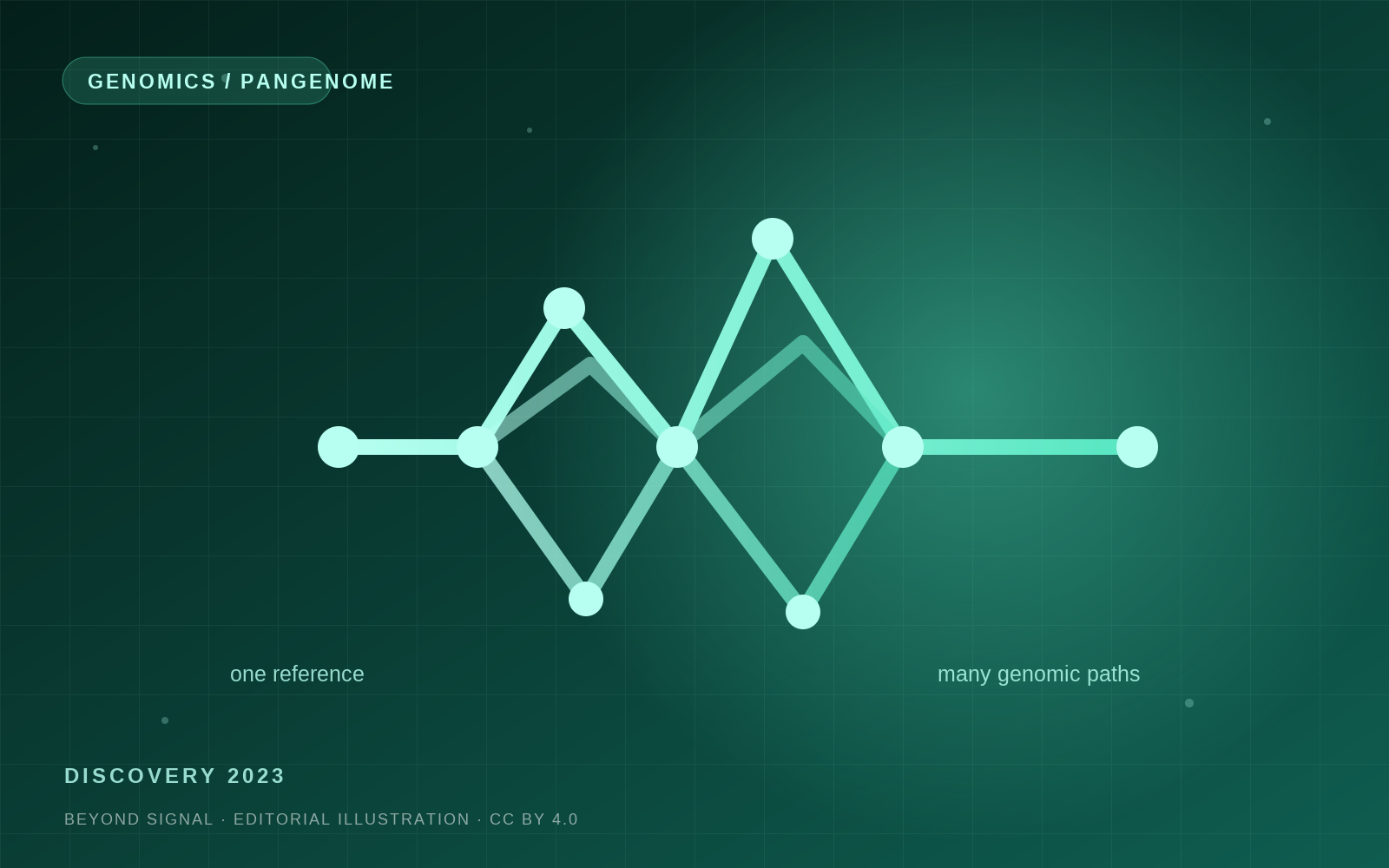 Illustration🧬 Biology
A More Diverse Human Pangenome Reference
Researchers released a draft human pangenome built from 47 genetically diverse people, replacing a single linear reference with multiple possible genomic paths.
Read more →