Archaeology
Lost cities, ancient civilizations, tomb discoveries, and the artifacts that rewrite human history.
Field guide
Understanding archaeology
Archaeological discovery is the reconstruction of human lives from material traces. A settlement, burial, tool, inscription, or ritual site becomes meaningful only when its position, surrounding objects, and chronology are recorded together. Beyond Signal focuses on the evidence that lets researchers distinguish a dramatic interpretation from a conclusion supported by context.
New technology has widened what archaeology can recover. Remote sensing can identify structures beneath vegetation, chemical analysis can trace materials across trade routes, and careful excavation can reveal activity that left no written record. These techniques do not replace fieldwork; they help researchers ask sharper questions while protecting the relationship between an object and the place where it was found.
Context is the evidence
An artefact separated from its layer loses much of its meaning. Archaeologists record associations, construction phases, soil changes, and the sequence of occupation so that an object can be interpreted as part of a human system.
History beyond written records
Archaeology can recover the activities of people who left few documents. Food remains, architecture, craft debris, and landscape changes can reveal economies and beliefs that written histories overlook.
Archaeology guides & articles
All guides →Explore by subtopic
11 discoveries
 Illustration🏺 Archaeology
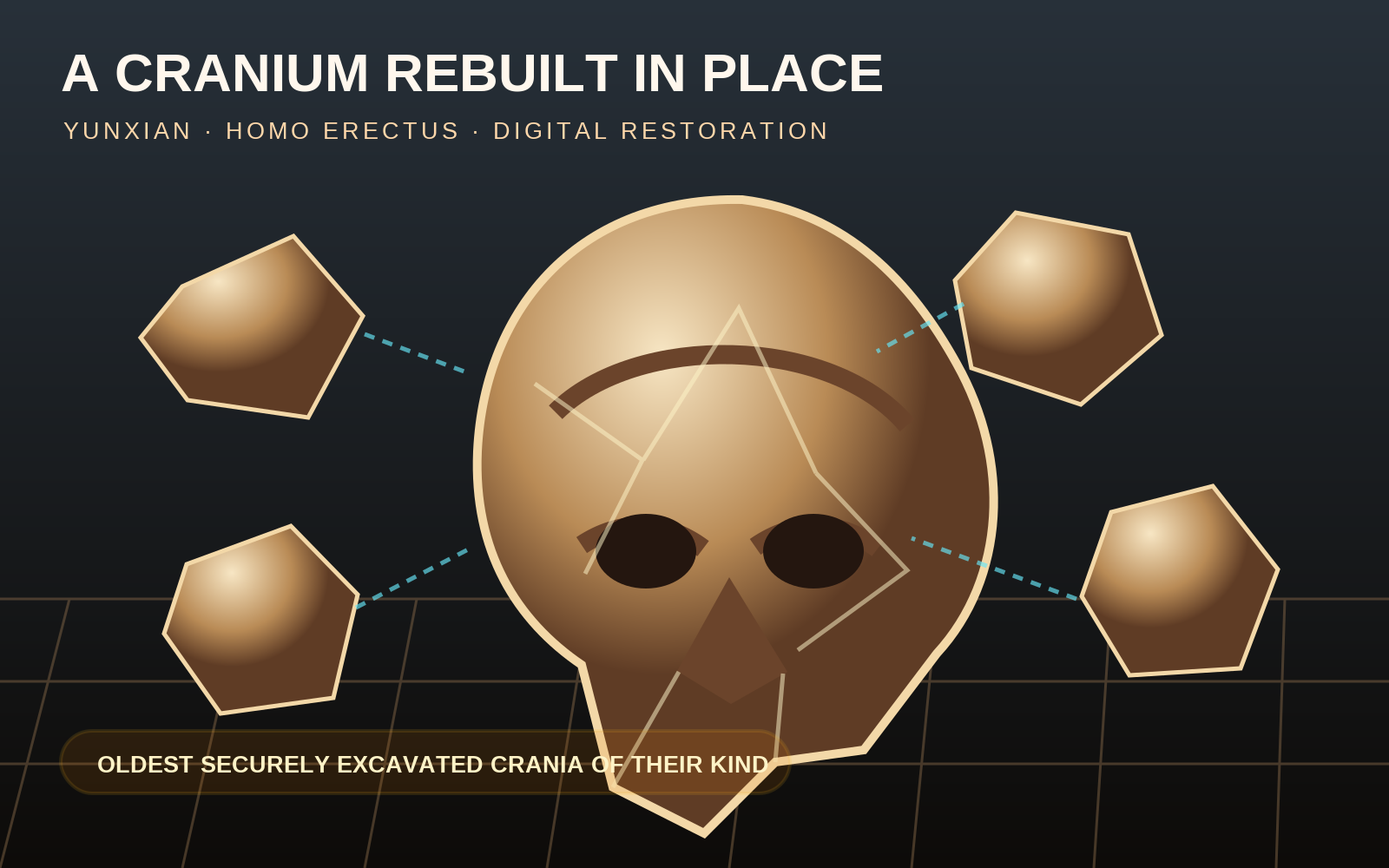
Yunxian's 1.77-Million-Year-Old Homo Erectus Crania
Cosmogenic-nuclide burial dating placed the fossil-bearing Yunxian sediments at 1.77 ± 0.08 million years old, making the three crania the oldest Homo erectus fossils securely recovered in place in eastern Asia.
Read more → Illustration🏺 Archaeology
773,000-Year-Old Hominins from Casablanca
Fossils from Thomas Quarry I in Casablanca were tightly dated to about 773,000 years ago and show a mix of traits that the authors place near the root of the Homo sapiens lineage.
Read more → Illustration🏺 Archaeology
Early Homo and an Unnamed Australopithecus at Ledi-Geraru
Thirteen teeth from Ledi-Geraru date to 2.6–2.8 million years ago and support the coexistence there of early Homo and a previously unrecognized Australopithecus form.
Read more → Illustration🏺 Archaeology
The Tomb of Pharaoh Thutmose II Identified
Inscriptions on alabaster vessels and decorated plaster identified a badly flood-damaged tomb west of Luxor as the original burial place of the Eighteenth Dynasty pharaoh Thutmose II.
Read more →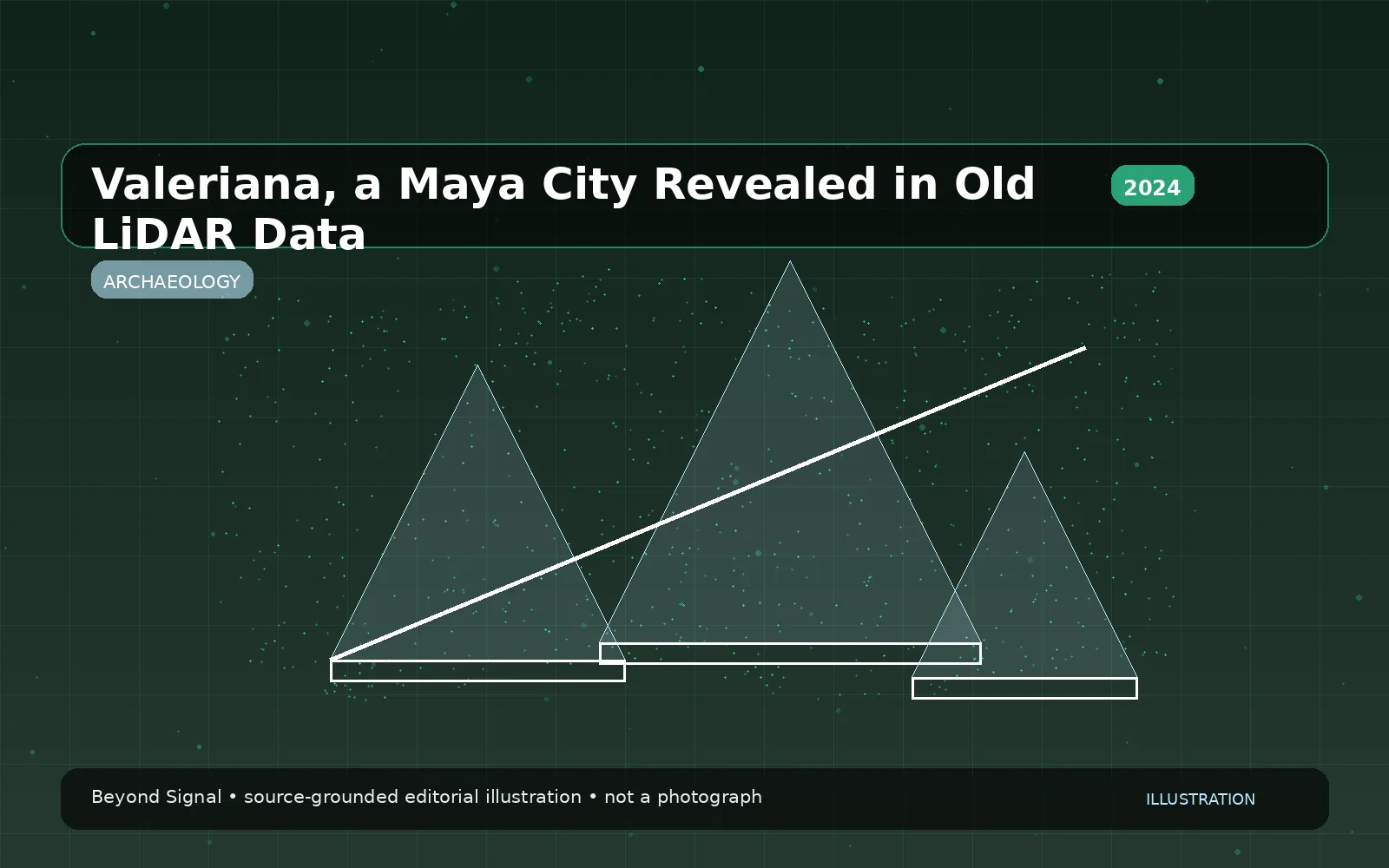 Illustration🏺 Archaeology
Valeriana, a Maya City Revealed in Old LiDAR Data
Archaeologists reanalysed airborne LiDAR collected for an environmental survey and identified a dense Maya urban landscape in eastern Campeche, including the newly named centre Valeriana. Across 122 square kilometres, the data revealed 6,479 structures, ceremonial complexes, plazas, reservoirs, causeways, and residential zones.
Read more →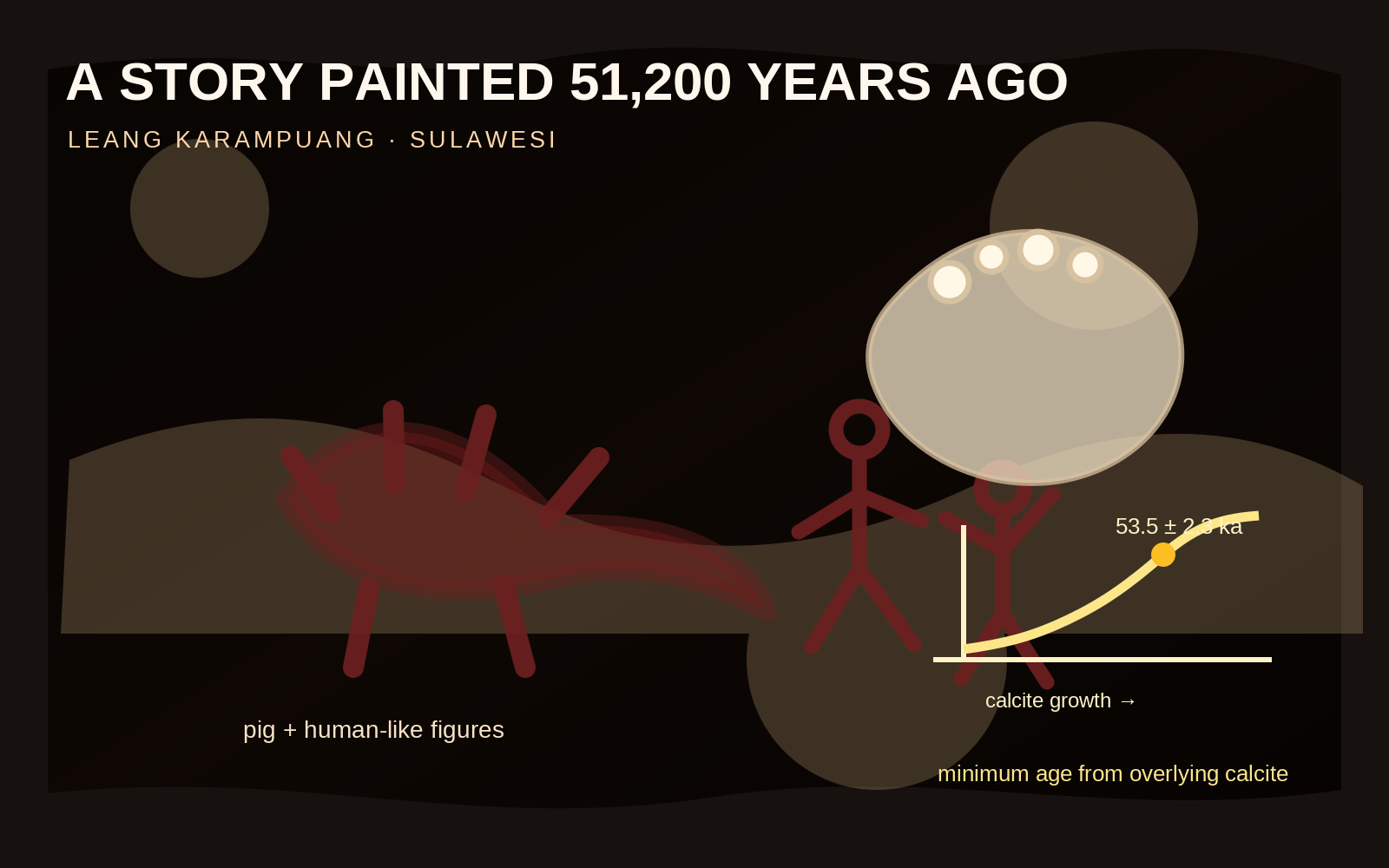 Illustration🏺 Archaeology
The 51,200-Year-Old Sulawesi Narrative Cave Art
Laser-ablation uranium-series dating showed that a scene of human-like figures interacting with a pig at Leang Karampuang was painted at least 51,200 years ago, then the oldest securely dated surviving narrative and representational art.
Read more →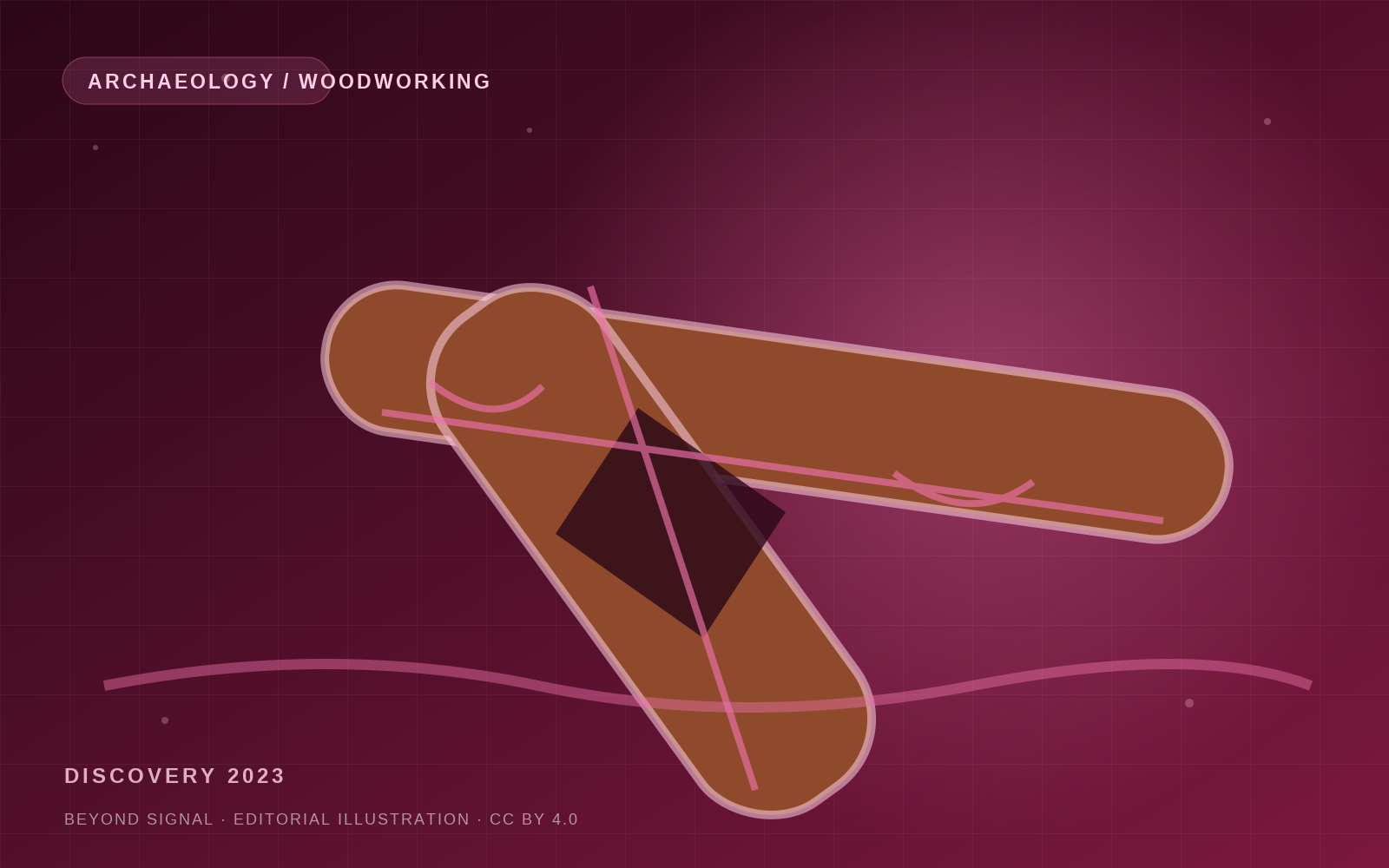 Illustration🏺 Archaeology
The 476,000-Year-Old Wooden Structure at Kalambo Falls
Two shaped logs from Zambia were dated to at least 476,000 years ago, preserving the earliest known structural use of wood by hominins.
Read more → Illustration🏺 Archaeology
Oldowan Tools at Nyayanga Butchered Hippos
At Nyayanga in Kenya, researchers documented roughly 2.9-million-year-old Oldowan tools together with animal bones bearing evidence of butchery, including hippopotamid remains.
Read more → Illustration🏺 Archaeology
Modern Humans at Grotte Mandrin 54,000 Years Ago
Teeth, stratigraphy, and stone-tool layers at Grotte Mandrin indicate a short Homo sapiens presence in southeastern France about 54,000 years ago, followed by renewed Neanderthal occupation.
Read more →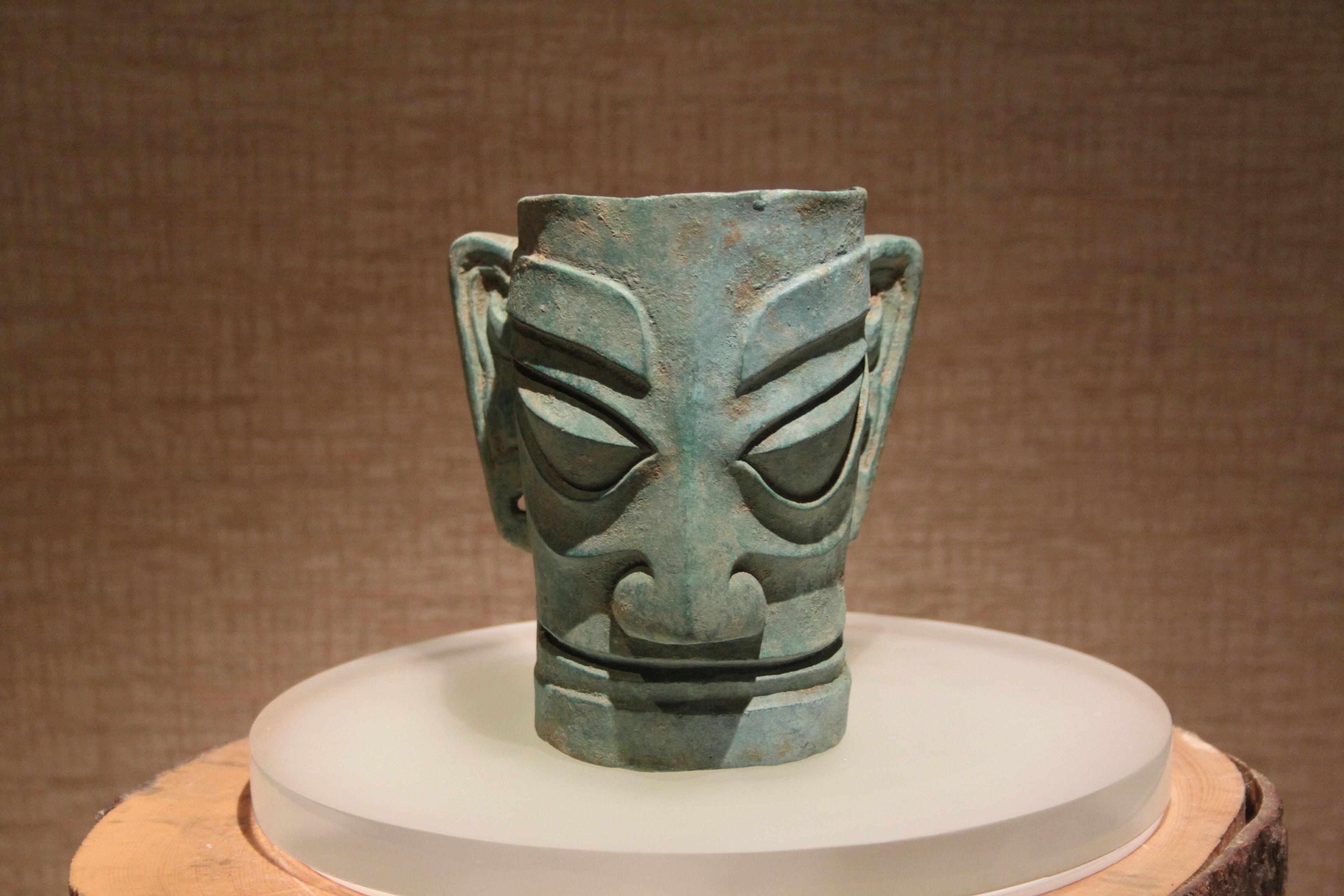 🏺 Archaeology
New Sanxingdui Sacrificial Pits
Six newly opened pits yielded thousands of artifacts — gold masks, bronze trees, and ivory — from the mysterious 3,000-year-old Shu kingdom.
Read more →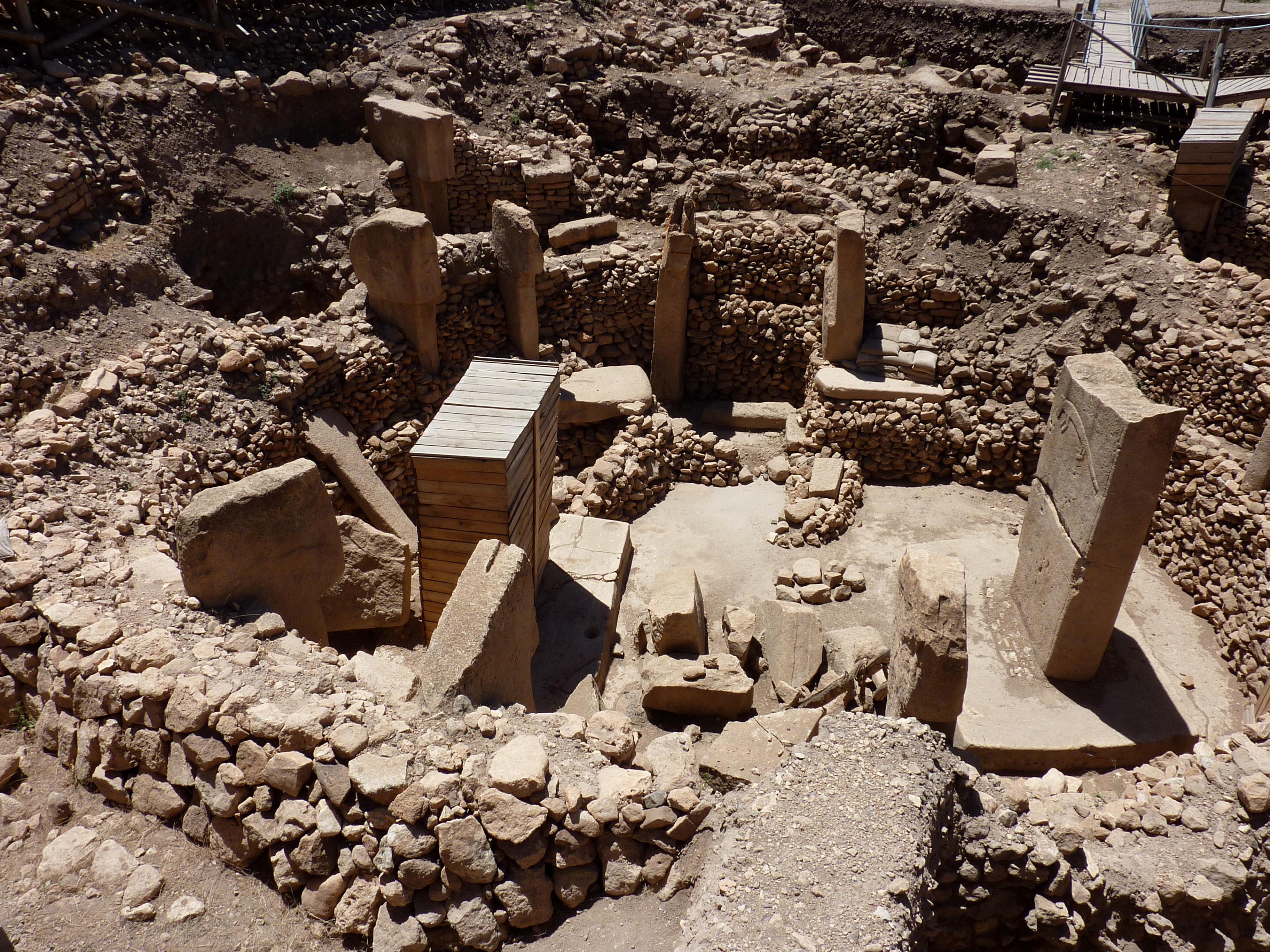 🏺 Archaeology
Göbekli Tepe, the First Temple
Massive carved stone pillars built ~11,000 years ago — monumental architecture from hunter-gatherers, predating Stonehenge by six millennia.
Read more →Major discoveries by year
- Yunxian's 1.77-Million-Year-Old Homo Erectus Crania
2026 · Human origins
- 773,000-Year-Old Hominins from Casablanca
2026 · Human origins
- Early Homo and an Unnamed Australopithecus at Ledi-Geraru
2025 · Human origins
- The Tomb of Pharaoh Thutmose II Identified
2025 · Tomb discoveries
- Valeriana, a Maya City Revealed in Old LiDAR Data
2024 · Lost cities
- The 51,200-Year-Old Sulawesi Narrative Cave Art
2024 · Artifacts
- The 476,000-Year-Old Wooden Structure at Kalambo Falls
2023 · Artifacts
- Oldowan Tools at Nyayanga Butchered Hippos
2023 · Artifacts
Related scientific terms
Frequently asked questions
How are archaeological discoveries dated?
Methods include stratigraphy, radiocarbon dating, ceramic sequences, tree rings, and comparisons with securely dated sites.
Why does excavation change a site?
Excavation removes layers permanently, so recording and preservation are essential parts of the scientific process.
Can remote sensing prove what is underground?
It can identify patterns consistent with buried structures, but excavation or other evidence is usually needed to confirm their identity and age.