Biology
New species, genetics, human evolution, and the microbial life that shapes every ecosystem.
Field guide
Understanding biology
Biology discoveries reveal how living systems are built, inherited, adapted, and changed. They range from a species previously missed by taxonomy to a molecular mechanism that explains how cells copy information. The catalogue connects these scales rather than treating them as separate stories: an organism's form reflects its environment, while its genes and chemistry provide the mechanisms that make that form possible.
Good biological discovery depends on comparison. Researchers distinguish a new species from a variable population, a new gene function from a correlation, and a laboratory result from what occurs in nature. Specimens, sequence data, controlled experiments, and ecological observations each provide different kinds of evidence. The pages in this section make those methods visible alongside the result.
Life is easier to find than to define
A photograph may reveal an organism, but classification requires stable features and a relationship to known life. Molecular tools have widened the search while also showing how much diversity is hidden in apparently familiar environments.
From molecules to ecosystems
The same principles of selection, information transfer, and energy use appear at multiple levels. A catalytic RNA, an unusual animal, and a microbial community can all illuminate different parts of the history and organisation of life.
Biology guides & articles
All guides →Explore by subtopic
19 discoveries
 Illustration🧬 Biology
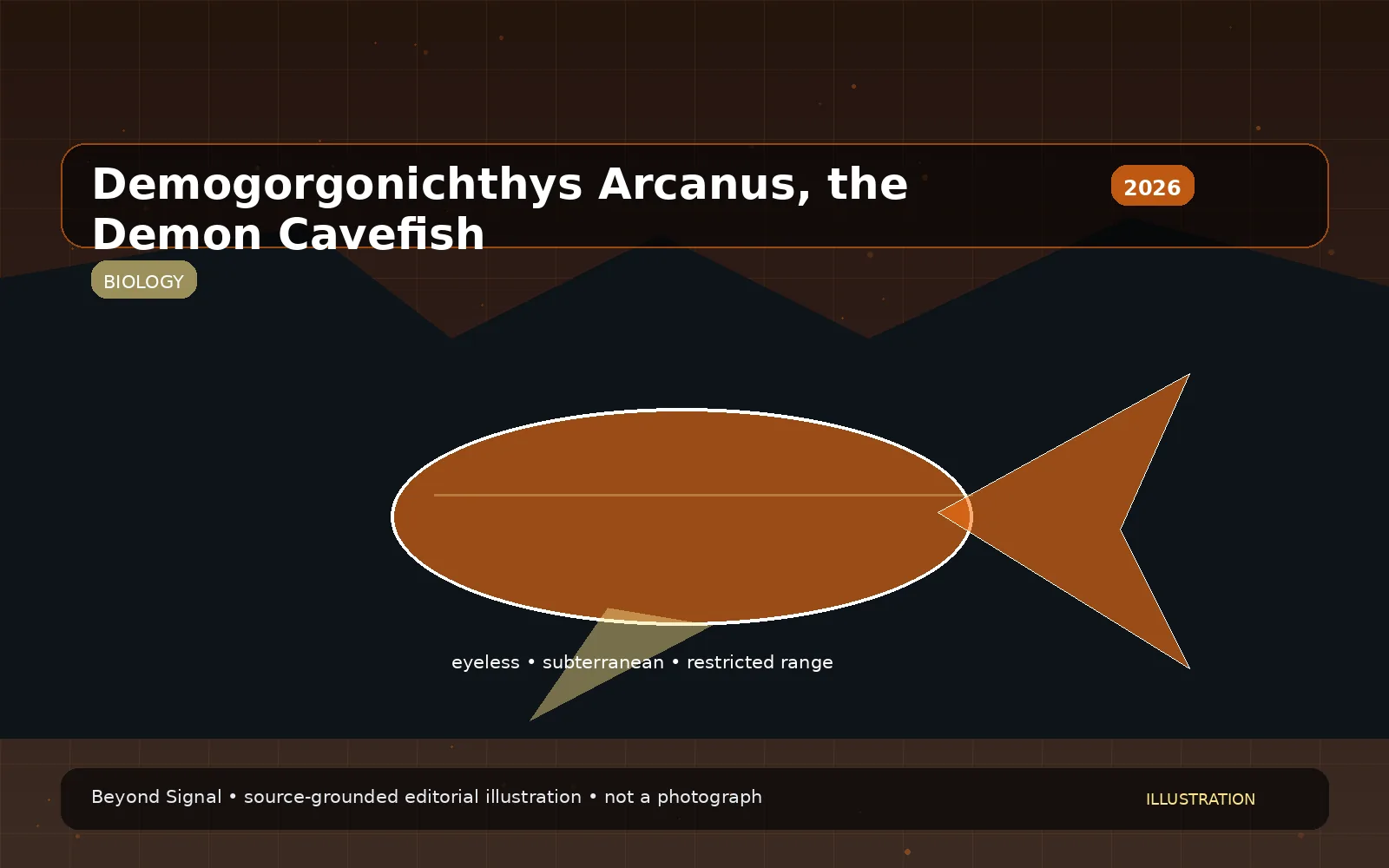
Demogorgonichthys Arcanus, the Demon Cavefish
Researchers described Demogorgonichthys arcanus, a new cavefish from the Redstone Arsenal karst near Huntsville. The pale subterranean predator differs from the Southern cavefish in head shape and fin-ray anatomy, and its coexistence with another predatory cavefish makes the small groundwater habitat ecologically unusual.
Read more →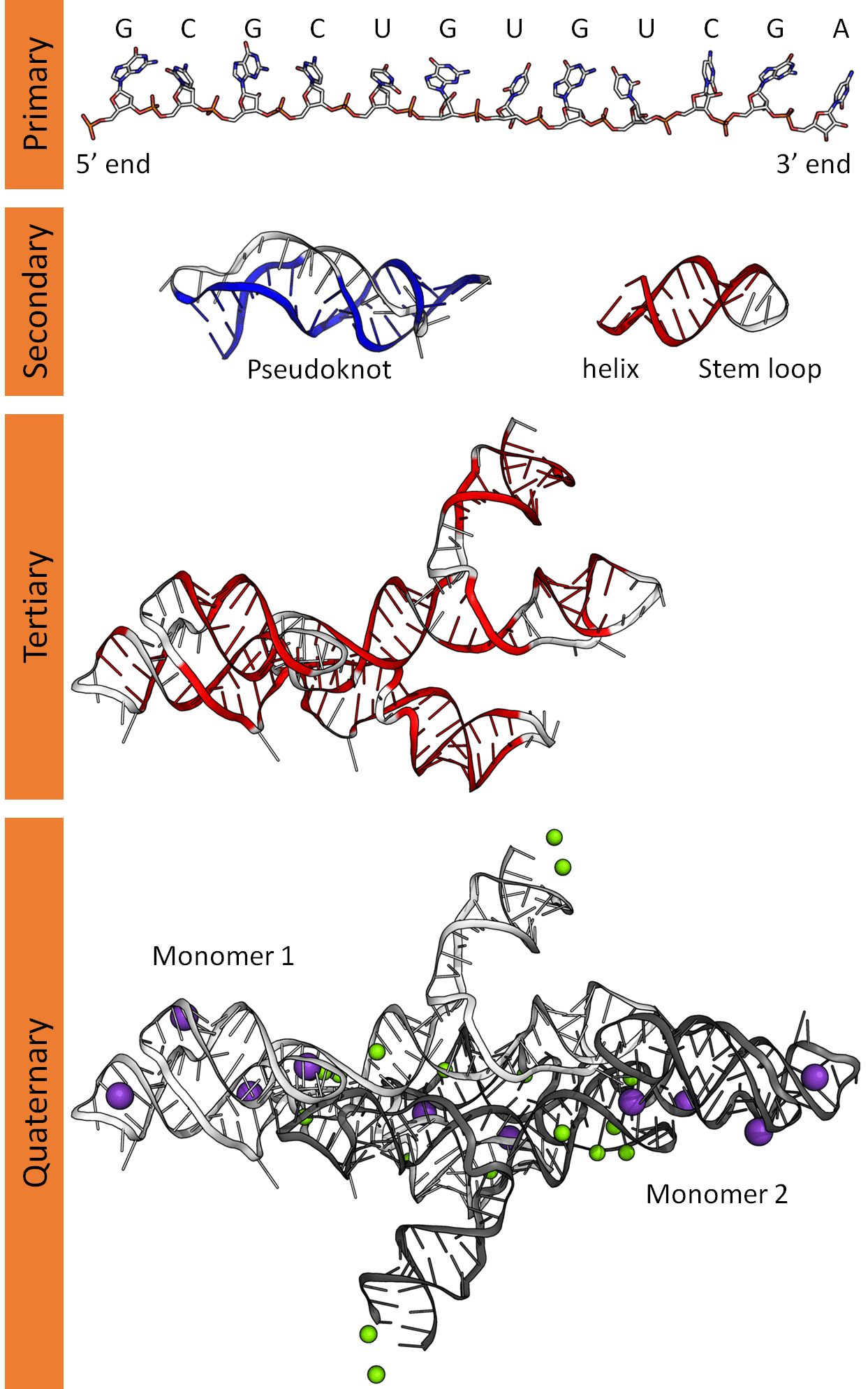 🧬 Biology
A Tiny RNA Enzyme That Can Copy Itself
A compact 45-nucleotide catalytic RNA synthesized both its complementary strand and a copy of itself, strengthening a central prediction of the RNA-world hypothesis.
Read more →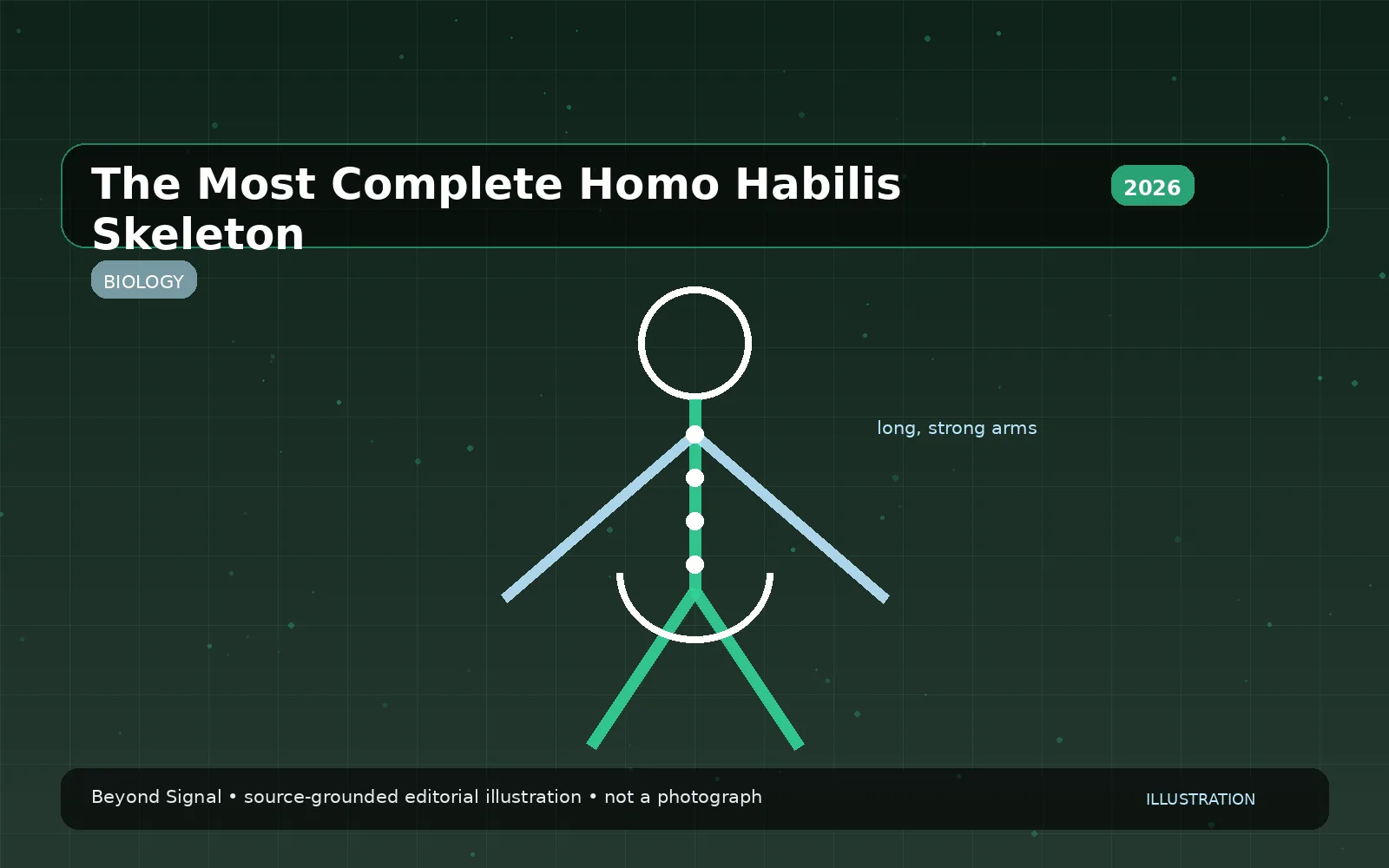 Illustration🧬 Biology
The Most Complete Homo Habilis Skeleton
KNM-ER 64061, a partial skeleton dated to about 2.02–2.06 million years ago, was described as the most complete Homo habilis skeleton yet recognized. Its associated teeth, shoulder, arm, spine, pelvis, and leg fragments reveal a small-bodied early human with long, powerful arms and a mosaic of primitive and derived traits.
Read more →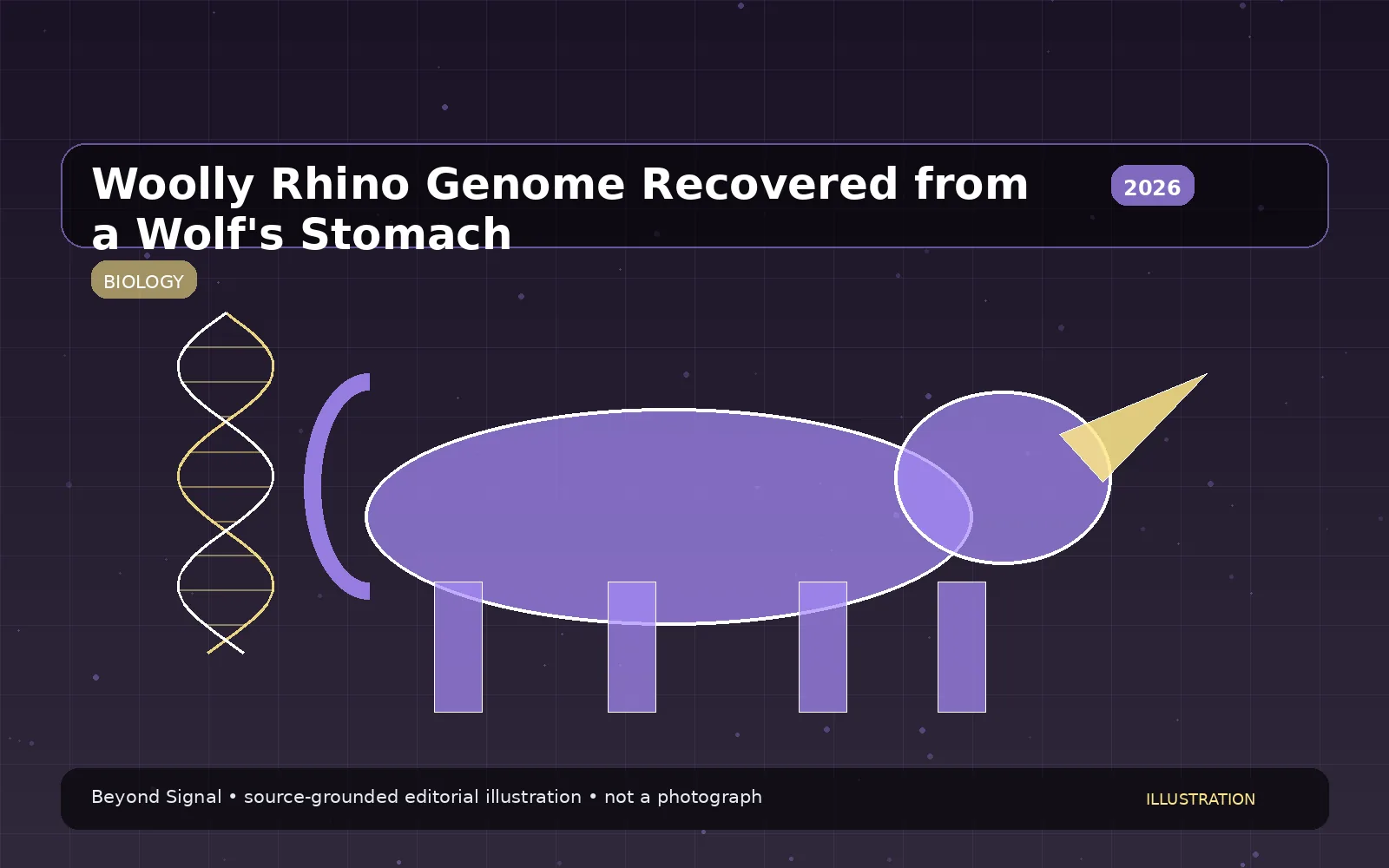 Illustration🧬 Biology
Woolly Rhino Genome Recovered from a Wolf's Stomach
Scientists reconstructed a high-quality woolly rhinoceros genome from undigested meat preserved in the stomach of a roughly 14,400-year-old wolf pup. Comparisons with older rhino genomes found no prolonged loss of diversity or rising inbreeding before extinction, supporting a comparatively rapid population collapse.
Read more →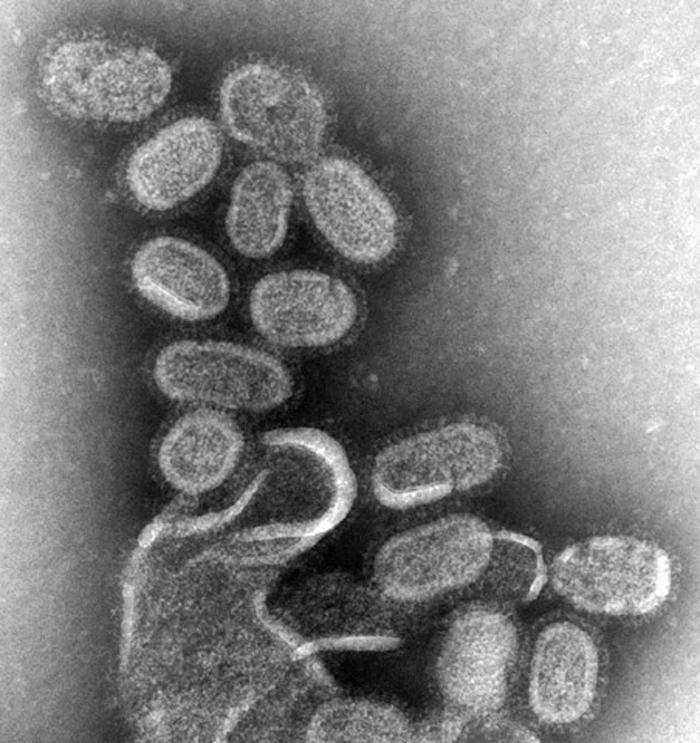 🧬 Biology
Watching Influenza Enter a Living Cell
A new combined microscopy method let scientists watch influenza viruses invade living cells in real time, revealing that cells actively help capture the virus.
Read more →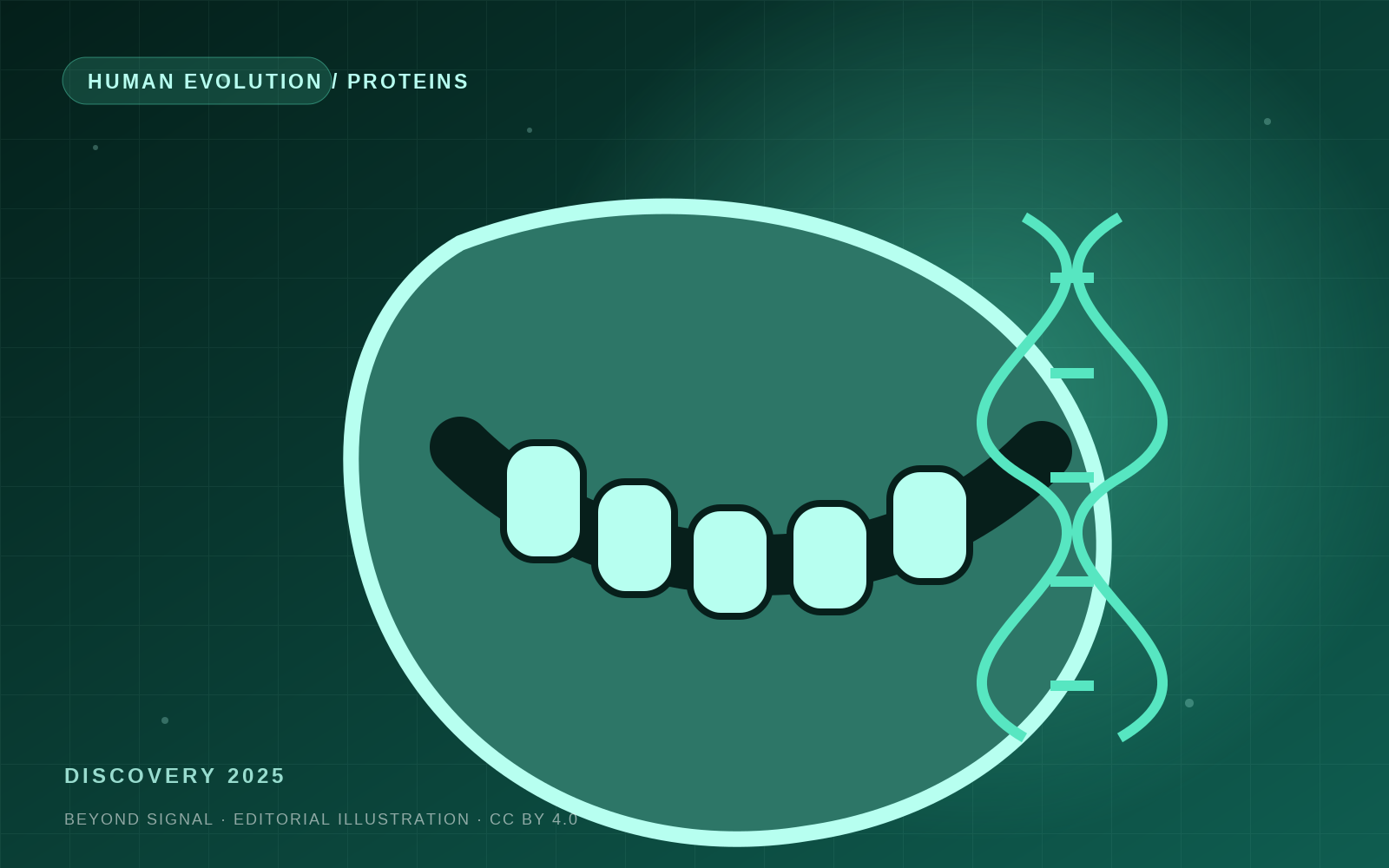 Illustration🧬 Biology
The Penghu Jaw Is Identified as Denisovan
Ancient proteins extracted from the robust Penghu 1 jaw identified it as the remains of a male Denisovan, extending direct evidence of the group into subtropical Taiwan.
Read more →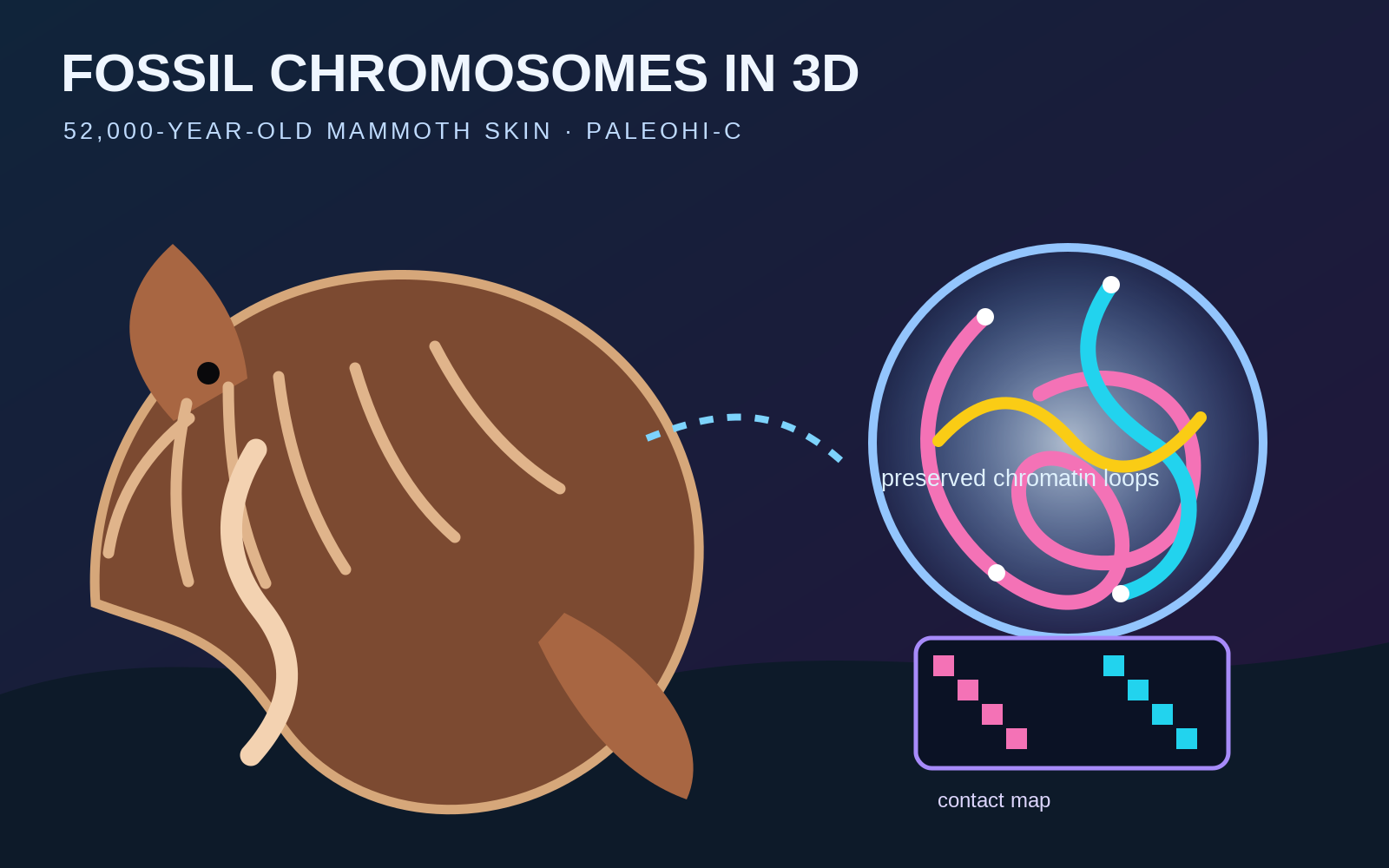 Illustration🧬 Biology
Three-Dimensional Chromosomes Preserved in Mammoth Skin
A 52,000-year-old woolly mammoth skin sample retained chromosome-scale contacts, allowing researchers to reconstruct 28 chromosomes and features of the genome's three-dimensional organization in an extinct animal.
Read more → Illustration🧬 Biology
A New Sex-Determination Mechanism in an African Butterfly
Work in Bicyclus anynana showed that combinations of variants of the Z-linked Masculinizer gene determine sex, revealing a sex-determination mechanism not previously described in butterflies.
Read more →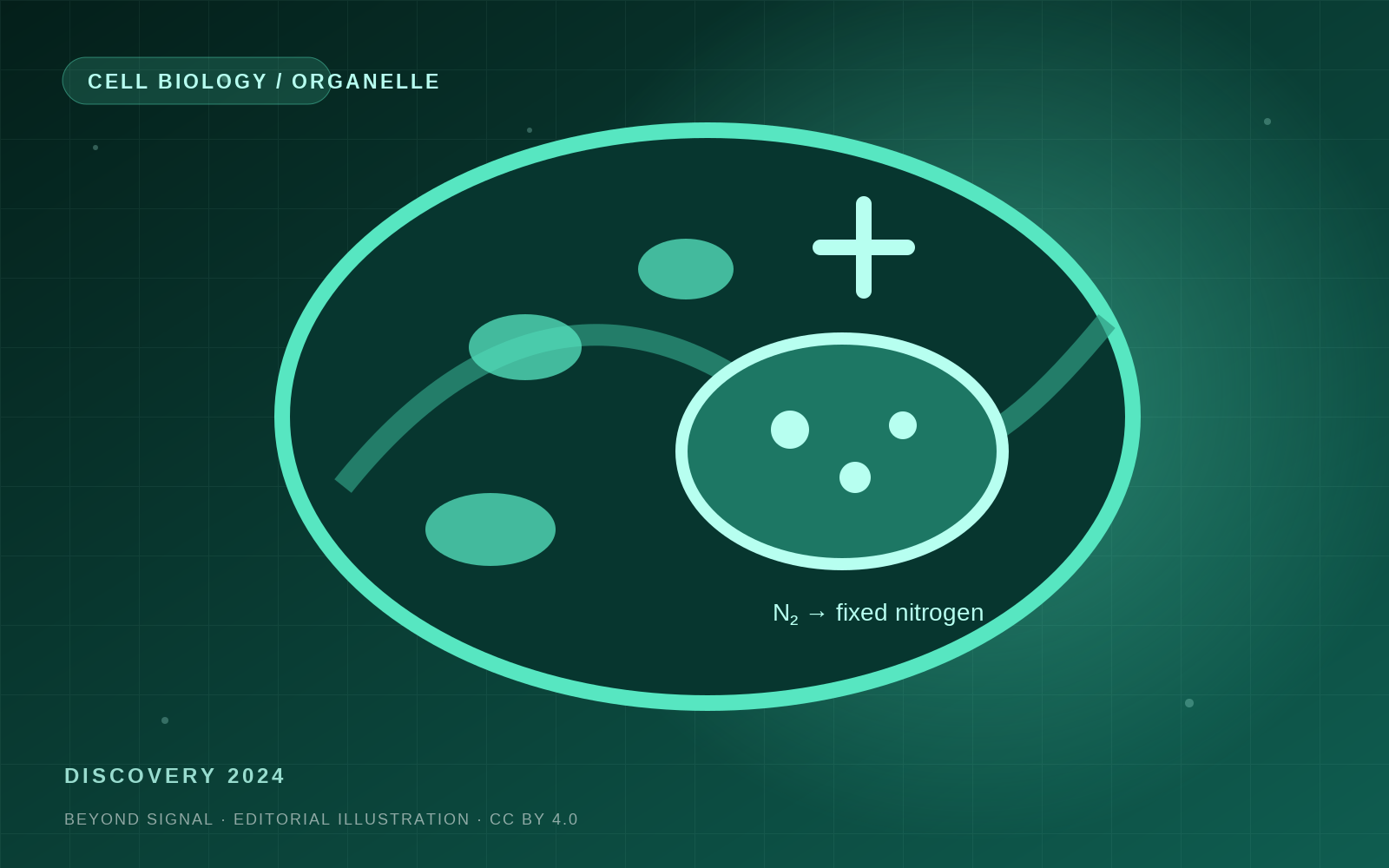 Illustration🧬 Biology
The Nitroplast, a Nitrogen-Fixing Organelle
Researchers showed that a cyanobacterial partner inside a marine alga is integrated deeply enough to function as a true nitrogen-fixing organelle, named the nitroplast.
Read more →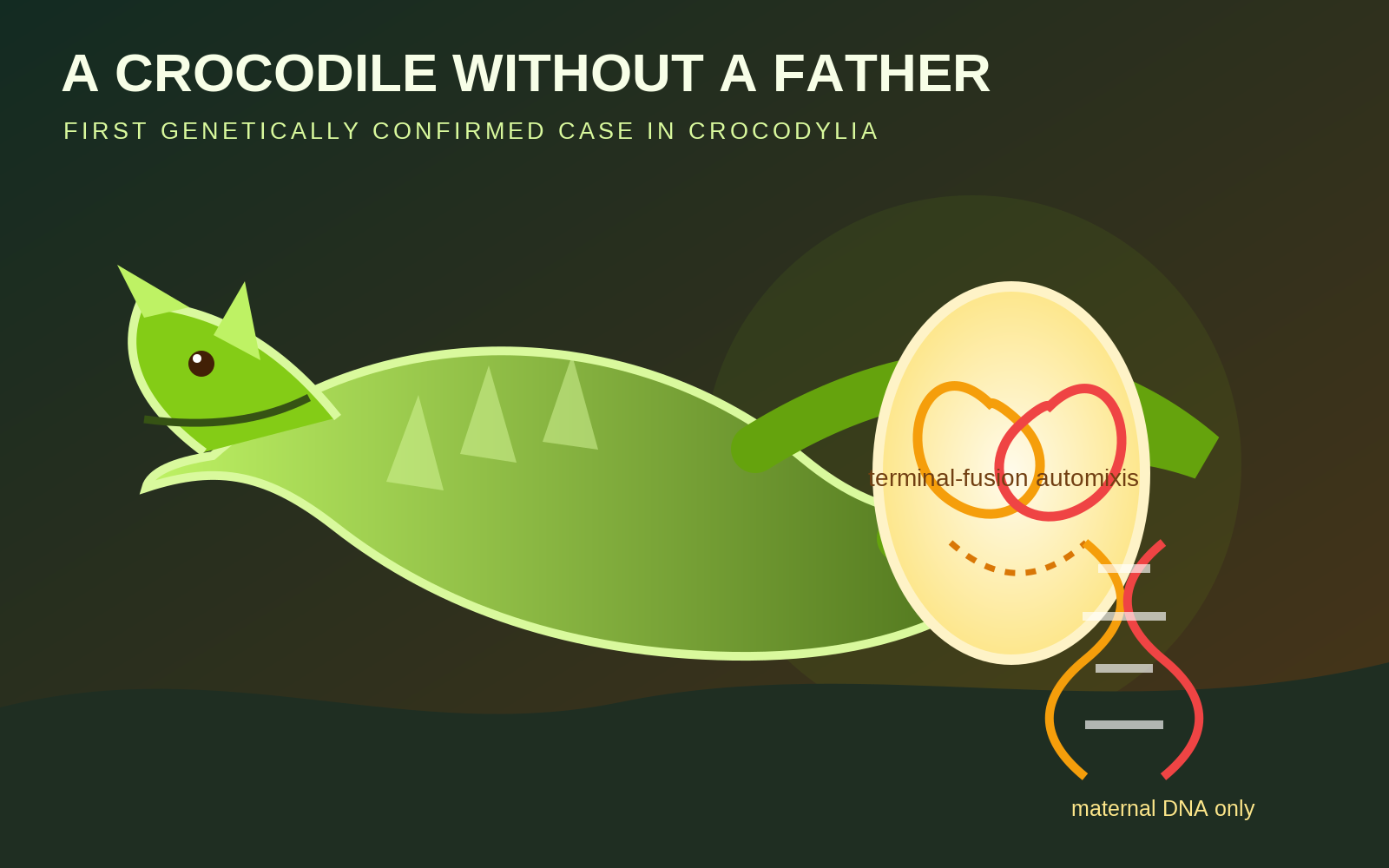 Illustration🧬 Biology
Crocodile Facultative Parthenogenesis Confirmed
Genetic analysis of a fully formed fetus from an egg laid by an isolated American crocodile documented facultative parthenogenesis in crocodilians for the first time.
Read more →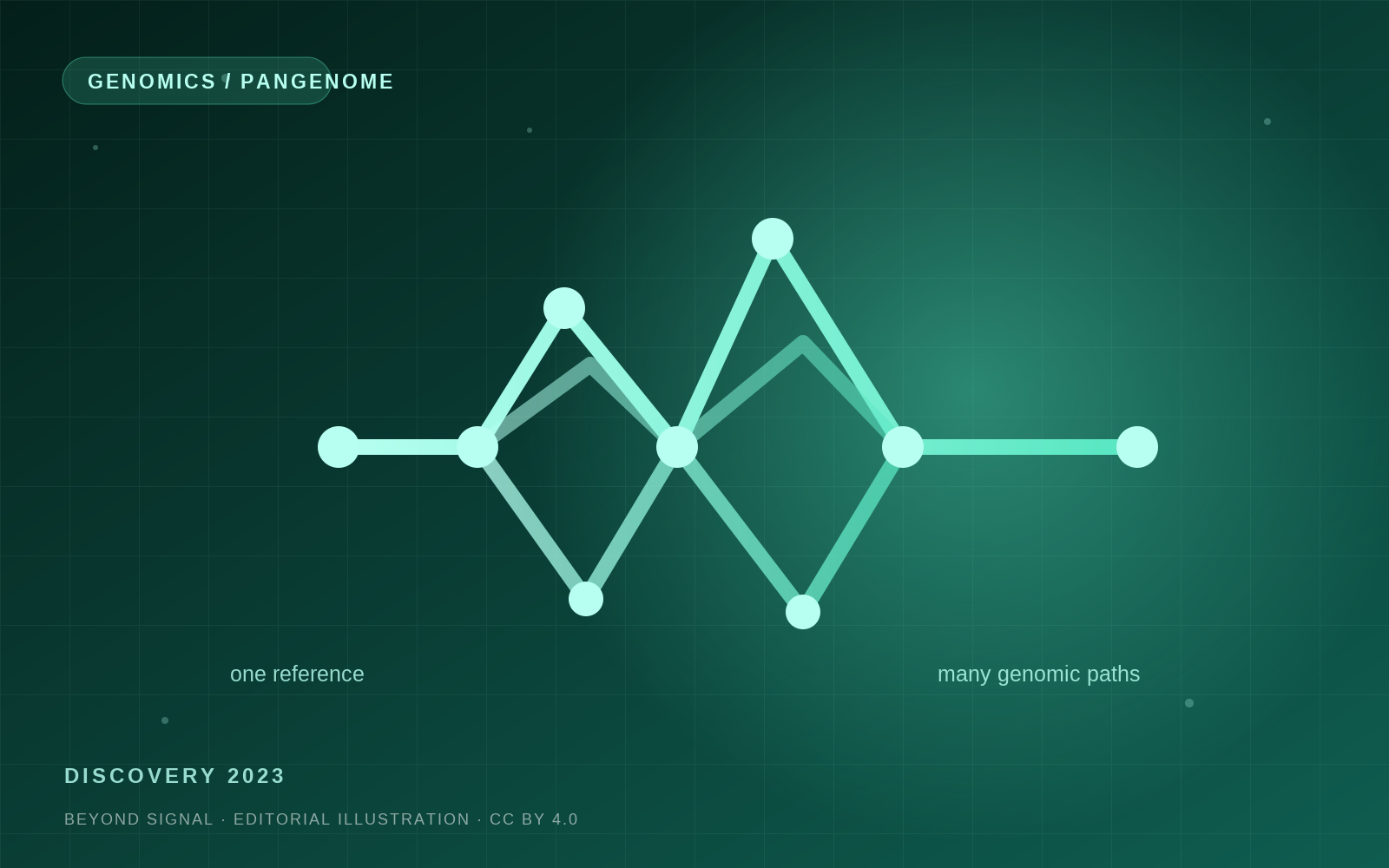 Illustration🧬 Biology
A More Diverse Human Pangenome Reference
Researchers released a draft human pangenome built from 47 genetically diverse people, replacing a single linear reference with multiple possible genomic paths.
Read more → Illustration🧬 Biology
The Anteromedial Thalamus Gates Long-Term Memory in Mice
Longitudinal recordings and targeted perturbations in mice identified the anteromedial thalamus as a circuit node that helps select and stabilize salient memories for long-term cortical storage.
Read more →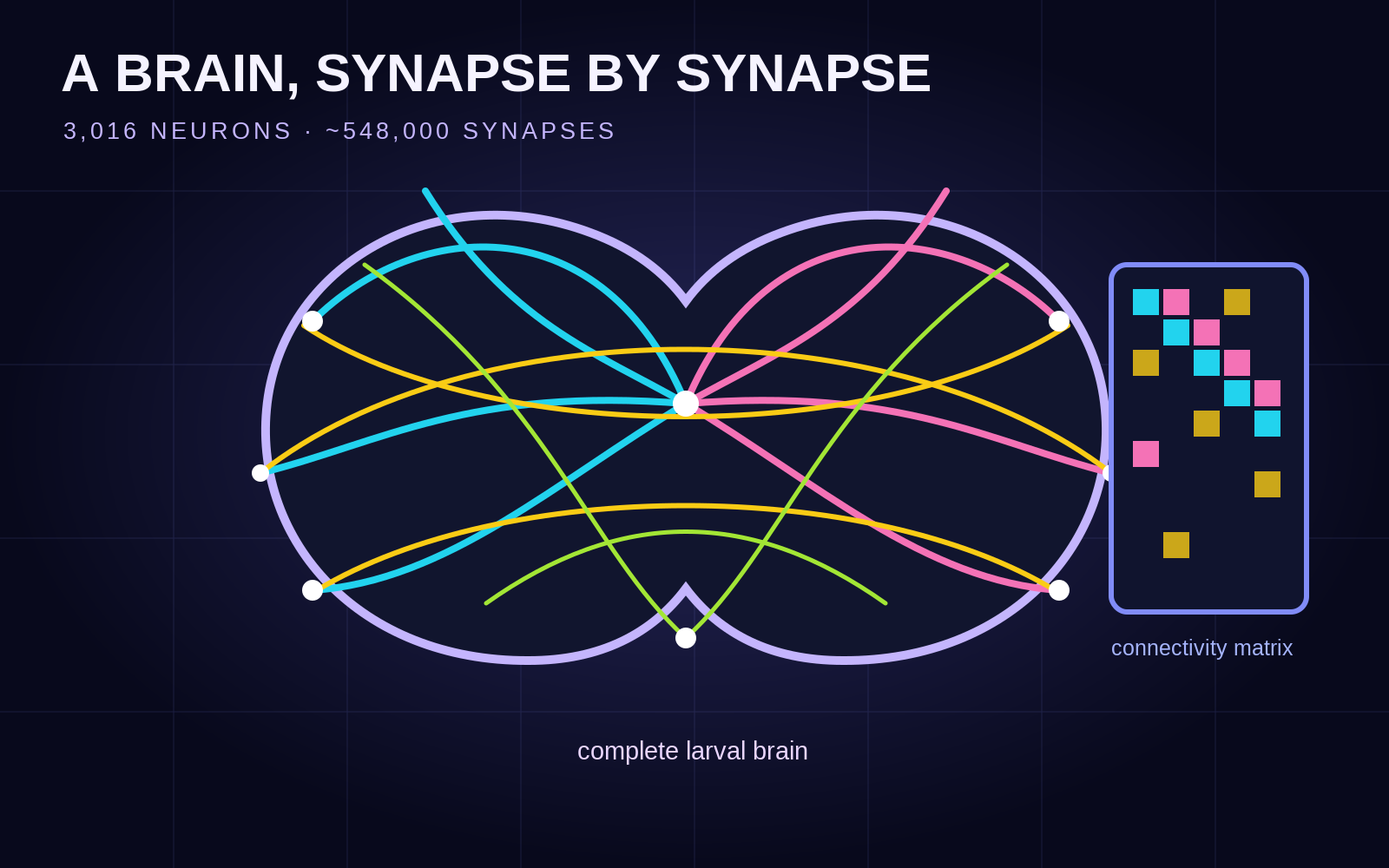 Illustration🧬 Biology
The First Complete Connectome of an Insect Brain
Researchers reconstructed all 3,016 neurons and roughly 548,000 synapses in a fruit-fly larva's brain, producing the first complete synaptic-resolution wiring map of an insect brain capable of complex behavior.
Read more →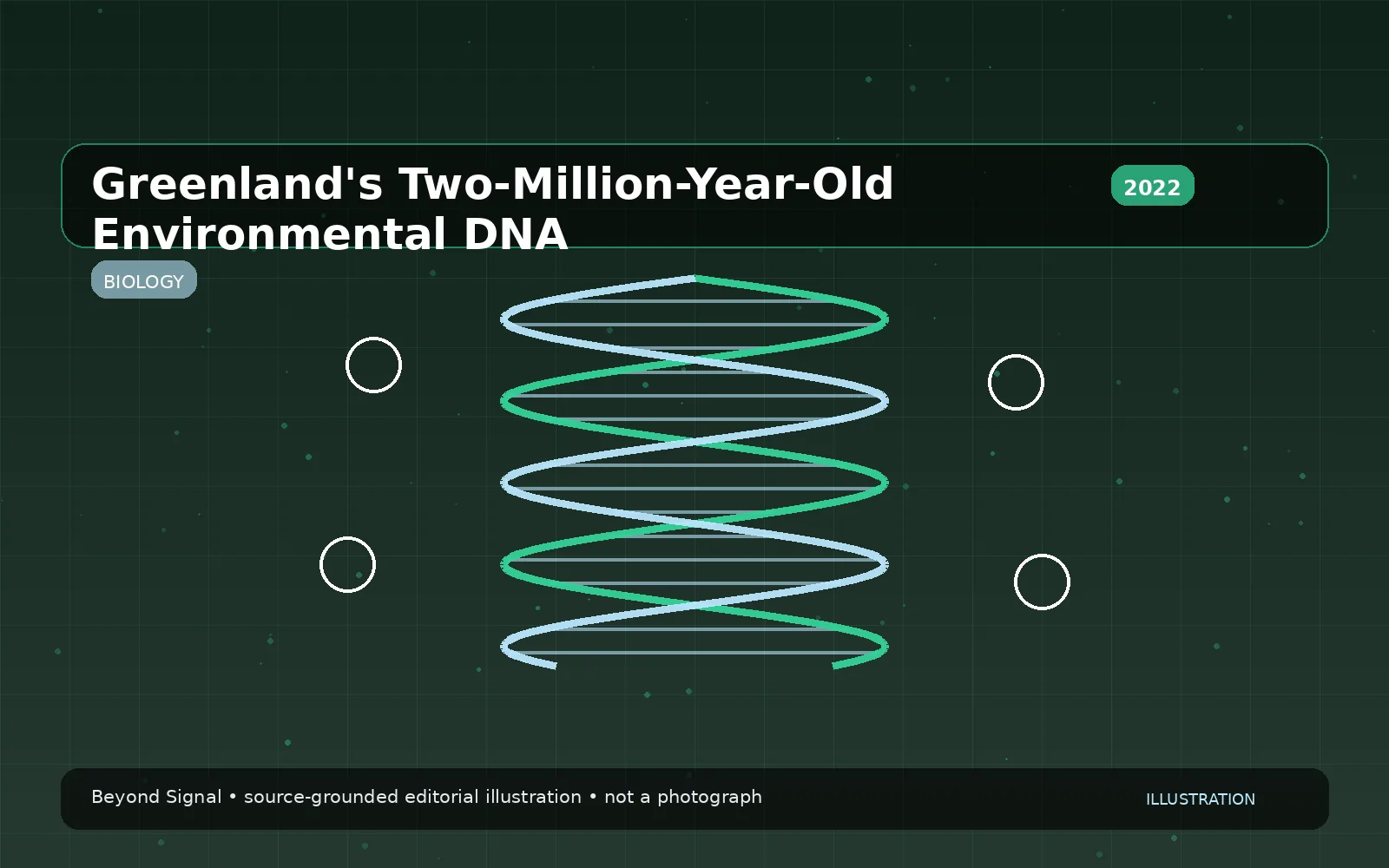 Illustration🧬 Biology
Greenland's Two-Million-Year-Old Environmental DNA
Environmental DNA recovered from mineral-rich sediments at Greenland's Kap København Formation reconstructed a roughly two-million-year-old ecosystem containing mastodons, reindeer, hares, geese, plants, and marine organisms. The fragmented DNA extended the known survival limit of ancient genetic material by about one million years.
Read more →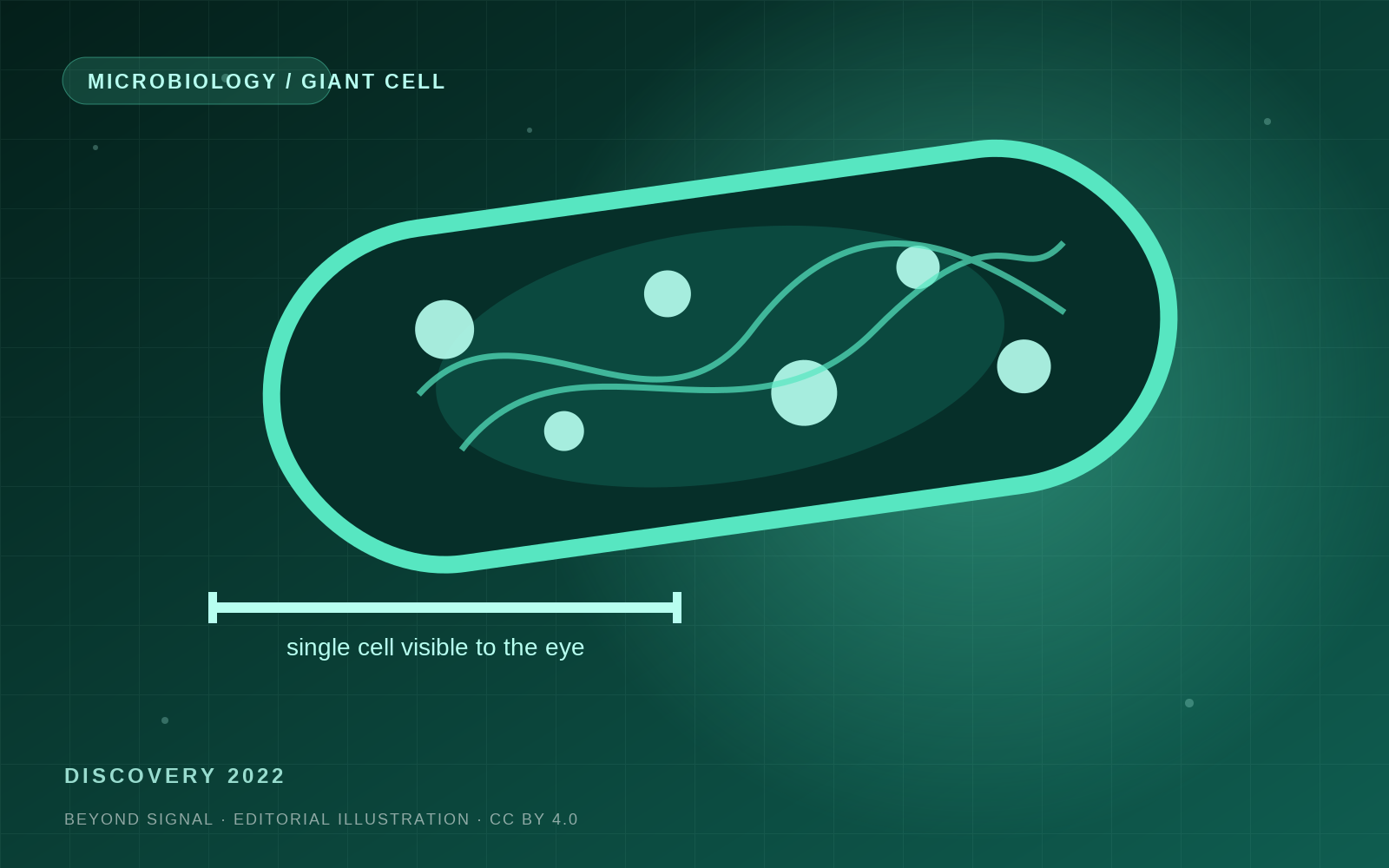 Illustration🧬 Biology
Thiomargarita Magnifica, the Giant Bacterium
A filament-shaped bacterium from Caribbean mangroves was shown to grow up to about two centimetres long, making a single bacterial cell visible to the unaided eye.
Read more →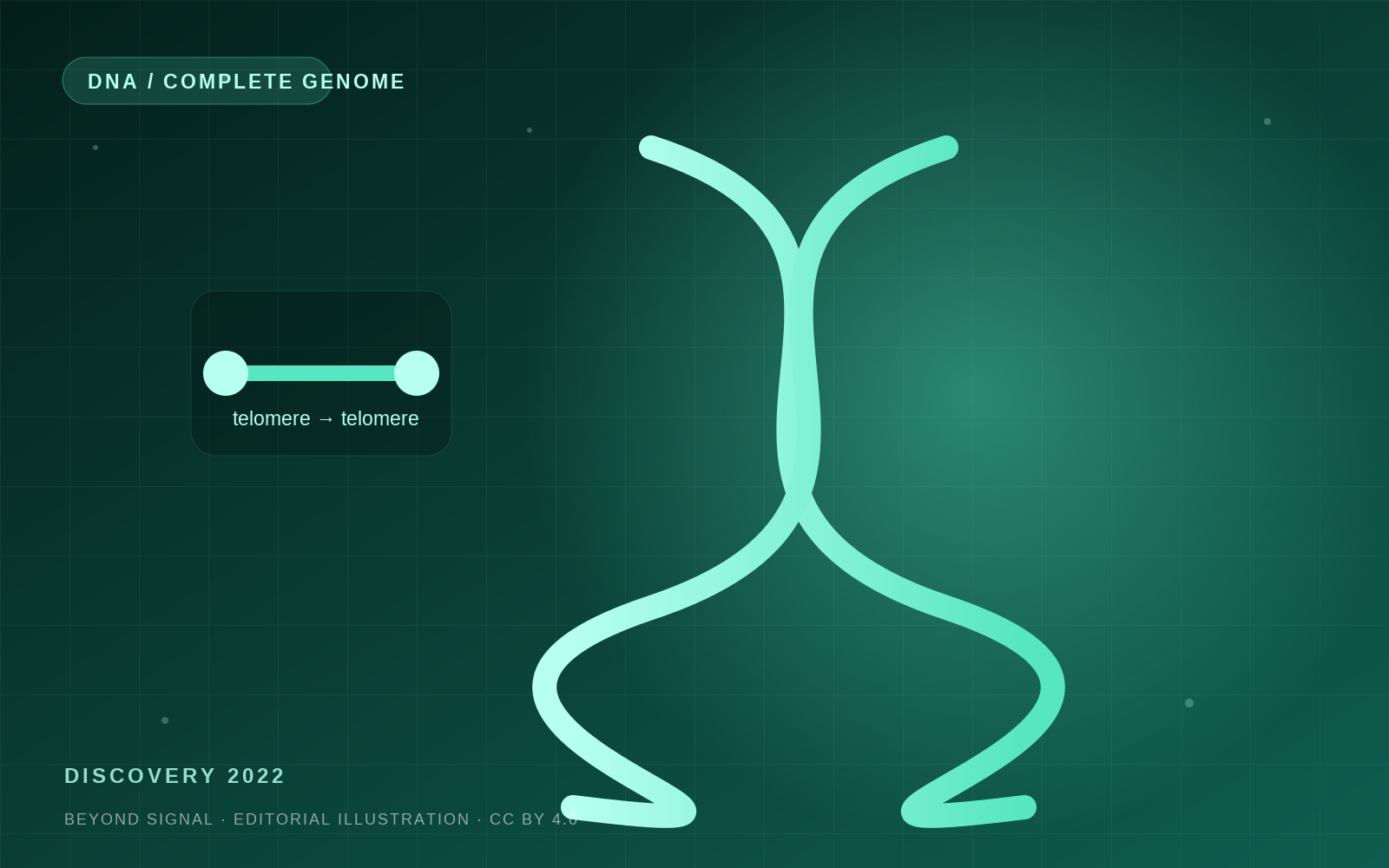 Illustration🧬 Biology
The First Gapless Human Genome Sequence
The Telomere-to-Telomere Consortium filled the remaining gaps in the human reference genome, adding nearly 200 million DNA letters and complete views of centromeres, segmental duplications, and chromosome ends.
Read more →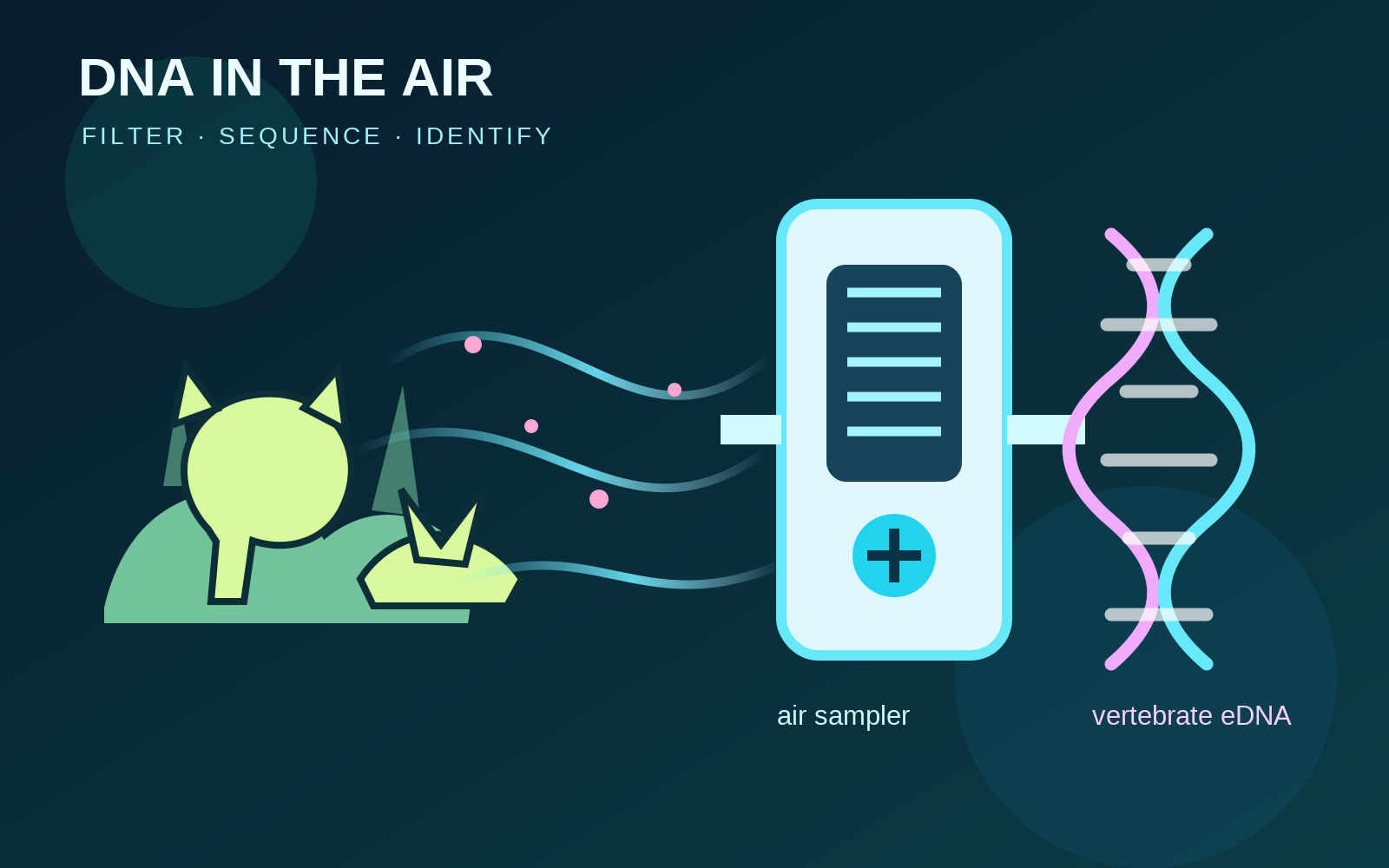 Illustration🧬 Biology
Airborne eDNA Reveals Terrestrial Vertebrates
Two independent zoo studies showed that vertebrate DNA can be collected directly from air and matched to nearby species, establishing airborne eDNA as a practical new route for surveying terrestrial biodiversity.
Read more →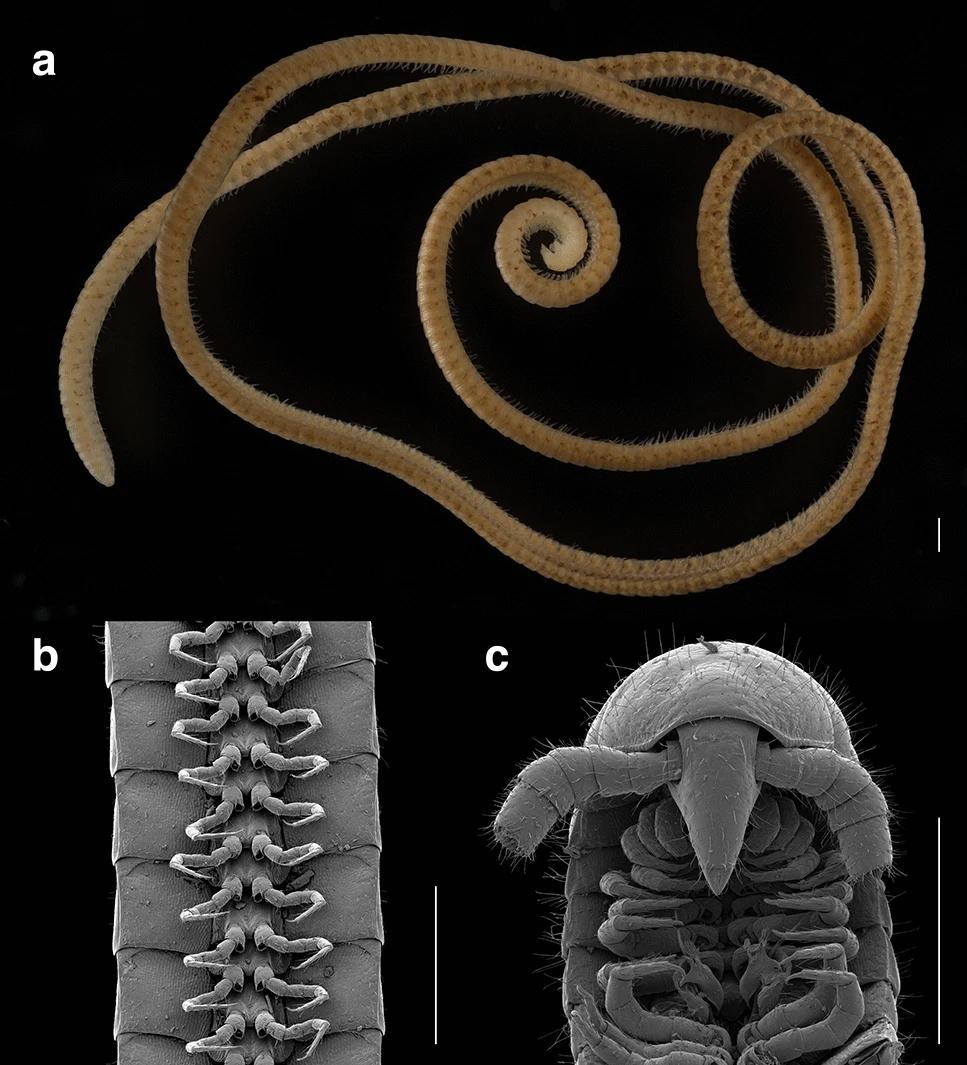 🧬 Biology
The First True Millipede (1,306 Legs)
A pale, eyeless arthropod with up to 1,306 legs — the first millipede ever found that literally has more than a thousand.
Read more →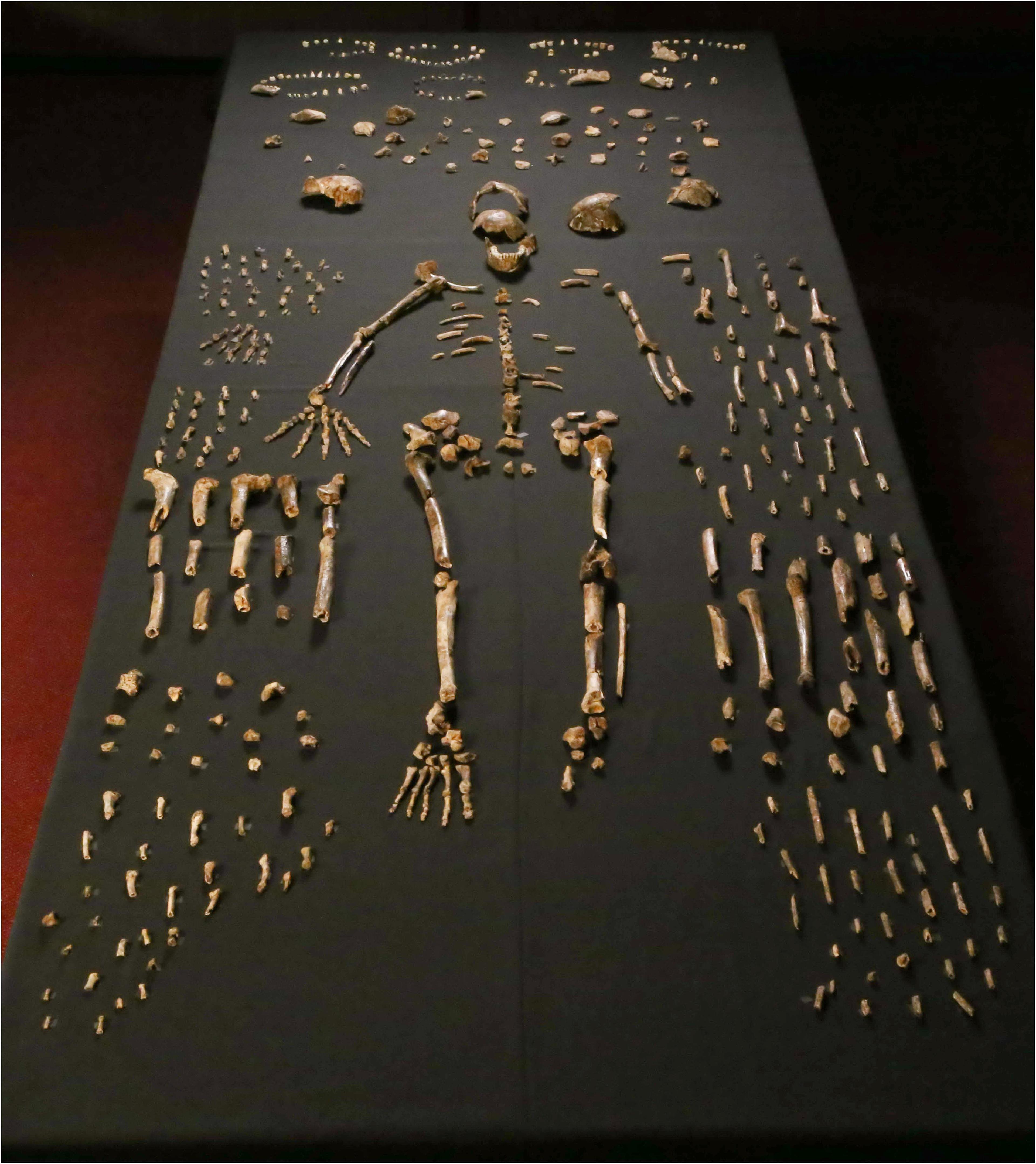 🧬 Biology
Homo naledi, a New Human Relative
More than 1,500 fossil pieces from a deep cave chamber revealed a small-brained human relative with a surprising mix of ancient and modern traits.
Read more →Major discoveries by year
- Demogorgonichthys Arcanus, the Demon Cavefish
2026 · New species
- A Tiny RNA Enzyme That Can Copy Itself
2026 · Origins of life
- The Most Complete Homo Habilis Skeleton
2026 · Human evolution
- Woolly Rhino Genome Recovered from a Wolf's Stomach
2026 · Genetics
- Watching Influenza Enter a Living Cell
2025 · Microbiology
- The Penghu Jaw Is Identified as Denisovan
2025 · Human evolution
- Three-Dimensional Chromosomes Preserved in Mammoth Skin
2024 · Genetics
- A New Sex-Determination Mechanism in an African Butterfly
2024 · Genetics
Related scientific terms
Frequently asked questions
How is a new species confirmed?
Scientists compare its anatomy, genetics, behaviour, and ecology with related organisms and document features that consistently distinguish it.
Why is DNA useful in biology discoveries?
DNA can reveal relationships and differences that are difficult to see from appearance alone, especially in small or visually similar organisms.
What is the RNA-world hypothesis?
It is the idea that early life may have relied on RNA for both information storage and chemical catalysis before modern DNA-protein biology evolved.