
Annual archive
Scientific Discoveries in 2025
A year-level index of 28 source-backed scientific discoveries from 2025. Use the monthly archives to follow the sequence of announcements, or open an entry for its location, method, and primary source.
 Illustration🌌 Space
Cassini Gravity Data Reveal Strong Tidal Dissipation in Titan
A reanalysis of Cassini radio tracking measured unexpectedly strong tidal energy loss in Titan and found that the gravity signal is inconsistent with the global subsurface ocean model previously favored for the moon.
Read more →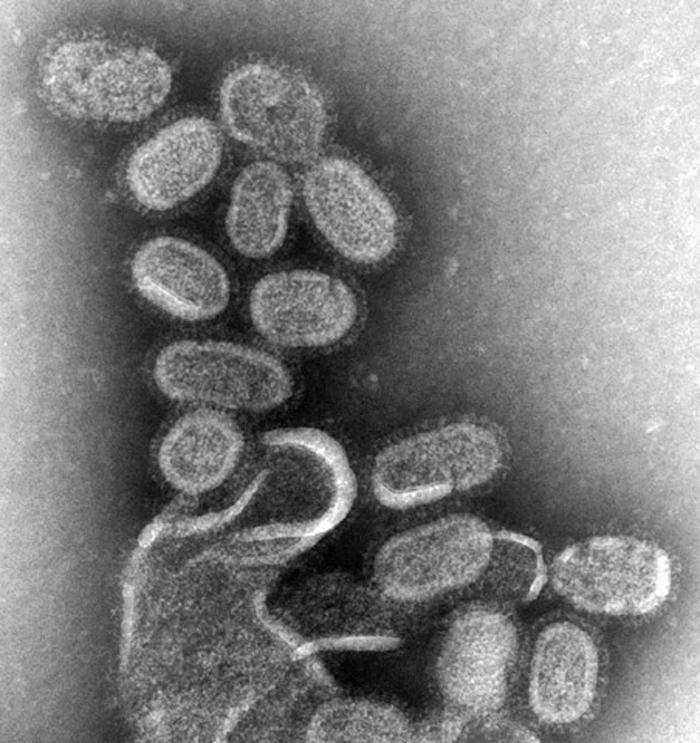 🧬 Biology
Watching Influenza Enter a Living Cell
A new combined microscopy method let scientists watch influenza viruses invade living cells in real time, revealing that cells actively help capture the virus.
Read more → Illustration🦕 Dinosaurs & Fossils
A Jurassic Midge from Gondwana
A 151-million-year-old fossil midge from Australia became the oldest known member of its group in the Southern Hemisphere, challenging assumptions about where these insects evolved.
Read more →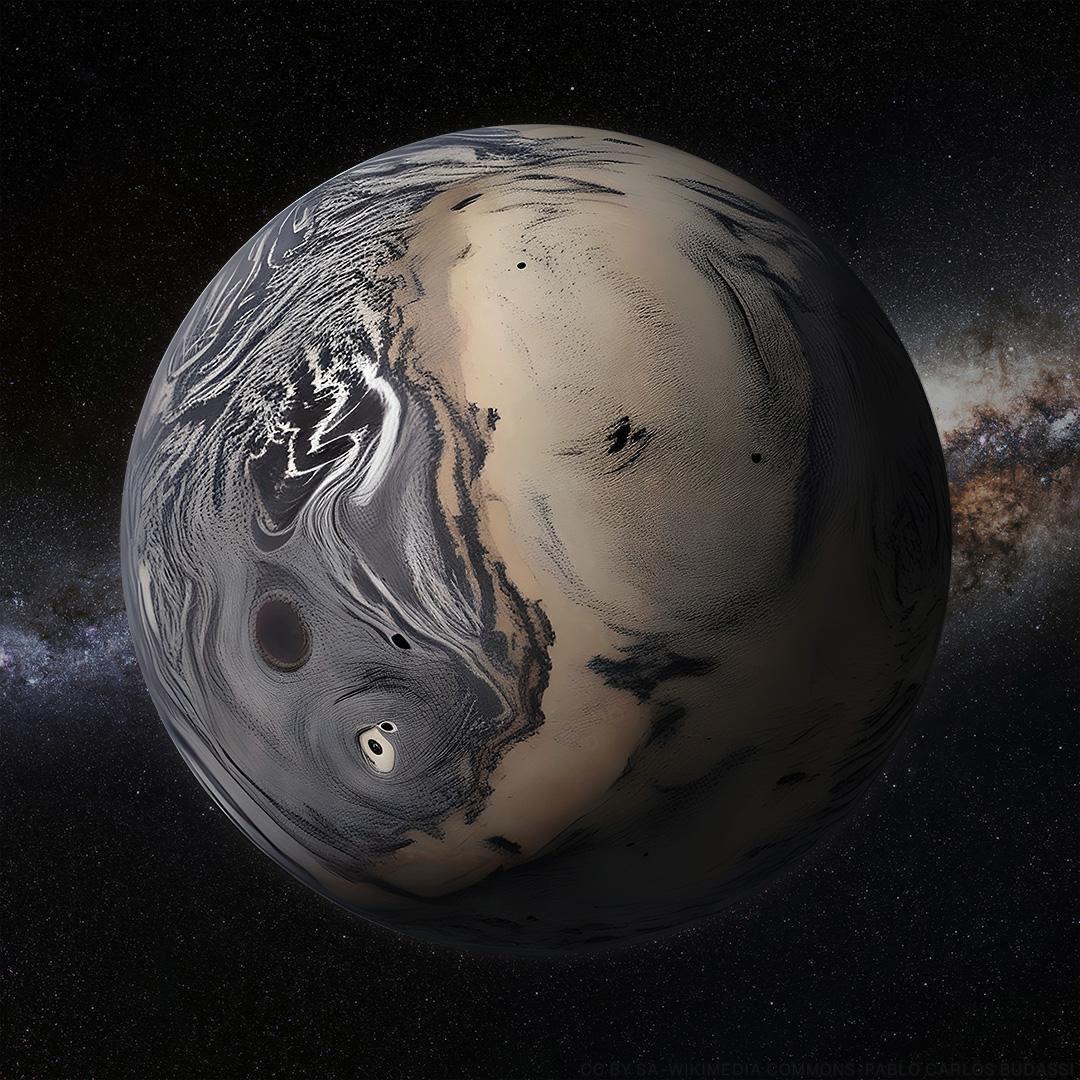 🌌 Space
A Rogue Planet's Record Growth Spurt
Astronomers observed the free-floating planetary-mass object Cha 1107-7626 accreting gas and dust at about six billion tonnes per second — the fastest growth rate recorded for a rogue planet.
Read more →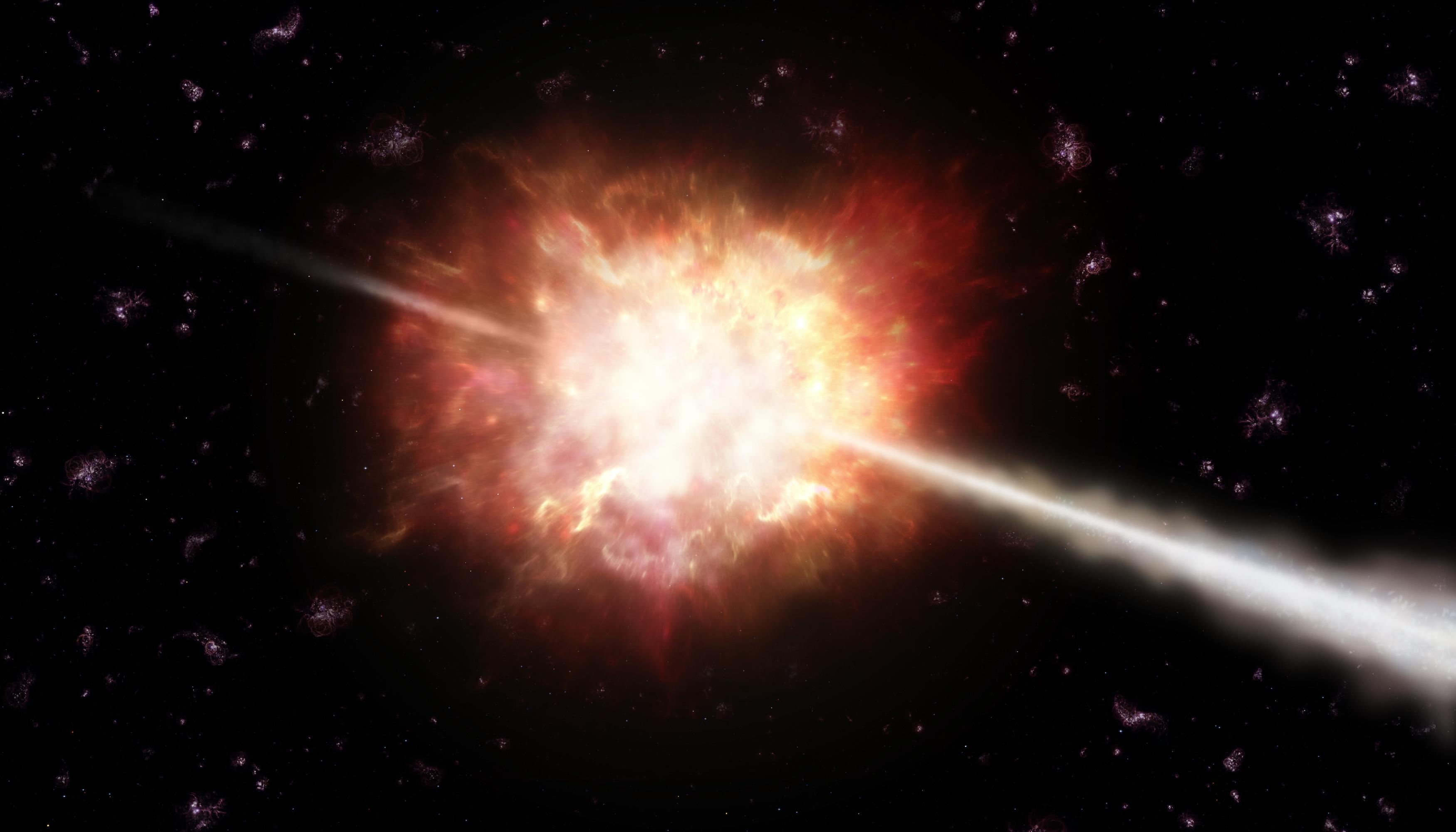 🌌 Space
A Strange Repeating Gamma-Ray Explosion
GRB 250702B produced repeated gamma-ray flashes across a day, an unusually long and unlike-anything-seen-before explosion traced to a source outside the Milky Way.
Read more →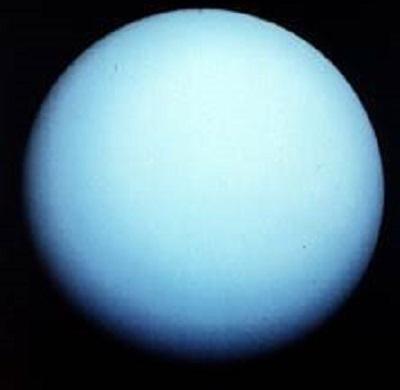 🌌 Space
A New Moon around Uranus
The James Webb Space Telescope found a previously unknown inner moon of Uranus, provisionally designated S/2025 U1 and estimated at roughly 10 km across.
Read more → Illustration🏺 Archaeology
Early Homo and an Unnamed Australopithecus at Ledi-Geraru
Thirteen teeth from Ledi-Geraru date to 2.6–2.8 million years ago and support the coexistence there of early Homo and a previously unrecognized Australopithecus form.
Read more → Illustration🪸 Ocean Discoveries
Chemosynthetic Communities Found Across Hadal Trenches
Crewed dives documented extensive communities of tube worms and bivalves sustained by methane- and hydrogen-sulfide-rich fluids from 5,800 to 9,533 metres in the Kuril–Kamchatka and western Aleutian trenches.
Read more →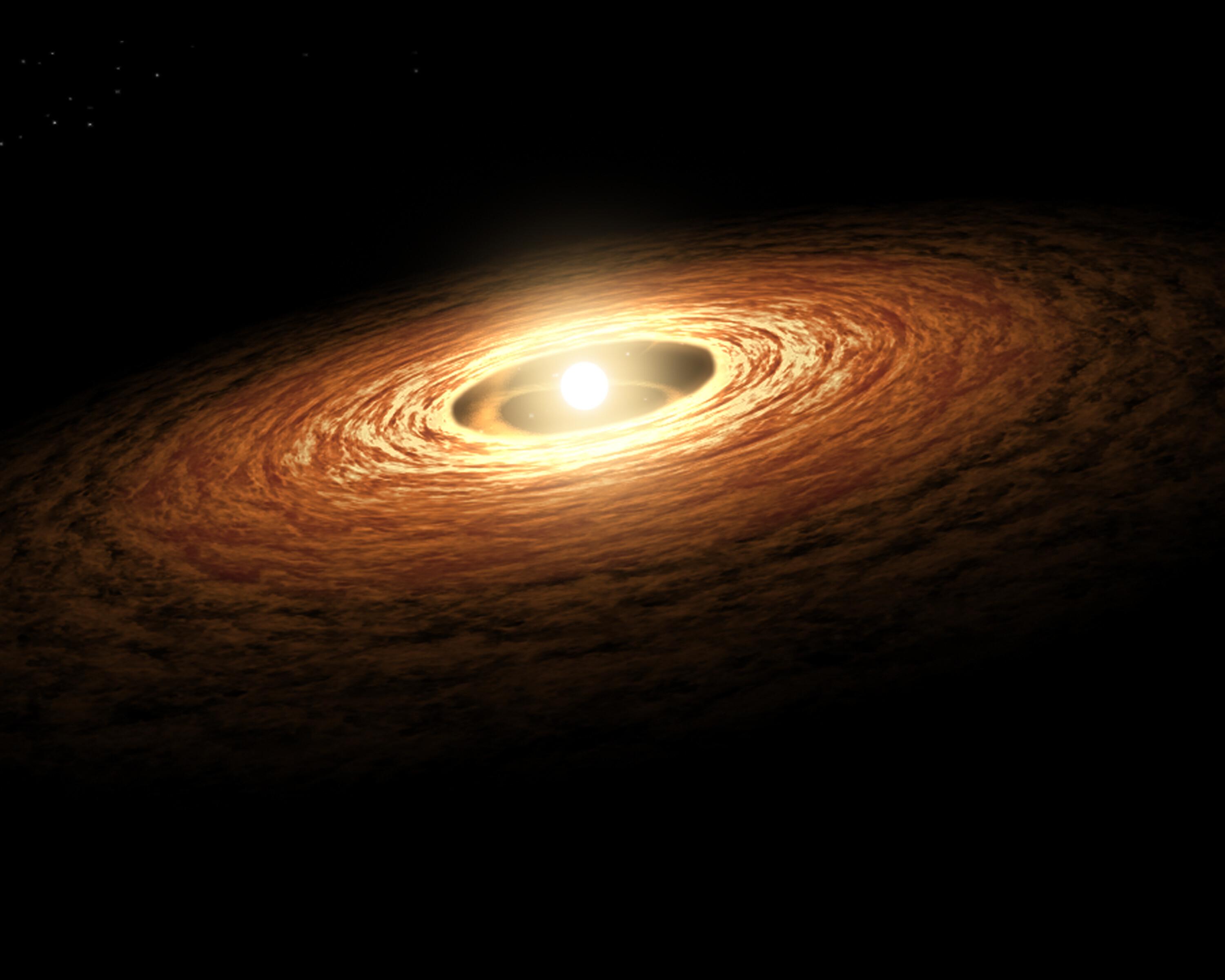 🌌 Space
Planet Formation Caught at the Start around HOPS-315
Astronomers observed the first specks of planet-forming minerals beginning to solidify around a young star, catching a process analogous to the birth of our Solar System.
Read more →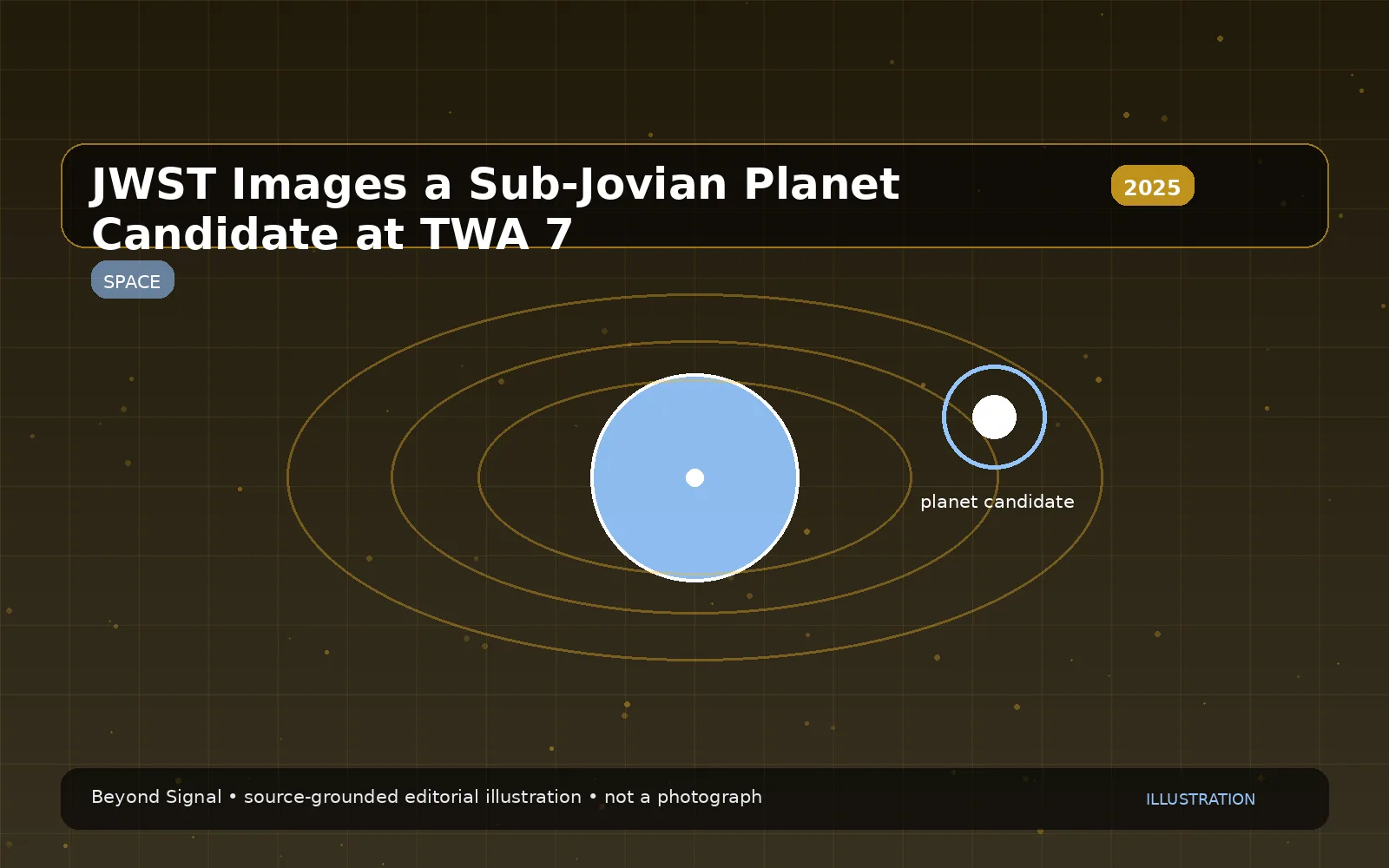 Illustration🌌 Space
JWST Images a Sub-Jovian Planet Candidate at TWA 7
James Webb Space Telescope coronagraphy revealed a compact infrared source embedded in a narrow ring of the young star TWA 7's debris disk. Models place the candidate near 0.3 Jupiter masses at about 52 astronomical units, potentially making it the lowest-mass planet directly imaged around another star.
Read more → 🌌 Space
The First Views of the Sun's South Pole
ESA's Solar Orbiter returned humanity's first clear views of the Sun's south pole, revealing a tangled mixture of magnetic polarities during solar maximum.
Read more →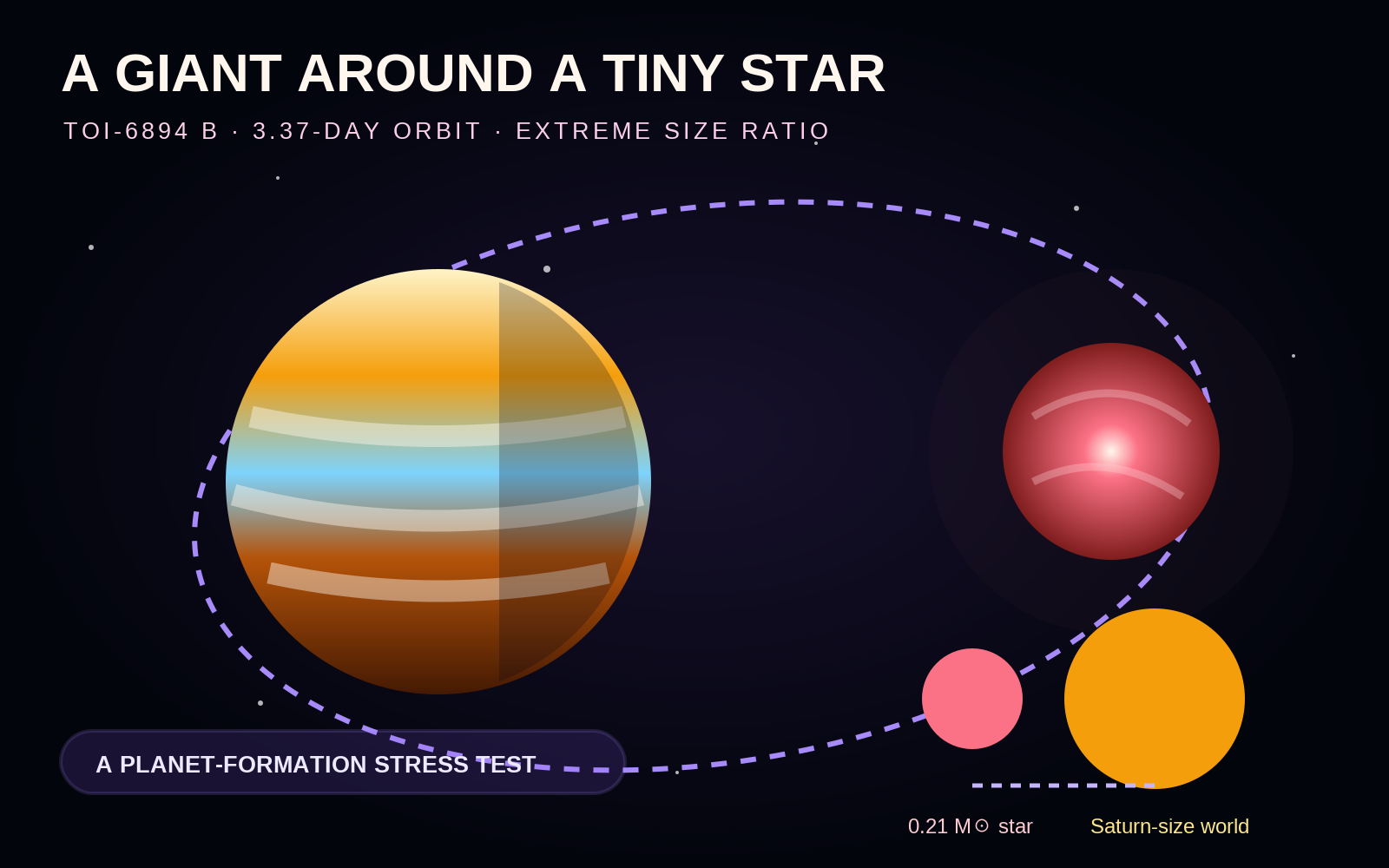 Illustration🌌 Space
TOI-6894 b, a Giant Planet Around a Tiny Star
Transit and radial-velocity measurements confirmed a low-density giant planet around a star only about one-fifth the Sun's mass, creating a demanding test for planet-formation models around very low-mass stars.
Read more →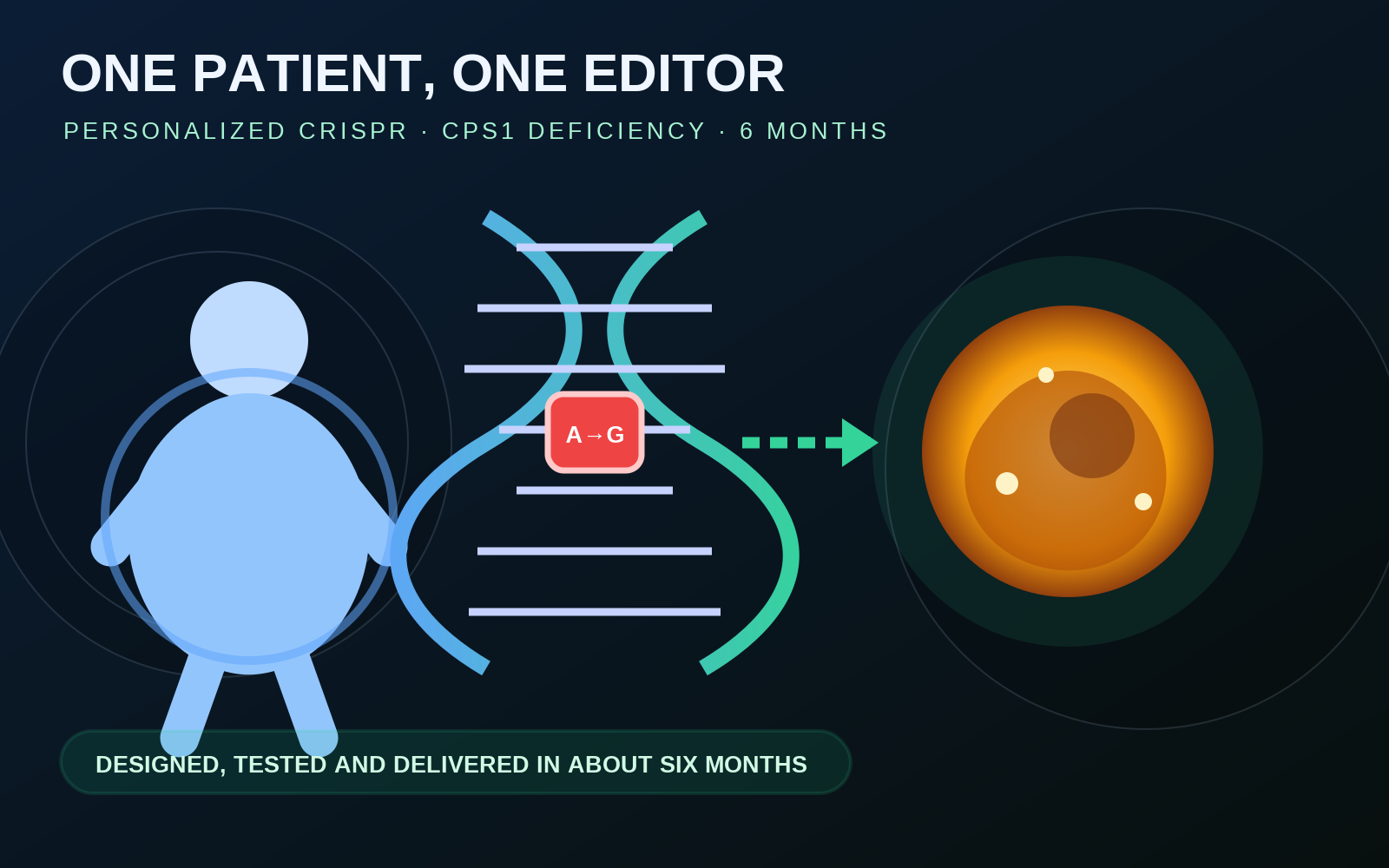 Illustration🤖 Technology
The First Personalized In Vivo CRISPR Treatment
A bespoke adenine base editor was designed, manufactured, and infused into an infant with severe CPS1 deficiency, producing early clinical improvement in the first reported patient-specific CRISPR treatment delivered inside the body.
Read more →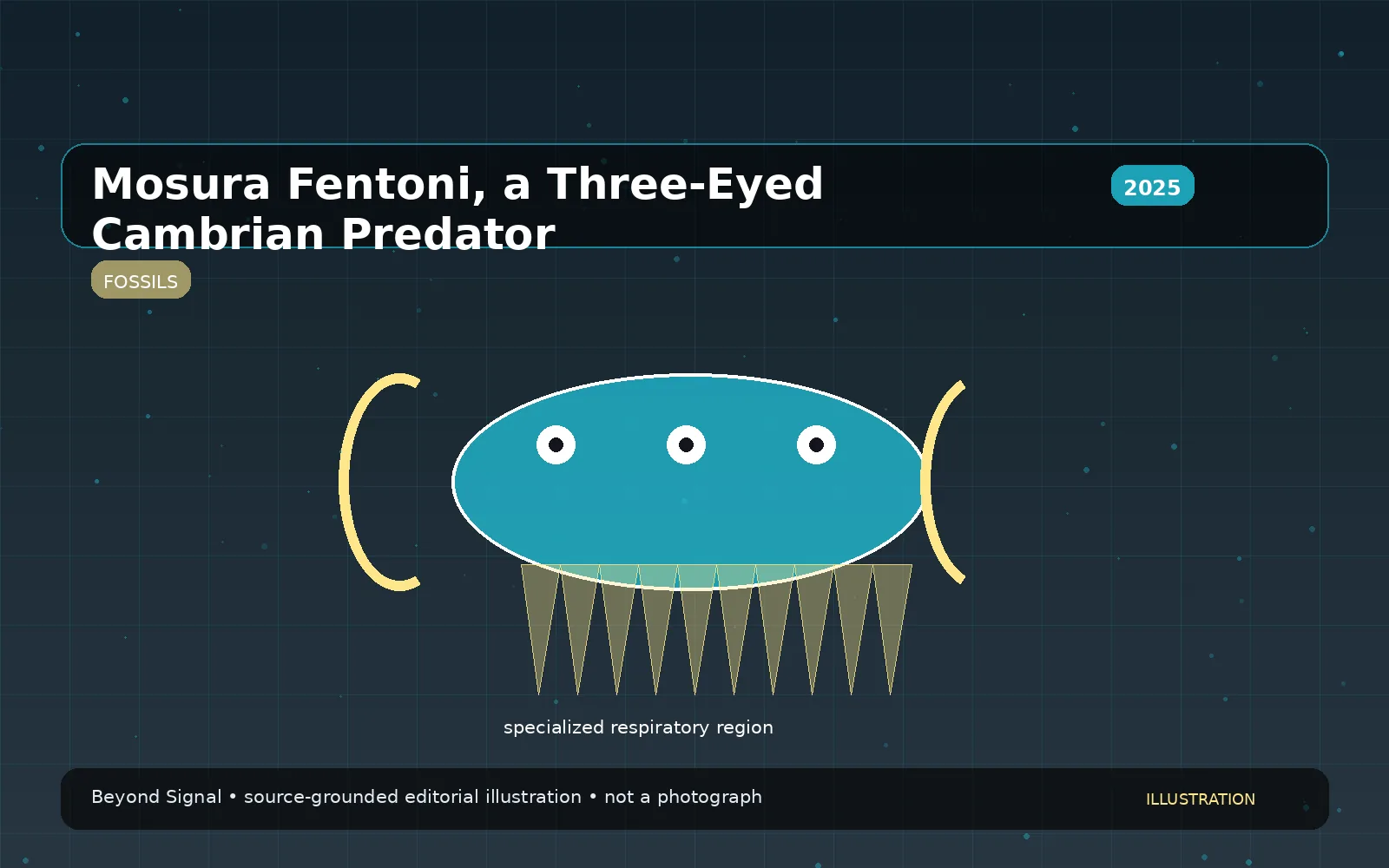 Illustration🦕 Dinosaurs & Fossils
Mosura Fentoni, a Three-Eyed Cambrian Predator
More than 60 Burgess Shale fossils revealed Mosura fentoni, a roughly six-centimetre radiodont with three eyes, grasping frontal appendages, and a body divided into a broad swimming region and a specialized rear section carrying respiratory structures. The anatomy expands the known diversity of early arthropod relatives.
Read more →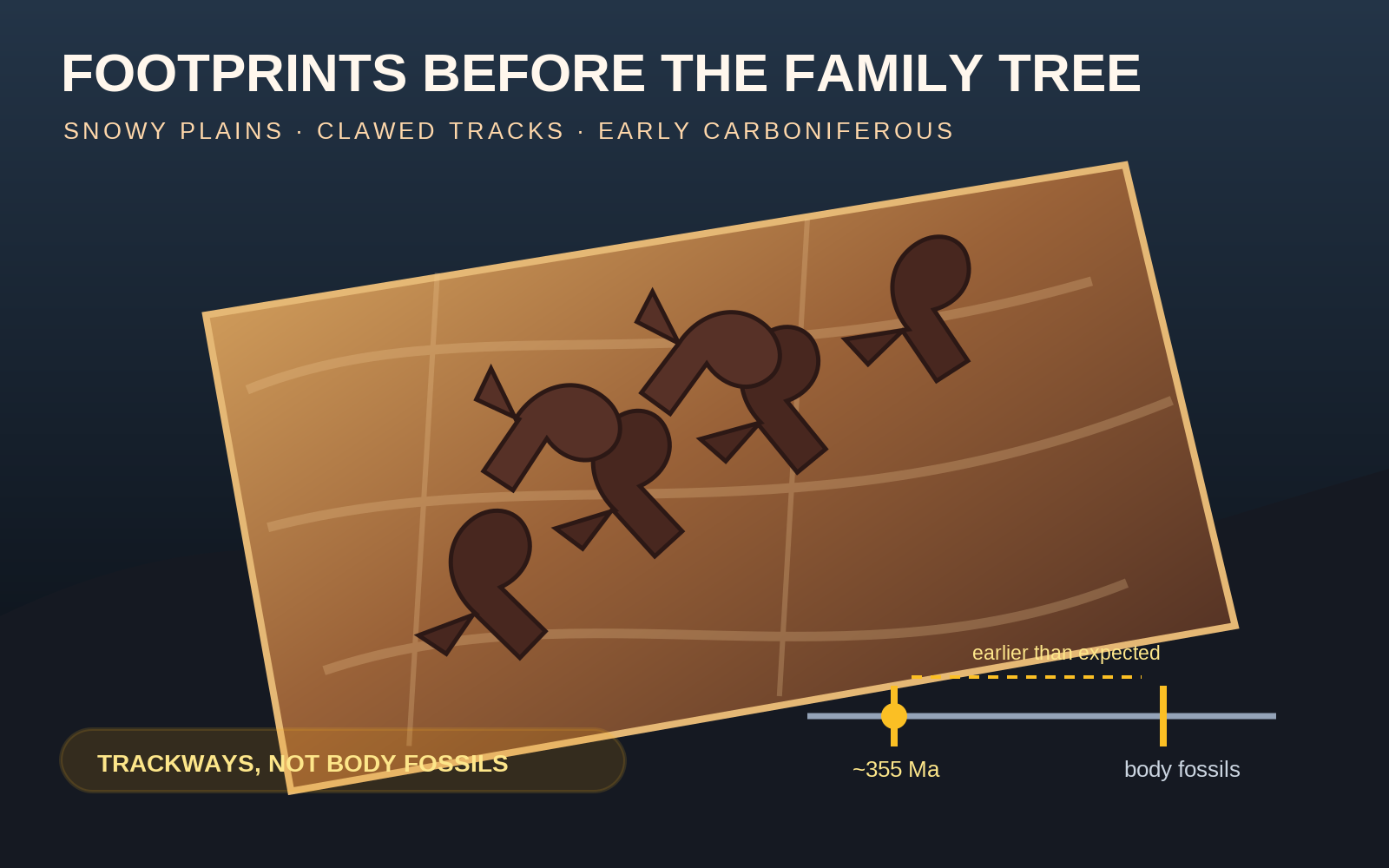 Illustration🦕 Dinosaurs & Fossils
The Earliest Known Amniote Trackways
Clawed five-toed trackways from Australia's Snowy Plains Formation were attributed to an early sauropsid amniote and dated to roughly 359–354 million years ago, extending the amniote record by about 35 million years.
Read more →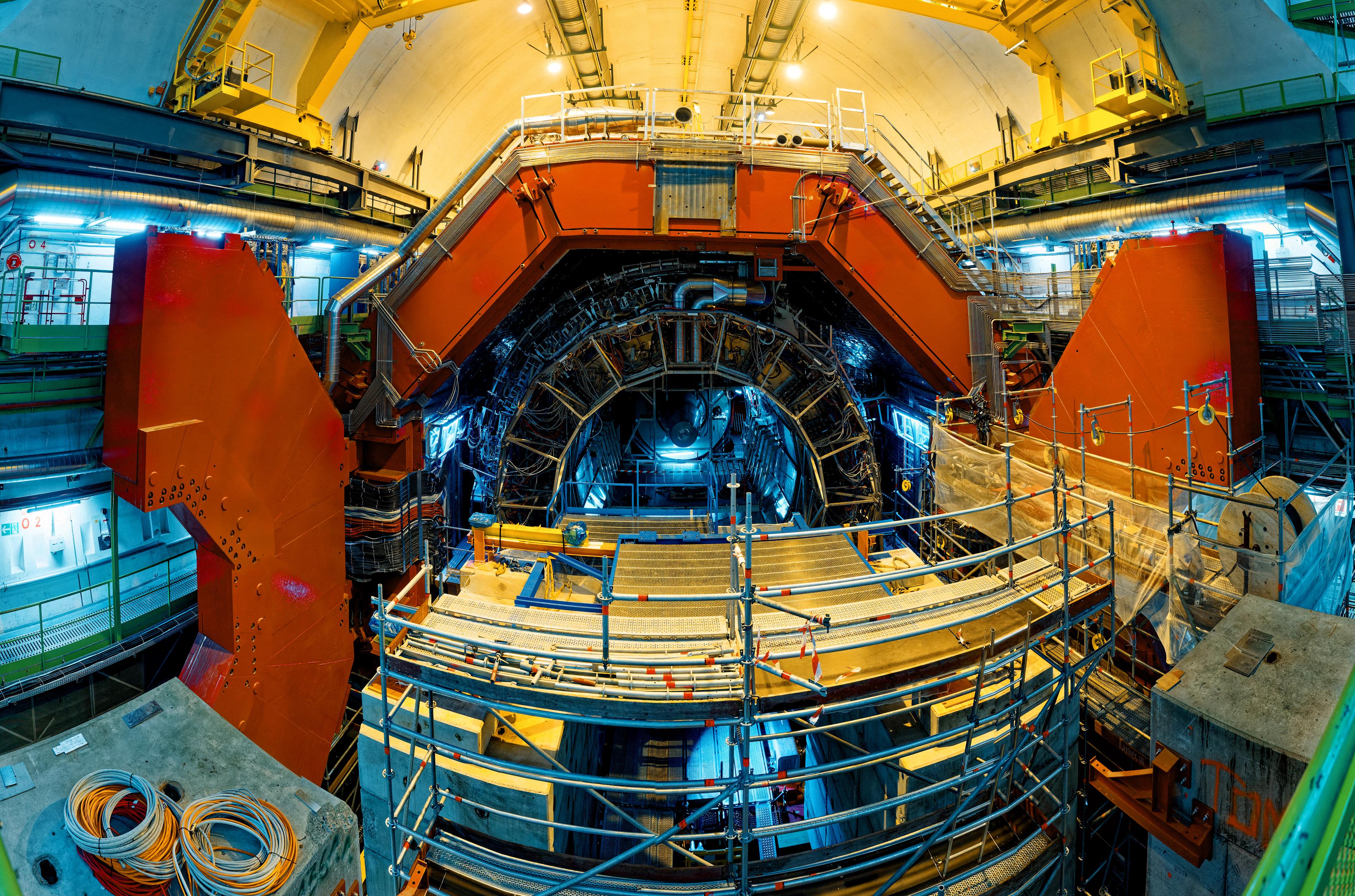 ⚛️ Physics
Lead Turned into Gold at the LHC
The ALICE experiment measured lead nuclei turning into gold during near-miss collisions at the Large Hadron Collider — in fleeting, subatomic quantities rather than usable metal.
Read more →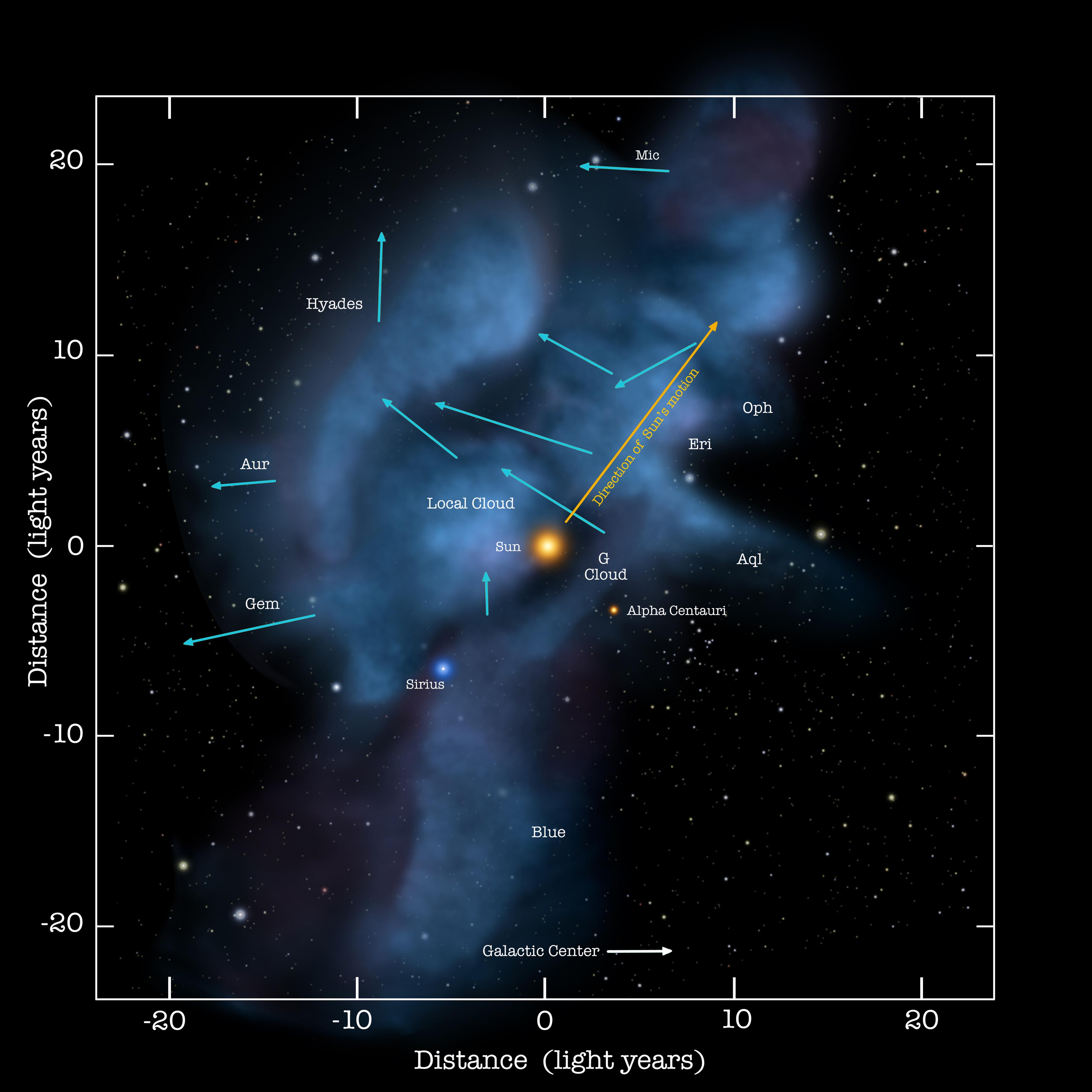 🌌 Space
Eos: A Hidden Molecular Cloud Near the Sun
Astronomers discovered Eos, a vast molecular cloud only about 300 light-years away, by detecting ultraviolet fluorescence from molecular hydrogen — a first for this class of cloud.
Read more →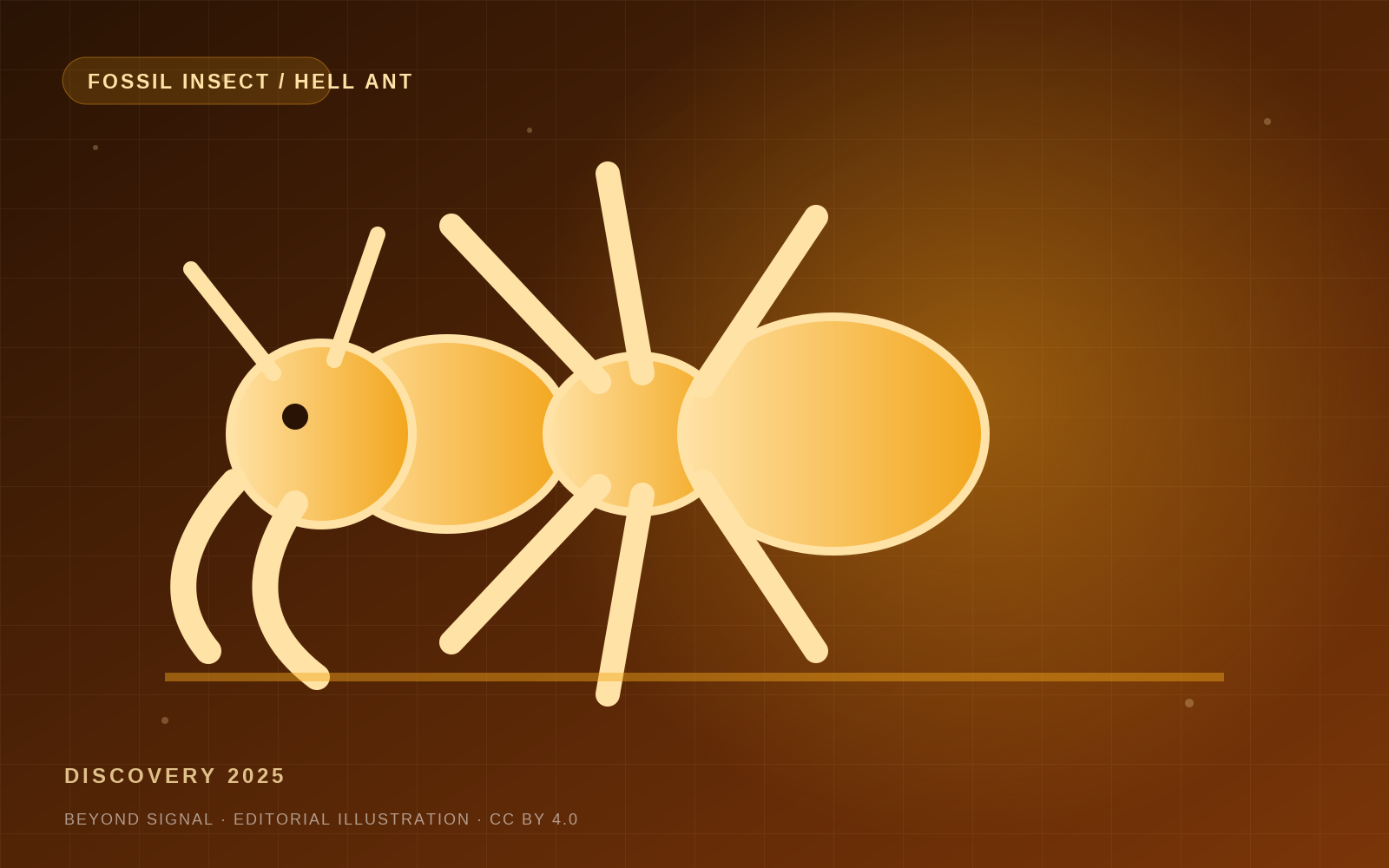 Illustration🦕 Dinosaurs & Fossils
Vulcanidris Cratensis, the Oldest Known Ant
A 113-million-year-old compression fossil from Brazil was recognized as a new hell-ant species and the oldest verified ant known from the fossil record.
Read more →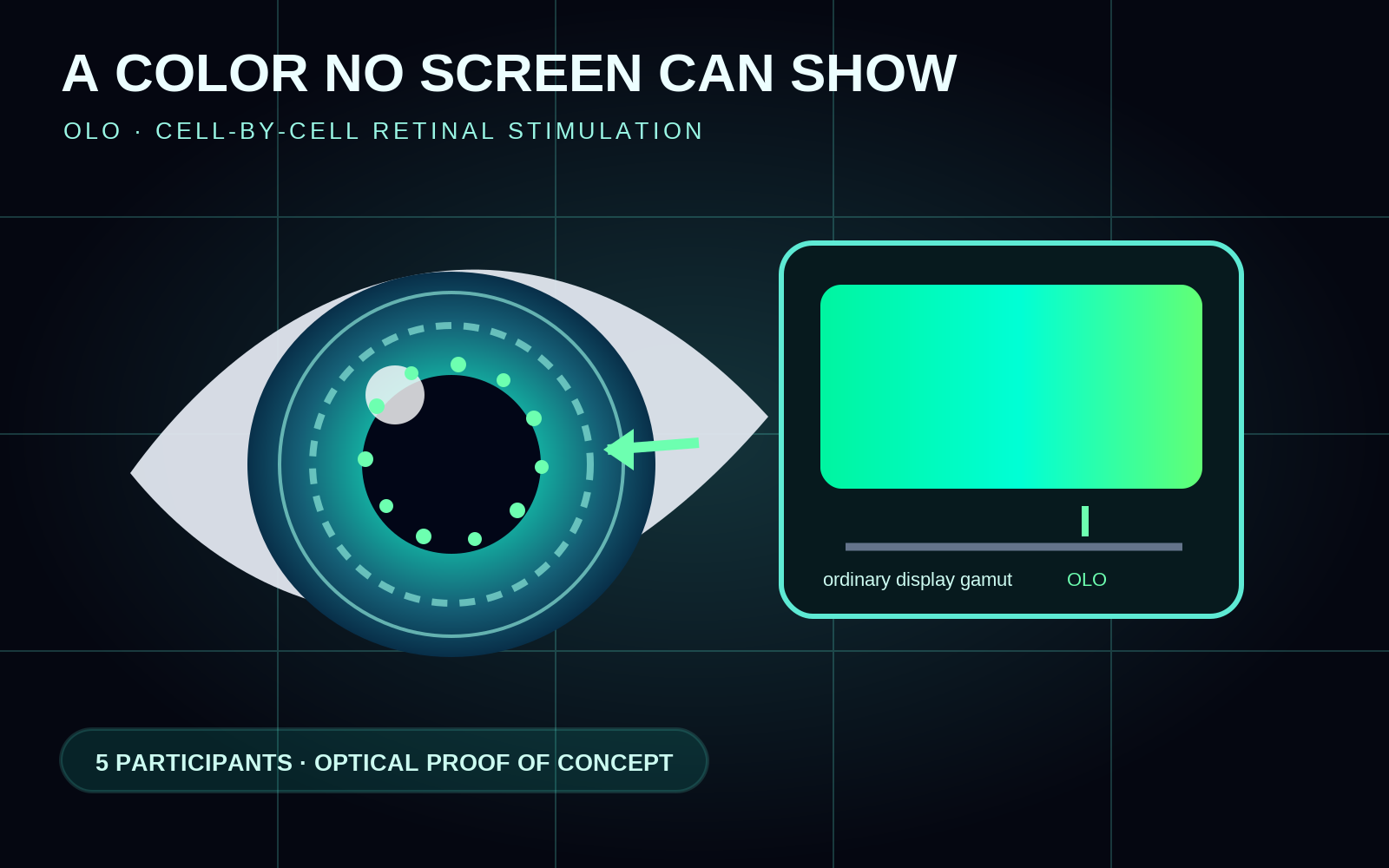 Illustration🤖 Technology
Olo, a Color Beyond the Natural Human Gamut
An adaptive-optics system stimulated selected retinal cone cells one by one, letting five participants perceive an exceptionally saturated blue-green called olo that ordinary light mixtures cannot produce on the same patch of retina.
Read more →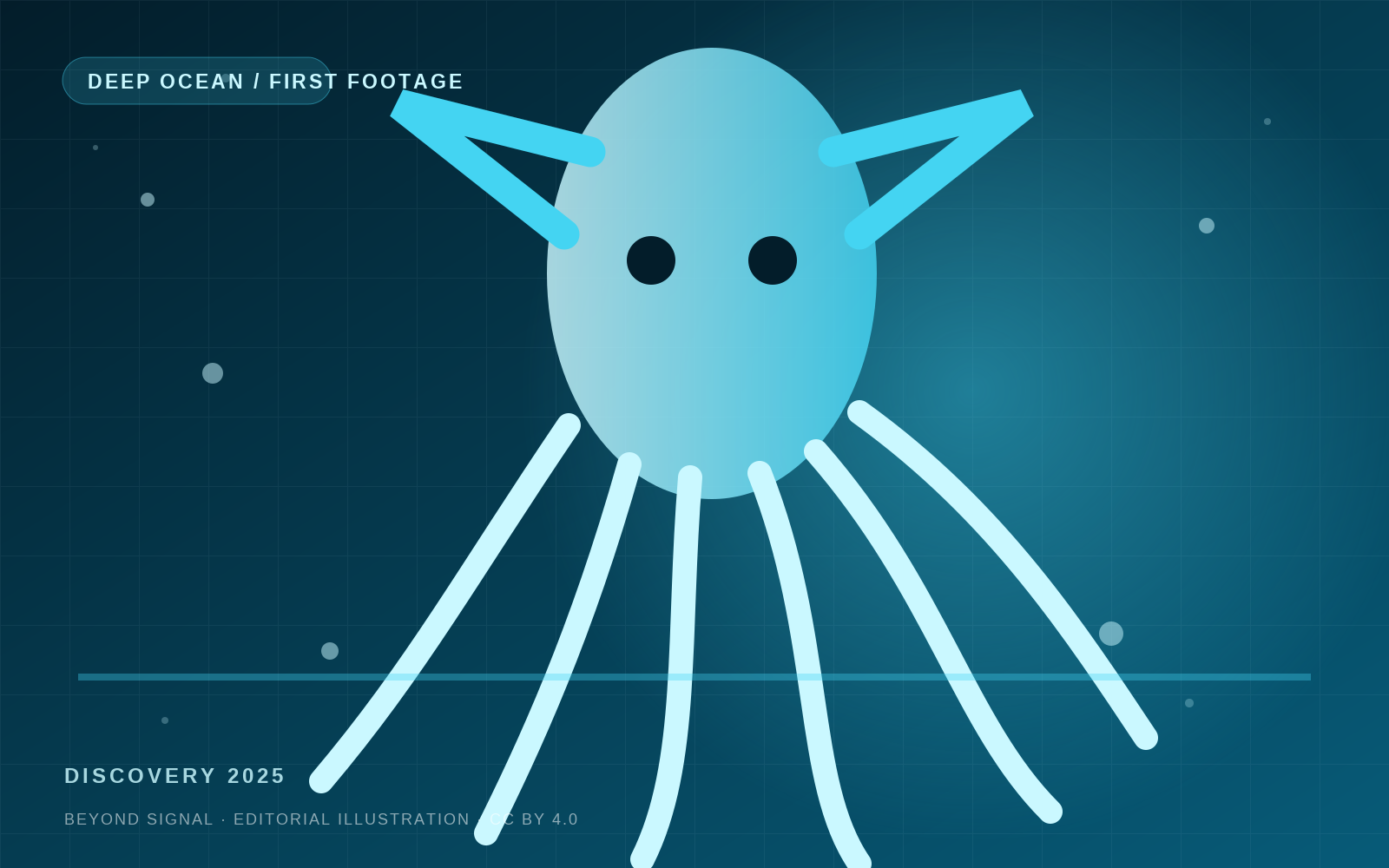 Illustration🪸 Ocean Discoveries
A Colossal Squid Filmed Alive in Its Natural Habitat
An ROV recorded a transparent juvenile colossal squid at about 600 metres depth, providing the first confirmed video of the species alive in its natural deep-sea habitat.
Read more →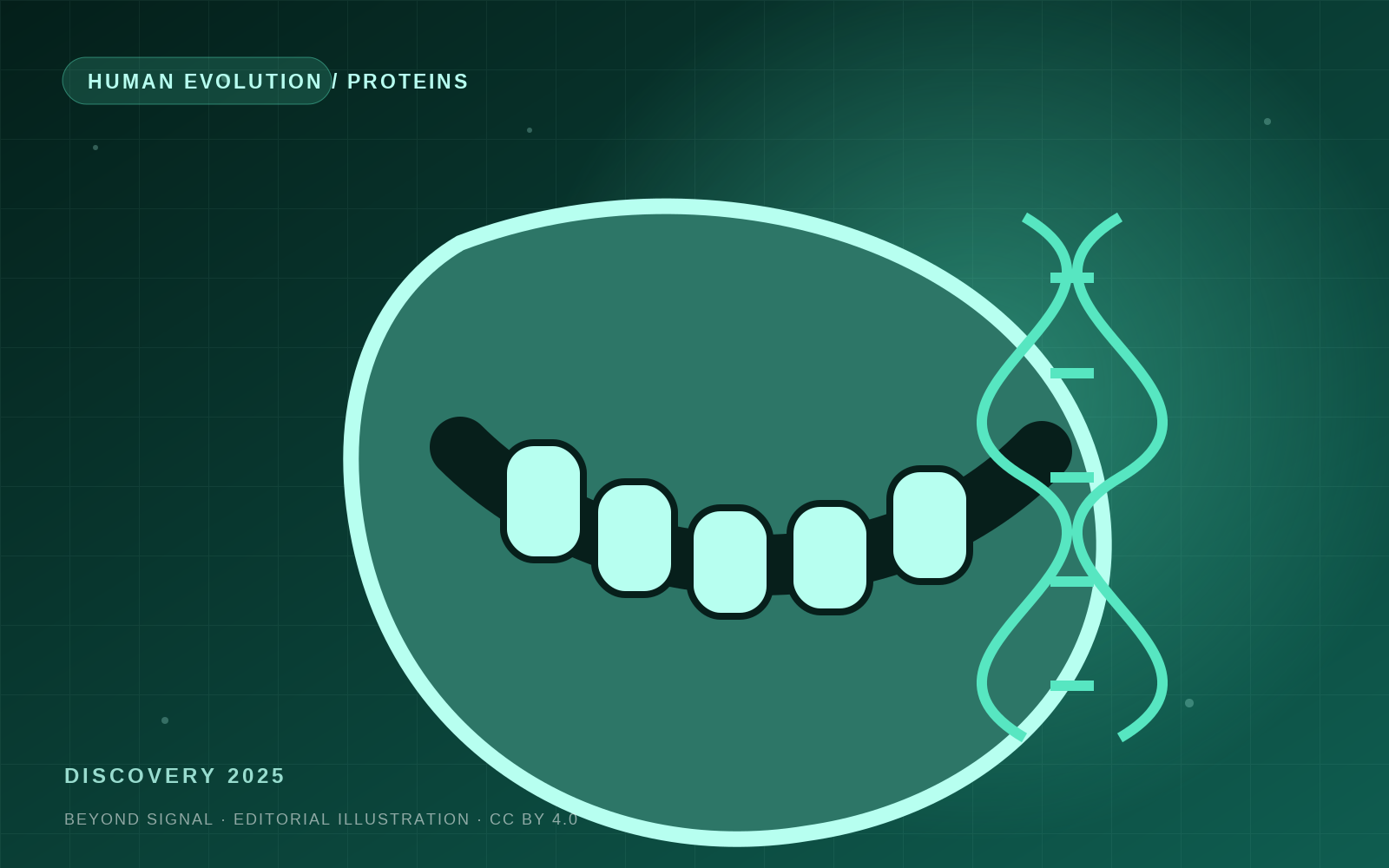 Illustration🧬 Biology
The Penghu Jaw Is Identified as Denisovan
Ancient proteins extracted from the robust Penghu 1 jaw identified it as the remains of a male Denisovan, extending direct evidence of the group into subtropical Taiwan.
Read more → Illustration🌋 Earth Science
Glacier Retreat Exposed Thousands of Kilometres of New Arctic Coastline
A Northern Hemisphere survey mapped 2,466 ± 0.8 kilometres of coastline exposed by retreating marine-terminating glaciers between 2000 and 2020, with 66% of the total in Greenland.
Read more →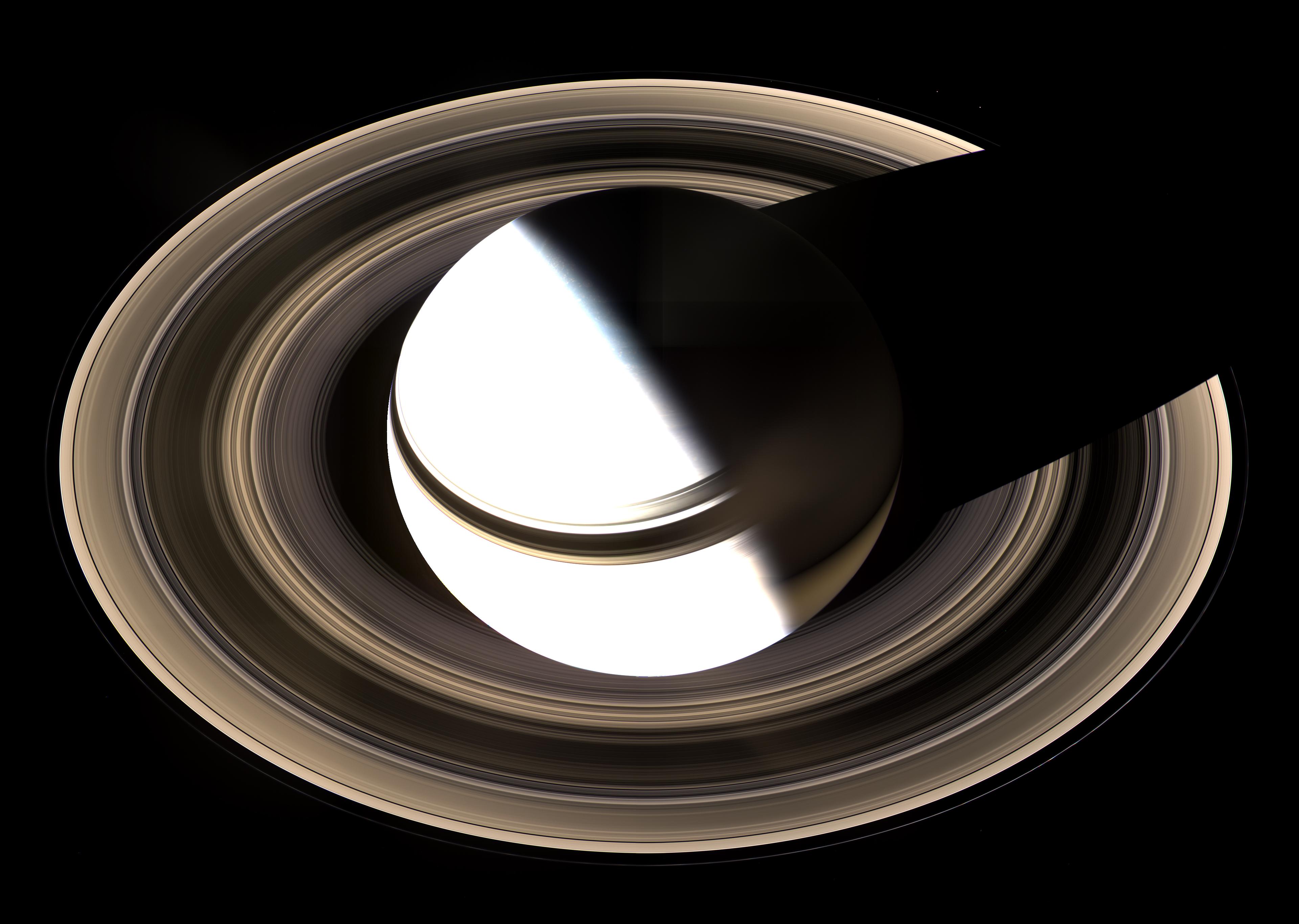 🌌 Space
Saturn's 128 New Moons
An international team found and confirmed 128 previously unrecognized small moons of Saturn, raising the planet's official total to 274 at the time of announcement.
Read more →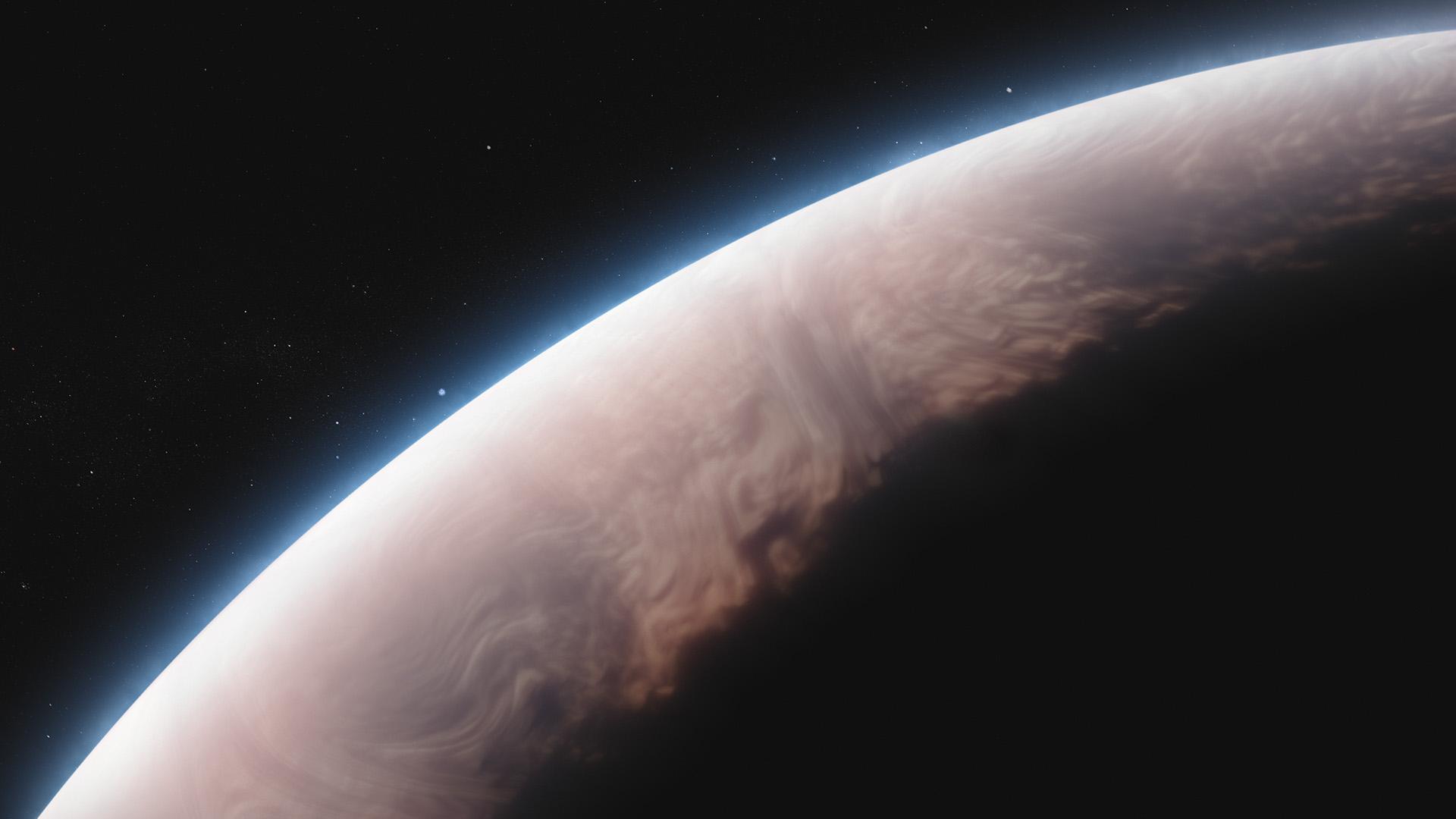 🌌 Space
A 3D Weather Map of Exoplanet Tylos
For the first time, astronomers mapped several layers of an exoplanet's atmosphere in three dimensions, revealing separate winds carrying iron, sodium, hydrogen, and titanium.
Read more → Illustration🏺 Archaeology
The Tomb of Pharaoh Thutmose II Identified
Inscriptions on alabaster vessels and decorated plaster identified a badly flood-damaged tomb west of Luxor as the original burial place of the Eighteenth Dynasty pharaoh Thutmose II.
Read more →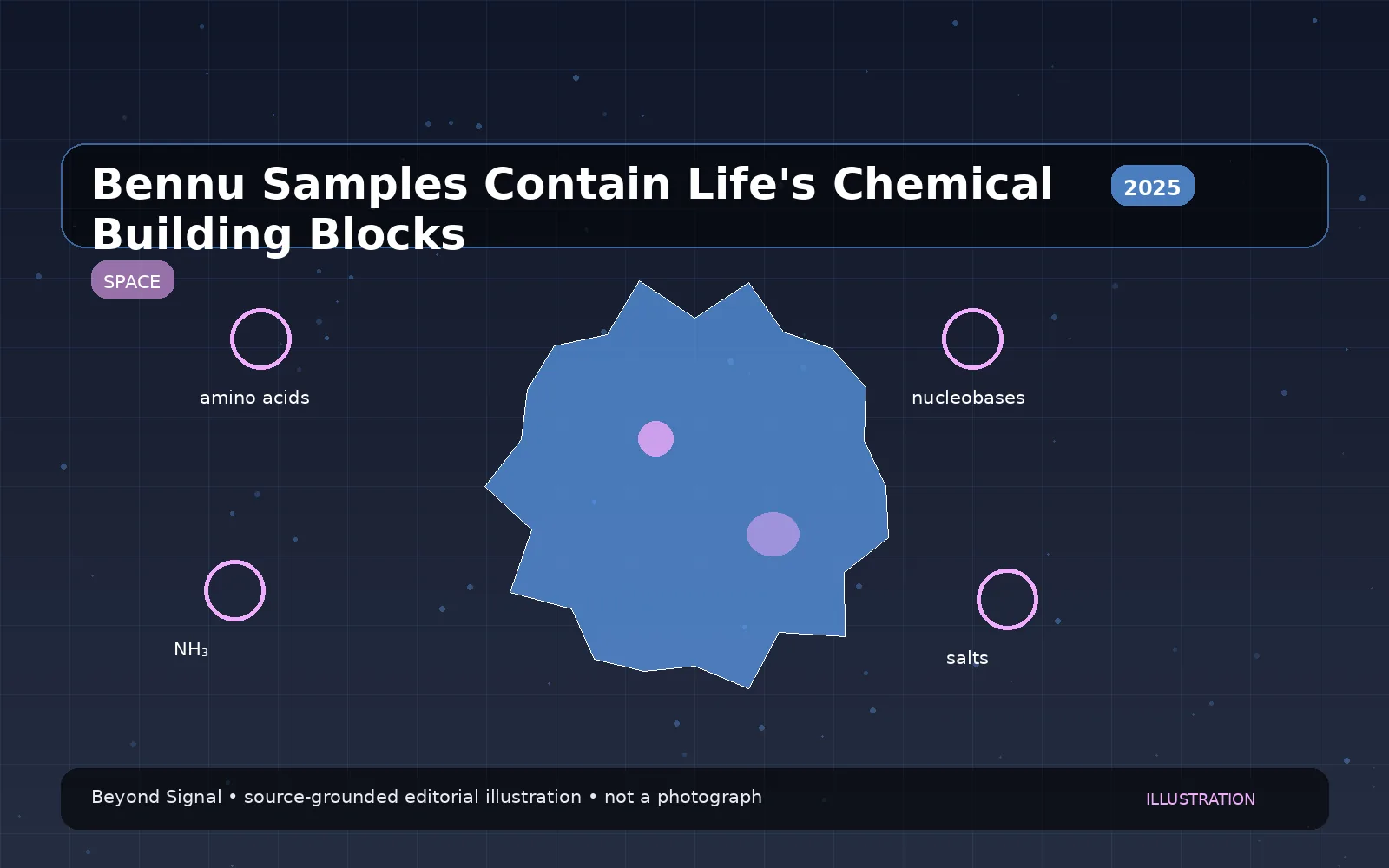 Illustration🌌 Space
Bennu Samples Contain Life's Chemical Building Blocks
Laboratory analyses of pristine asteroid Bennu material returned by OSIRIS-REx found abundant ammonia, nitrogen-rich organic matter, 14 of the 20 amino acids used by terrestrial life, and all five nucleobases used in DNA and RNA. The chemistry shows that life's ingredients were widespread, not that life existed on Bennu.
Read more →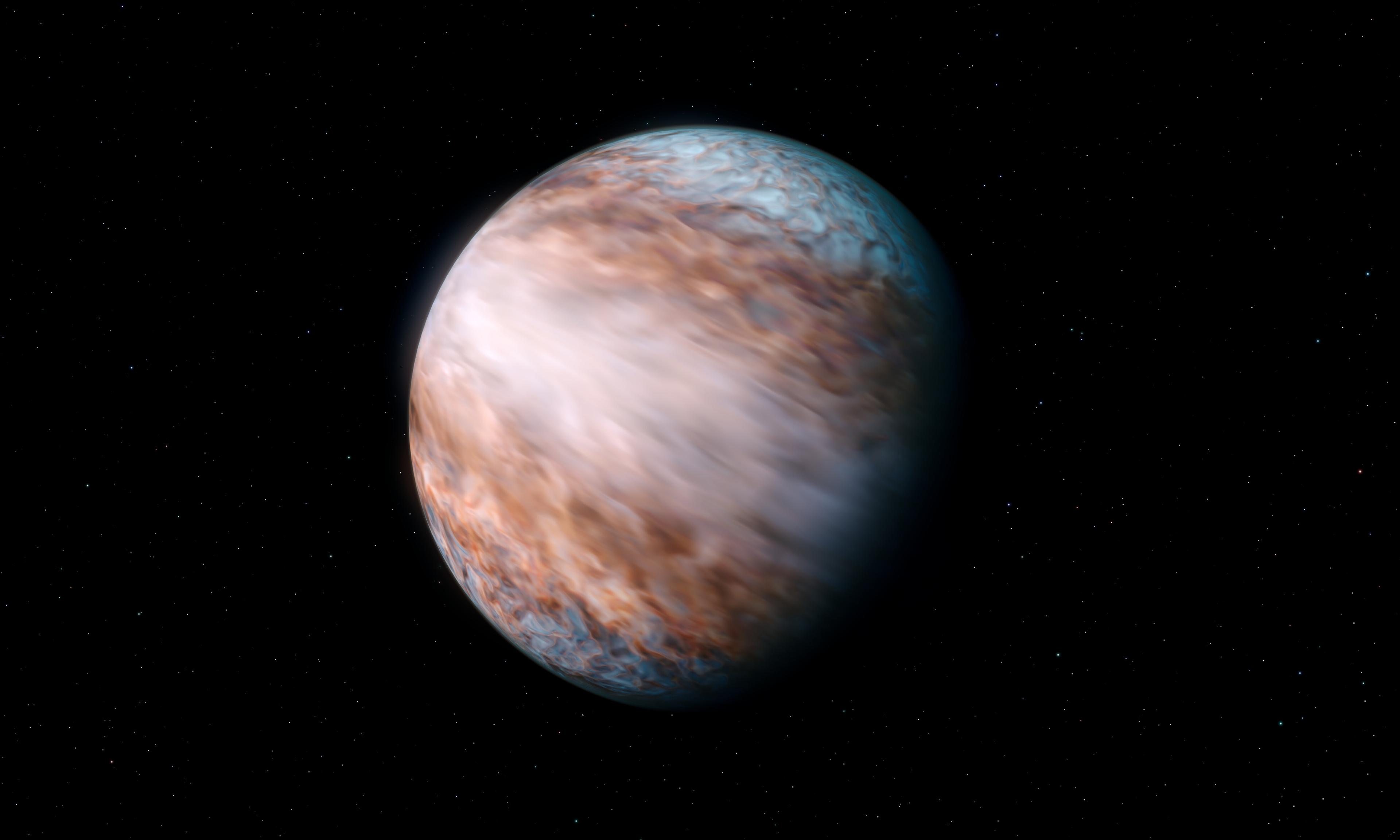 🌌 Space
Supersonic Winds on WASP-127b
Astronomers measured equatorial winds on the exoplanet WASP-127b moving at up to 33,000 km/h — the fastest planetary jet stream of its kind measured at the time.
Read more →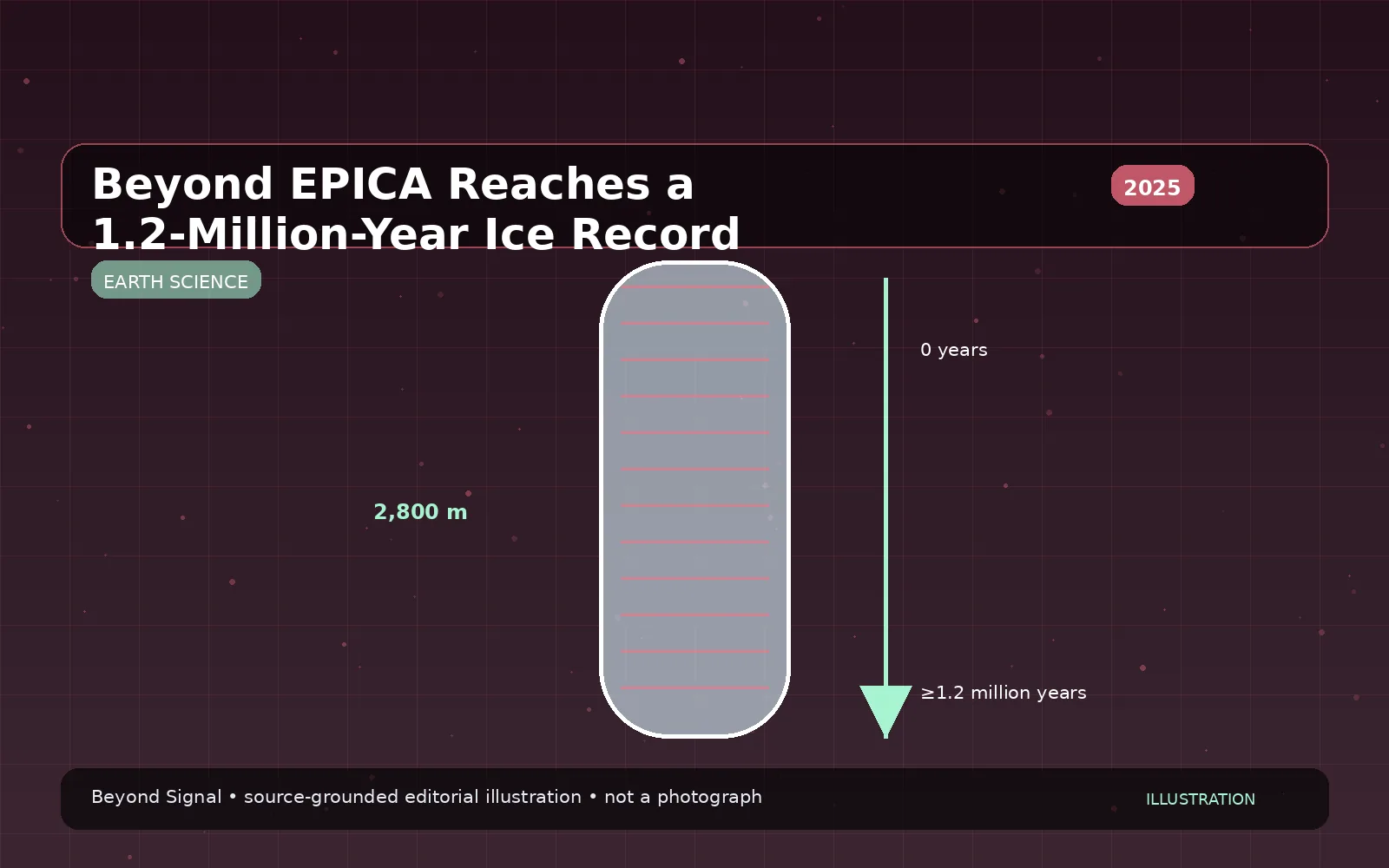 Illustration🌋 Earth Science
Beyond EPICA Reaches a 1.2-Million-Year Ice Record
The Beyond EPICA team completed drilling to bedrock at Little Dome C, recovering a 2,800-metre Antarctic ice core expected to preserve a continuous climate record reaching at least 1.2 million years. The core targets the interval when glacial cycles shifted from roughly 41,000-year to 100,000-year rhythms.
Read more →