
 Illustration — not a photo of the discovery
The Penghu Jaw Is Identified as Denisovan
Ancient proteins extracted from the robust Penghu 1 jaw identified it as the remains of a male Denisovan, extending direct evidence of the group into subtropical Taiwan.
The story
Why scientists were there
The jaw had been dredged from the Taiwan Strait and lacked recoverable DNA, leaving its relationship to other archaic Asian humans unresolved for a decade.
How they found it
Palaeoproteomic analysis recovered sex-linked and lineage-informative protein variants from tooth enamel and bone, then compared them with Denisovan, Neanderthal, and modern human sequences.
What makes it unique
The result confirmed that Denisovans occupied environments ranging from Siberia and the Tibetan Plateau to low-latitude East Asia and possessed substantial anatomical diversity.
Gallery
Where it was found
Penghu Channel, Taiwan Strait
Tags
Related discoveries
 🧬 Biology
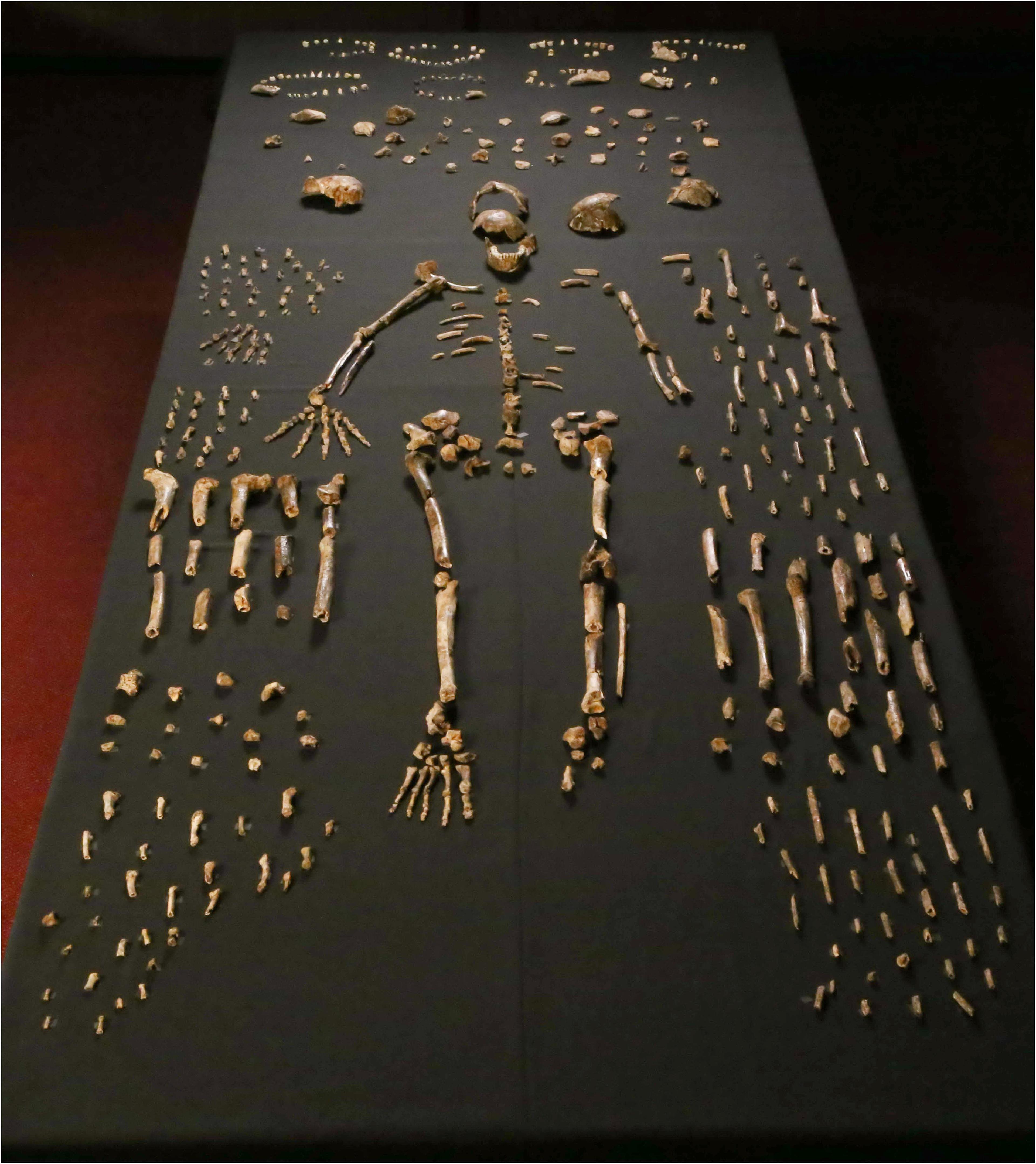
Homo naledi, a New Human Relative
More than 1,500 fossil pieces from a deep cave chamber revealed a small-brained human relative with a surprising mix of ancient and modern traits.
Read more → Illustration🧬 Biology
A More Diverse Human Pangenome Reference
Researchers released a draft human pangenome built from 47 genetically diverse people, replacing a single linear reference with multiple possible genomic paths.
Read more → Illustration🏺 Archaeology
Modern Humans at Grotte Mandrin 54,000 Years Ago
Teeth, stratigraphy, and stone-tool layers at Grotte Mandrin indicate a short Homo sapiens presence in southeastern France about 54,000 years ago, followed by renewed Neanderthal occupation.
Read more →