 Illustration — not a photo of the discovery
Vulcanidris Cratensis, the Oldest Known Ant
A 113-million-year-old compression fossil from Brazil was recognized as a new hell-ant species and the oldest verified ant known from the fossil record.
The story
Why scientists were there
The limestone specimen had entered a museum collection from the Crato Formation, whose fine-grained deposits preserve delicate Early Cretaceous insects.
How they found it
Micro-computed tomography and anatomical comparisons revealed the upward-articulating jaws and facial structures characteristic of extinct haidomyrmecine hell ants.
What makes it unique
Vulcanidris pushed the ant fossil record deeper into the Cretaceous and showed that early predatory ant lineages had already spread across western Gondwana.
Gallery
Where it was found
Crato Formation, Ceará
Tags
Related discoveries
 🧬 Biology
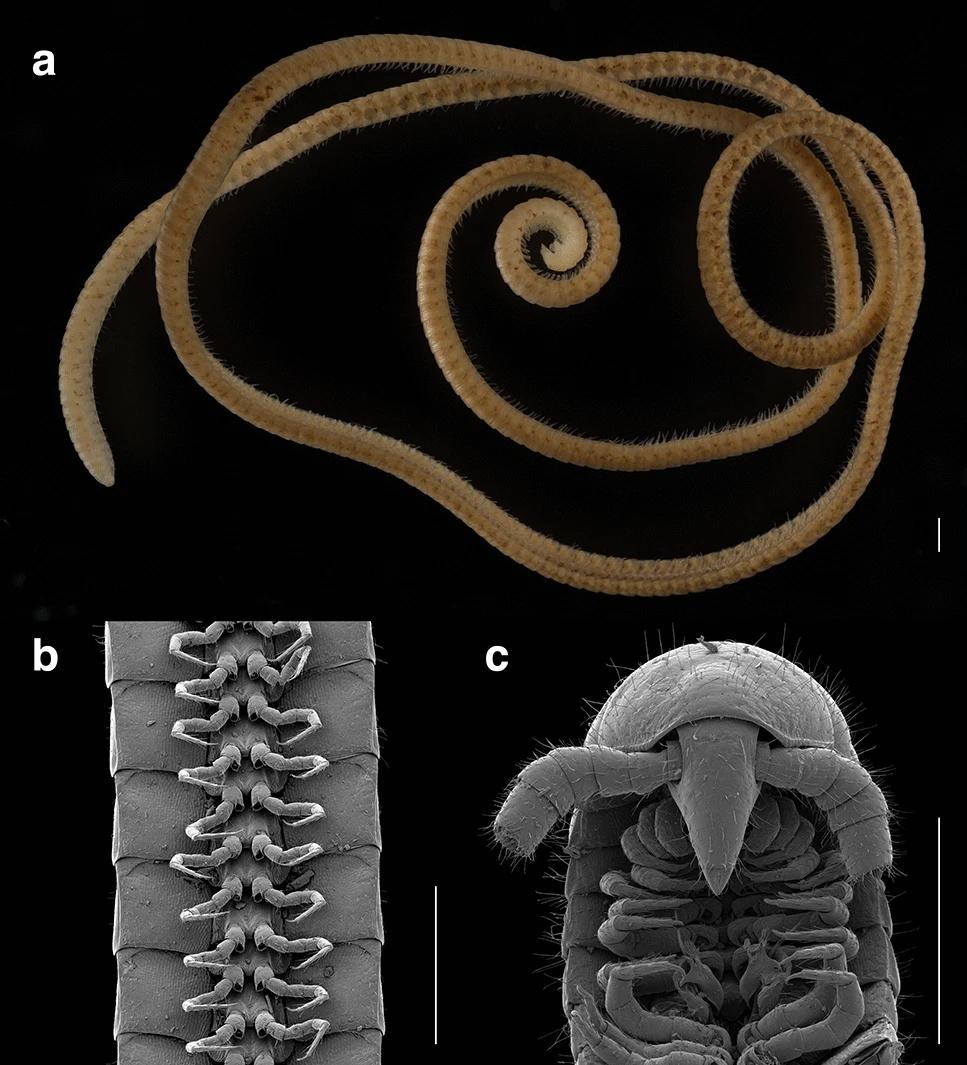
The First True Millipede (1,306 Legs)
A pale, eyeless arthropod with up to 1,306 legs — the first millipede ever found that literally has more than a thousand.
Read more →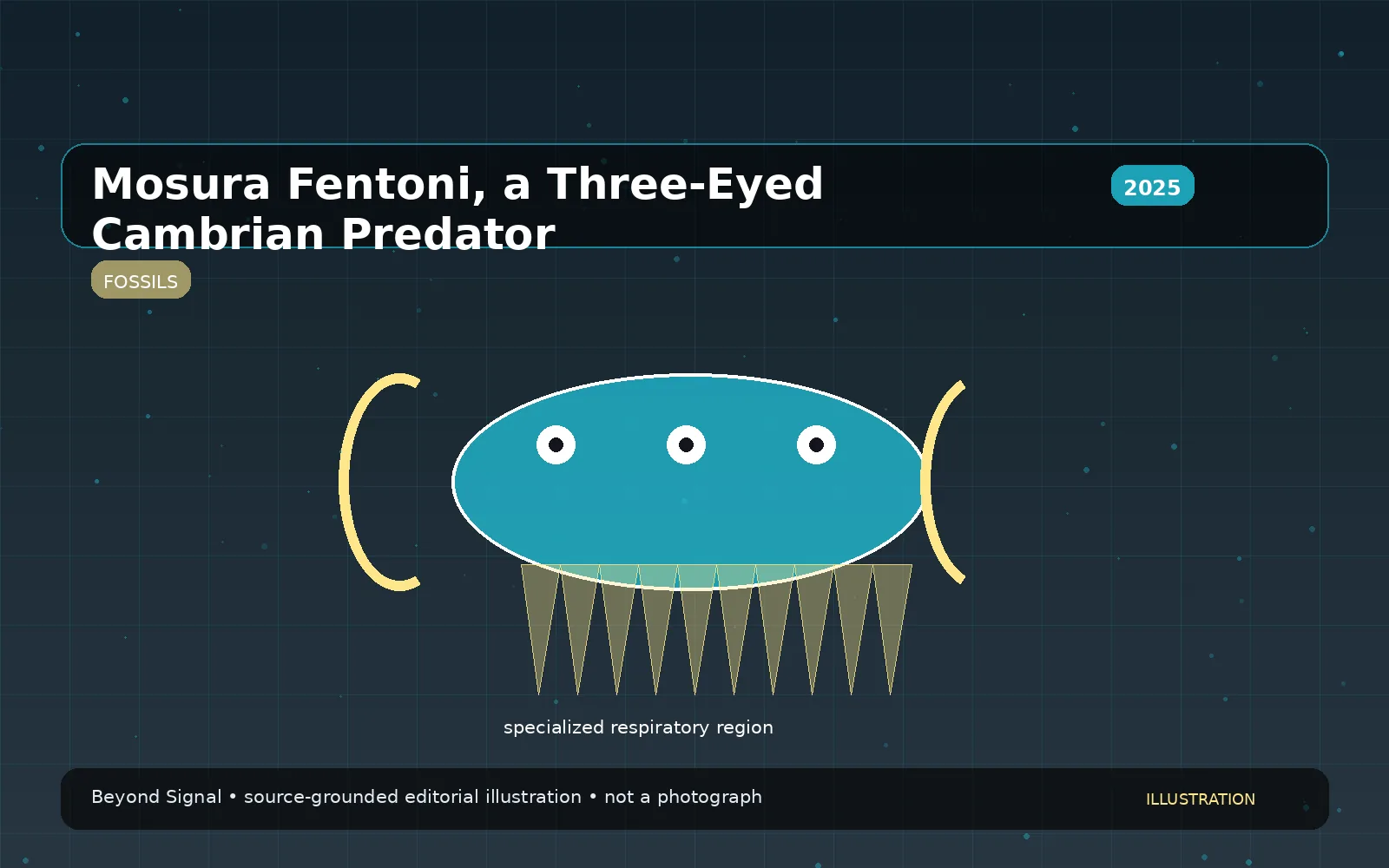 Illustration🦕 Dinosaurs & Fossils
Mosura Fentoni, a Three-Eyed Cambrian Predator
More than 60 Burgess Shale fossils revealed Mosura fentoni, a roughly six-centimetre radiodont with three eyes, grasping frontal appendages, and a body divided into a broad swimming region and a specialized rear section carrying respiratory structures. The anatomy expands the known diversity of early arthropod relatives.
Read more →