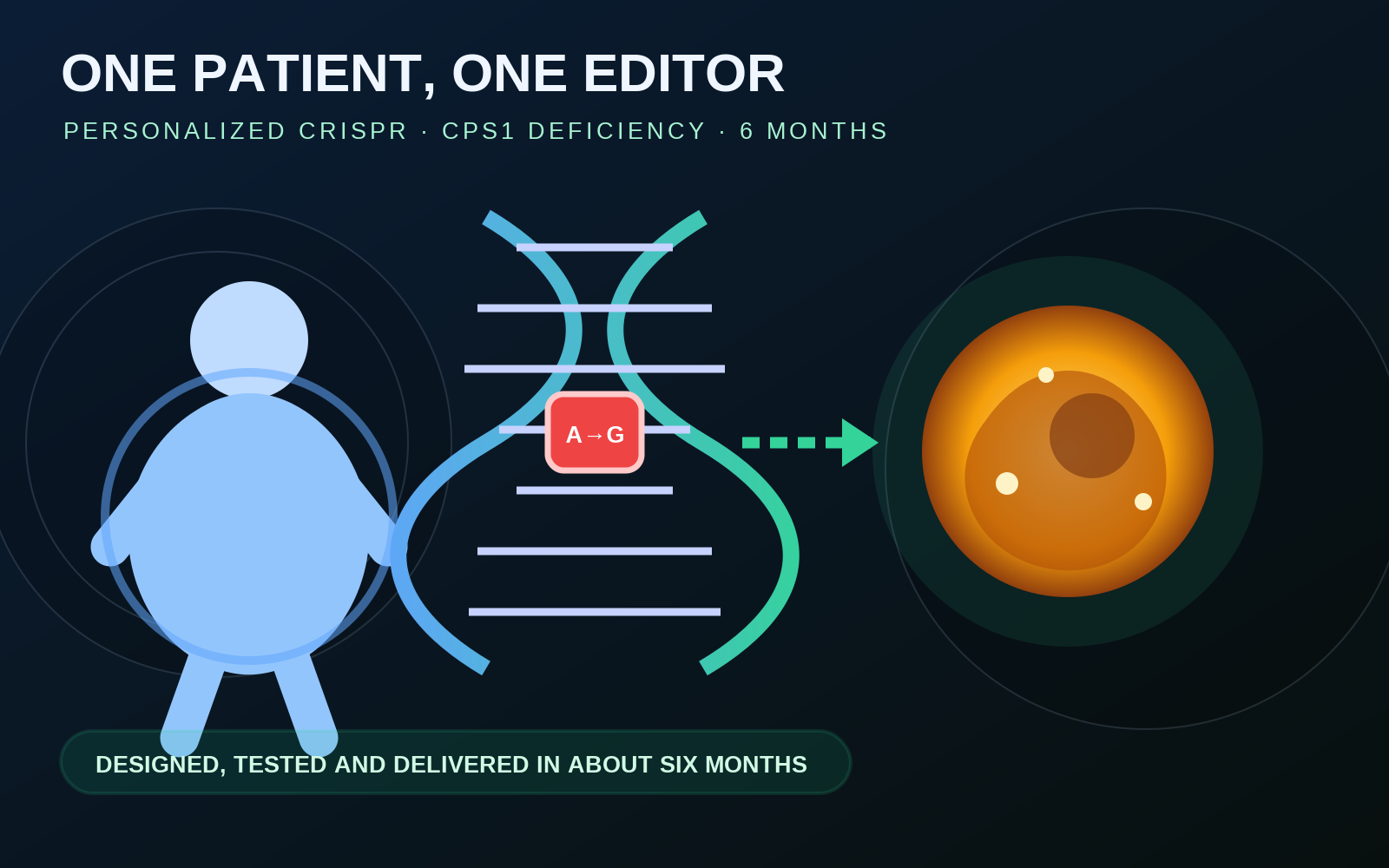
 Illustration — not a photo of the discovery
The First Personalized In Vivo CRISPR Treatment
A bespoke adenine base editor was designed, manufactured, and infused into an infant with severe CPS1 deficiency, producing early clinical improvement in the first reported patient-specific CRISPR treatment delivered inside the body.
The story
Why scientists were there
Ultra-rare mutations often affect too few patients for conventional drug development, so a reusable editing platform could turn a genetic diagnosis into an individualized therapy. This is one infant with short follow-up, not proof of cure; long-term surveillance for durability, immune effects, and off-target edits plus treatment of additional patients are essential.
How they found it
After sequencing identified the baby's pathogenic CPS1 variant, researchers screened guide RNAs and editors in cells and animal models, completed safety assays, and packaged the selected editor as messenger RNA and guide RNA in liver-targeting lipid nanoparticles. The child received the first dose in February 2025 and later doses under an expanded-access protocol, with monitored protein tolerance and reduced need for ammonia-scavenging medication.
What makes it unique
The team compressed design-to-treatment into about six months and changed a single DNA base without cutting both strands, using a product made for one named mutation in one patient. Early tolerance and metabolic improvement established feasibility, while efficacy and safety remain provisional until longer follow-up is published.
Gallery
Where it was found
Children's Hospital of Philadelphia
Tags
Related discoveries
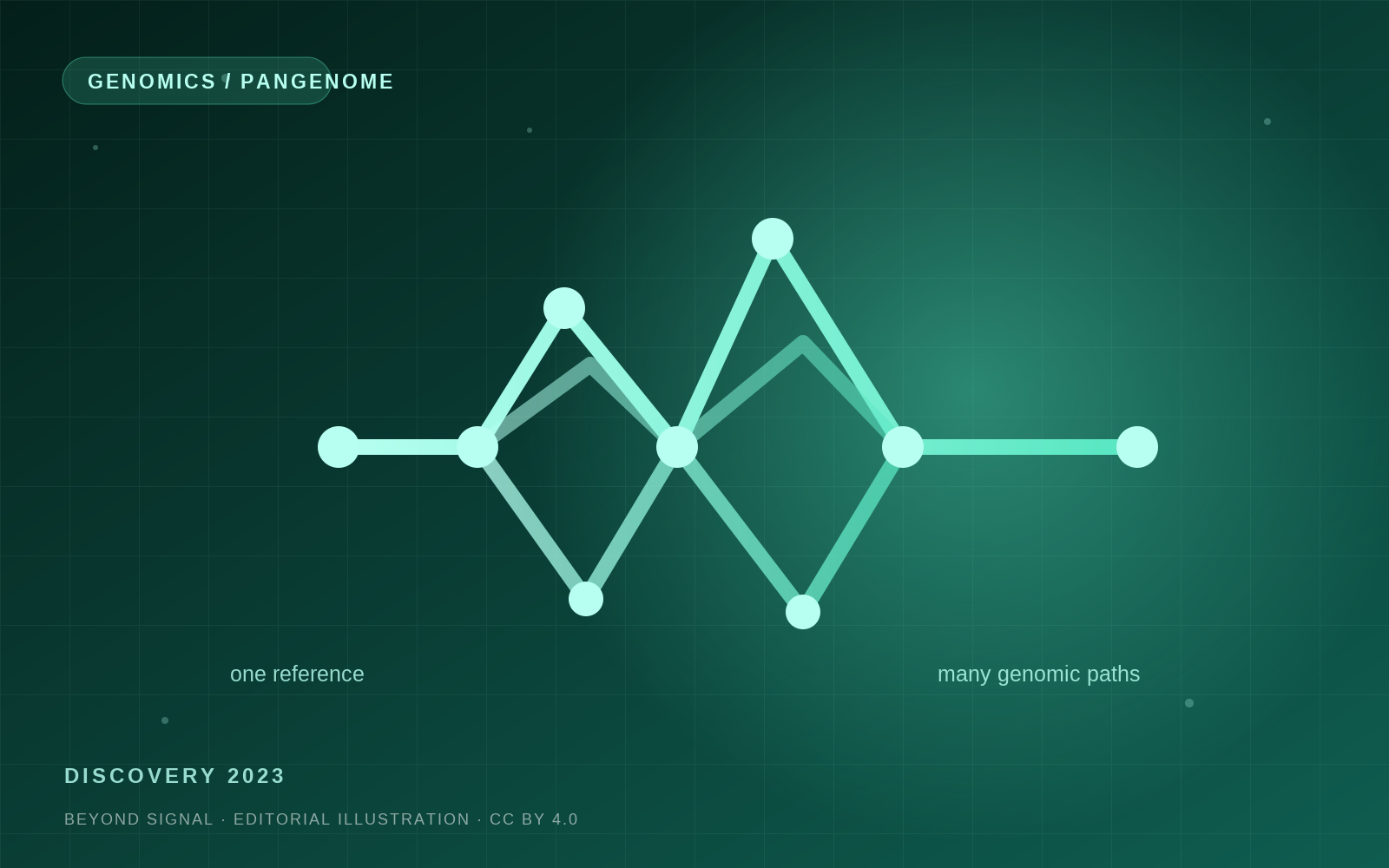 Illustration🧬 Biology
A More Diverse Human Pangenome Reference
Researchers released a draft human pangenome built from 47 genetically diverse people, replacing a single linear reference with multiple possible genomic paths.
Read more →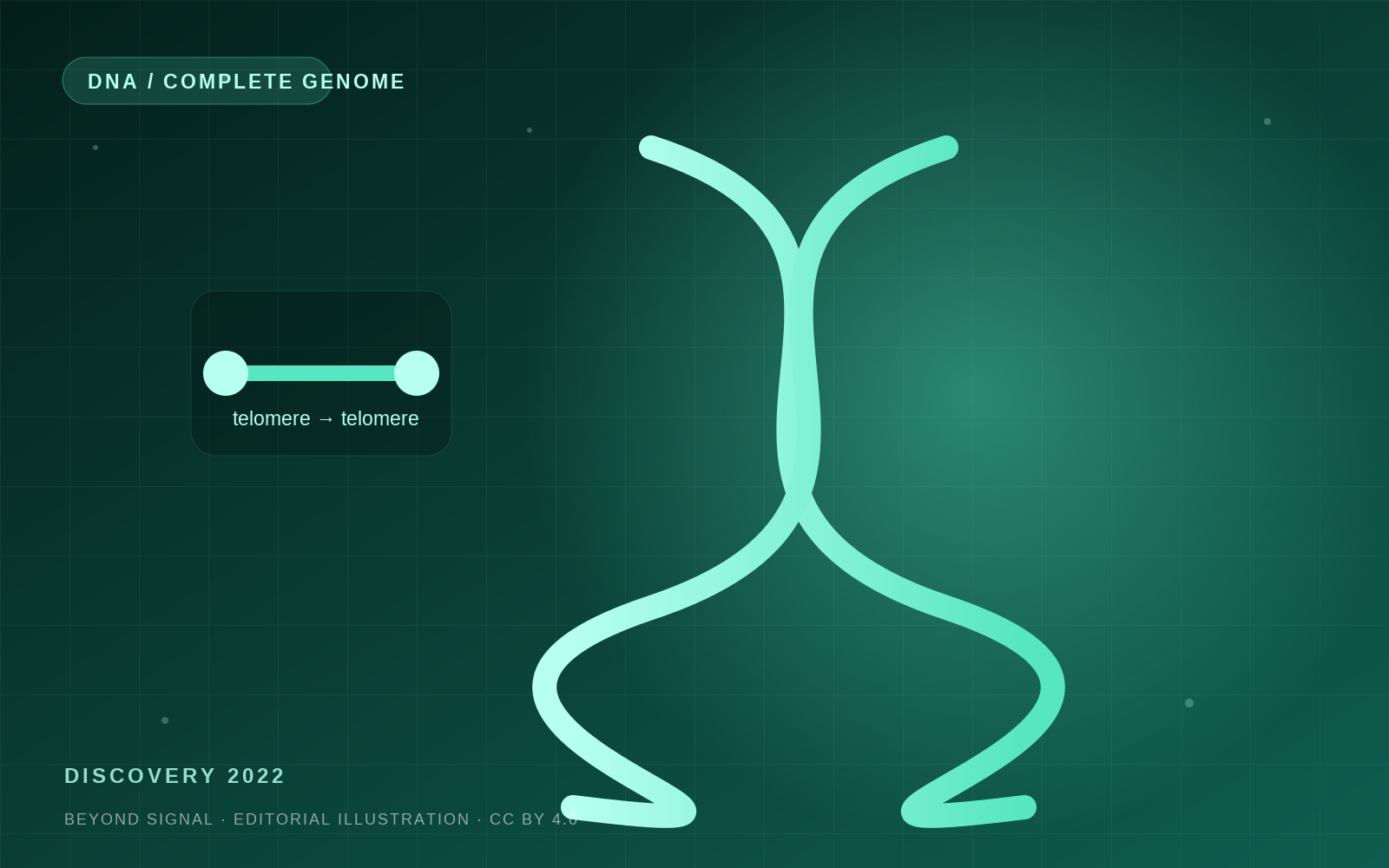 Illustration🧬 Biology
The First Gapless Human Genome Sequence
The Telomere-to-Telomere Consortium filled the remaining gaps in the human reference genome, adding nearly 200 million DNA letters and complete views of centromeres, segmental duplications, and chromosome ends.
Read more → Illustration🤖 Technology
Bridge RNAs Link DNA Targets and Donors for Programmable Recombination
Researchers found that IS110 elements use a bridge RNA with independently programmable donor- and target-recognition loops, enabling sequence-specific DNA insertion, excision, and inversion in laboratory experiments.
Read more →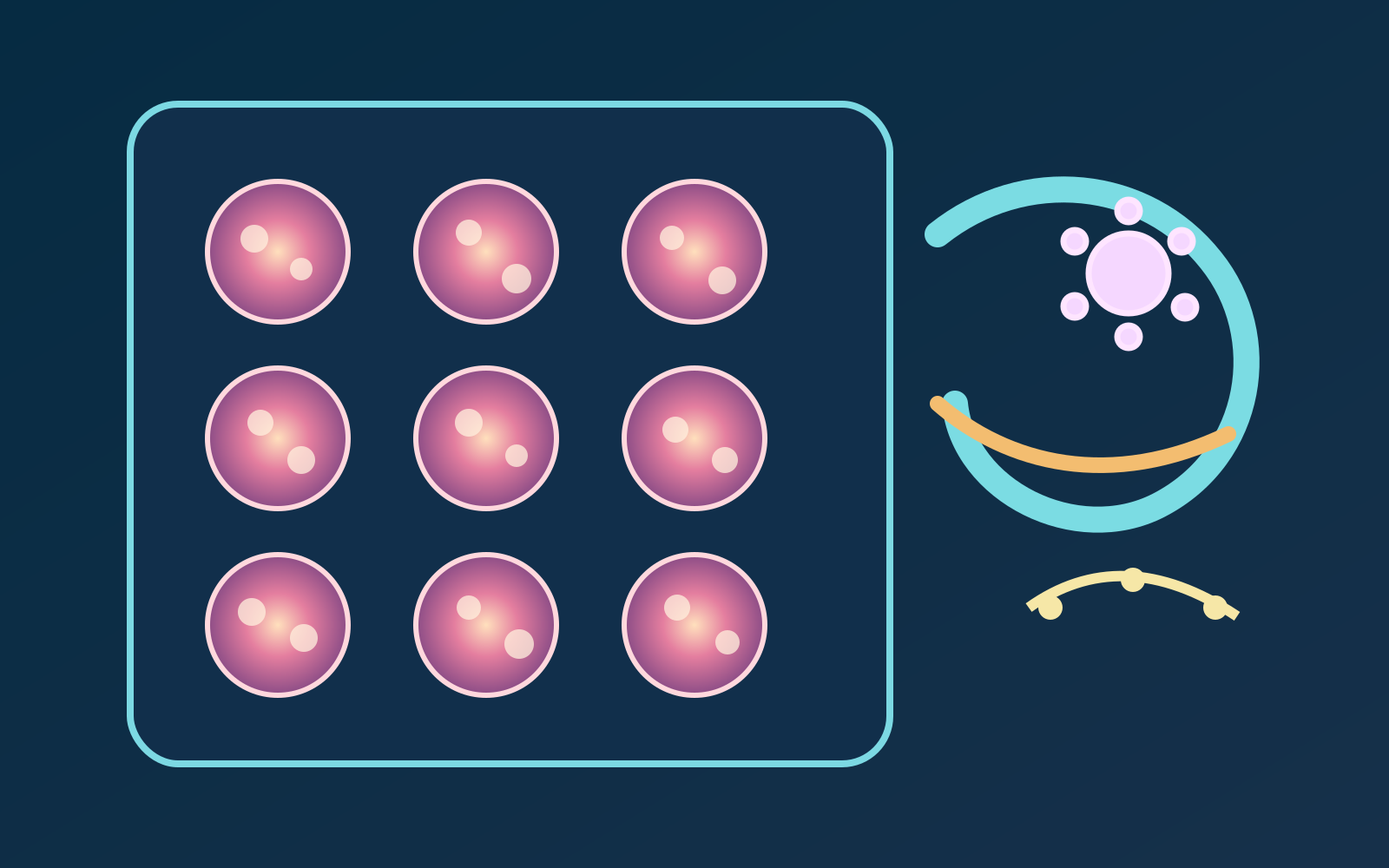 Illustration🤖 Technology
Human Lung-Bud Microarrays Expose a BMP-Linked Infection Signal
Researchers grew reproducible human lung buds in microarrays and used them to identify BMP signalling as a host pathway associated with SARS-CoV-2 infection in the model.
Read more →