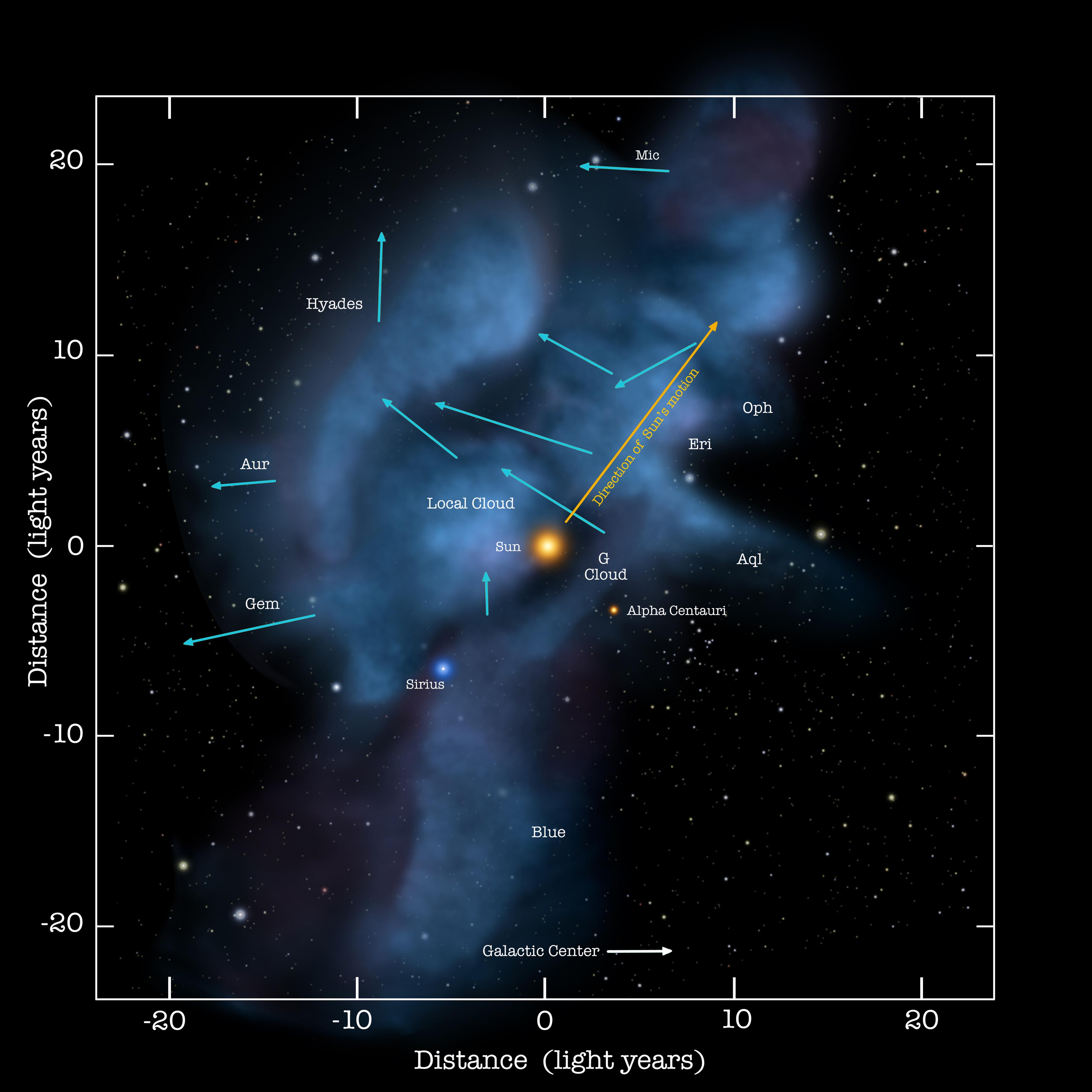
Eos: A Hidden Molecular Cloud Near the Sun
Astronomers discovered Eos, a vast molecular cloud only about 300 light-years away, by detecting ultraviolet fluorescence from molecular hydrogen — a first for this class of cloud.
The story
Why scientists were there
Molecular clouds are the raw material of stars, but many are effectively invisible when scientists search only for the usual carbon-monoxide tracer.
How they found it
Researchers searched far-ultraviolet data for the glow produced when starlight excites molecular hydrogen and found a previously hidden cloud in the Local Bubble.
What makes it unique
Eos shows that nearby star-forming material can remain hidden in plain sight and provides a new way to study how molecular clouds form and disperse.
Gallery

Where it was found
McDonald Observatory, Texas, USA
Tags
Related discoveries
 🌌 Space
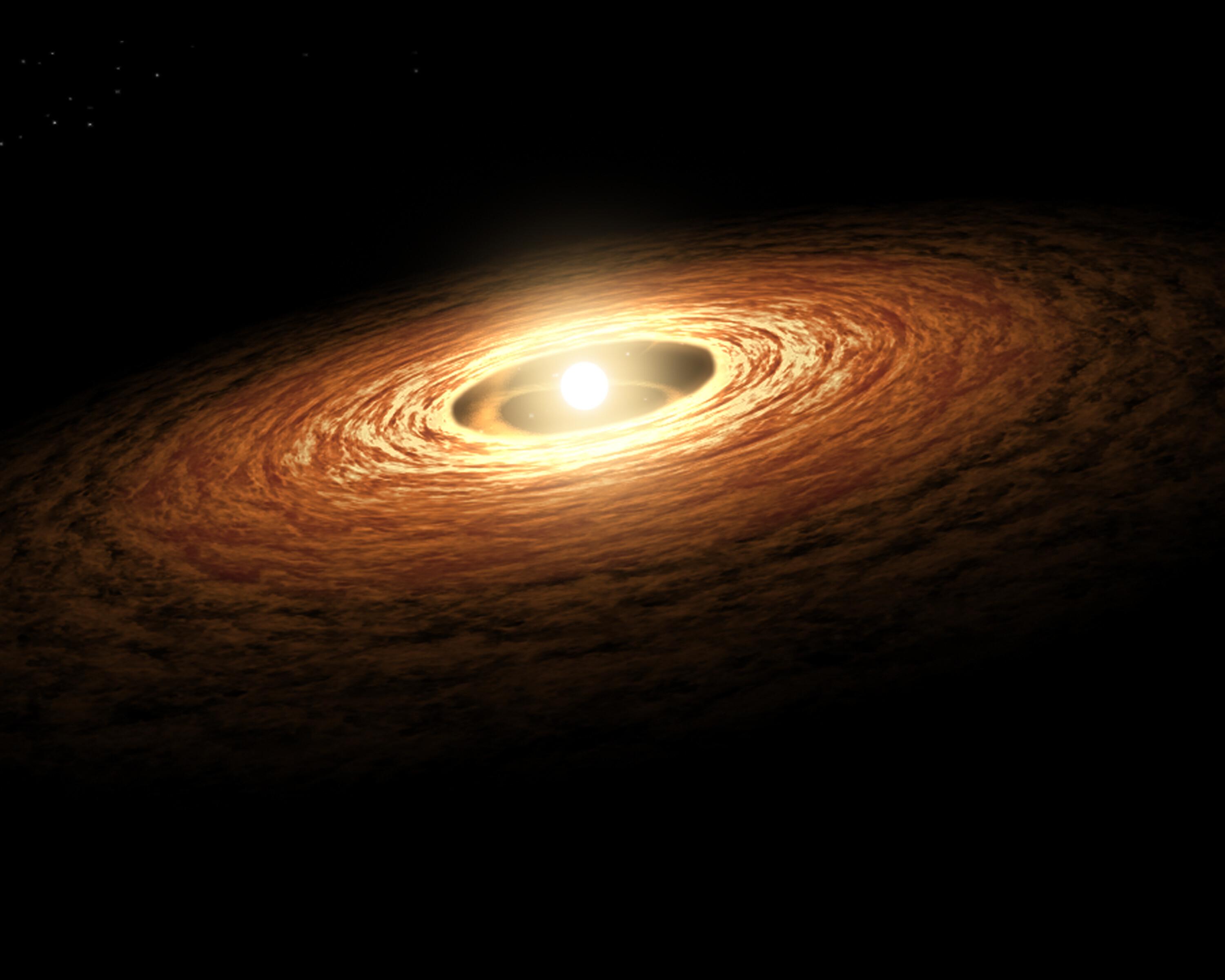
Planet Formation Caught at the Start around HOPS-315
Astronomers observed the first specks of planet-forming minerals beginning to solidify around a young star, catching a process analogous to the birth of our Solar System.
Read more →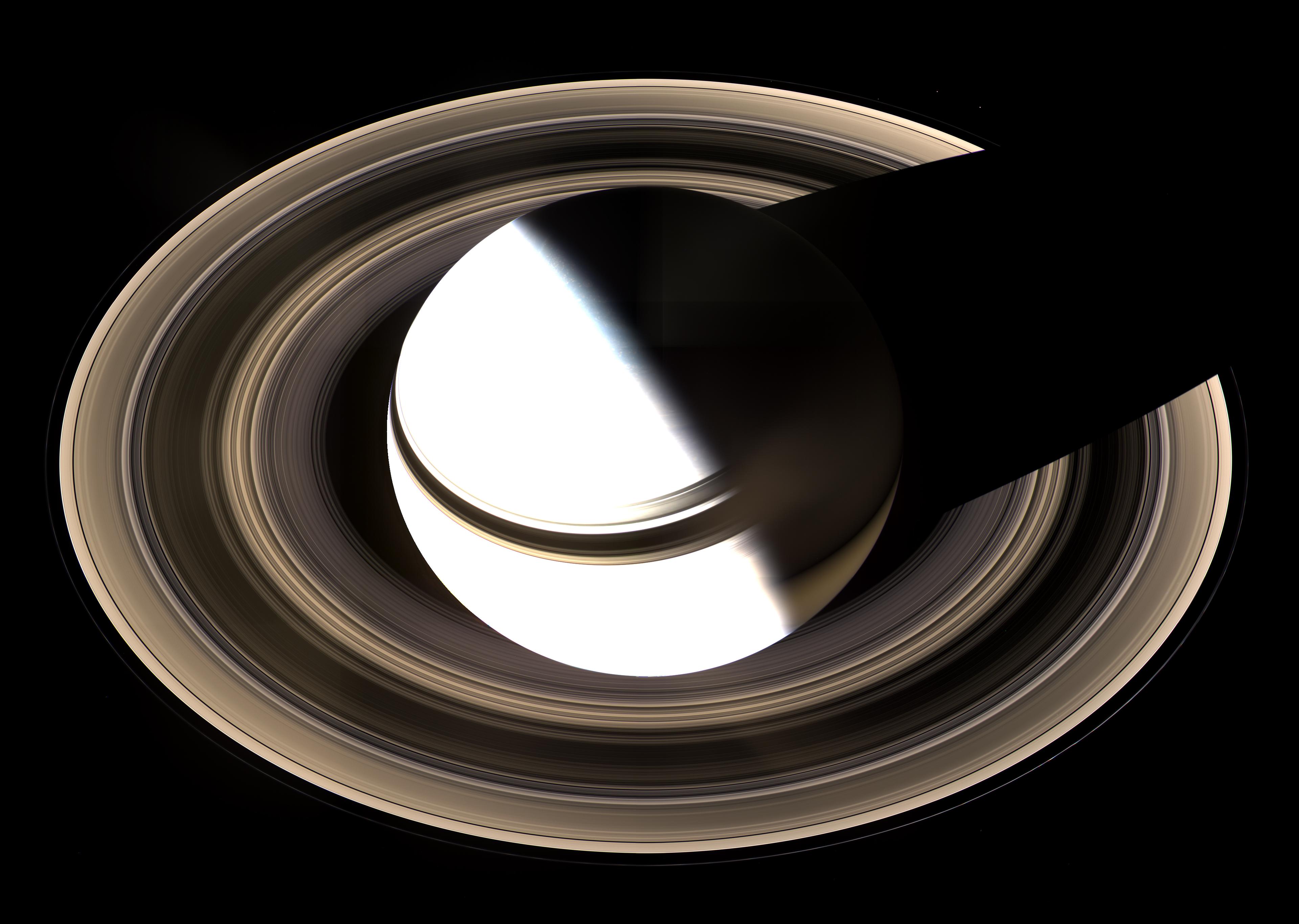 🌌 Space
Saturn's 128 New Moons
An international team found and confirmed 128 previously unrecognized small moons of Saturn, raising the planet's official total to 274 at the time of announcement.
Read more → Illustration🌌 Space
The Largest Interstellar Sulfur-Bearing Molecule Yet
Radio spectra revealed 2,5-cyclohexadiene-1-thione in a Galactic-centre molecular cloud, the largest sulfur-bearing molecule yet identified in interstellar space.
Read more →