
 Illustration — not a photo of the discovery
Mosura Fentoni, a Three-Eyed Cambrian Predator
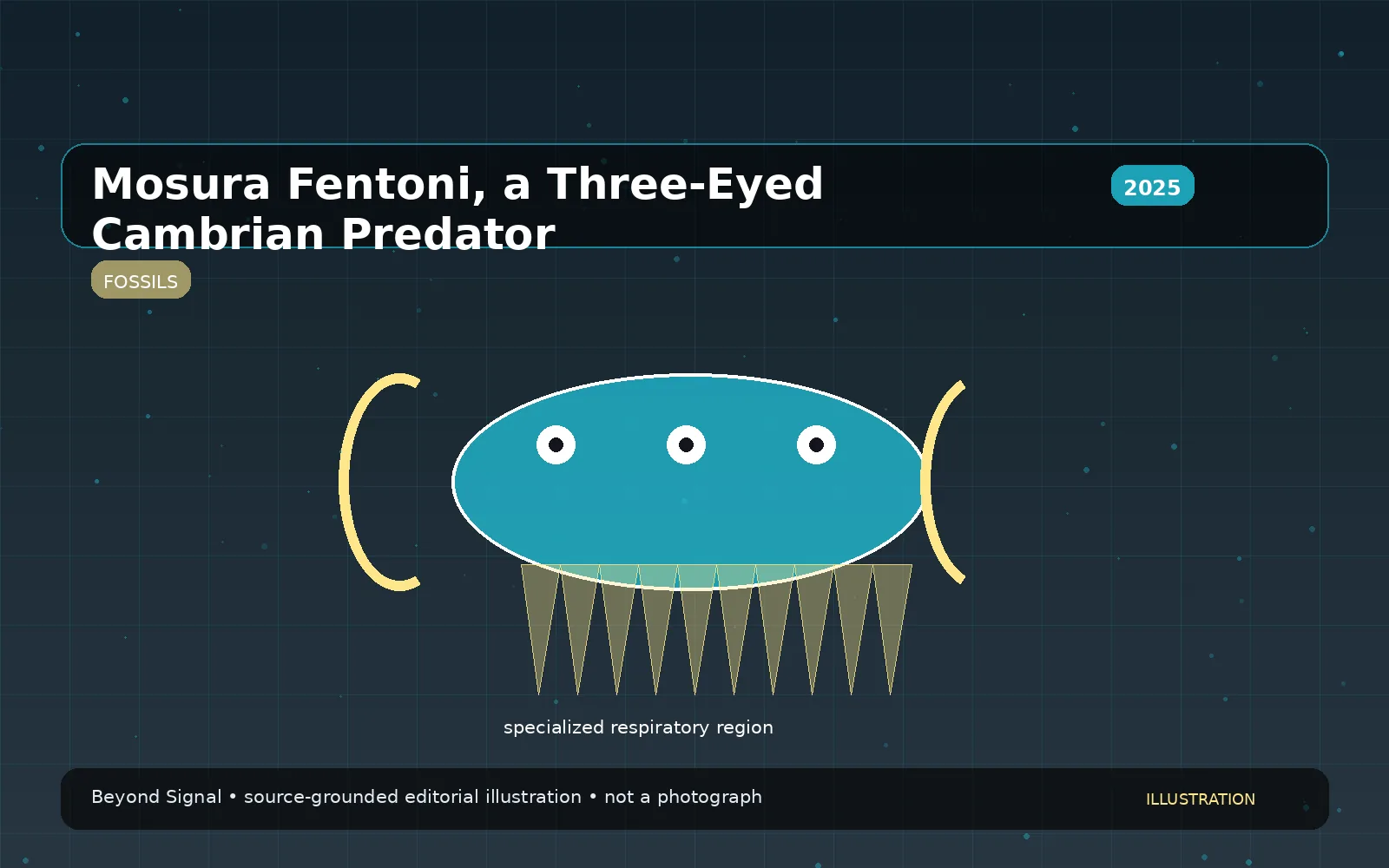
More than 60 Burgess Shale fossils revealed Mosura fentoni, a roughly six-centimetre radiodont with three eyes, grasping frontal appendages, and a body divided into a broad swimming region and a specialized rear section carrying respiratory structures. The anatomy expands the known diversity of early arthropod relatives.
The story
Why scientists were there
Royal Ontario Museum expeditions excavated Marble Canyon because its fine-grained Cambrian rocks preserve soft tissues that normally decay. The site has produced many animals related to the evolutionary radiation of arthropods.
How they found it
Researchers prepared and photographed compression fossils preserving eyes, limbs, gut traces, body flaps, and gill-like structures. They compared the consistent anatomy across dozens of specimens with known radiodont groups and used phylogenetic analysis to place the new species.
What makes it unique
Mosura combined a compact predatory front end with 26 trunk segments and a differentiated respiratory rear region. That degree of body specialization shows that arthropod relatives were experimenting with complex regional anatomy more than 500 million years ago.
Gallery
Where it was found
Marble Canyon, Burgess Shale, British Columbia
Tags
Related discoveries
 Illustration🦕 Dinosaurs & Fossils
Perucetus Colossus, an Exceptionally Heavy Early Whale
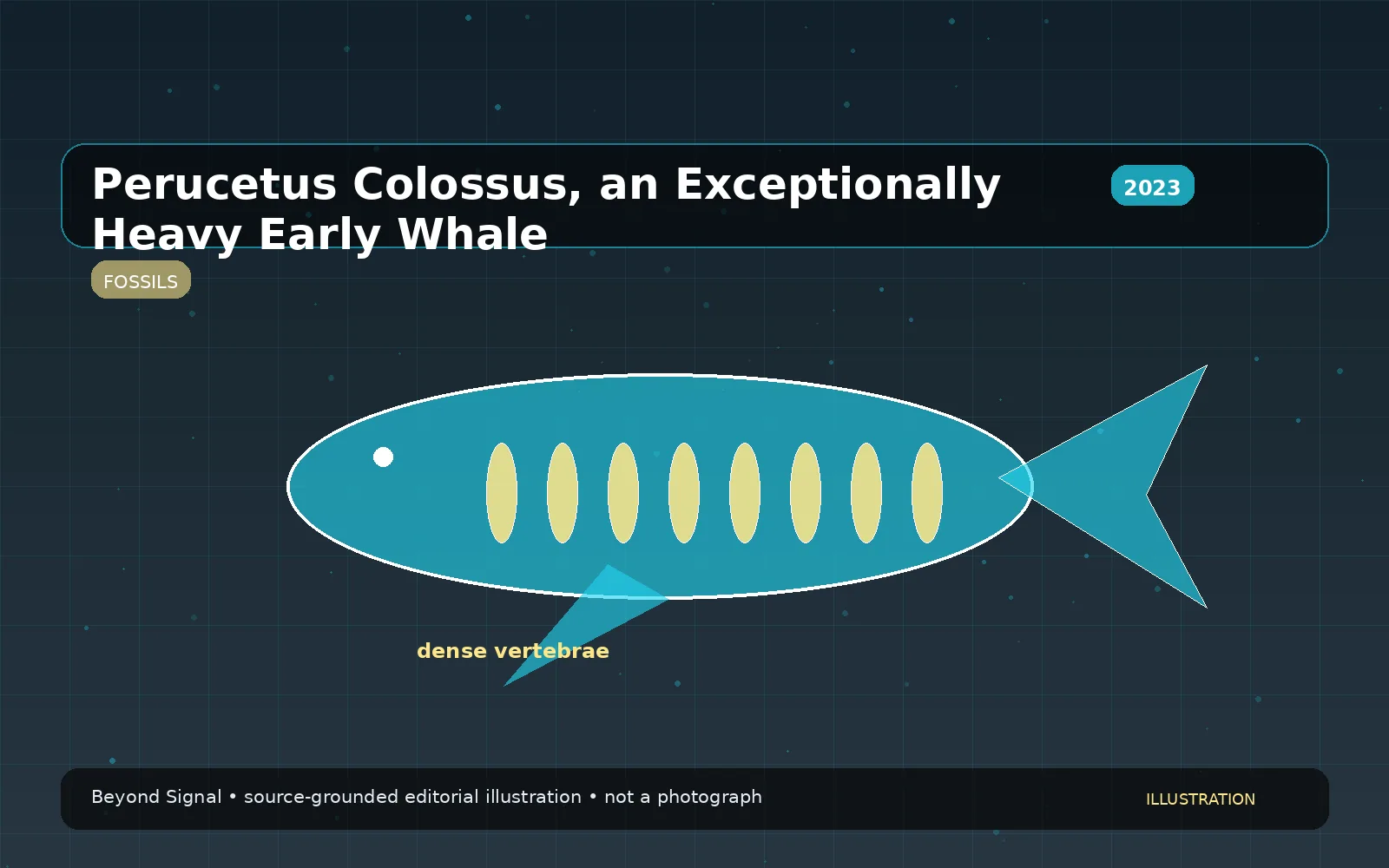
A partial skeleton from Peru's Eocene Pisco Basin revealed Perucetus colossus, an early whale with extraordinarily thick and dense vertebrae and ribs. Initial mass estimates suggested an animal of exceptional weight, although later analyses have debated how much soft tissue should be reconstructed around the unusual bones.
Read more →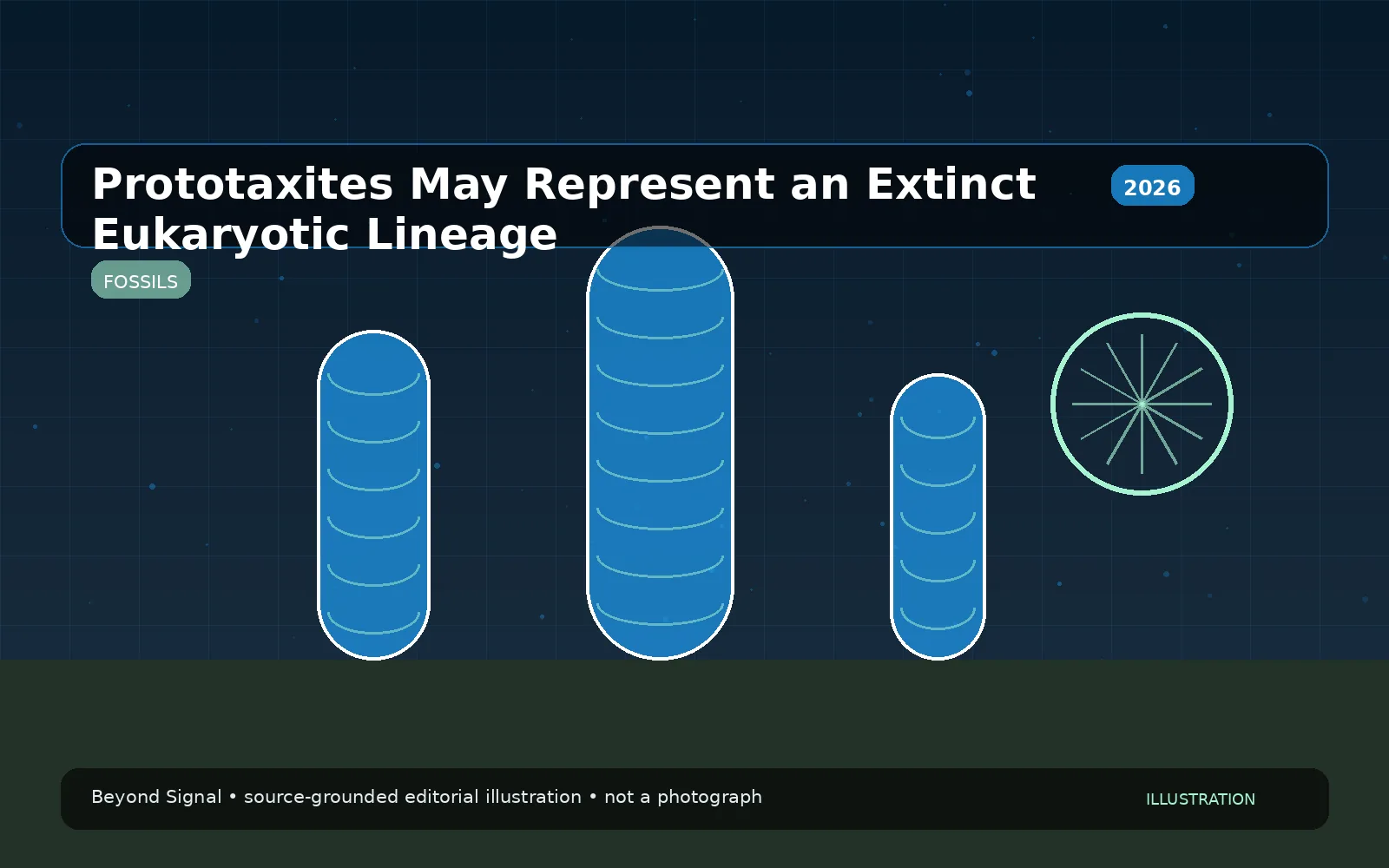 Illustration🦕 Dinosaurs & Fossils
Prototaxites May Represent an Extinct Eukaryotic Lineage
Chemical and structural analyses of the giant Devonian organism Prototaxites found that its tissues do not match known fungi and may represent an entirely extinct branch of complex eukaryotic life. The interpretation revives a long-running debate over the identity of trunk-like fossils that towered over early land ecosystems.
Read more →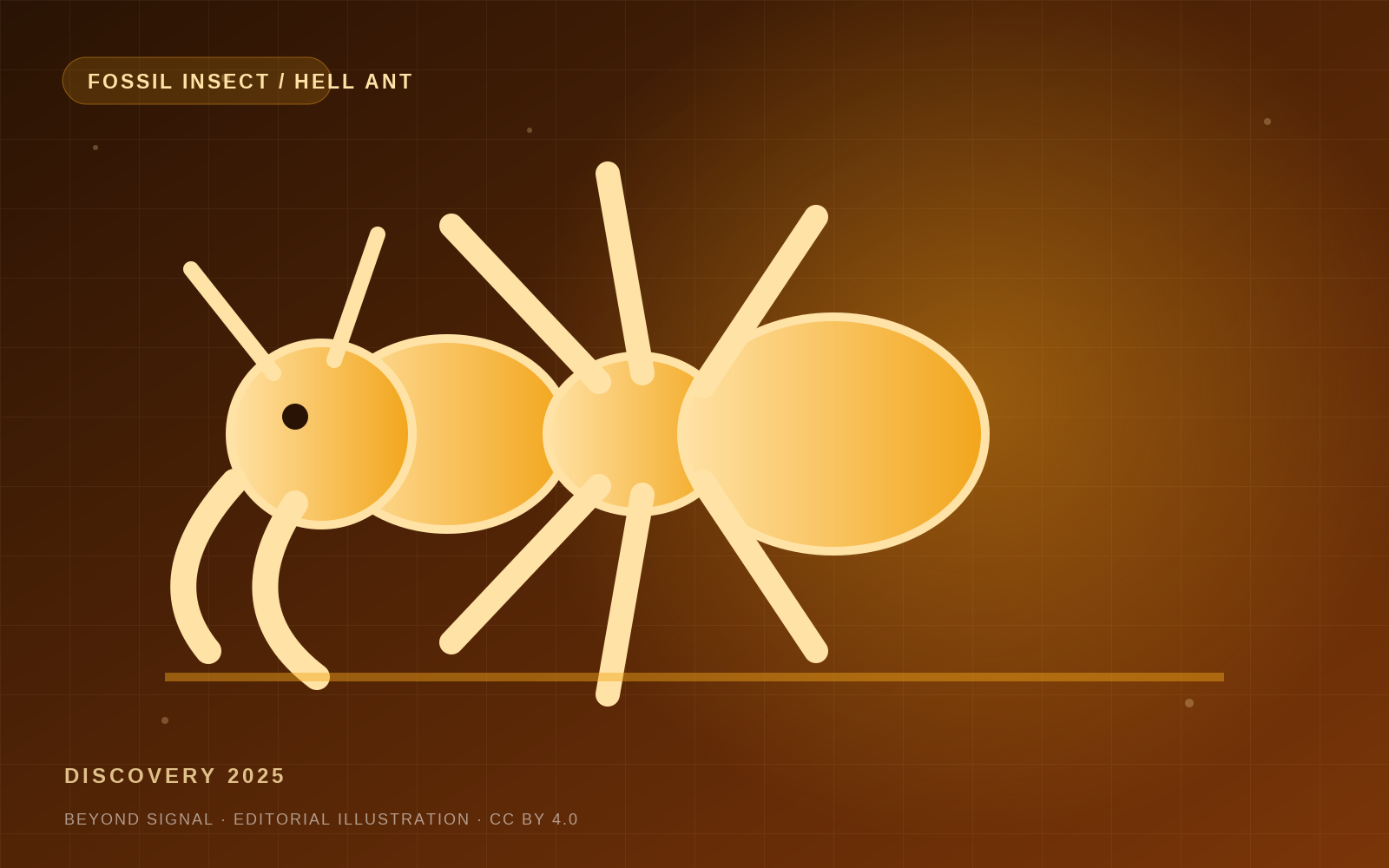 Illustration🦕 Dinosaurs & Fossils
Vulcanidris Cratensis, the Oldest Known Ant
A 113-million-year-old compression fossil from Brazil was recognized as a new hell-ant species and the oldest verified ant known from the fossil record.
Read more →