 Illustration — not a photo of the discovery
The Anteromedial Thalamus Gates Long-Term Memory in Mice
Longitudinal recordings and targeted perturbations in mice identified the anteromedial thalamus as a circuit node that helps select and stabilize salient memories for long-term cortical storage.
The story
Why scientists were there
Memories initially depend strongly on the hippocampus but can become distributed across cortex over weeks. This mouse study identifies a circuit-level mechanism, not a treatment for memory loss in people; translation will require testing homologous pathways, disease models, safety, and the difference between controlled tasks and human experience.
How they found it
Mice learned routes in a virtual-reality task while the team recorded neural activity in hippocampus, anteromedial thalamus, and anterior cingulate cortex over weeks. Temporarily inhibiting the anteromedial thalamus during learning left short-term performance intact but impaired later recall, while stimulation enhanced retention of a weakly rewarded route.
What makes it unique
The direct evidence is the time-resolved activity pattern and the causal change in later mouse behavior after circuit inhibition or stimulation. The proposed role as a gate between hippocampal and cortical memory systems integrates those measurements; it does not mean that the same intervention can safely strengthen human memory.
Gallery
Where it was found
Rockefeller University, New York City
Tags
Related discoveries
 Illustration🧬 Biology
The First Complete Connectome of an Insect Brain
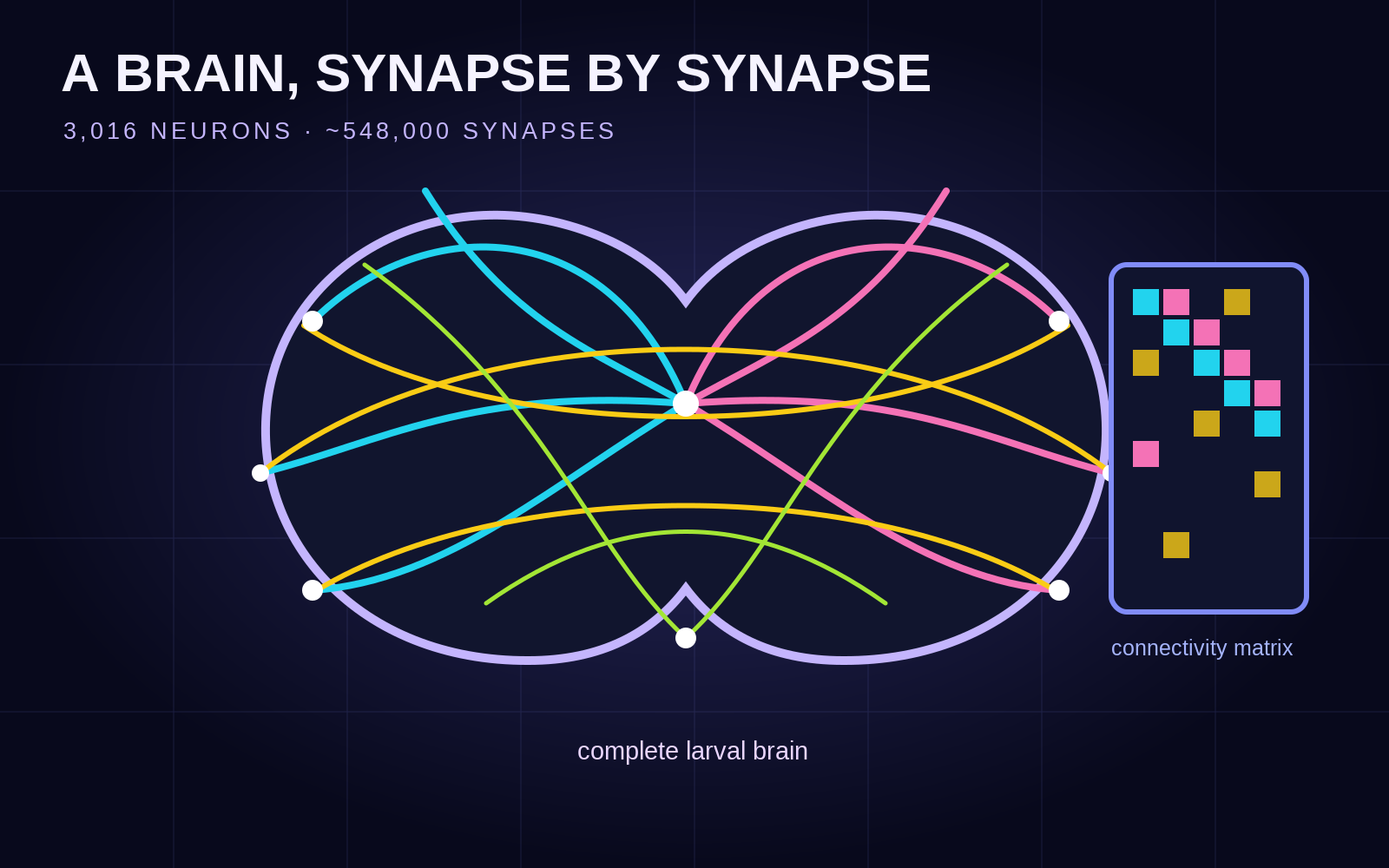
Researchers reconstructed all 3,016 neurons and roughly 548,000 synapses in a fruit-fly larva's brain, producing the first complete synaptic-resolution wiring map of an insect brain capable of complex behavior.
Read more →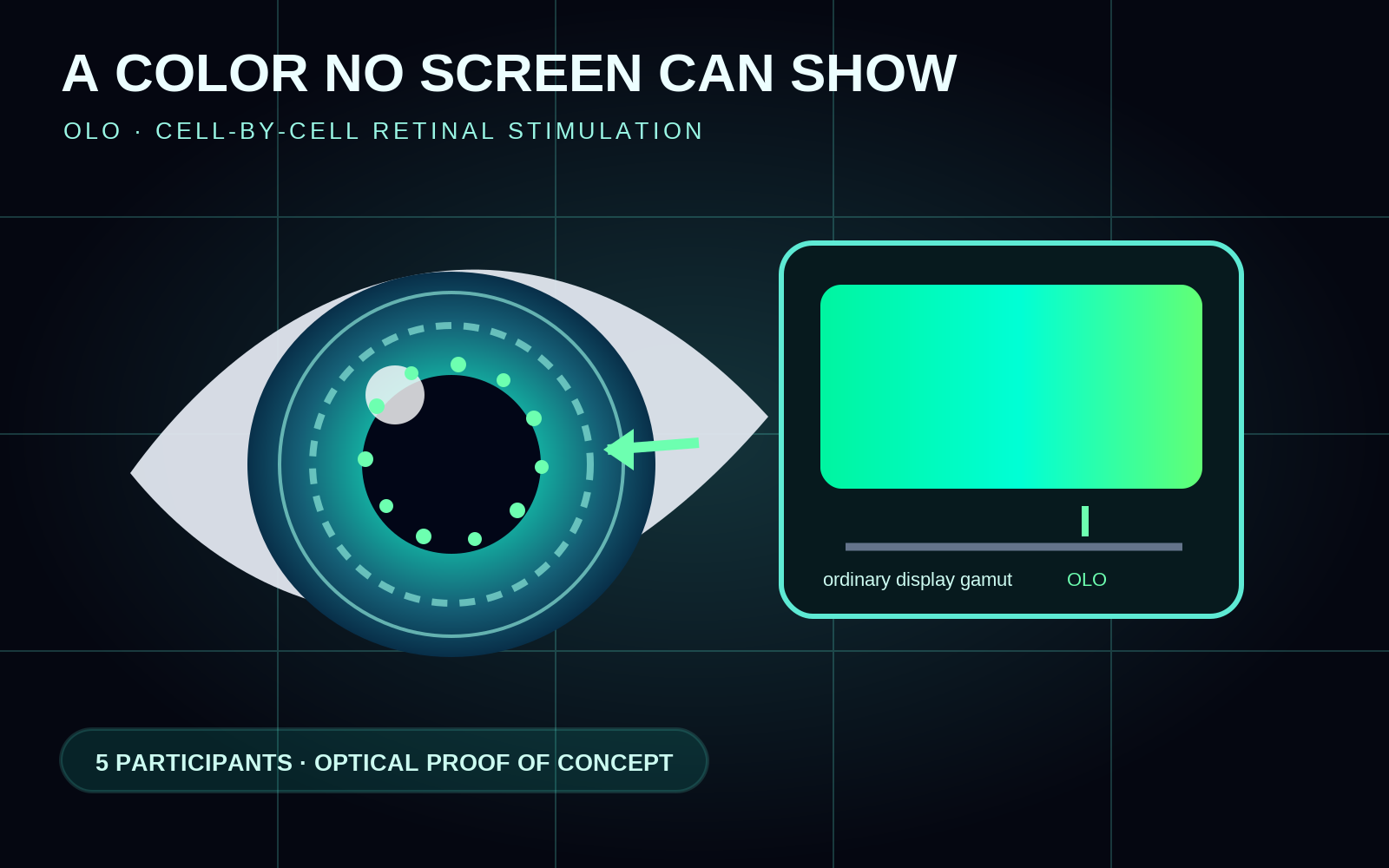 Illustration🤖 Technology
Olo, a Color Beyond the Natural Human Gamut
An adaptive-optics system stimulated selected retinal cone cells one by one, letting five participants perceive an exceptionally saturated blue-green called olo that ordinary light mixtures cannot produce on the same patch of retina.
Read more →