
Topic hub
Human evolution discoveries in Biology
This topic hub follows 3 catalogued human evolution discoveries across The Nucleon directory. Each entry connects the finding to its location, discovering institution, scientific source, and related work.
What this topic includes
In biology, human evolution can describe a change in what scientists observe, classify, or measure. The entries below are grouped by their documented subject rather than by headline popularity, making it easier to compare discoveries from different years and places.
Key discoveries
 Illustration🧬 Biology
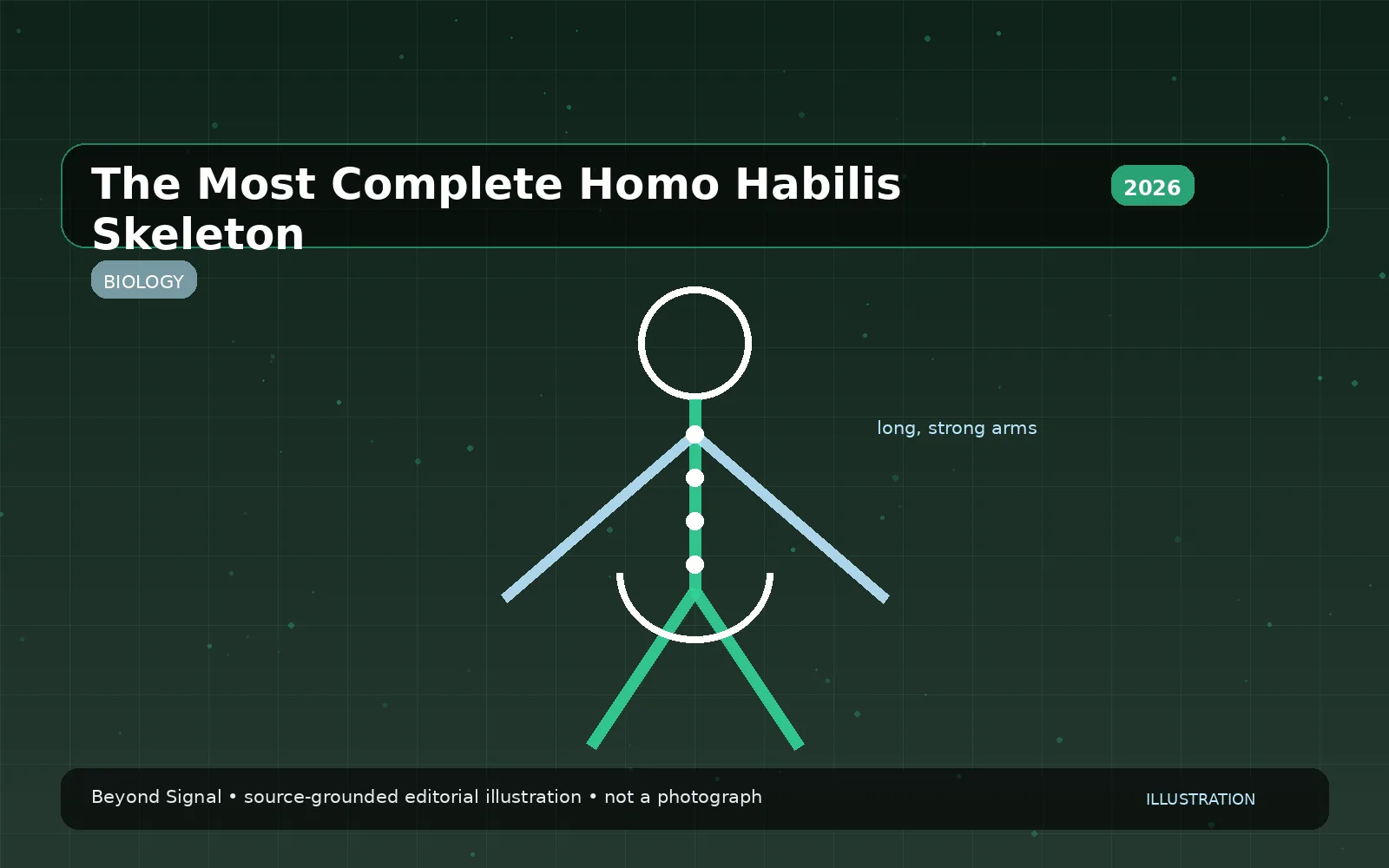
The Most Complete Homo Habilis Skeleton
KNM-ER 64061, a partial skeleton dated to about 2.02–2.06 million years ago, was described as the most complete Homo habilis skeleton yet recognized. Its associated teeth, shoulder, arm, spine, pelvis, and leg fragments reveal a small-bodied early human with long, powerful arms and a mosaic of primitive and derived traits.
Read more → Illustration🧬 Biology
The Penghu Jaw Is Identified as Denisovan
Ancient proteins extracted from the robust Penghu 1 jaw identified it as the remains of a male Denisovan, extending direct evidence of the group into subtropical Taiwan.
Read more →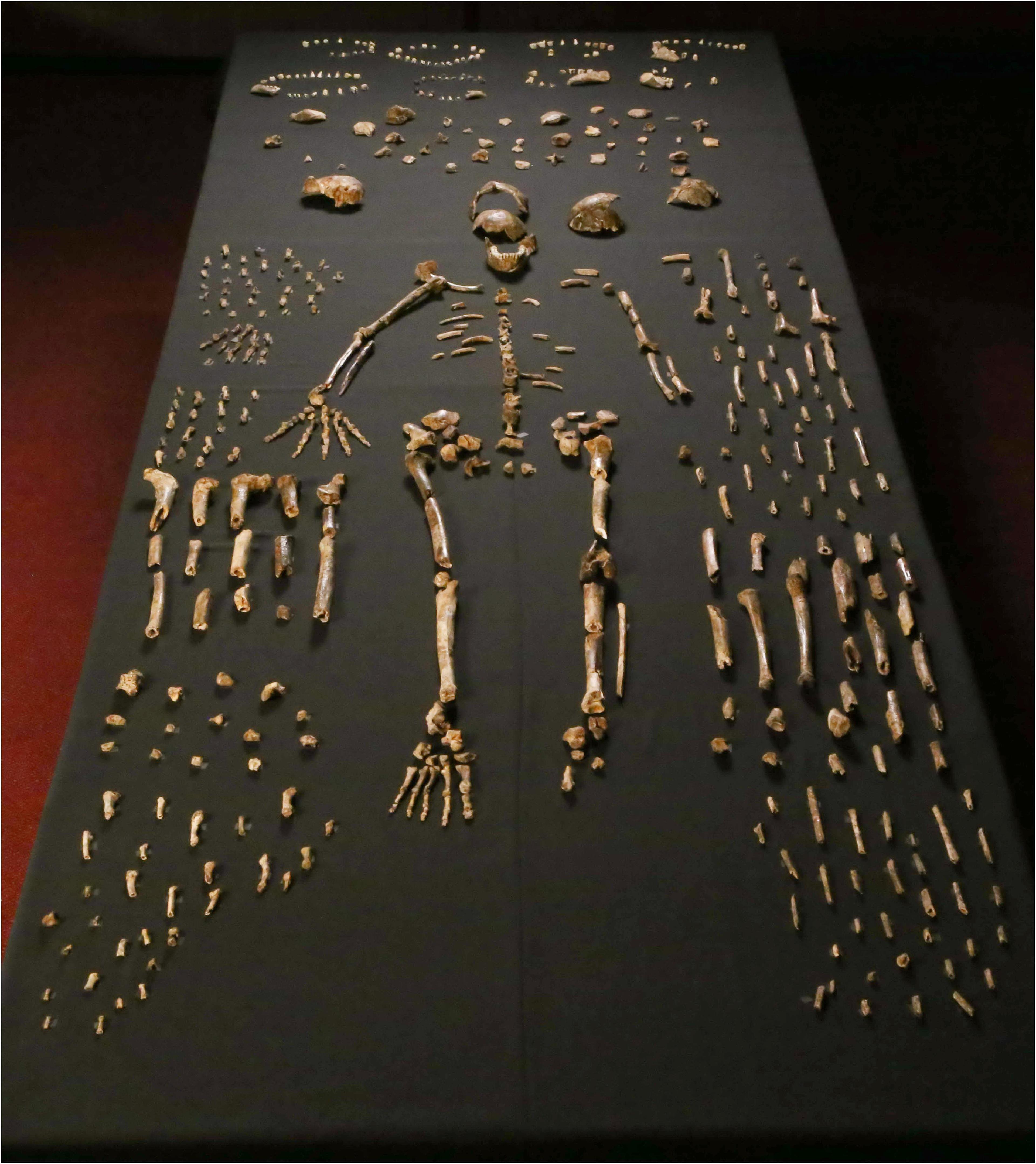 🧬 Biology
Homo naledi, a New Human Relative
More than 1,500 fossil pieces from a deep cave chamber revealed a small-brained human relative with a surprising mix of ancient and modern traits.
Read more →Questions readers ask
How many human evolution discoveries are catalogued?
The Nucleon currently lists 3. The total changes as new source-checked entries are added.
Where have these discoveries been made?
They span 3 countries or international research settings, from Ileret, Koobi Fora Formation, northern Kenya to other locations in the catalogue.
How should these entries be compared?
Start with the primary source and the discovery method. A visually striking result and a formal species or particle identification do not always use the same standard of evidence.