
Annual archive
Scientific Discoveries in 2023
A year-level index of 16 source-backed scientific discoveries from 2023. Use the monthly archives to follow the sequence of announcements, or open an entry for its location, method, and primary source.
 Illustration🌌 Space
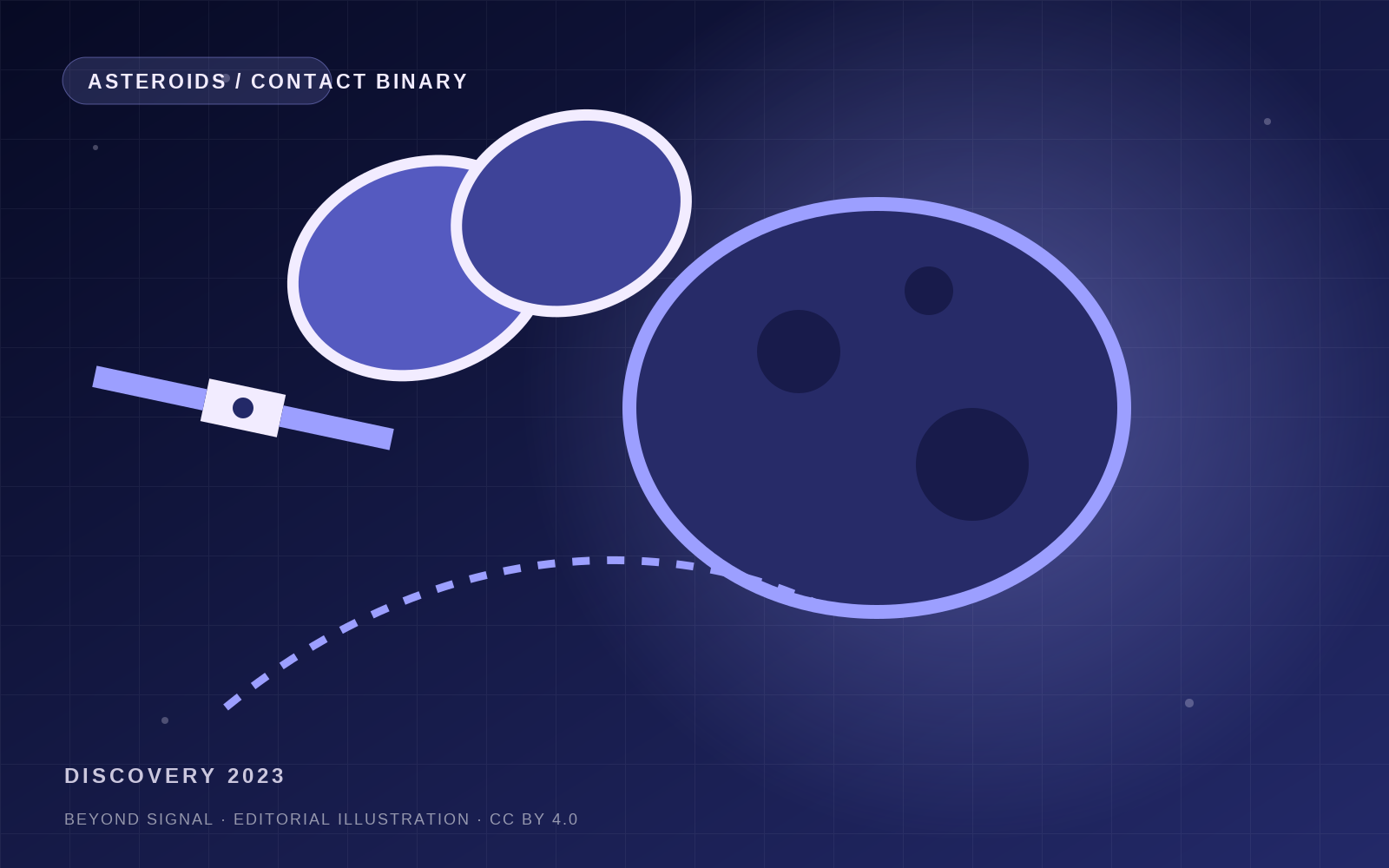
Lucy Discovers Selam, Dinkinesh's Contact-Binary Moon
NASA's Lucy spacecraft found that the small main-belt asteroid Dinkinesh has a moon composed of two lobes touching each other, the first contact-binary satellite seen during a spacecraft flyby.
Read more →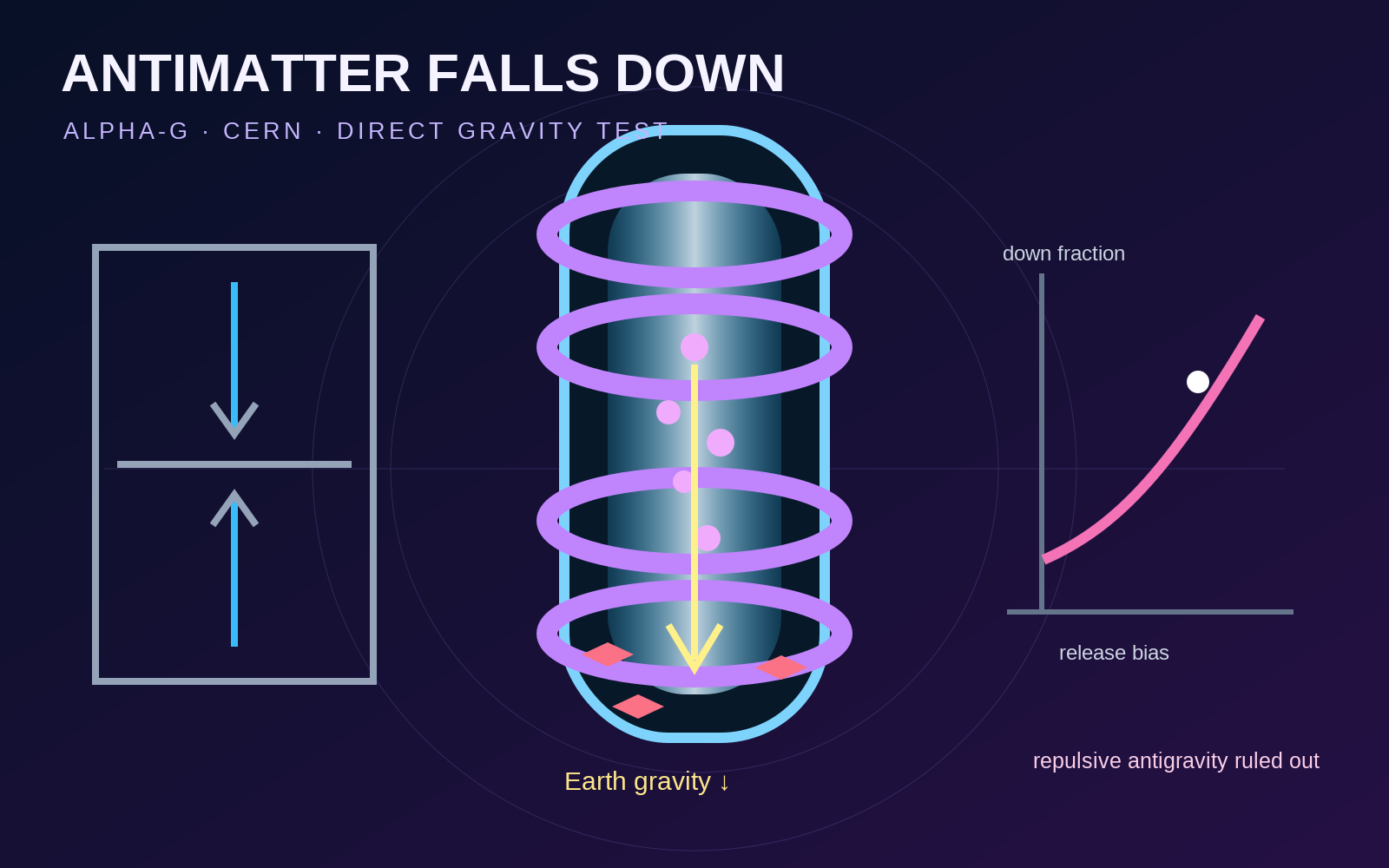 Illustration⚛️ Physics
Antihydrogen Falls Downward Under Gravity
The ALPHA-g experiment released trapped antihydrogen atoms in a vertical magnetic apparatus and observed motion consistent with gravitational attraction toward Earth, directly ruling out repulsive antigravity for antihydrogen at the experiment's precision.
Read more →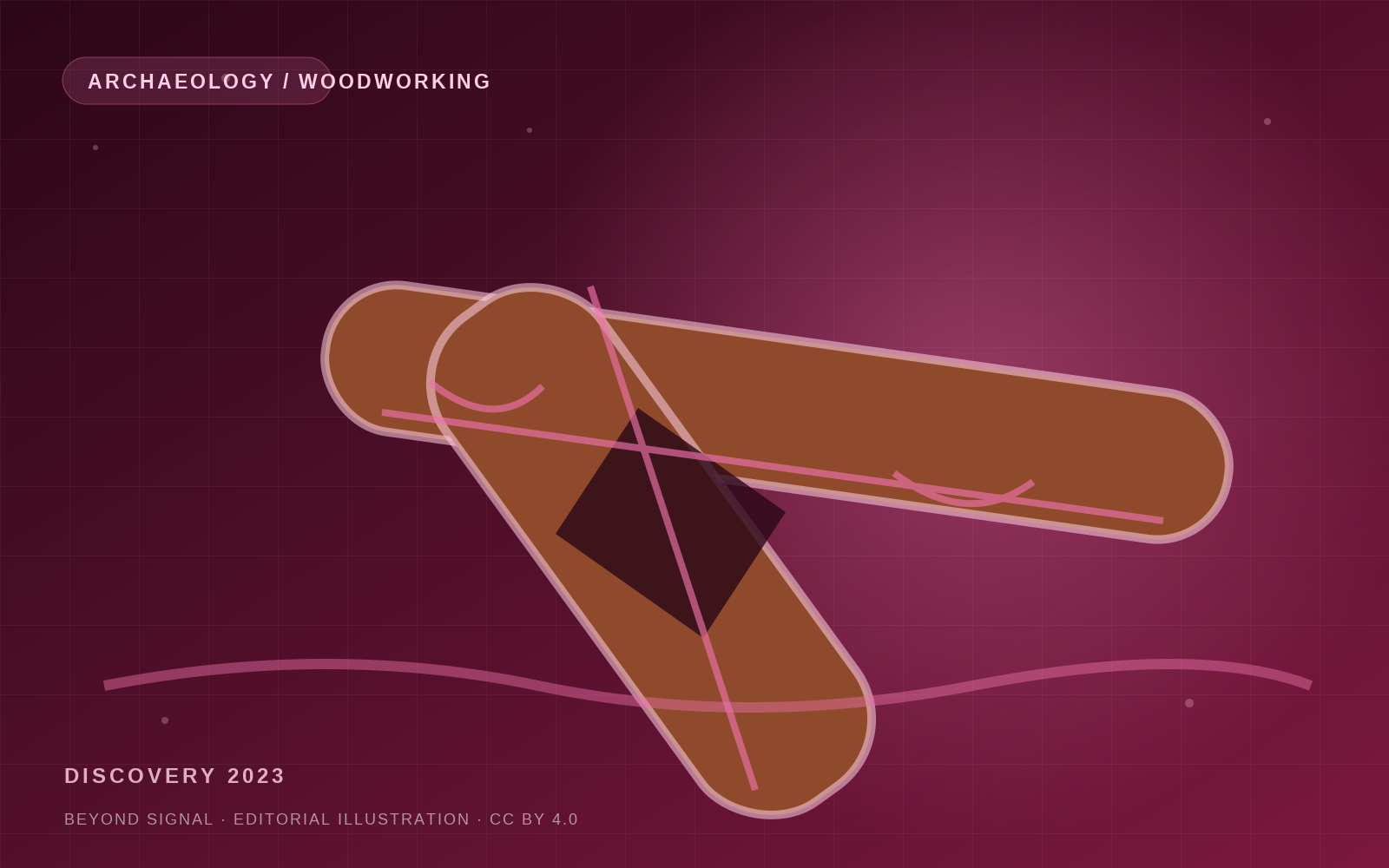 Illustration🏺 Archaeology
The 476,000-Year-Old Wooden Structure at Kalambo Falls
Two shaped logs from Zambia were dated to at least 476,000 years ago, preserving the earliest known structural use of wood by hominins.
Read more →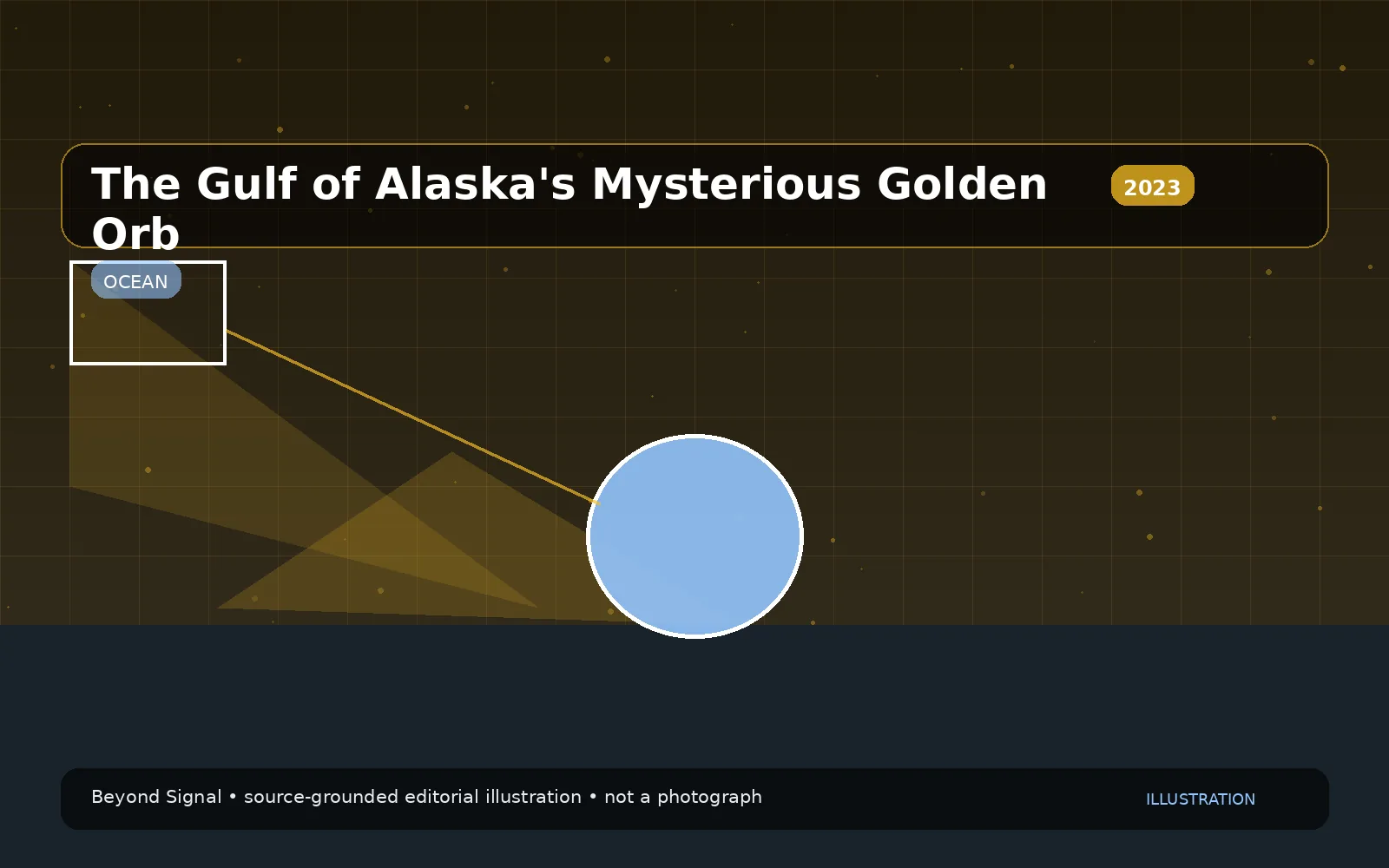 Illustration🪸 Ocean Discoveries
The Gulf of Alaska's Mysterious Golden Orb
A NOAA remotely operated vehicle found a smooth golden object attached to rock about 3,300 metres deep in the Gulf of Alaska. It resisted immediate identification as an egg case, sponge, or coral. Later microscopy and genetic work linked the material to the anchoring structure of the deep-sea anemone Relicanthus daphneae.
Read more →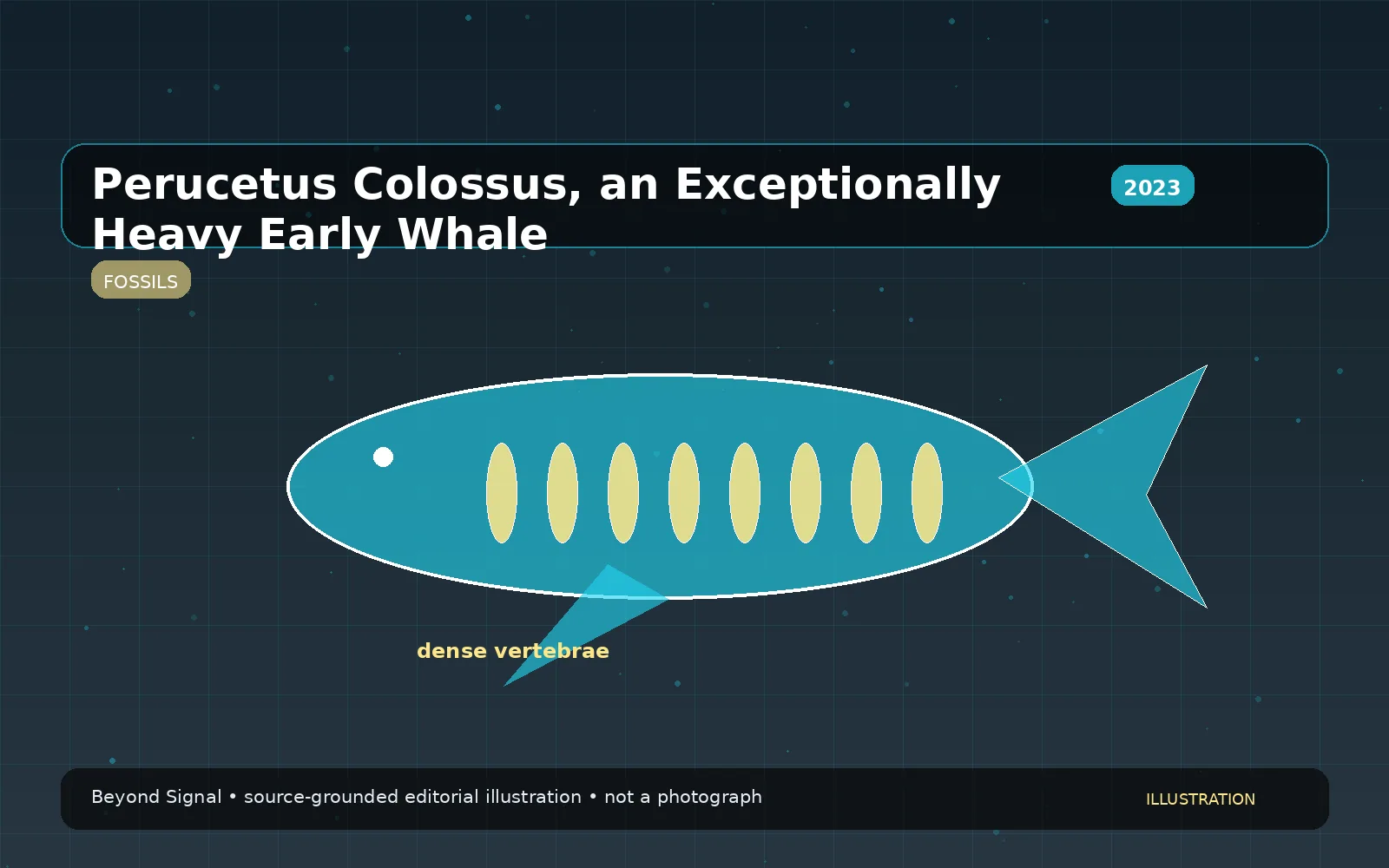 Illustration🦕 Dinosaurs & Fossils
Perucetus Colossus, an Exceptionally Heavy Early Whale
A partial skeleton from Peru's Eocene Pisco Basin revealed Perucetus colossus, an early whale with extraordinarily thick and dense vertebrae and ribs. Initial mass estimates suggested an animal of exceptional weight, although later analyses have debated how much soft tissue should be reconstructed around the unusual bones.
Read more →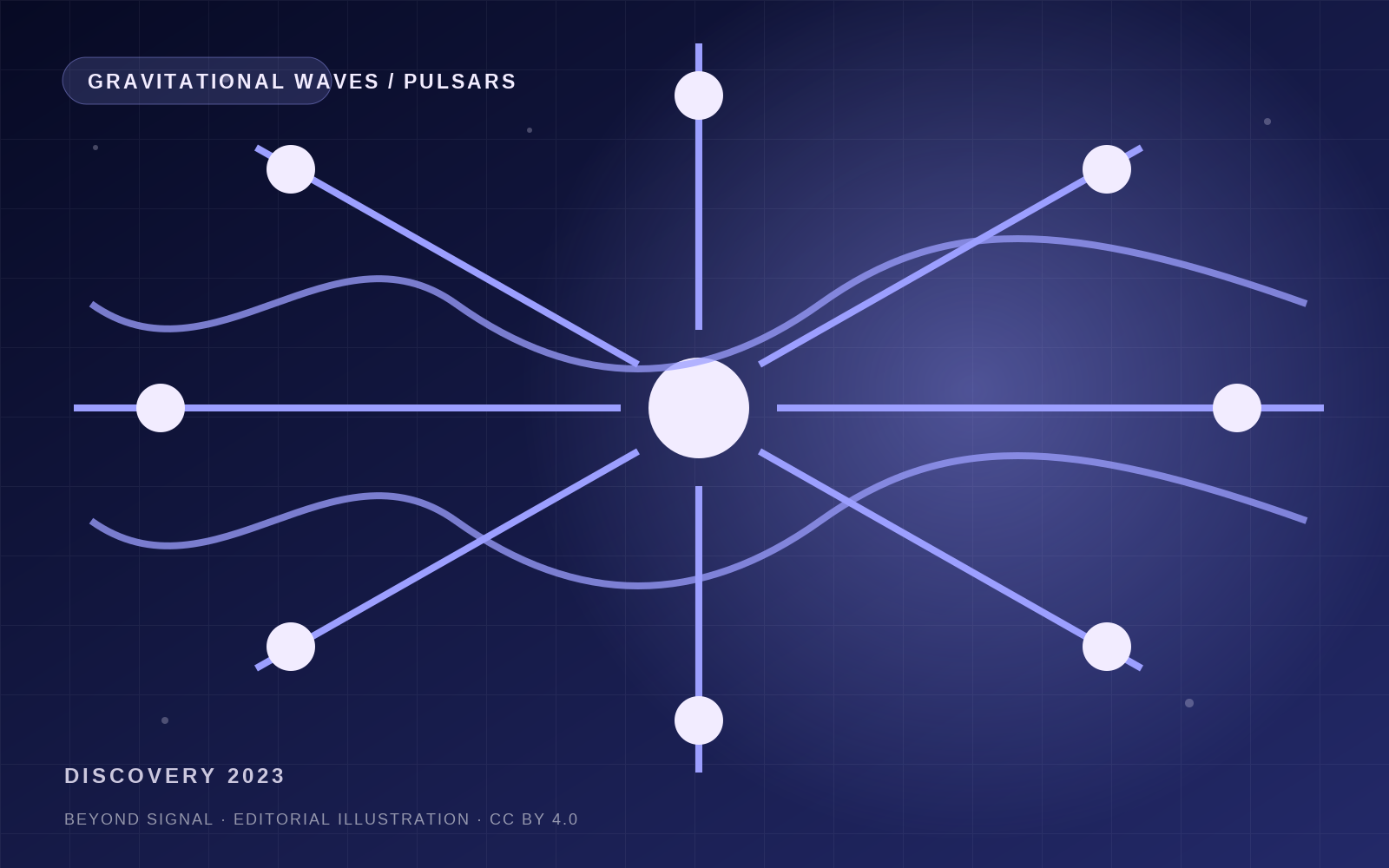 Illustration🌌 Space
NANOGrav Finds Evidence of a Cosmic Gravitational-Wave Background
Fifteen years of pulsar timing revealed the distinctive inter-pulsar correlations expected from a low-frequency gravitational-wave background, likely produced largely by orbiting supermassive black-hole binaries.
Read more →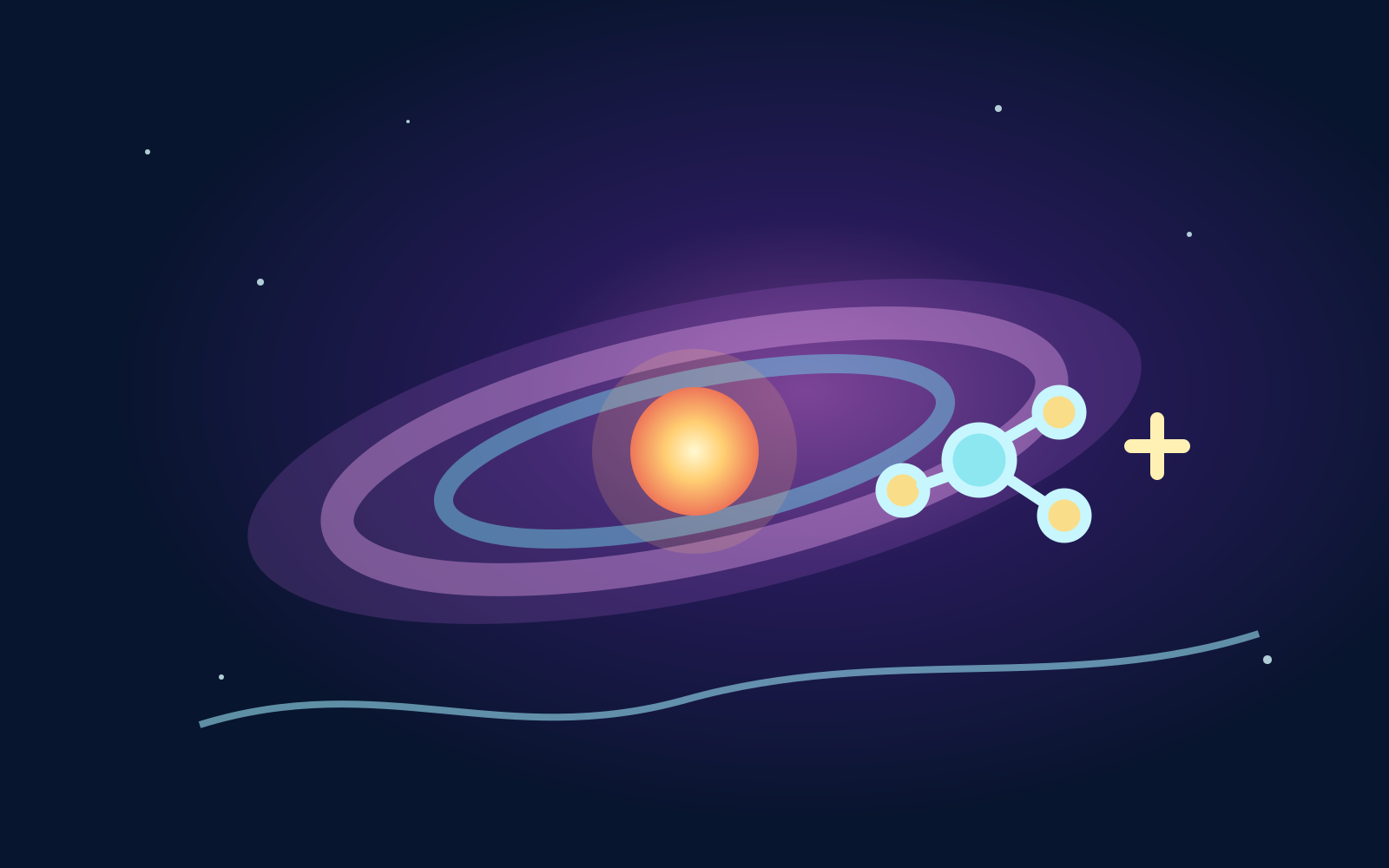 Illustration🌌 Space
JWST Detects the Methyl Cation in a Protoplanetary Disk
JWST spectra provided the first detection in space of CH₃⁺, the methyl cation, in a planet-forming disk in the Orion Nebula—direct evidence for a reactive carbon ion long expected to help initiate interstellar chemistry.
Read more →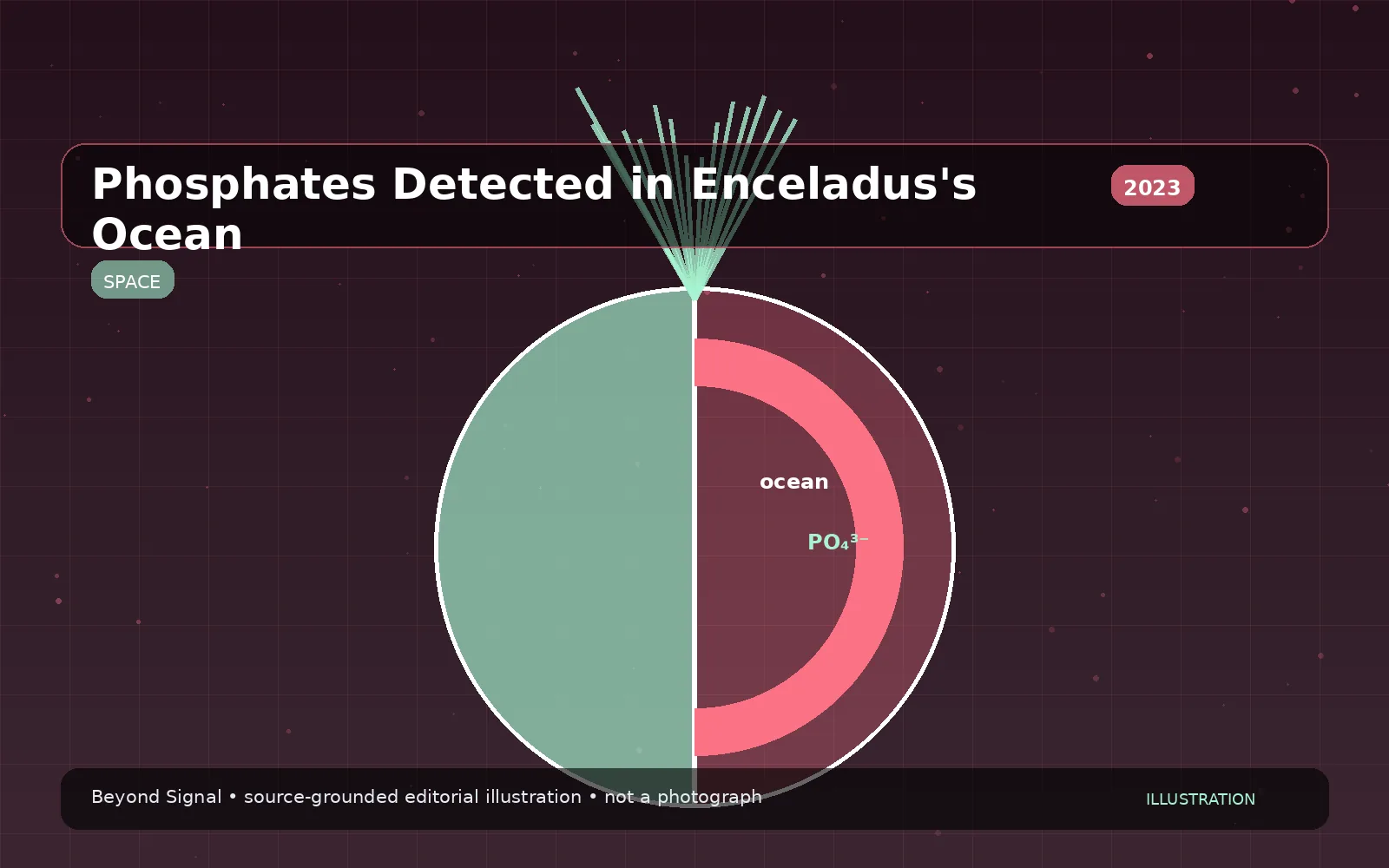 Illustration🌌 Space
Phosphates Detected in Enceladus's Ocean
Reanalysis of ice grains sampled by NASA's Cassini spacecraft detected sodium phosphates originating from the subsurface ocean of Saturn's moon Enceladus. Phosphorus is essential to terrestrial biology, and the inferred ocean concentrations were at least comparable to, and potentially higher than, those in Earth's oceans.
Read more →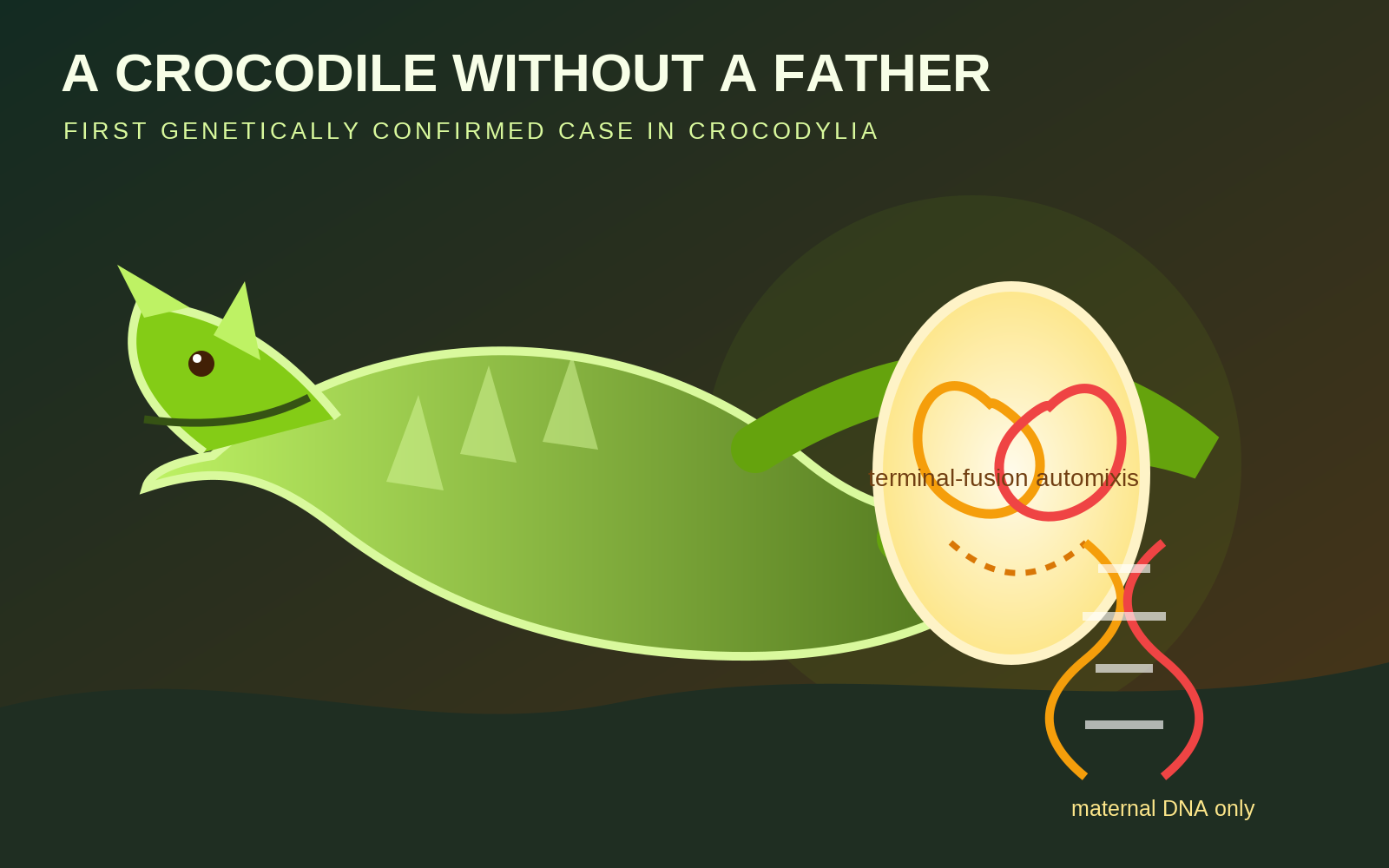 Illustration🧬 Biology
Crocodile Facultative Parthenogenesis Confirmed
Genetic analysis of a fully formed fetus from an egg laid by an isolated American crocodile documented facultative parthenogenesis in crocodilians for the first time.
Read more →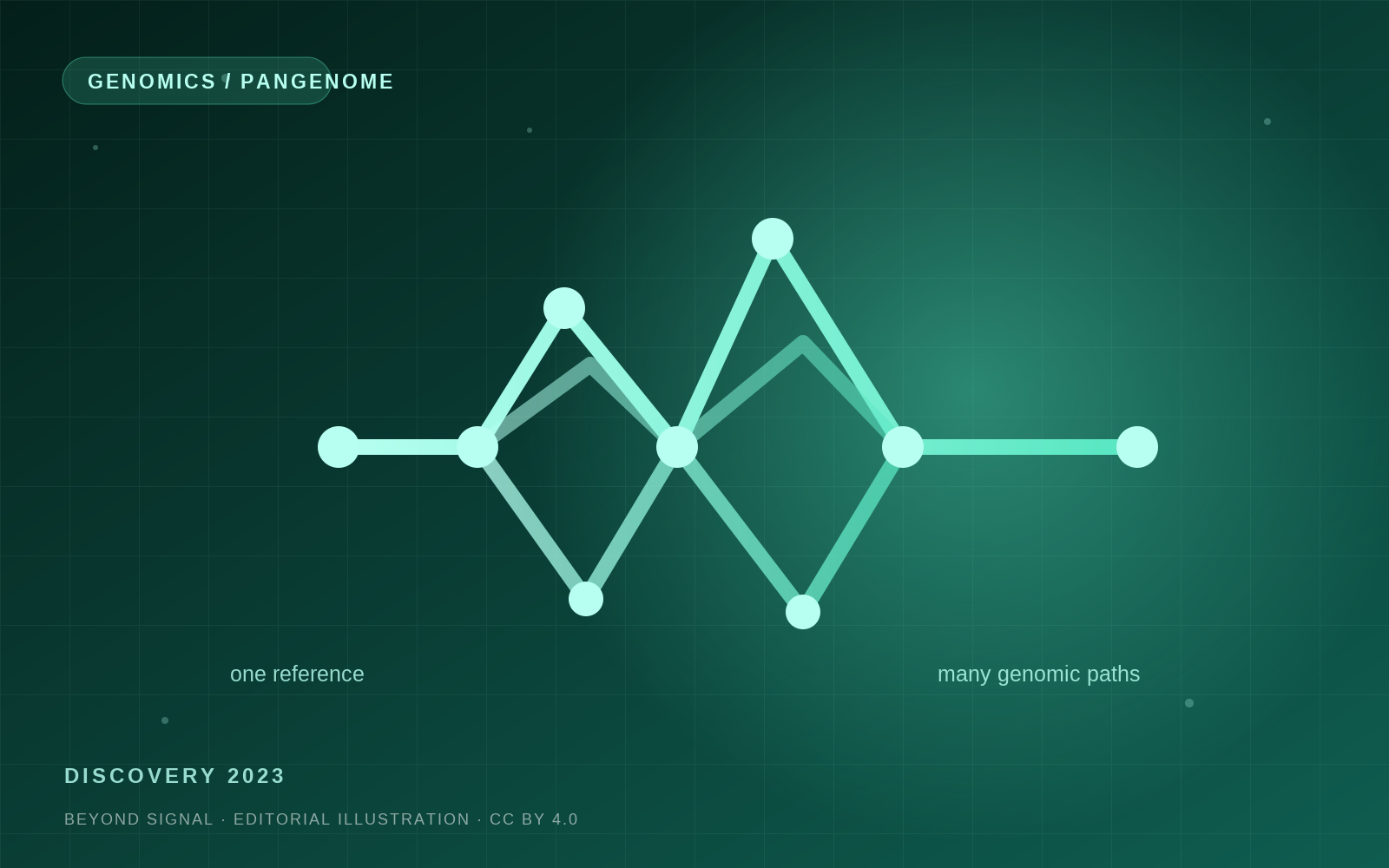 Illustration🧬 Biology
A More Diverse Human Pangenome Reference
Researchers released a draft human pangenome built from 47 genetically diverse people, replacing a single linear reference with multiple possible genomic paths.
Read more →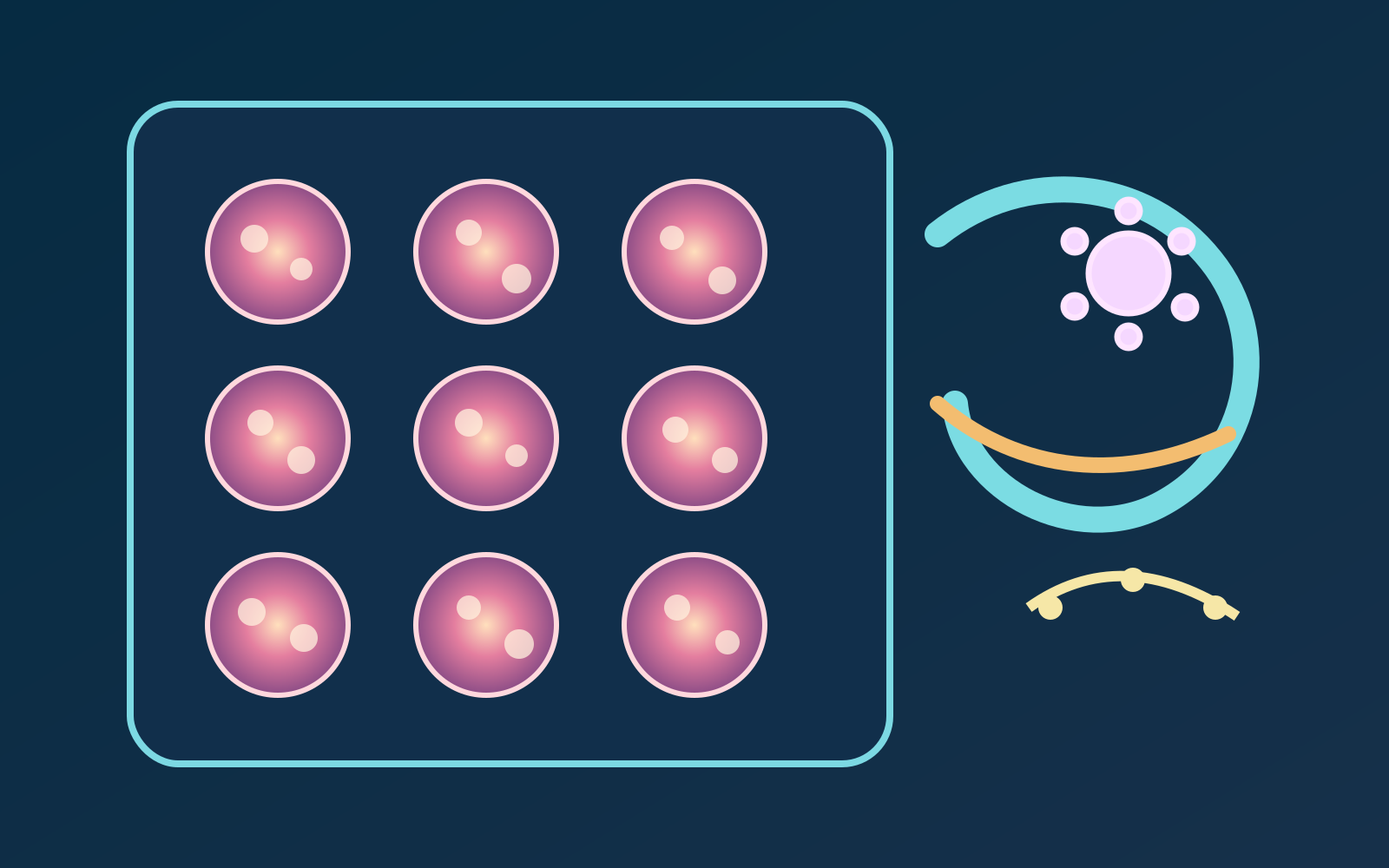 Illustration🤖 Technology
Human Lung-Bud Microarrays Expose a BMP-Linked Infection Signal
Researchers grew reproducible human lung buds in microarrays and used them to identify BMP signalling as a host pathway associated with SARS-CoV-2 infection in the model.
Read more →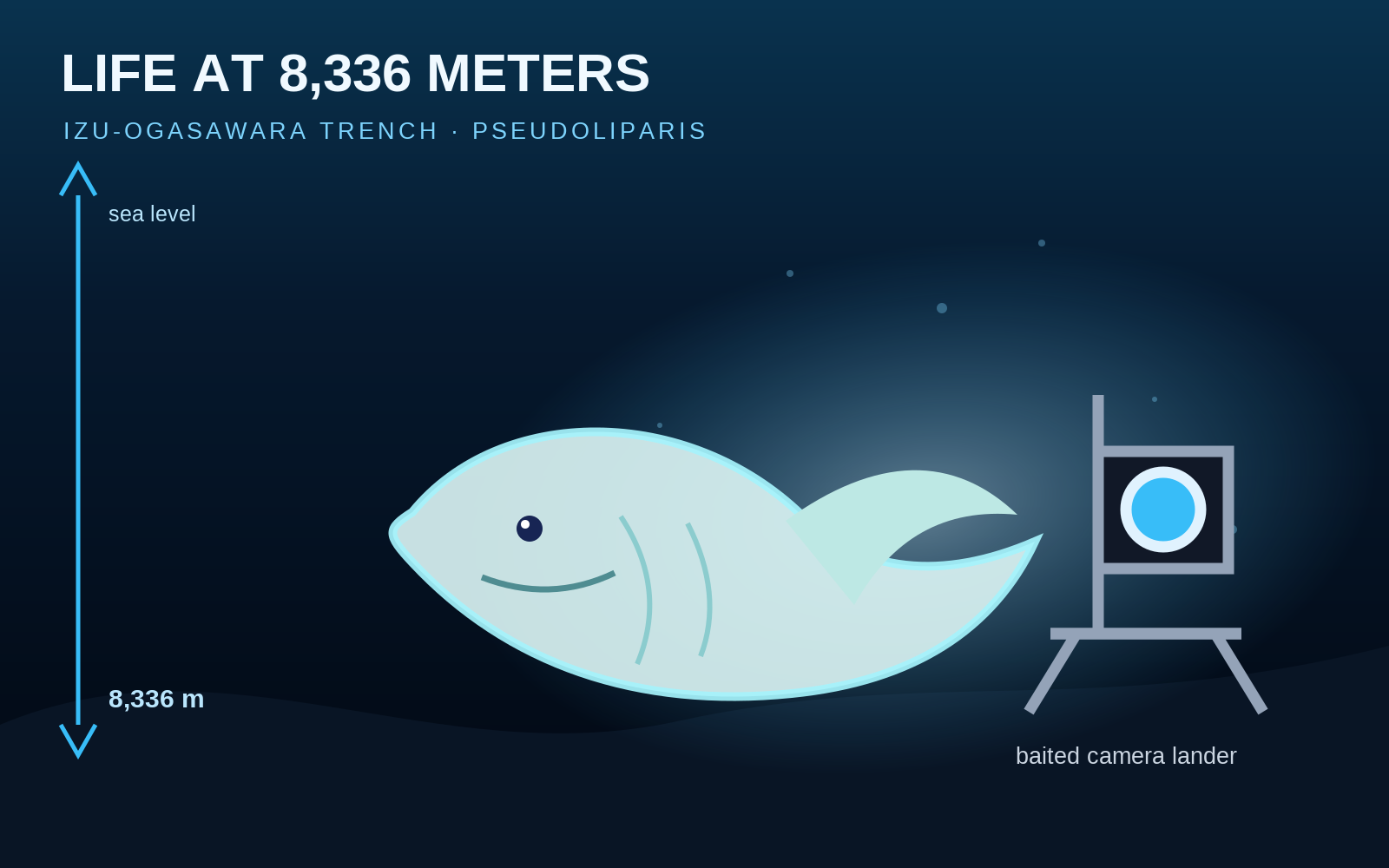 Illustration🪸 Ocean Discoveries
The Deepest Fish Ever Filmed
A baited lander recorded an unidentified Pseudoliparis snailfish 8,336 meters down in the Izu-Ogasawara Trench, setting the verified depth record for a fish filmed in the ocean.
Read more → Illustration🧬 Biology
The Anteromedial Thalamus Gates Long-Term Memory in Mice
Longitudinal recordings and targeted perturbations in mice identified the anteromedial thalamus as a circuit node that helps select and stabilize salient memories for long-term cortical storage.
Read more →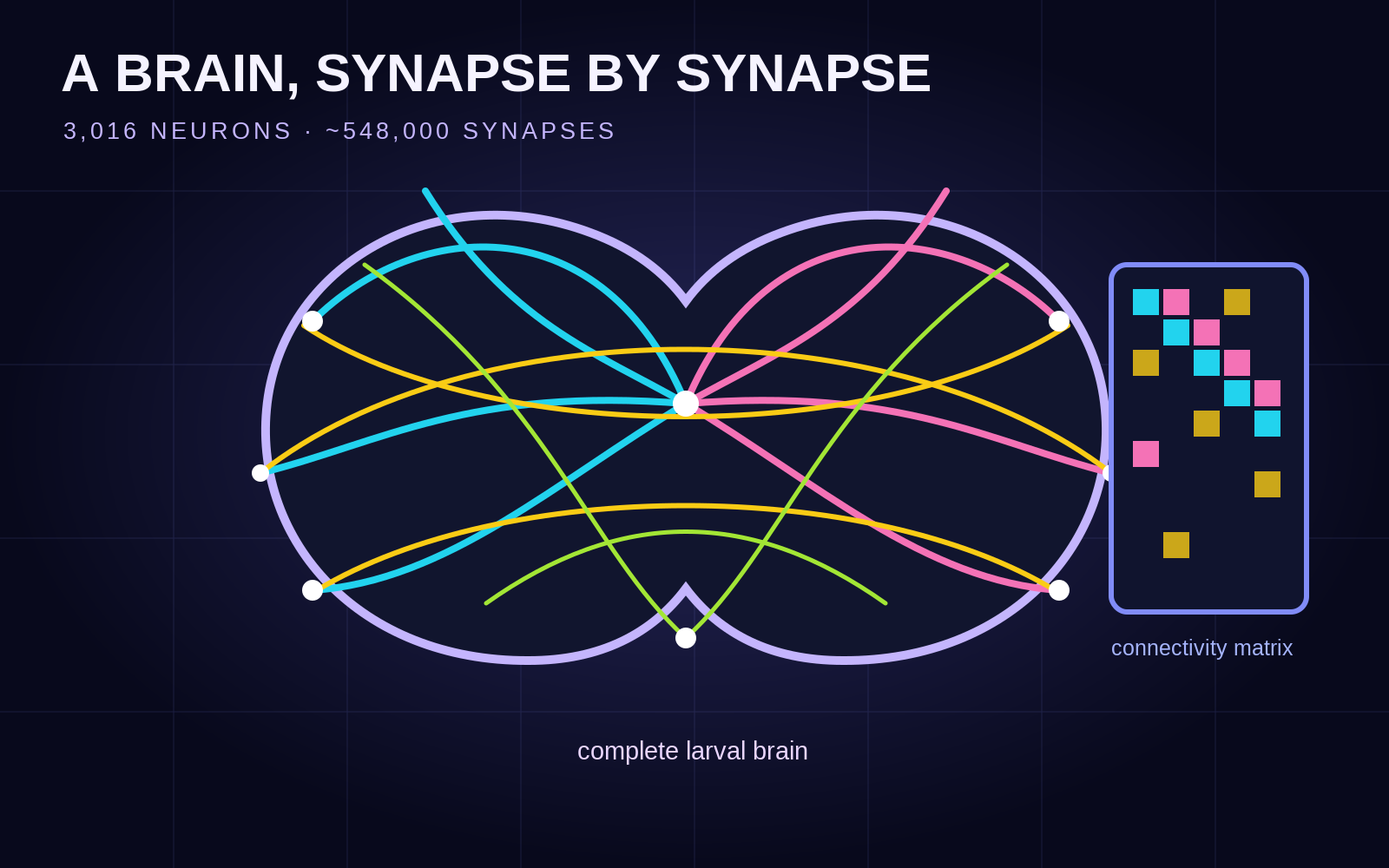 Illustration🧬 Biology
The First Complete Connectome of an Insect Brain
Researchers reconstructed all 3,016 neurons and roughly 548,000 synapses in a fruit-fly larva's brain, producing the first complete synaptic-resolution wiring map of an insect brain capable of complex behavior.
Read more → Illustration🏺 Archaeology
Oldowan Tools at Nyayanga Butchered Hippos
At Nyayanga in Kenya, researchers documented roughly 2.9-million-year-old Oldowan tools together with animal bones bearing evidence of butchery, including hippopotamid remains.
Read more →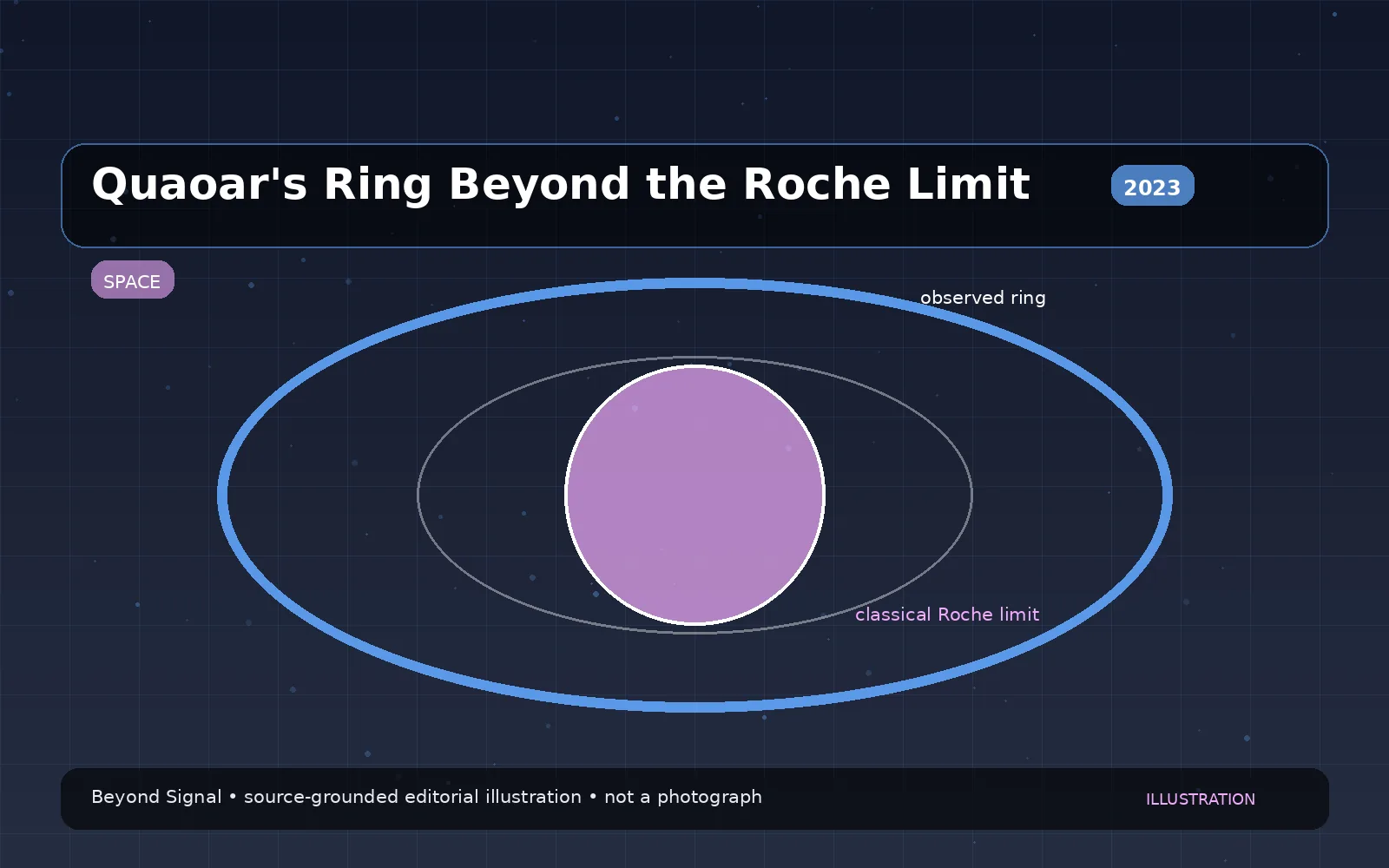 Illustration🌌 Space
Quaoar's Ring Beyond the Roche Limit
Observations of the dwarf planet Quaoar revealed a dense ring far beyond the classical Roche limit, the distance inside which tidal forces are expected to prevent ring material from assembling into a moon. The ring challenges a simple rule used to explain why planetary rings persist.
Read more →