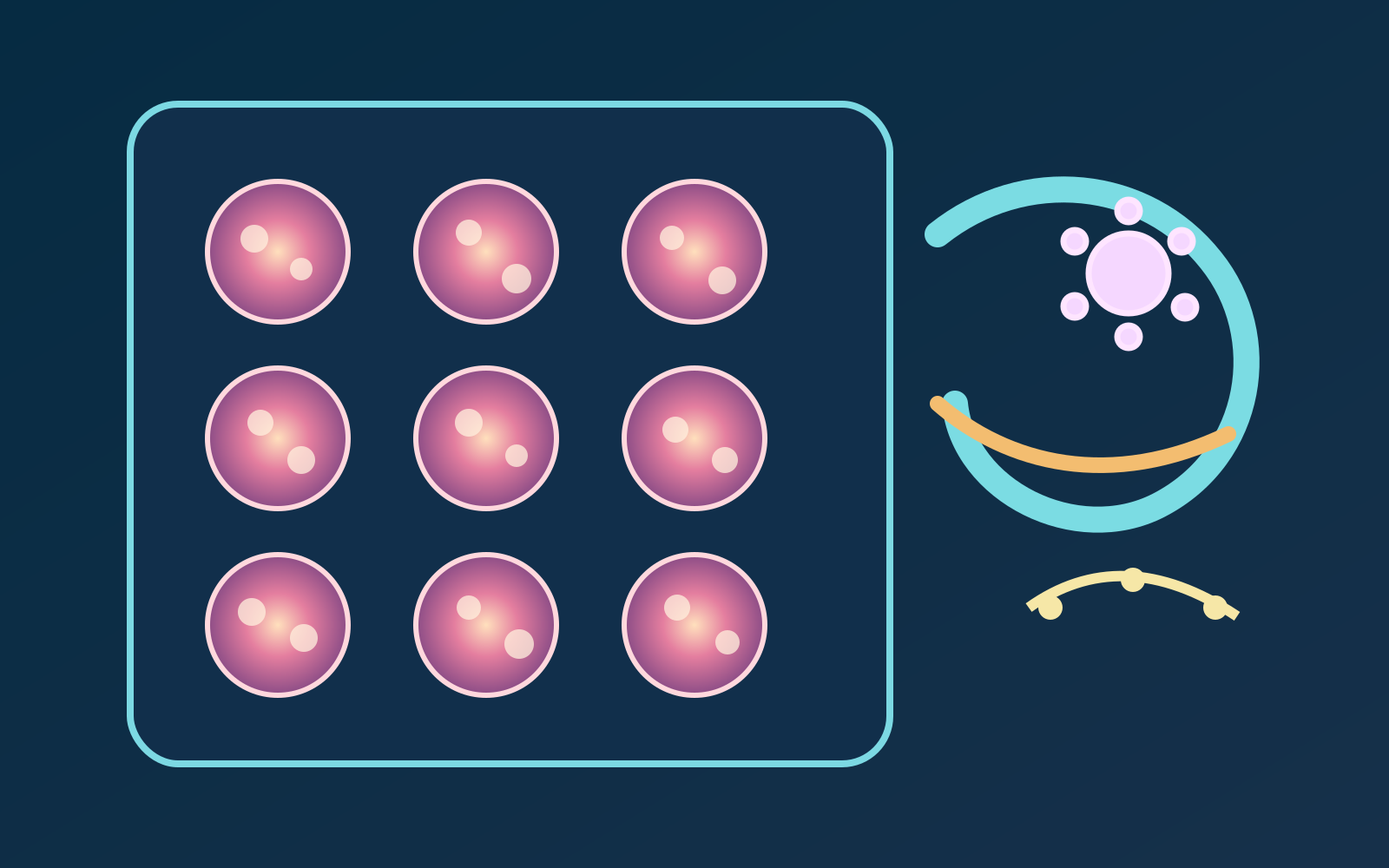
 Illustration — not a photo of the discovery
Human Lung-Bud Microarrays Expose a BMP-Linked Infection Signal
Researchers grew reproducible human lung buds in microarrays and used them to identify BMP signalling as a host pathway associated with SARS-CoV-2 infection in the model.
The story
Why scientists were there
Respiratory disease research needs human tissue models that are standardized enough to compare many conditions at once. Lung buds are a controlled model, not a complete human lung or clinical trial; a change in infection in cultured cells cannot establish that a BMP-targeting drug will treat COVID-19 safely or effectively in patients.
How they found it
The team patterned human embryonic stem cells on microchips so that they developed into arrays of similar lung-bud structures. They infected the buds with SARS-CoV-2, profiled host responses, compared the signal with post-mortem material, and tested whether blocking BMP signalling changed infection in the experimental system.
What makes it unique
The direct technical advance is the scalable array of organotypic human lung buds and its measured response to viral infection. BMP dependence is supported within that model and the reported human-tissue comparison, while the medical significance and any intervention remain hypotheses for further preclinical and clinical work.
Gallery
Where it was found
Rockefeller University, New York City
Tags
Related discoveries
 Illustration🤖 Technology
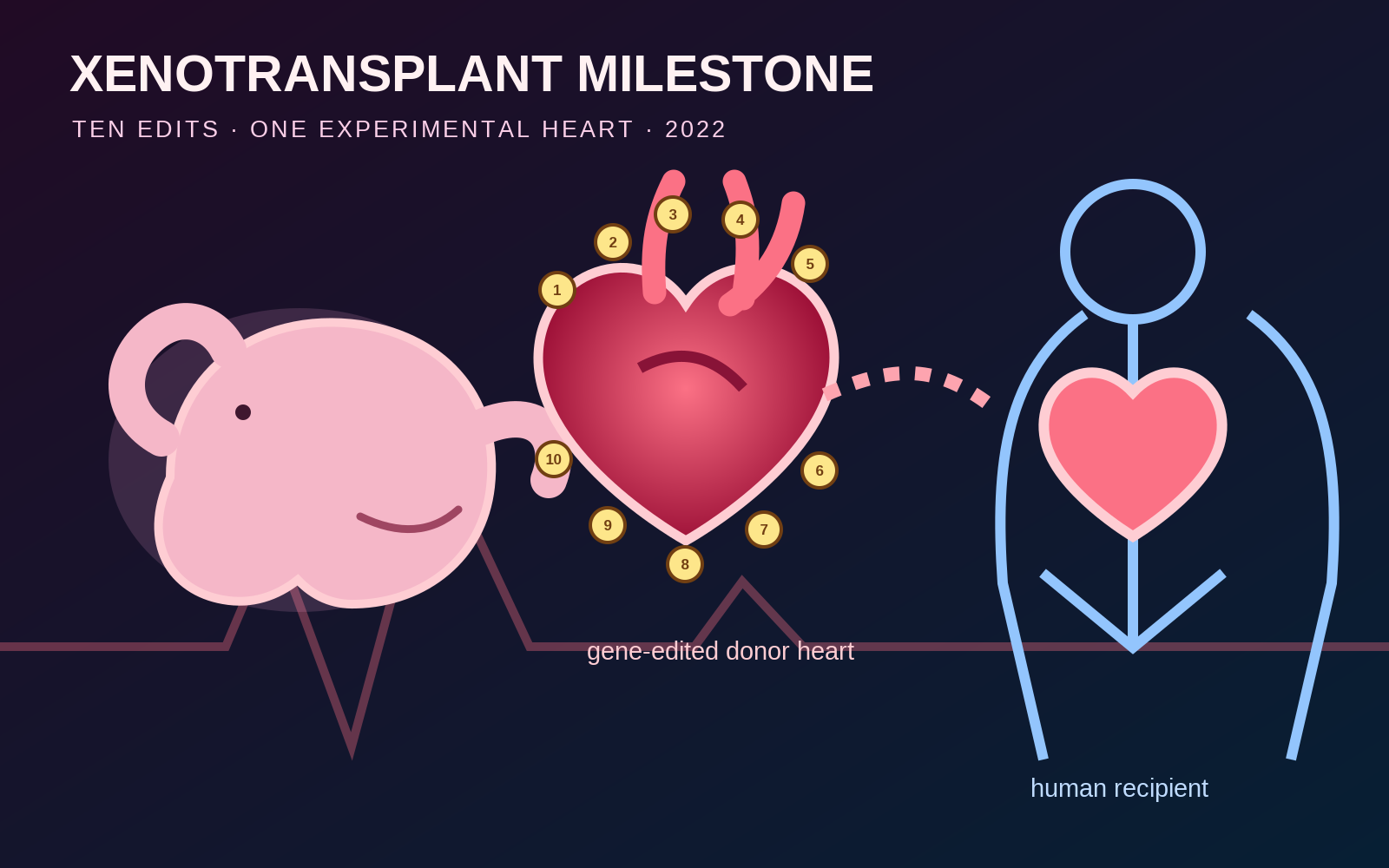
The First Gene-Edited Pig Heart Transplant in a Living Human
Surgeons transplanted a heart from a pig carrying ten targeted genetic modifications into a living adult under compassionate-use authorization, and the organ supported circulation without immediate rejection for several weeks.
Read more → Illustration🤖 Technology
The First Personalized In Vivo CRISPR Treatment
A bespoke adenine base editor was designed, manufactured, and infused into an infant with severe CPS1 deficiency, producing early clinical improvement in the first reported patient-specific CRISPR treatment delivered inside the body.
Read more →