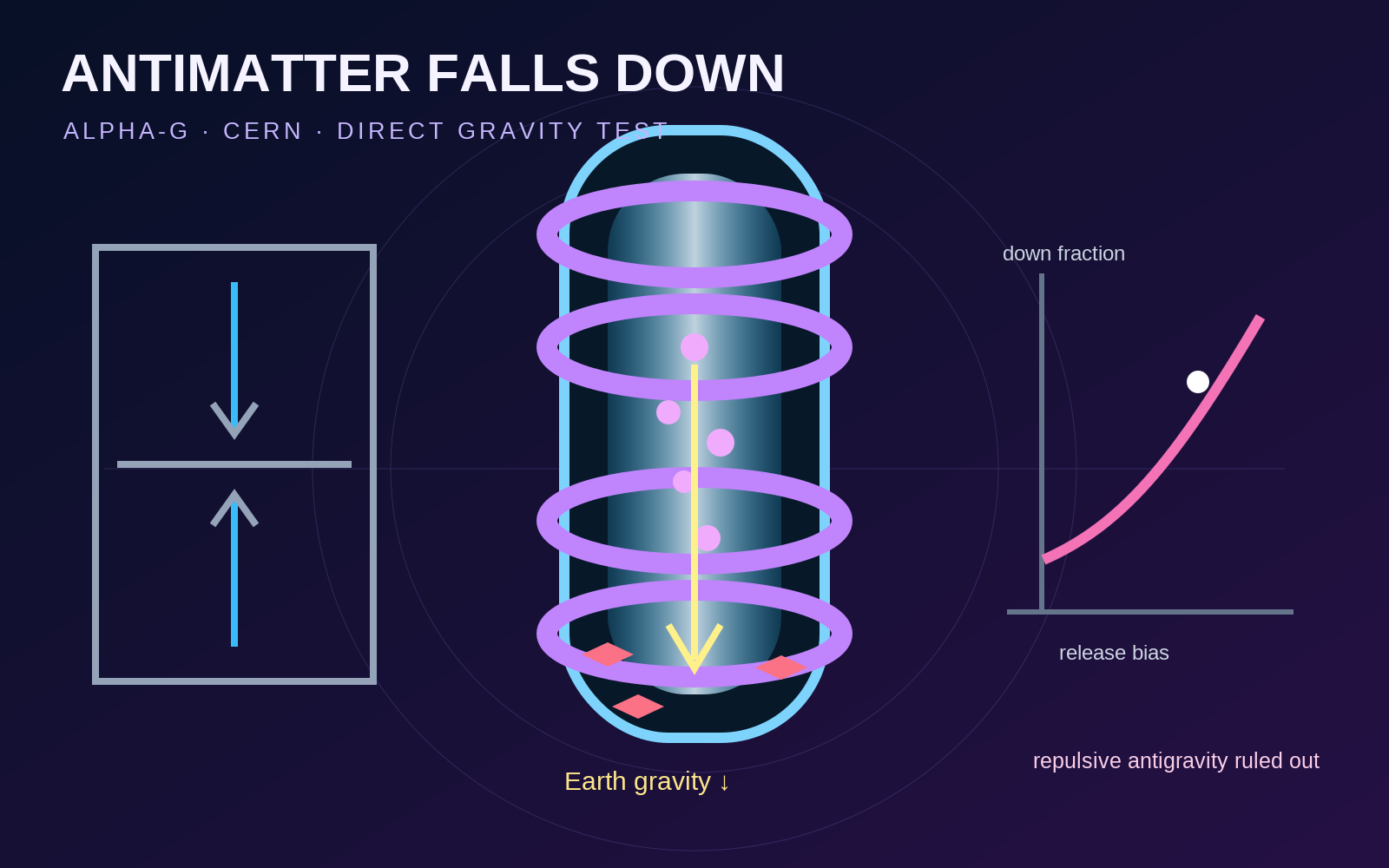
 Illustration — not a photo of the discovery
Antihydrogen Falls Downward Under Gravity
The ALPHA-g experiment released trapped antihydrogen atoms in a vertical magnetic apparatus and observed motion consistent with gravitational attraction toward Earth, directly ruling out repulsive antigravity for antihydrogen at the experiment's precision.
The story
Why scientists were there
General relativity predicts antimatter should fall like matter, but neutral antimatter had never undergone a direct free-fall-style test. The first measurement established the direction and approximate scale, not a precision equivalence test; colder anti-atoms and better field control are needed to compare gravitational acceleration with ordinary matter more tightly.
How they found it
Antiprotons and positrons were combined into neutral antihydrogen, accumulated in a vertical magnetic trap, and then released by lowering the upper and lower barriers. Researchers counted where atoms annihilated under several deliberately reversed magnetic biases and compared the distributions with detailed trajectory simulations and control measurements.
What makes it unique
The result was the first direct observation of neutral antimatter responding to Earth's gravity in the expected downward direction. It excluded a repulsive force of roughly one Earth gravity but left a broad uncertainty on the precise acceleration, so it supports rather than completes a test of the weak equivalence principle.
Gallery
Where it was found
CERN Antimatter Factory, Meyrin
Tags
Related discoveries
 ⚛️ Physics
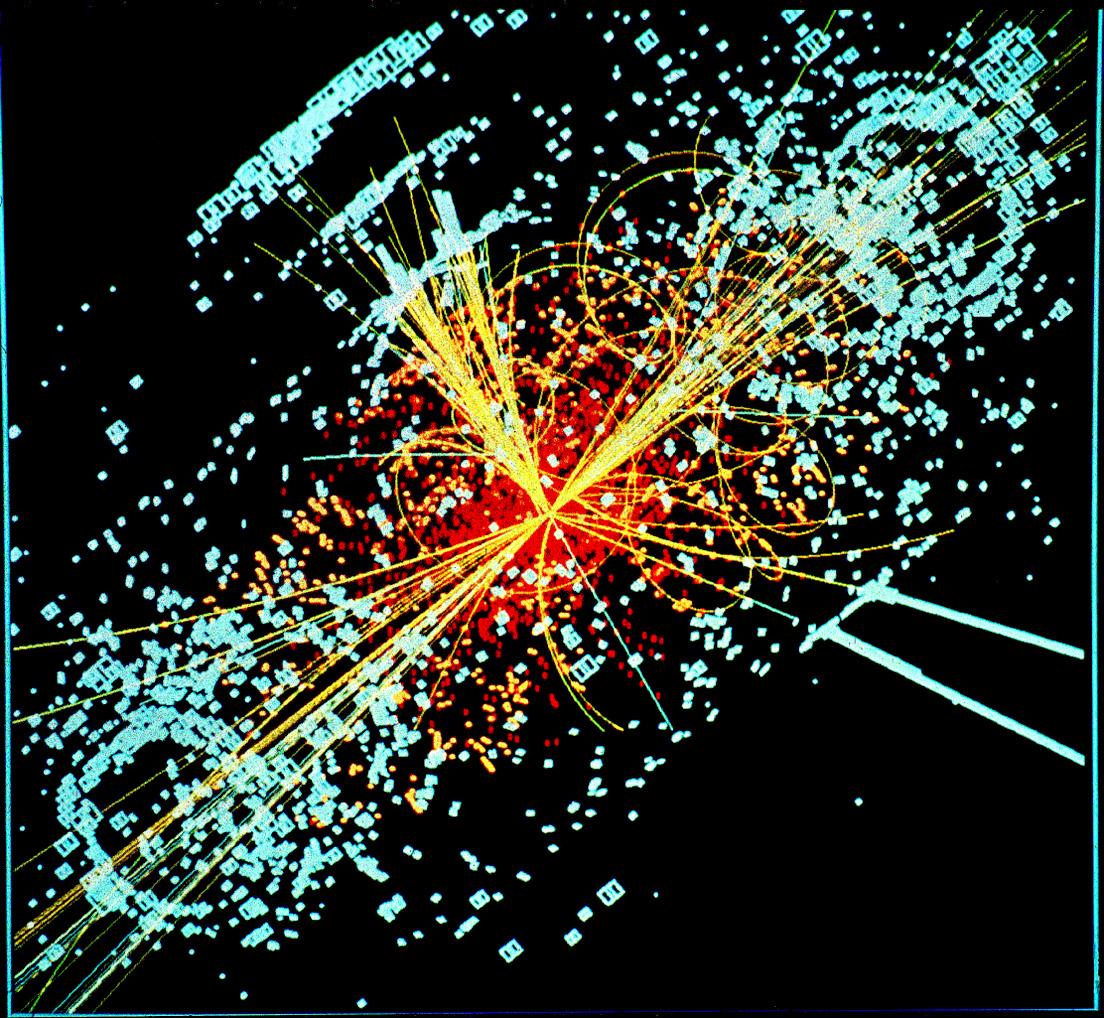
Discovery of the Higgs Boson
The Large Hadron Collider revealed the particle behind the field that gives other particles mass — the keystone of the Standard Model.
Read more →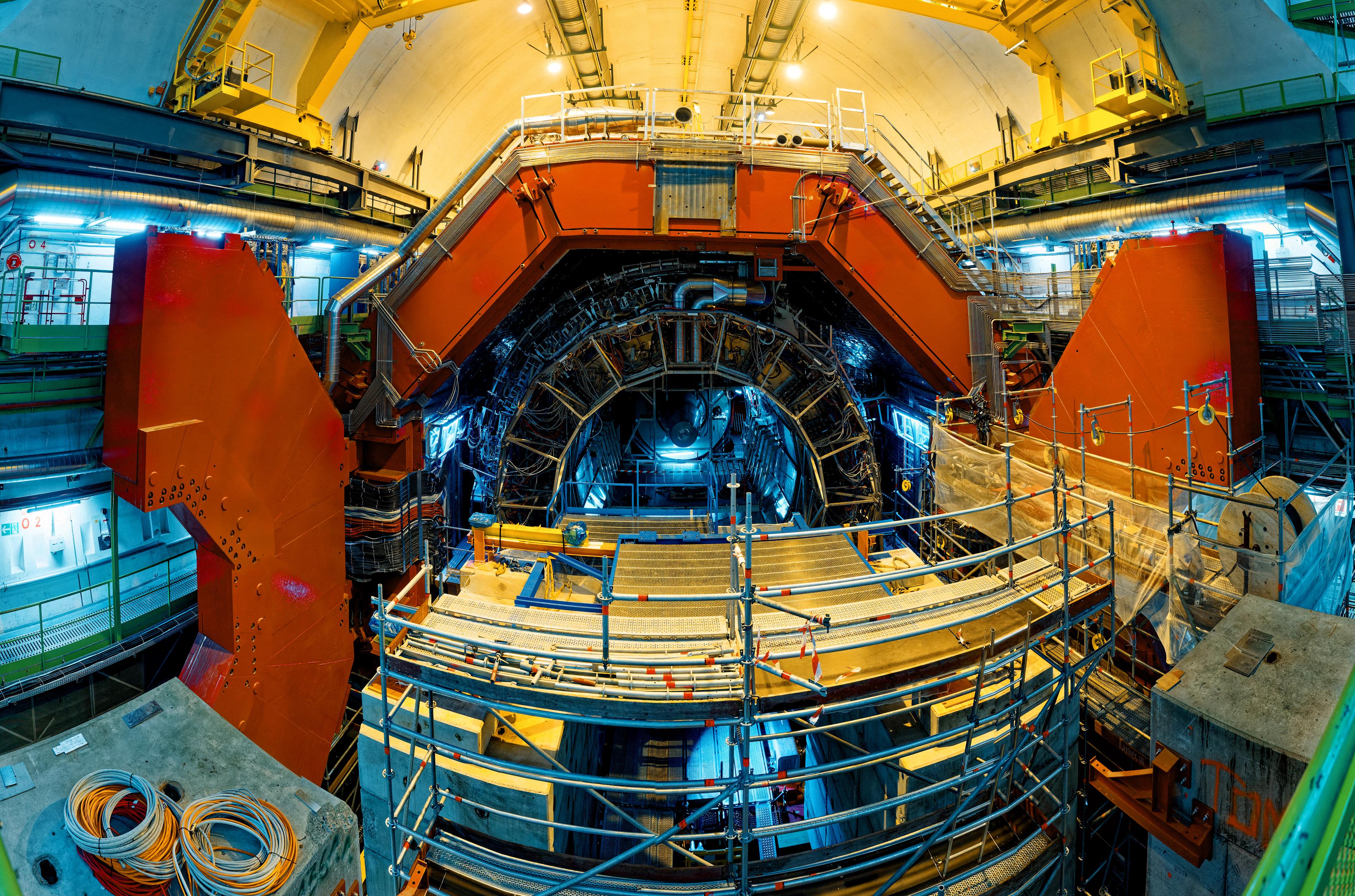 ⚛️ Physics
Lead Turned into Gold at the LHC
The ALICE experiment measured lead nuclei turning into gold during near-miss collisions at the Large Hadron Collider — in fleeting, subatomic quantities rather than usable metal.
Read more → Illustration⚛️ Physics
LHCb’s Strange Pentaquark Candidate
LHCb reported a high-significance resonance consistent with the first pentaquark candidate containing a strange quark, adding a new case to the study of exotic combinations of quarks.
Read more →