 Illustration — not a photo of the discovery
The 476,000-Year-Old Wooden Structure at Kalambo Falls
Two shaped logs from Zambia were dated to at least 476,000 years ago, preserving the earliest known structural use of wood by hominins.
The story
Why scientists were there
Waterlogged sediments at Kalambo Falls were known to preserve organic material that normally decays, offering a rare chance to recover wooden technologies from deep prehistory.
How they found it
Excavators identified cut marks, a carved notch, and an interlocking arrangement, while optically stimulated luminescence dated the surrounding sediments rather than the wood itself.
What makes it unique
The structure predates Homo sapiens and demonstrates deliberate construction with timber hundreds of thousands of years earlier than the archaeological record had shown.
Gallery
Where it was found
Kalambo Falls, Northern Province
Tags
Related discoveries
 🏺 Archaeology
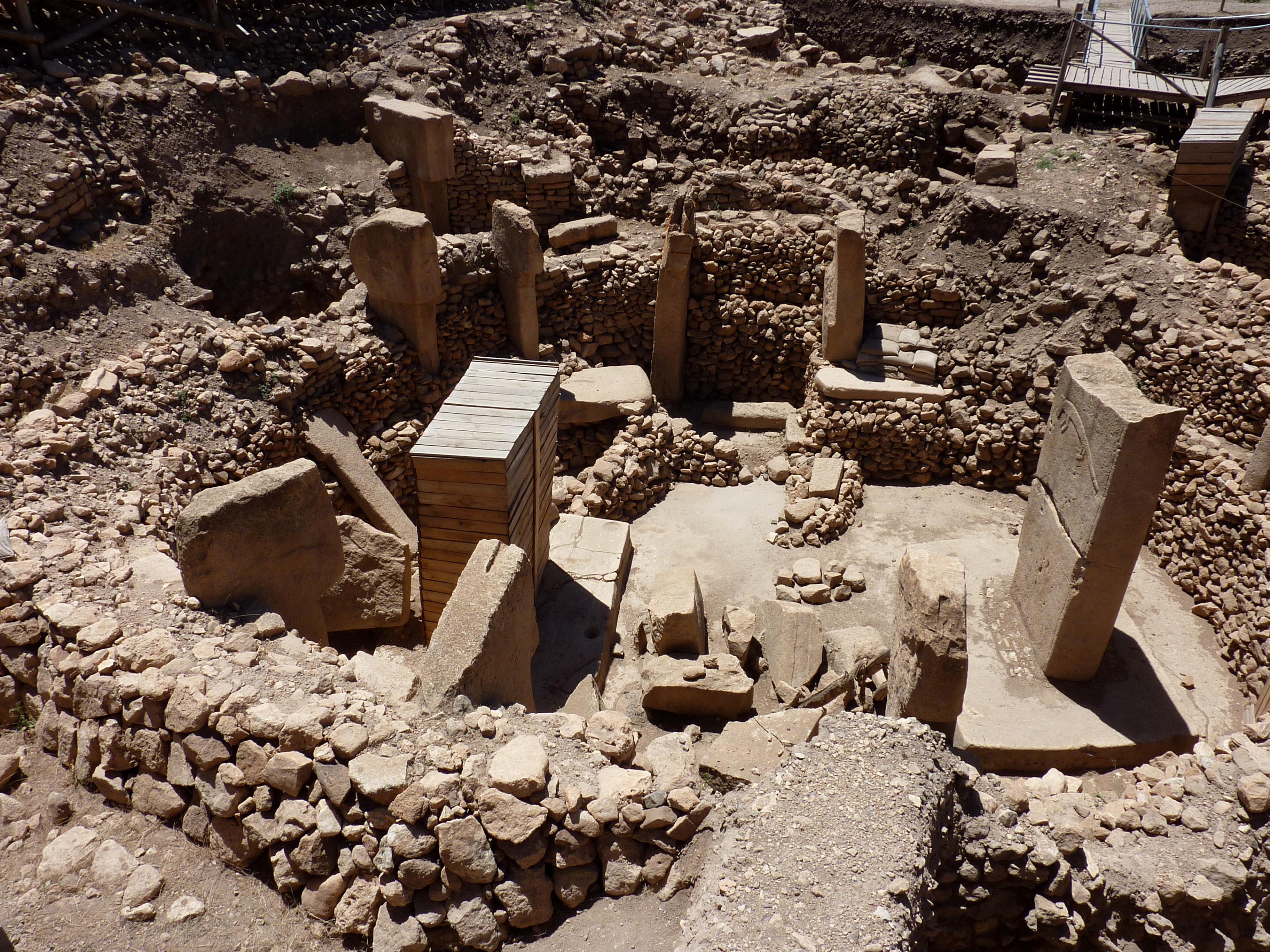
Göbekli Tepe, the First Temple
Massive carved stone pillars built ~11,000 years ago — monumental architecture from hunter-gatherers, predating Stonehenge by six millennia.
Read more → Illustration🏺 Archaeology
The Tomb of Pharaoh Thutmose II Identified
Inscriptions on alabaster vessels and decorated plaster identified a badly flood-damaged tomb west of Luxor as the original burial place of the Eighteenth Dynasty pharaoh Thutmose II.
Read more →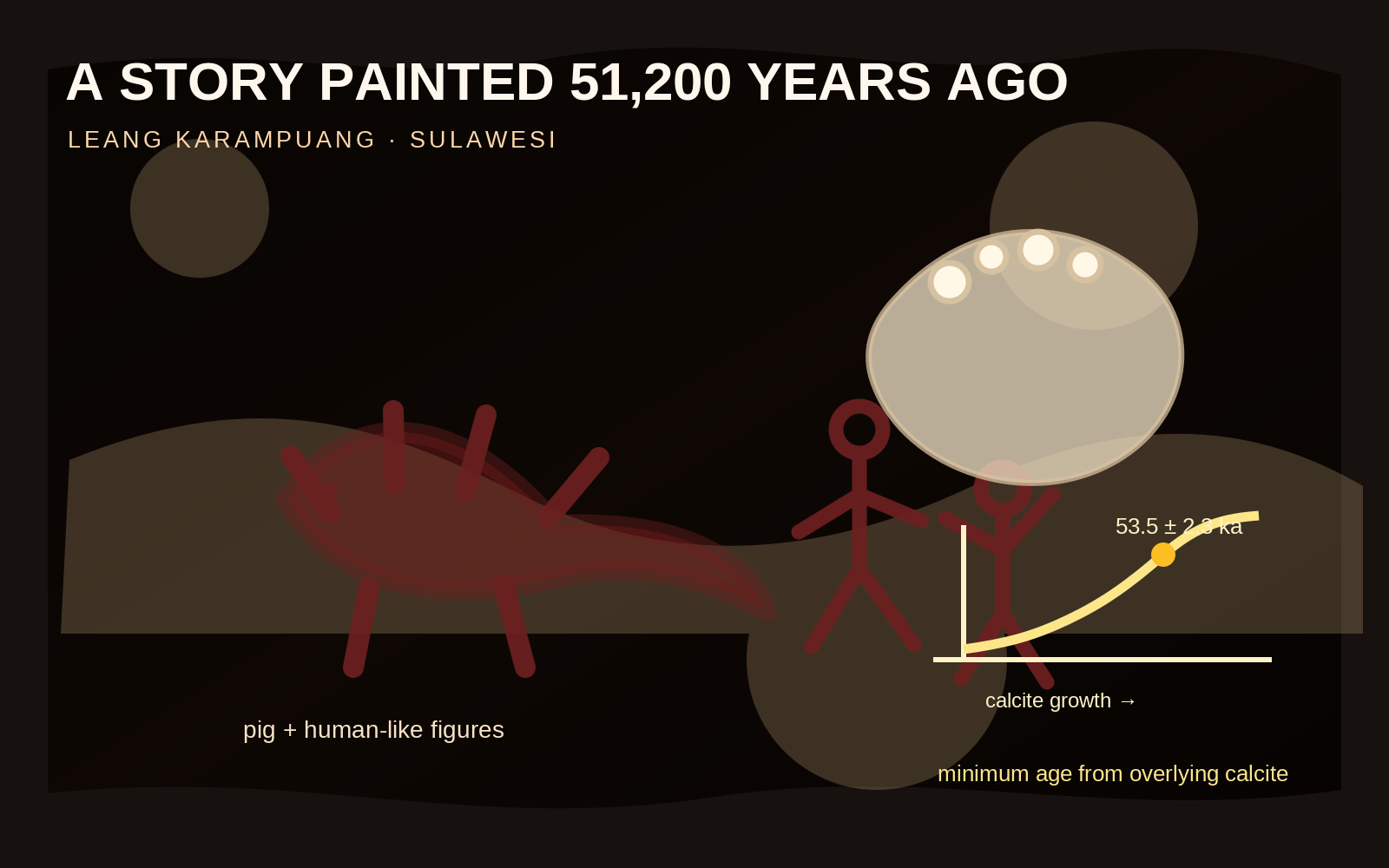 Illustration🏺 Archaeology
The 51,200-Year-Old Sulawesi Narrative Cave Art
Laser-ablation uranium-series dating showed that a scene of human-like figures interacting with a pig at Leang Karampuang was painted at least 51,200 years ago, then the oldest securely dated surviving narrative and representational art.
Read more → Illustration🏺 Archaeology
Oldowan Tools at Nyayanga Butchered Hippos
At Nyayanga in Kenya, researchers documented roughly 2.9-million-year-old Oldowan tools together with animal bones bearing evidence of butchery, including hippopotamid remains.
Read more → Illustration🏺 Archaeology
Modern Humans at Grotte Mandrin 54,000 Years Ago
Teeth, stratigraphy, and stone-tool layers at Grotte Mandrin indicate a short Homo sapiens presence in southeastern France about 54,000 years ago, followed by renewed Neanderthal occupation.
Read more →