
Annual archive
Space Discoveries in 2026
A year-level index of 11 source-backed scientific discoveries from 2026. Use the monthly archives to follow the sequence of announcements, or open an entry for its location, method, and primary source.
 Illustration🌌 Space
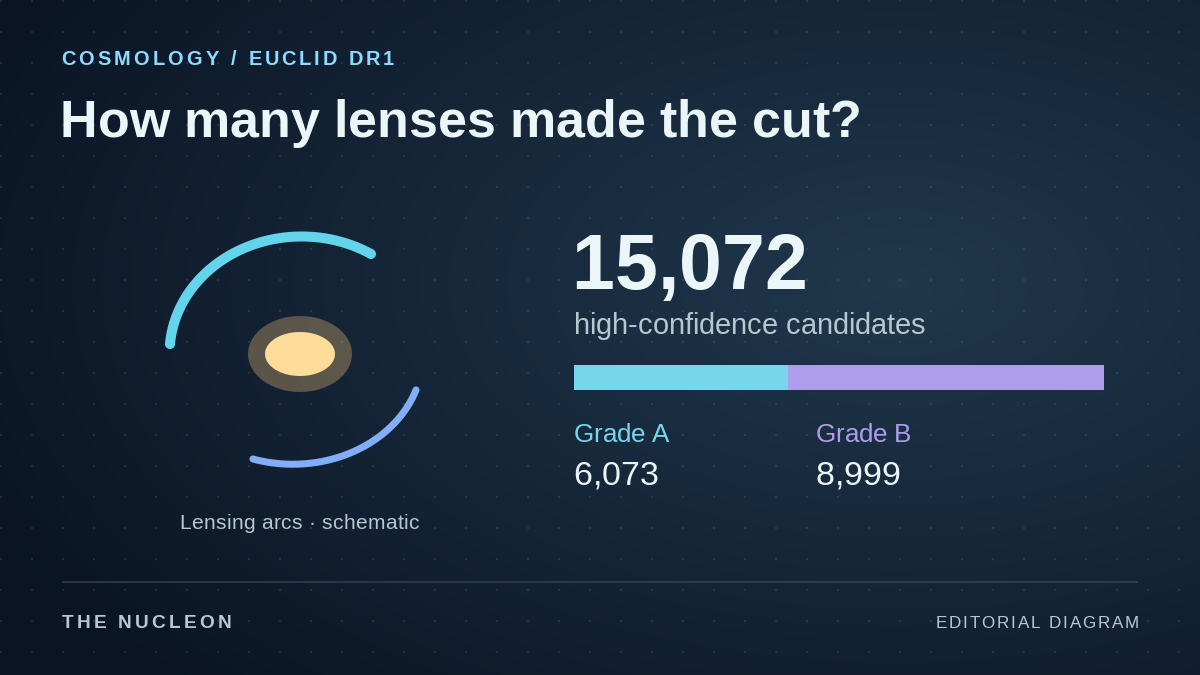
Euclid Identifies 15,072 Strong Gravitational Lens Candidates
Euclid’s first major survey release contains 15,072 high-confidence candidates for strong gravitational lenses. These are alignments in which foreground mass bends light from a more distant source into arcs or multiple images.
Read more →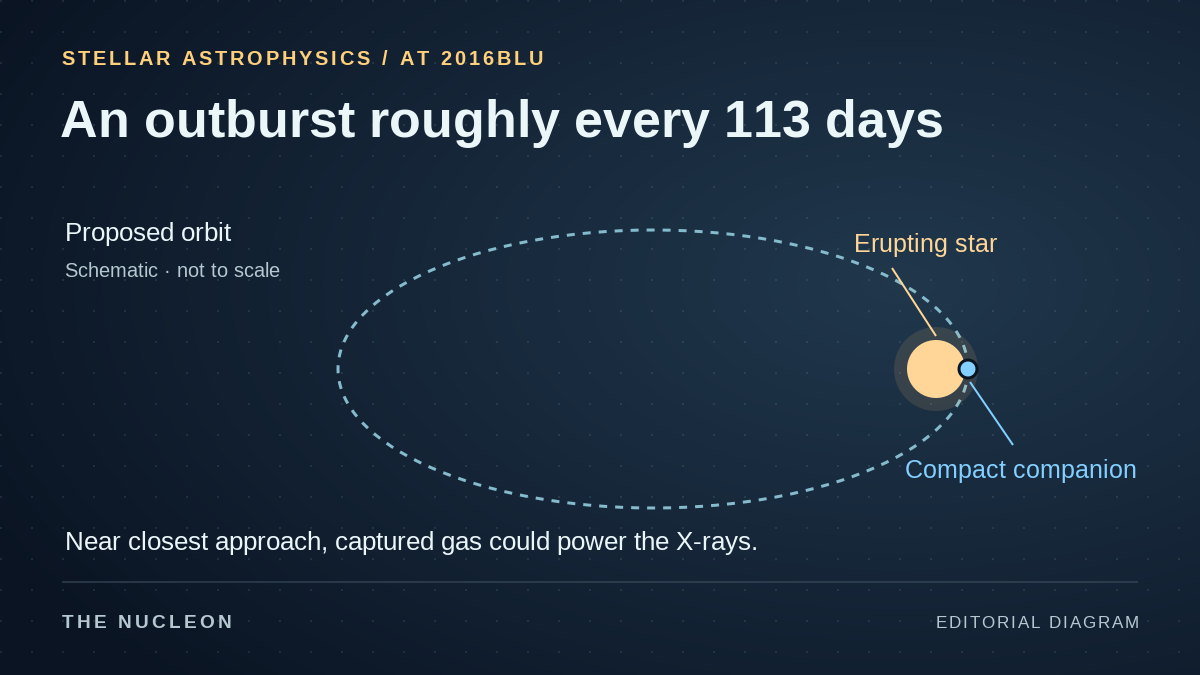 Illustration🌌 Space
Chandra Catches AT 2016blu During a Recurring Outburst
A giant star in the galaxy NGC 4559 flares roughly every 113 days. Chandra caught X-rays from the system during a flare, evidence that a dense companion collects material shed by the star.
Read more →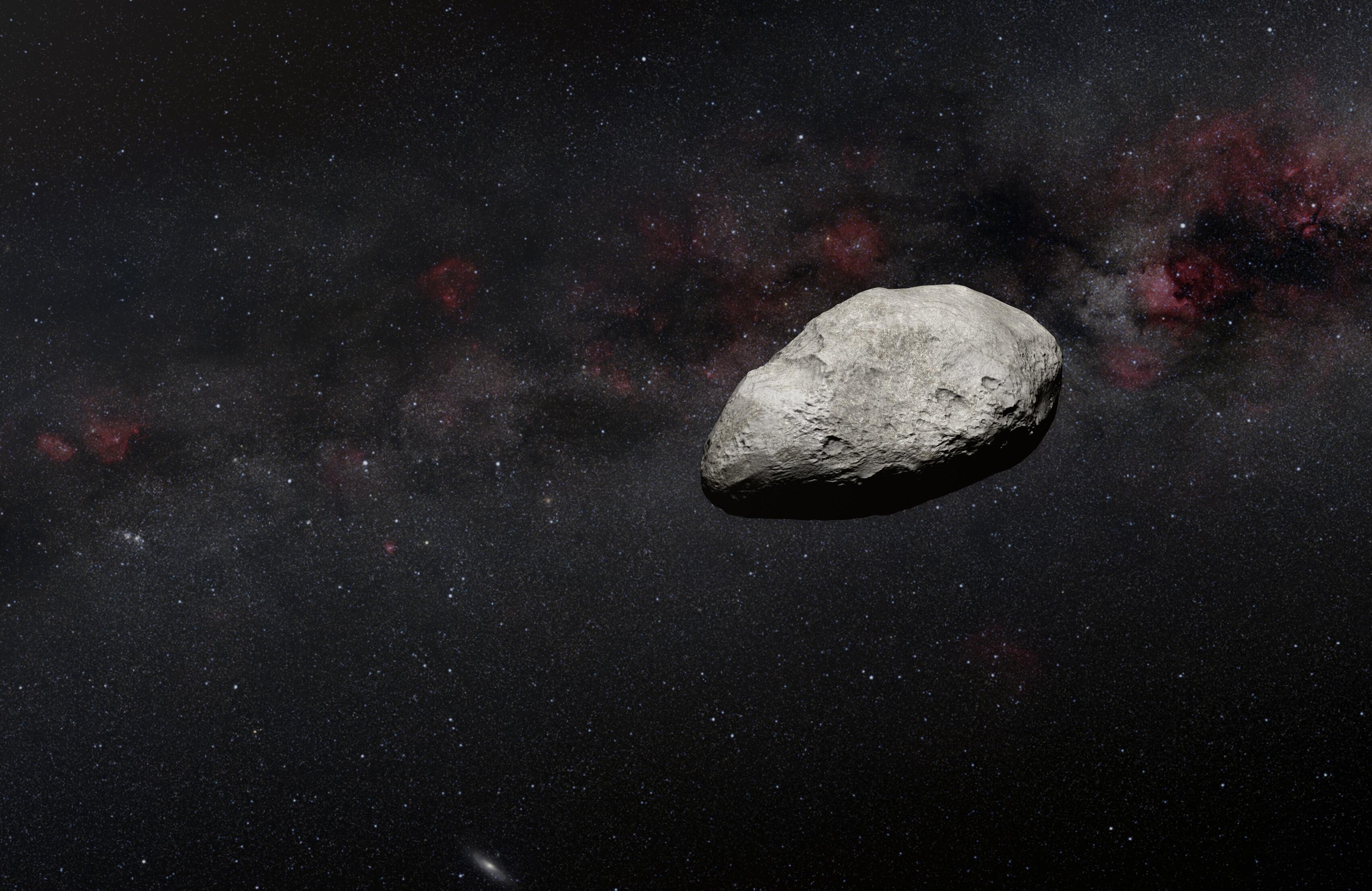 🌌 Space
JWST Rules Out a 2032 Lunar Impact
Faint James Webb Space Telescope observations extended asteroid 2024 YR4’s measured orbit and ruled out its previously possible collision with the Moon in December 2032.
Read more →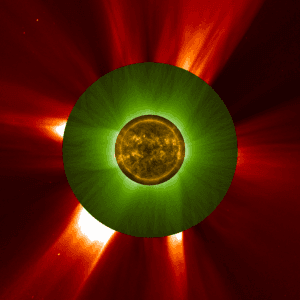 🌌 Space
Proba-3 Reveals a Faster Slow Solar Wind
Artificial-eclipse observations showed small slow-solar-wind outflows racing through the inner corona three to four times faster than expected.
Read more →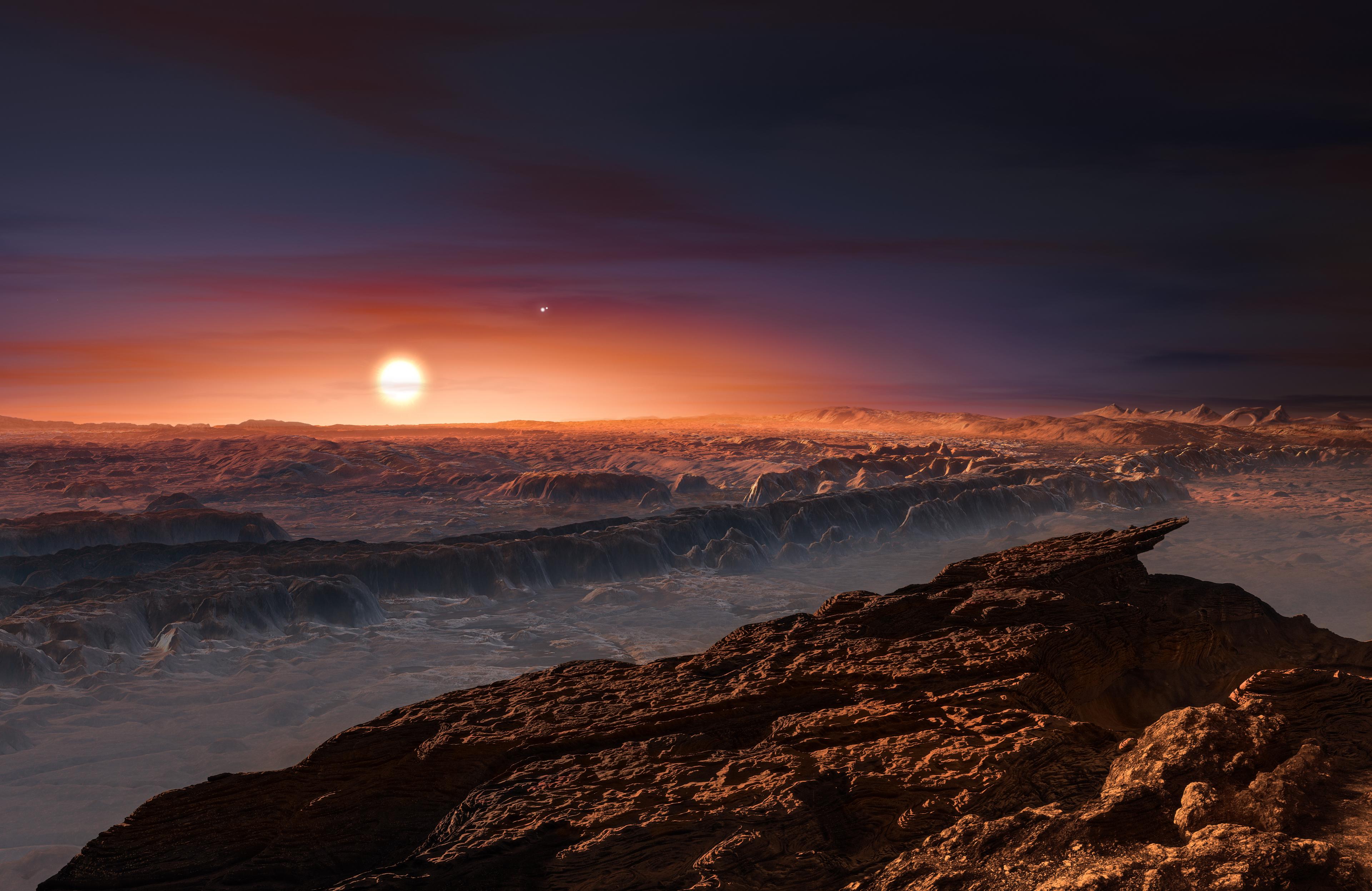 🌌 Space
GJ 887 d, a Nearby Habitable-Zone Super-Earth
A 50.77-day super-Earth confirmed in the habitable zone of GJ 887, only about 10.7 light-years away and second only to Proxima b in proximity among known temperate planets.
Read more →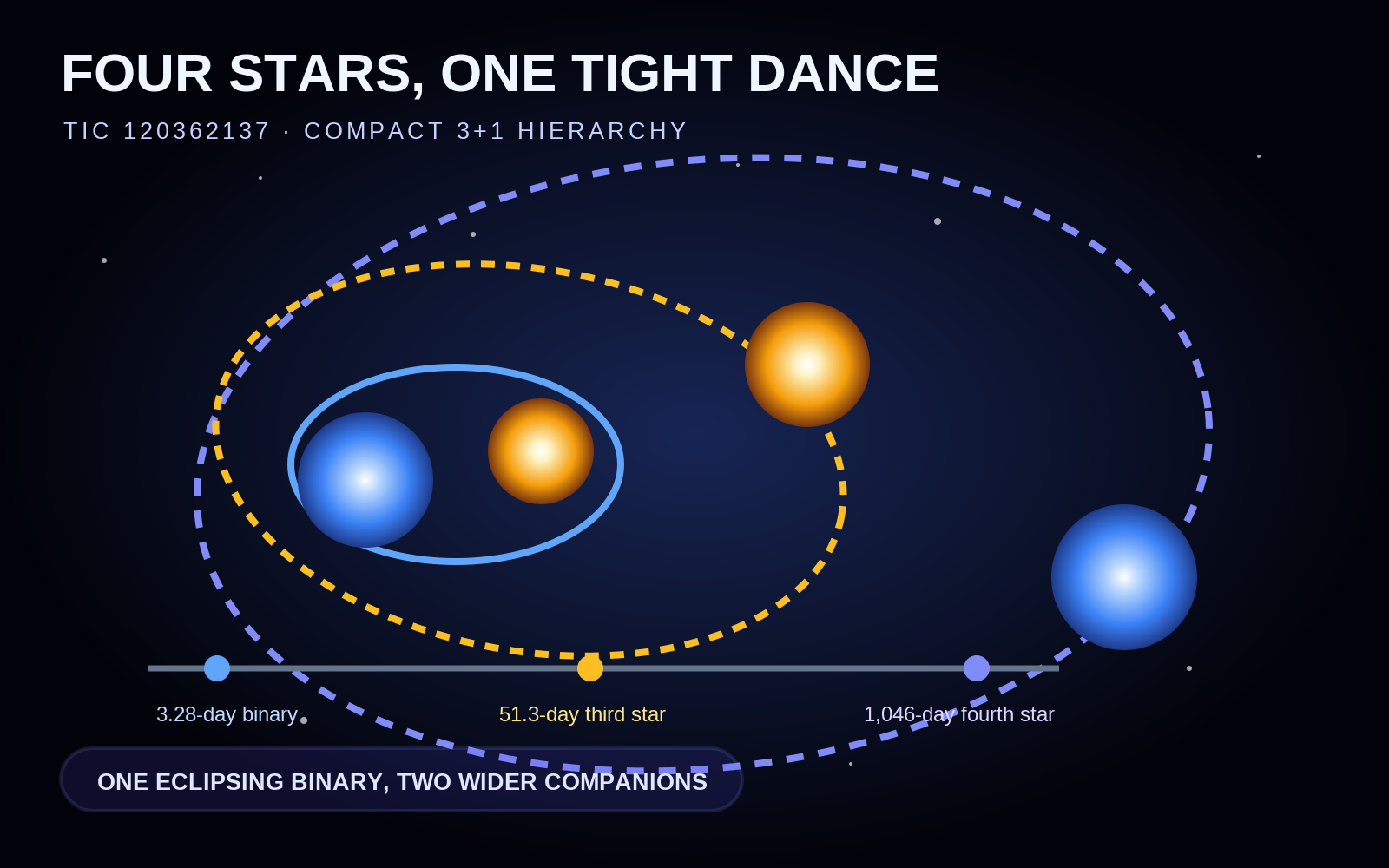 Illustration🌌 Space
The Most Compact Known 3+1 Quadruple Star System
TESS eclipse timing, ground photometry, and spectra revealed TIC 120362137 as the tightest known hierarchical 3+1 quadruple: three stars fit inside a region comparable to Mercury's orbit while a fourth circles outside them.
Read more →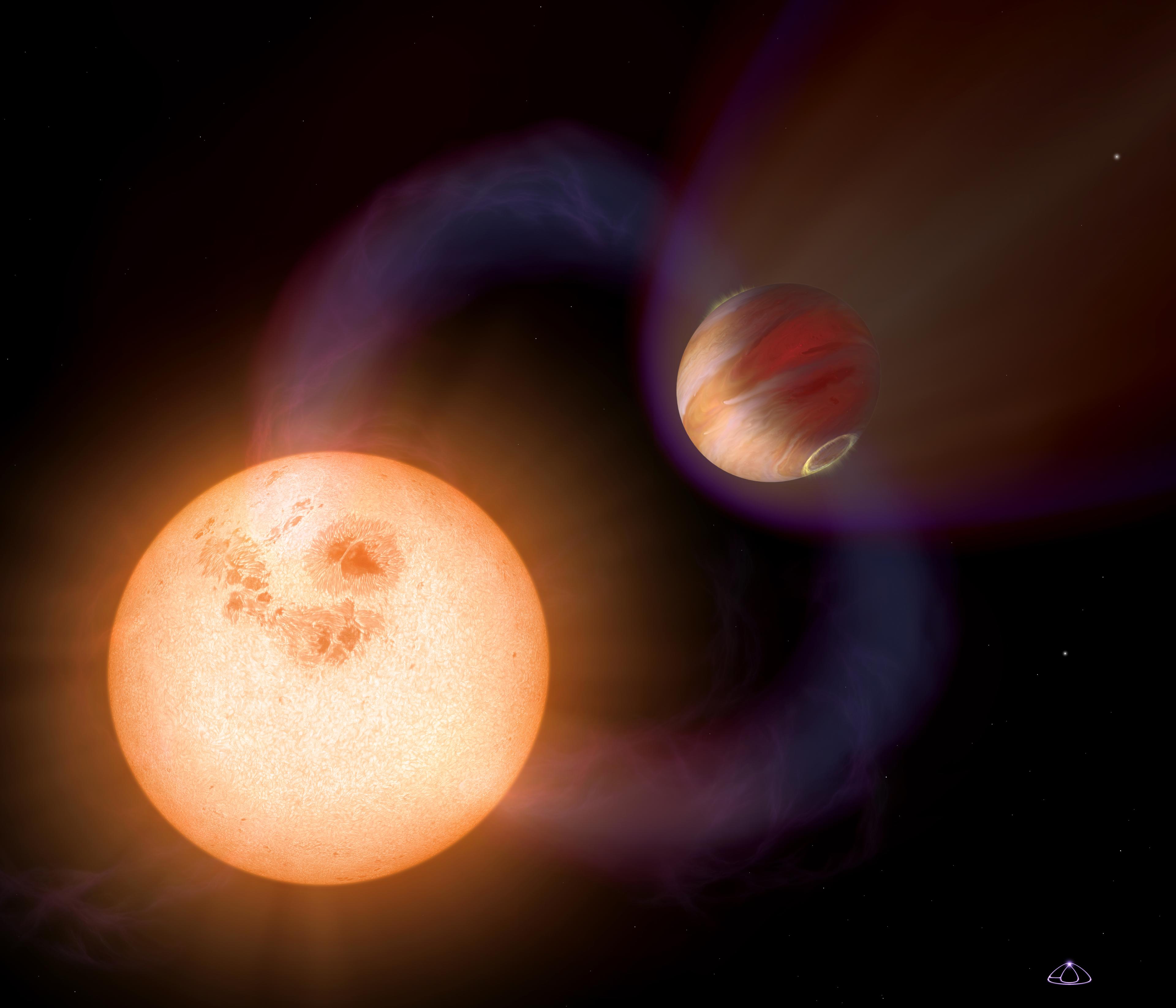 🌌 Space
The Inside-Out LHS 1903 Planetary System
Four close-orbiting planets arranged rocky–gaseous–gaseous–rocky, an unexpected architecture that supports sequential, gas-depleted planet formation.
Read more →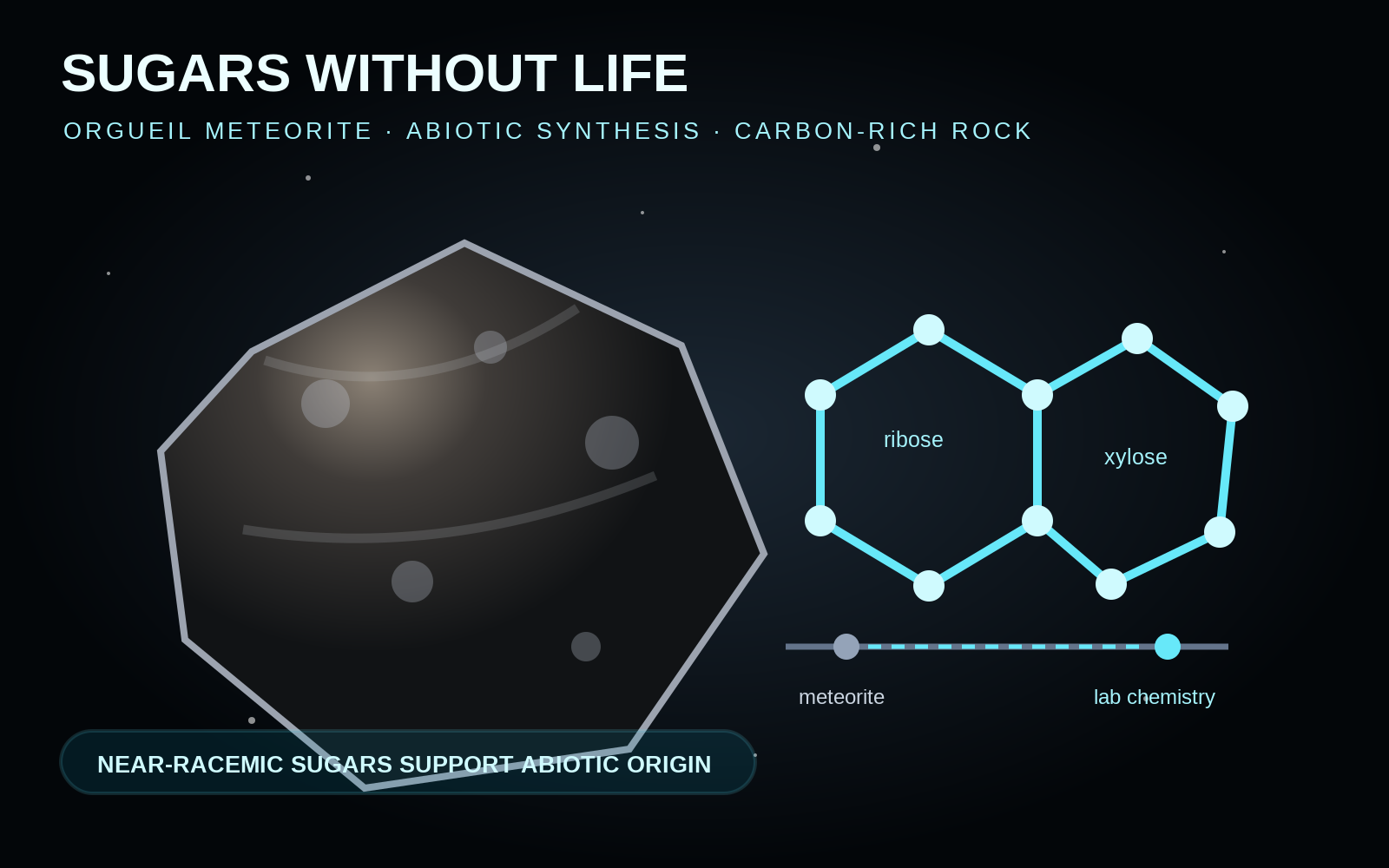 Illustration🌌 Space
Abiotic Sugars in the Orgueil Meteorite
Chiral analysis of an Orgueil meteorite sample detected ribose, arabinose, xylose, lyxose, and ribulose, with several near-racemic mixtures supporting abiotic extraterrestrial formation rather than ordinary biological contamination.
Read more →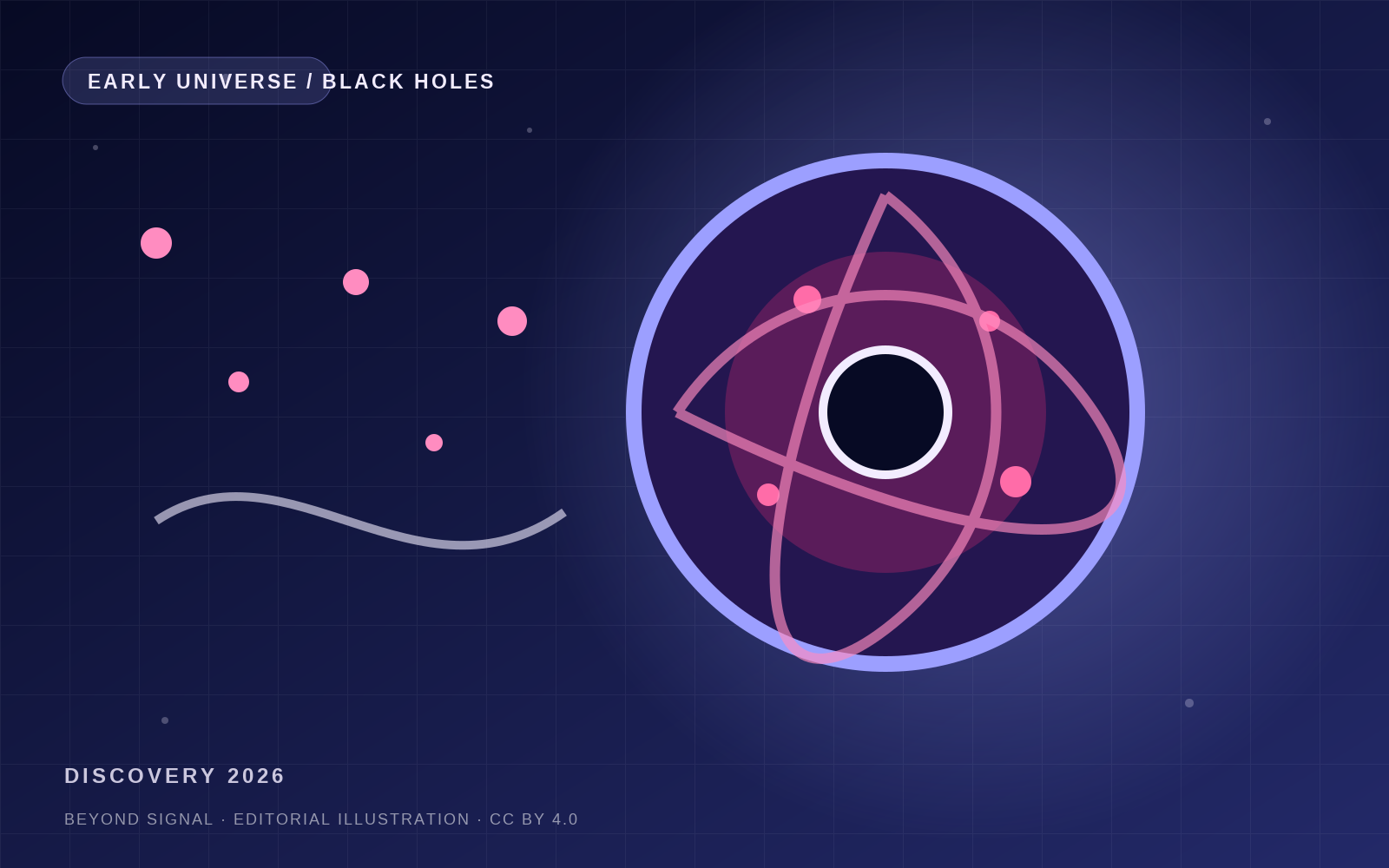 Illustration🌌 Space
Dense Gas Cocoons Explain Many Little Red Dots
Radiative-transfer modelling showed that the puzzling spectra of many JWST 'little red dots' can be reproduced by relatively young supermassive black holes embedded in compact, dense cocoons of ionized gas.
Read more →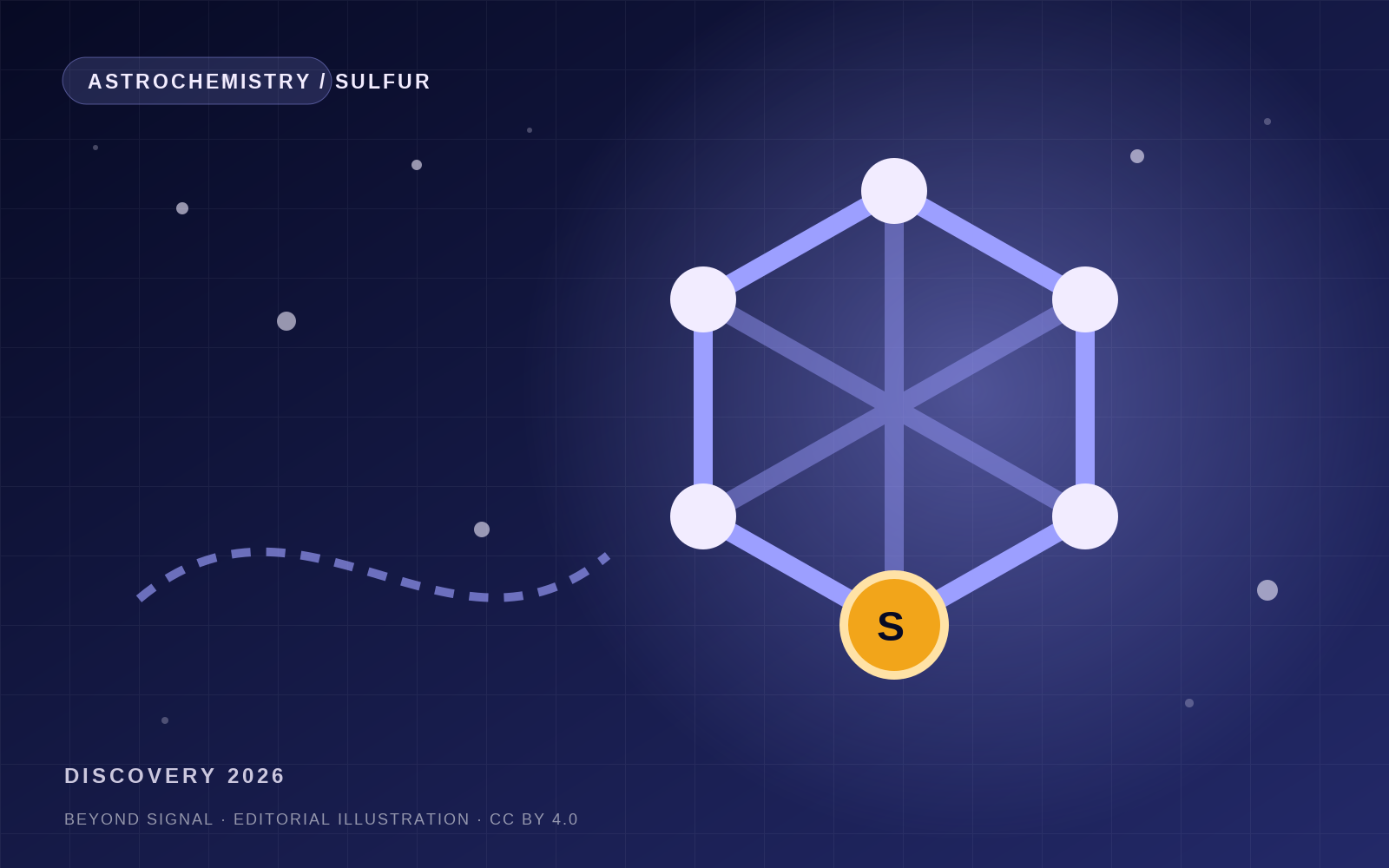 Illustration🌌 Space
The Largest Interstellar Sulfur-Bearing Molecule Yet
Radio spectra revealed 2,5-cyclohexadiene-1-thione in a Galactic-centre molecular cloud, the largest sulfur-bearing molecule yet identified in interstellar space.
Read more → 🌌 Space
C/2026 A1 (MAPS), an Early-Spotted Sungrazer
A Kreutz sungrazer detected unusually far from the Sun, giving astronomers a rare multi-month warning before its extremely close solar pass.
Read more →