
Topic hub
Artifacts discoveries in Archaeology
This topic hub follows 4 catalogued artifacts discoveries across The Nucleon directory. Each entry connects the finding to its location, discovering institution, scientific source, and related work.
What this topic includes
In archaeology, artifacts can describe a change in what scientists observe, classify, or measure. The entries below are grouped by their documented subject rather than by headline popularity, making it easier to compare discoveries from different years and places.
Key discoveries
 Illustration🏺 Archaeology
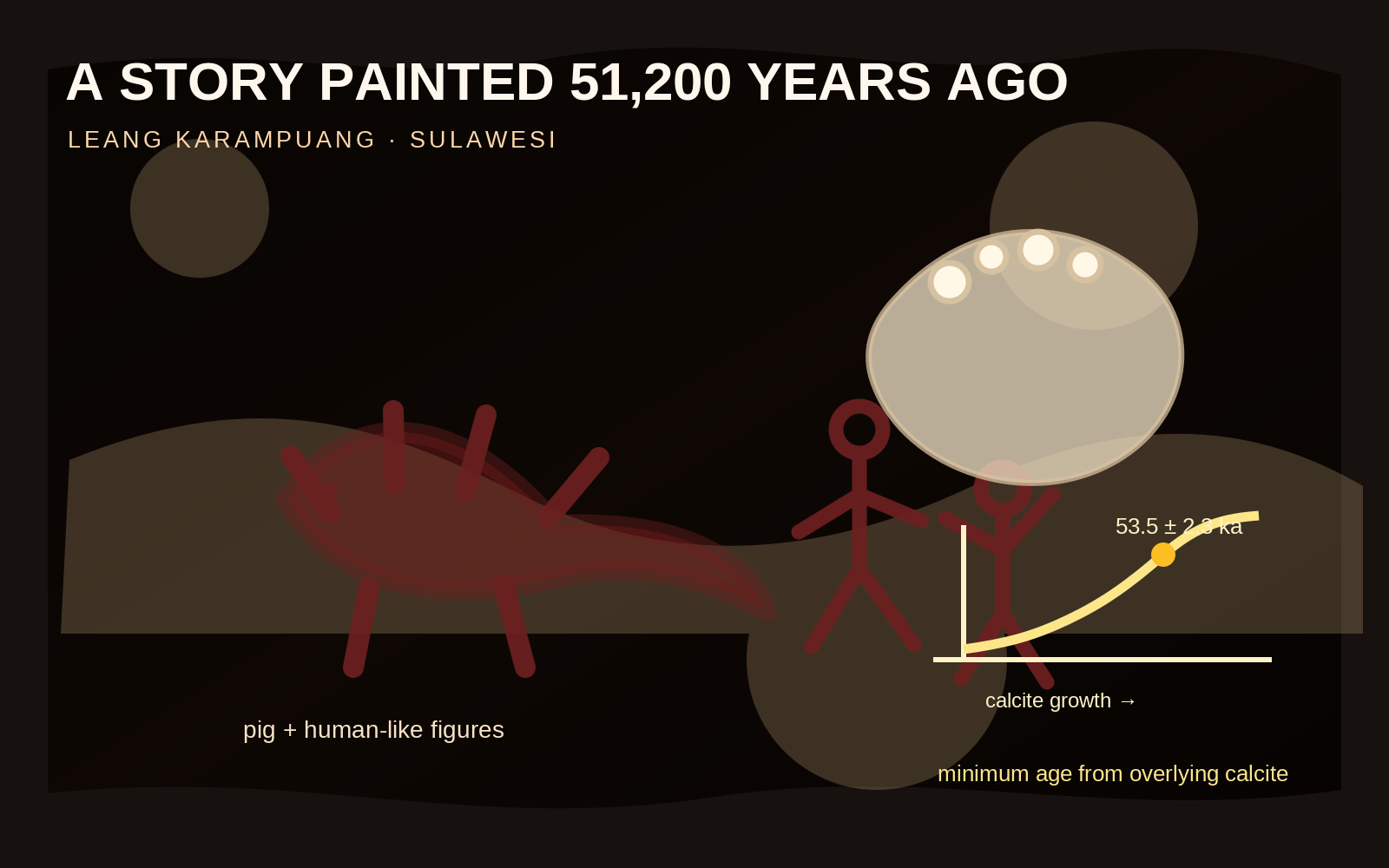
The 51,200-Year-Old Sulawesi Narrative Cave Art
Laser-ablation uranium-series dating showed that a scene of human-like figures interacting with a pig at Leang Karampuang was painted at least 51,200 years ago, then the oldest securely dated surviving narrative and representational art.
Read more →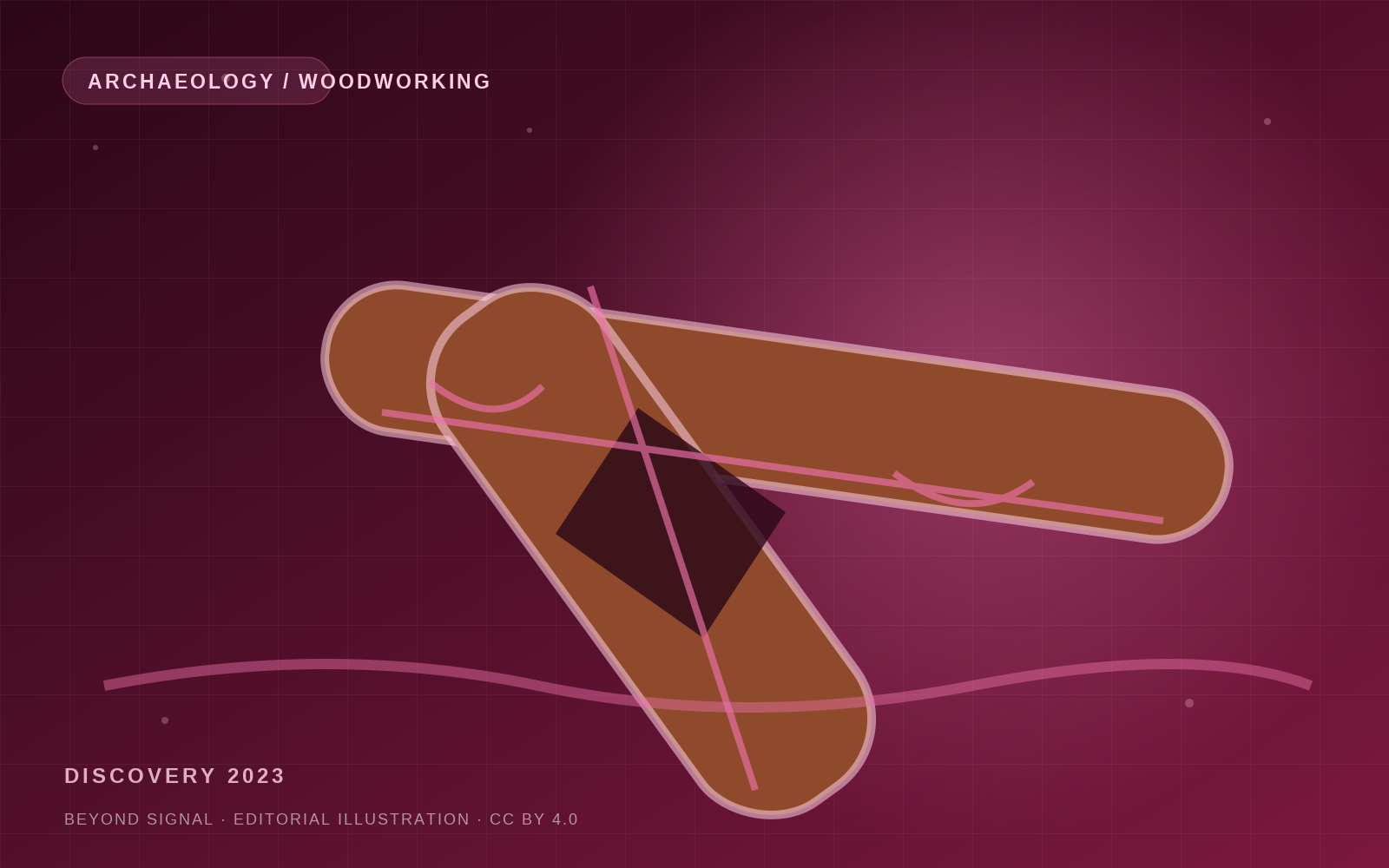 Illustration🏺 Archaeology
The 476,000-Year-Old Wooden Structure at Kalambo Falls
Two shaped logs from Zambia were dated to at least 476,000 years ago, preserving the earliest known structural use of wood by hominins.
Read more → Illustration🏺 Archaeology
Oldowan Tools at Nyayanga Butchered Hippos
At Nyayanga in Kenya, researchers documented roughly 2.9-million-year-old Oldowan tools together with animal bones bearing evidence of butchery, including hippopotamid remains.
Read more →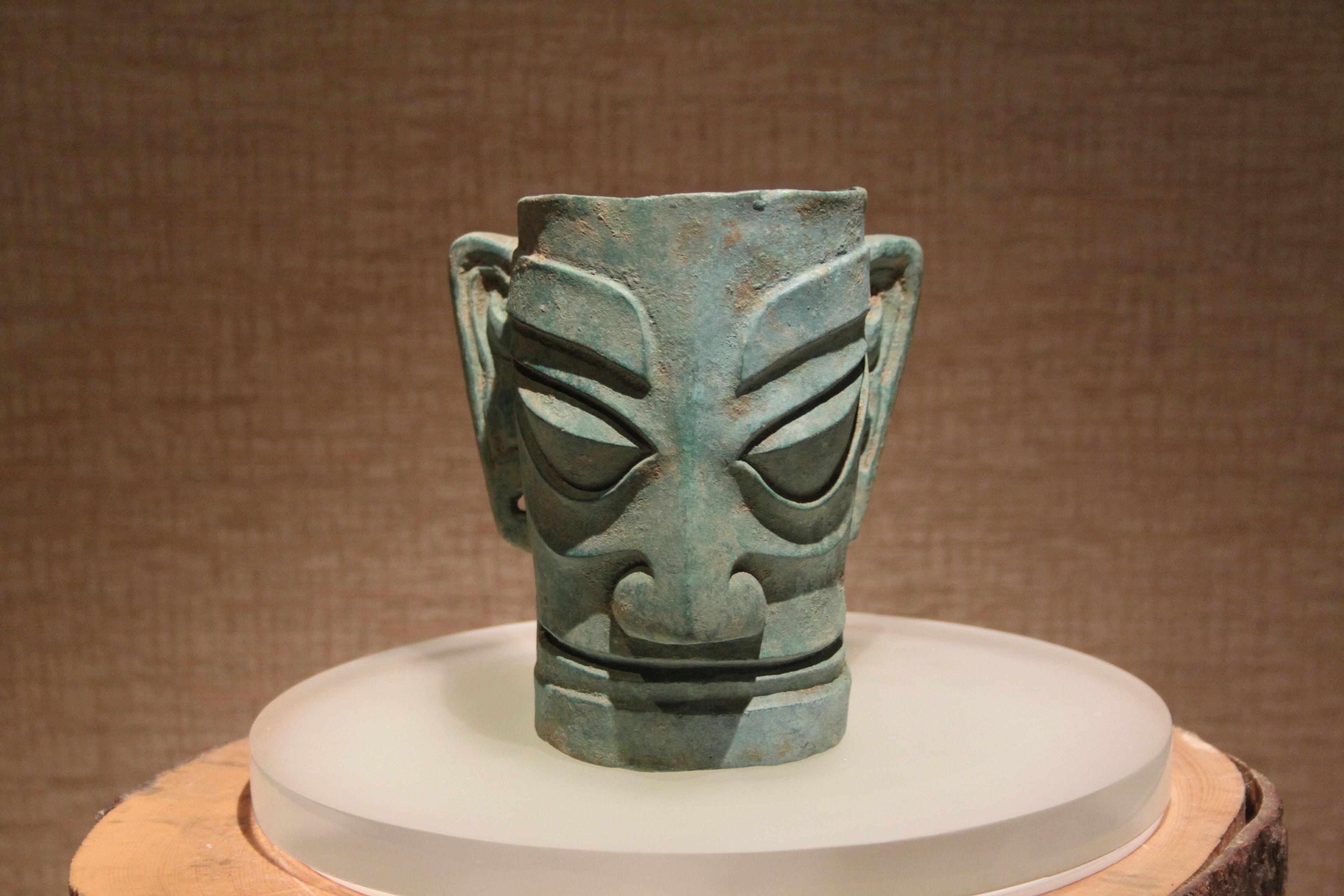 🏺 Archaeology
New Sanxingdui Sacrificial Pits
Six newly opened pits yielded thousands of artifacts — gold masks, bronze trees, and ivory — from the mysterious 3,000-year-old Shu kingdom.
Read more →Questions readers ask
How many artifacts discoveries are catalogued?
The Nucleon currently lists 4. The total changes as new source-checked entries are added.
Where have these discoveries been made?
They span 4 countries or international research settings, from Leang Karampuang, Maros-Pangkep karst to other locations in the catalogue.
How should these entries be compared?
Start with the primary source and the discovery method. A visually striking result and a formal species or particle identification do not always use the same standard of evidence.