Technology
AI, robotics, biotechnology, imaging, quantum computing, and the materials science powering the next era.
Field guide
Understanding technology
Technology discoveries are changes in what humans can build, measure, automate, or compute. They are scientific when the underlying material, algorithm, or process is tested and explained—not simply because a product is new. Beyond Signal places technical breakthroughs beside the research problem they address, the constraints that shaped the solution, and the evidence that demonstrates it works.
A useful technology page should also show its limits. A laboratory prototype may prove a principle without being ready for mass production; a benchmark may demonstrate speed without establishing reliability in the real world. Keeping those distinctions clear makes the catalogue more valuable than a stream of hype and helps readers understand what has actually changed.
From demonstration to deployment
Most technologies pass through stages: a physical or computational principle, a controlled demonstration, engineering refinement, and adoption in a real setting. Discovery occurs at several of these points, but each has a different standard of evidence.
The systems around the invention
Materials, energy, software, manufacturing, and human use all shape whether an invention matters. A technical discovery becomes historically important when it changes what a broader system can do.
Explore by subtopic
9 discoveries
 Illustration🤖 Technology
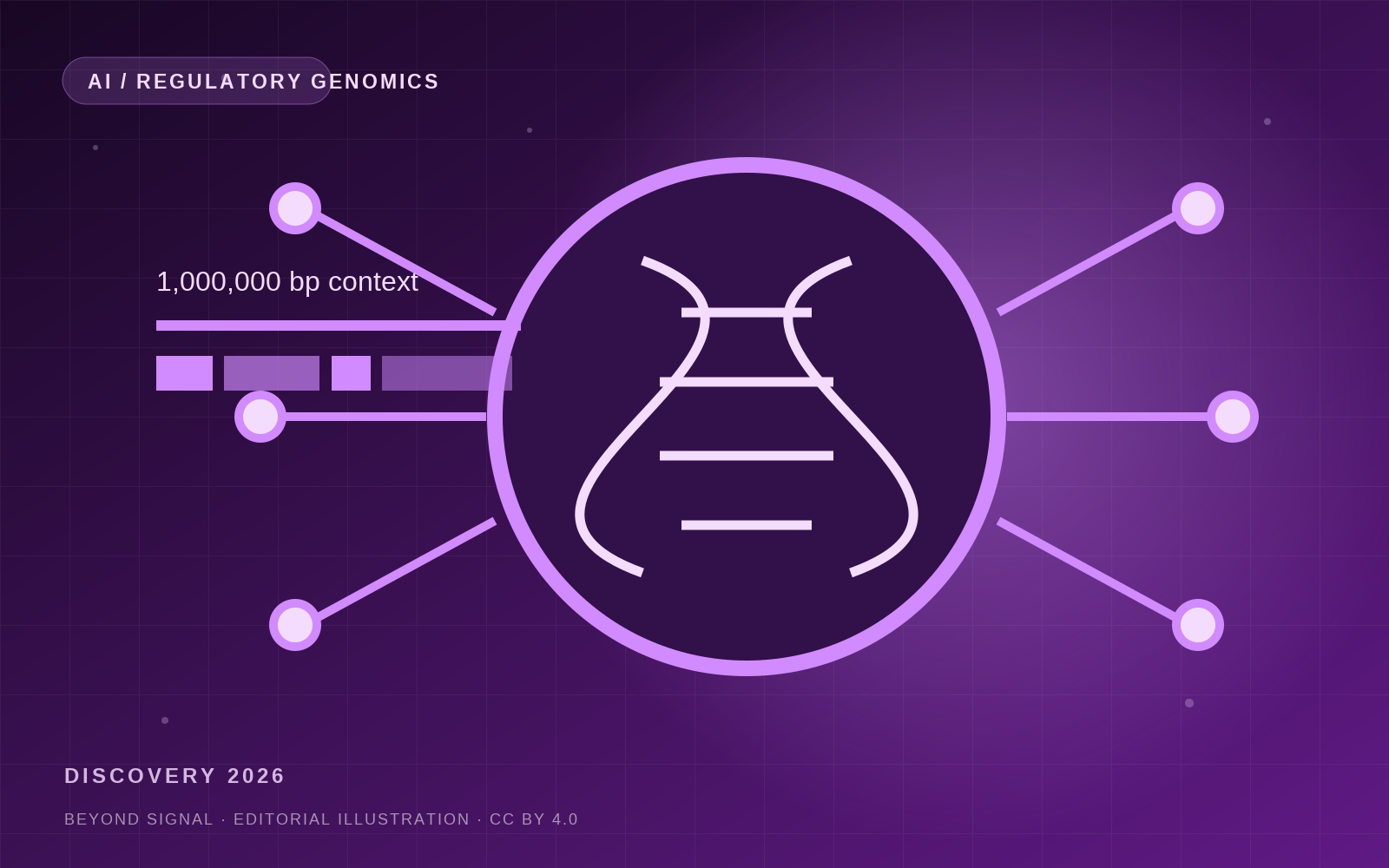
AlphaGenome Predicts How DNA Variants Alter Gene Regulation
AlphaGenome was published as a sequence model that analyses up to one million DNA letters and predicts thousands of regulatory readouts, including gene expression, chromatin state, and RNA splicing.
Read more →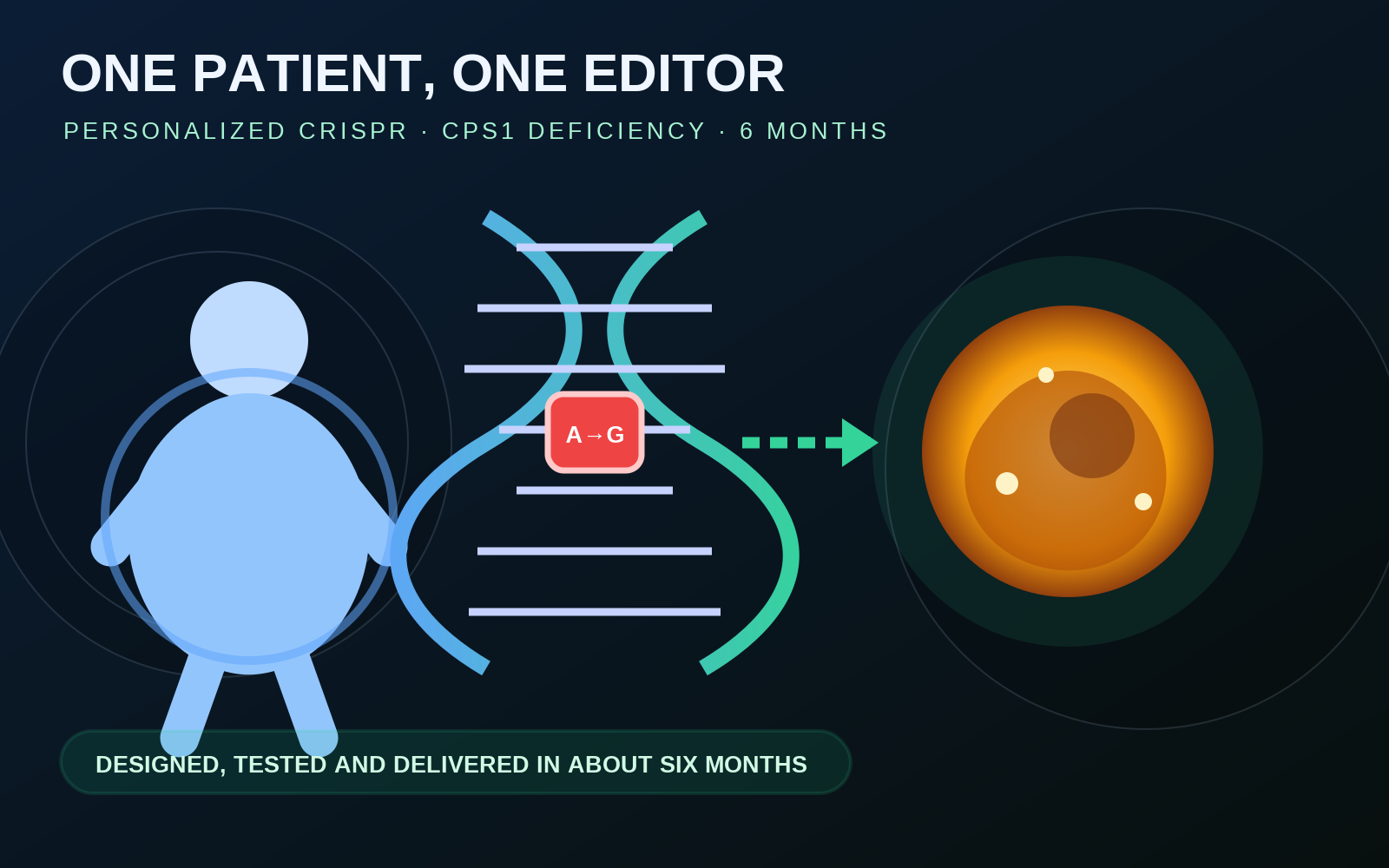 Illustration🤖 Technology
The First Personalized In Vivo CRISPR Treatment
A bespoke adenine base editor was designed, manufactured, and infused into an infant with severe CPS1 deficiency, producing early clinical improvement in the first reported patient-specific CRISPR treatment delivered inside the body.
Read more →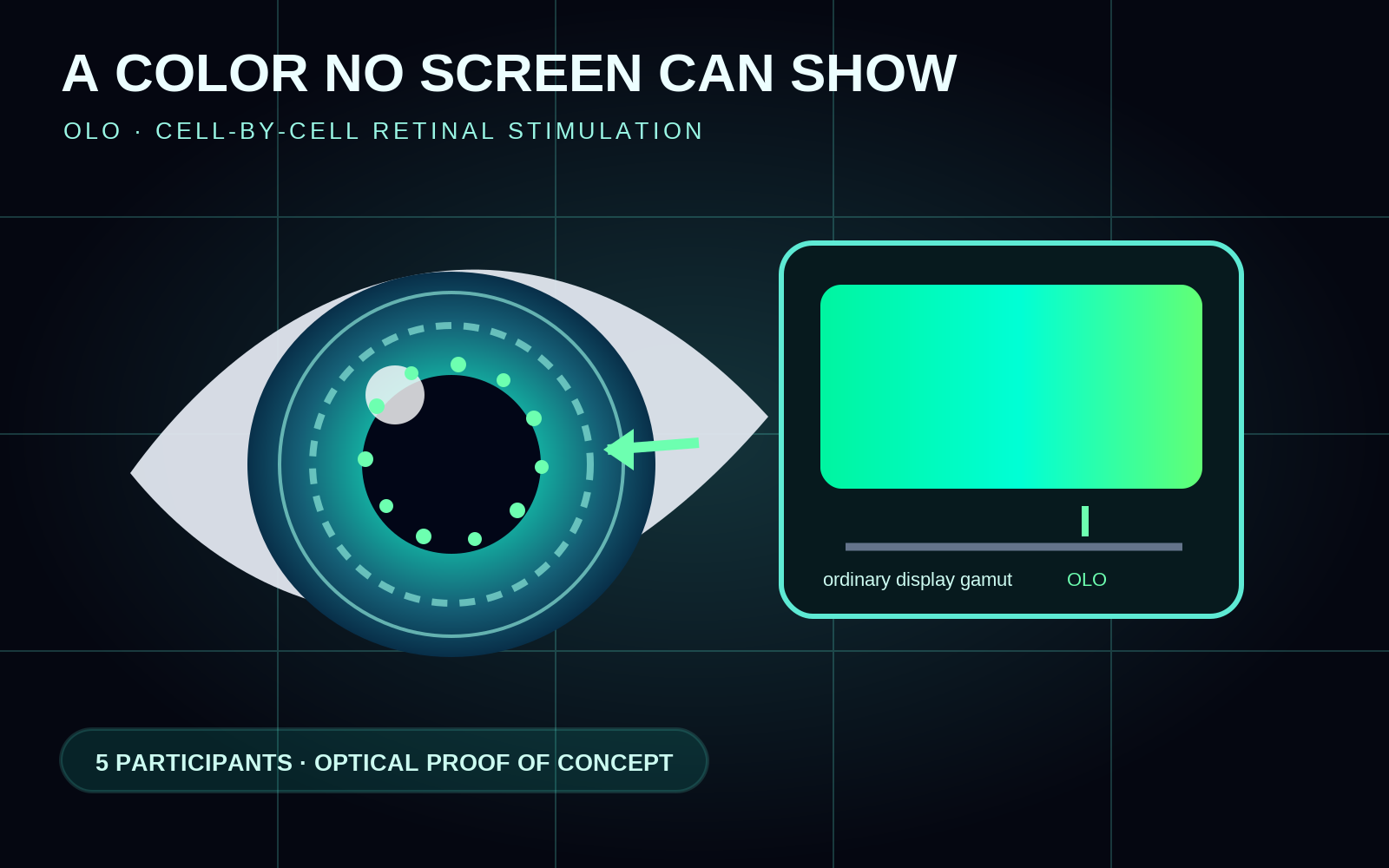 Illustration🤖 Technology
Olo, a Color Beyond the Natural Human Gamut
An adaptive-optics system stimulated selected retinal cone cells one by one, letting five participants perceive an exceptionally saturated blue-green called olo that ordinary light mixtures cannot produce on the same patch of retina.
Read more →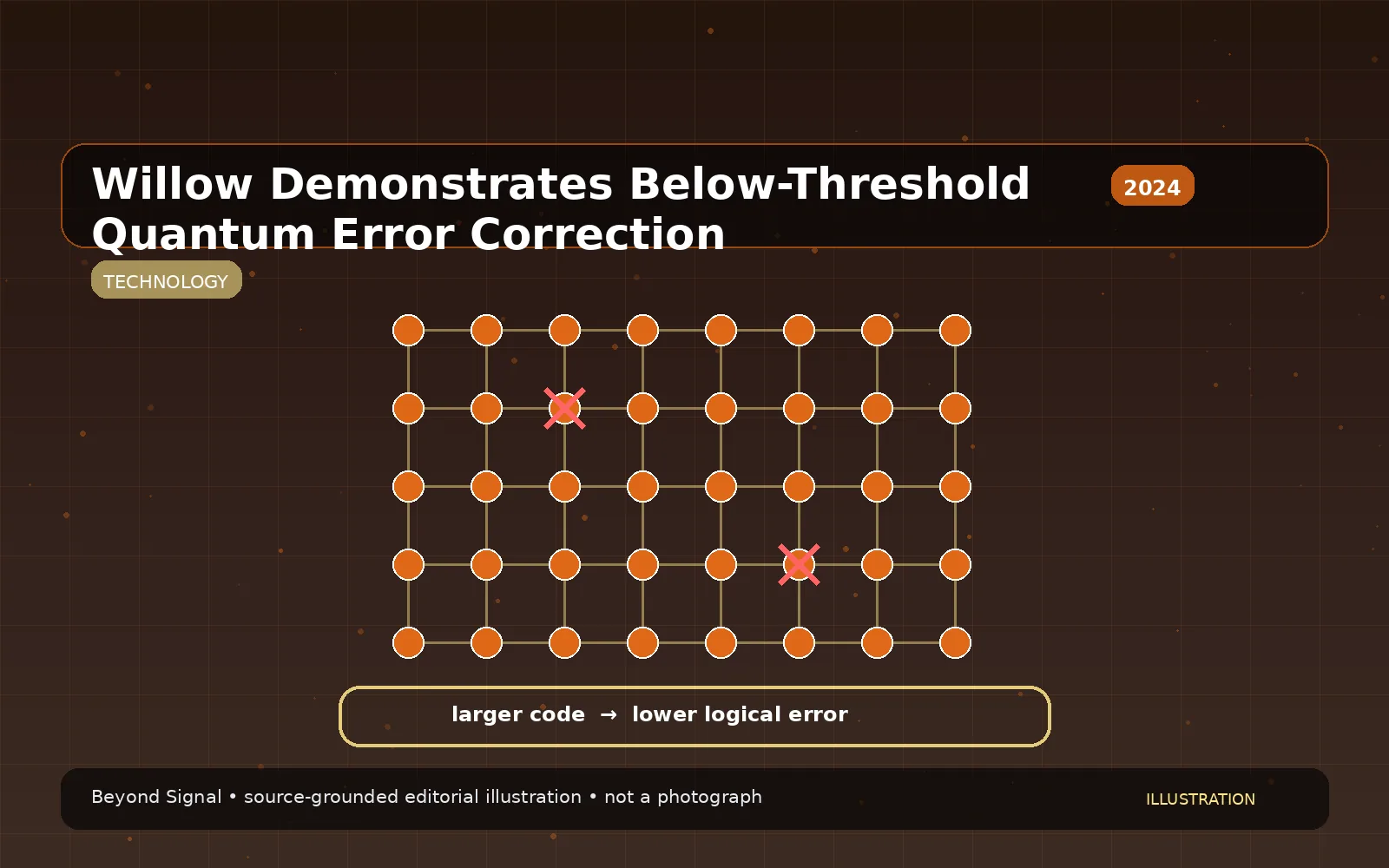 Illustration🤖 Technology
Willow Demonstrates Below-Threshold Quantum Error Correction
Google's Willow processor demonstrated below-threshold surface-code error correction: as researchers increased the size of encoded logical qubits, the logical error rate fell rather than rose. The experiment was an important scaling result for fault-tolerant quantum computing, although it did not produce a general-purpose error-corrected computer.
Read more → Illustration🤖 Technology
Bridge RNAs Link DNA Targets and Donors for Programmable Recombination
Researchers found that IS110 elements use a bridge RNA with independently programmable donor- and target-recognition loops, enabling sequence-specific DNA insertion, excision, and inversion in laboratory experiments.
Read more →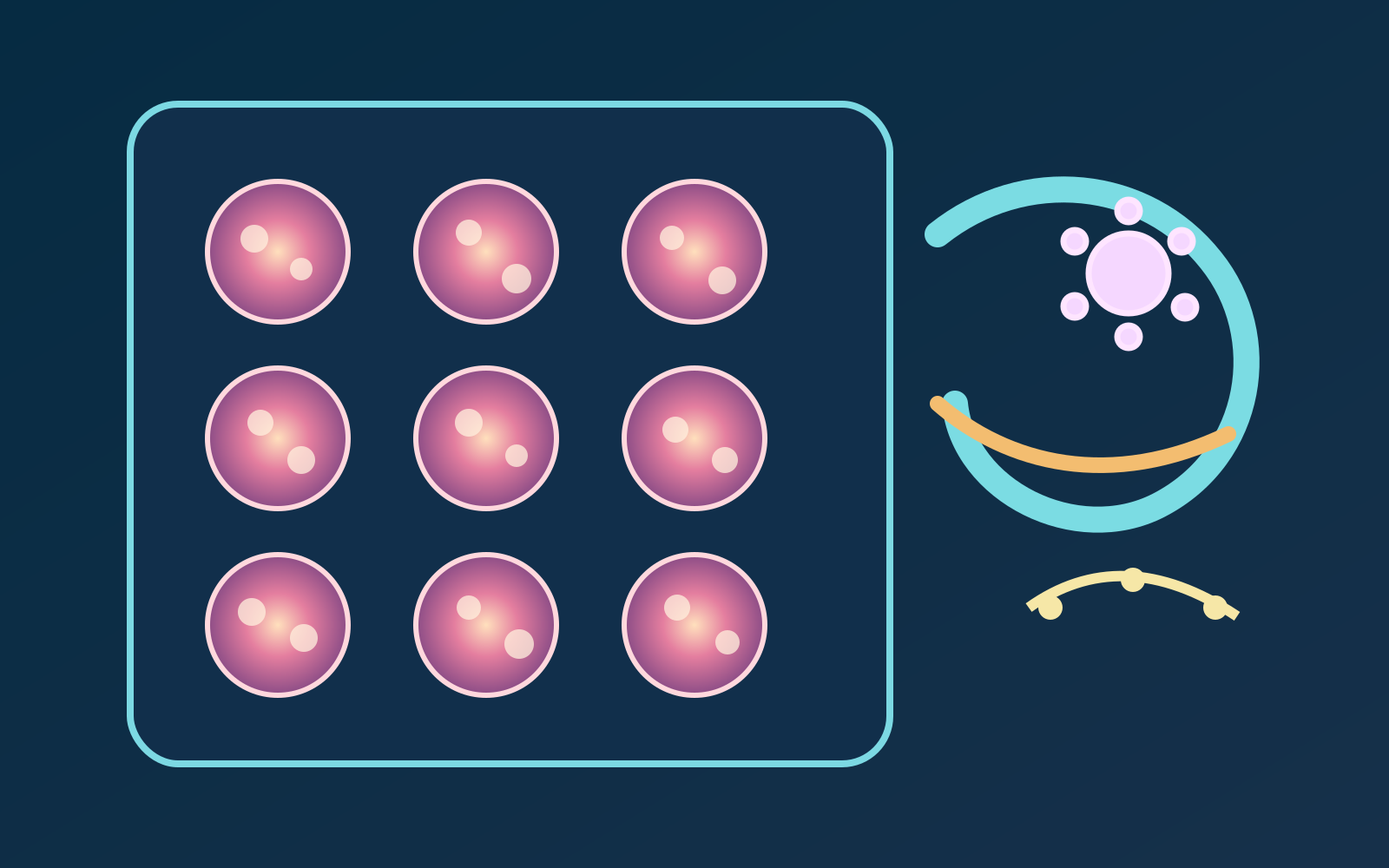 Illustration🤖 Technology
Human Lung-Bud Microarrays Expose a BMP-Linked Infection Signal
Researchers grew reproducible human lung buds in microarrays and used them to identify BMP signalling as a host pathway associated with SARS-CoV-2 infection in the model.
Read more →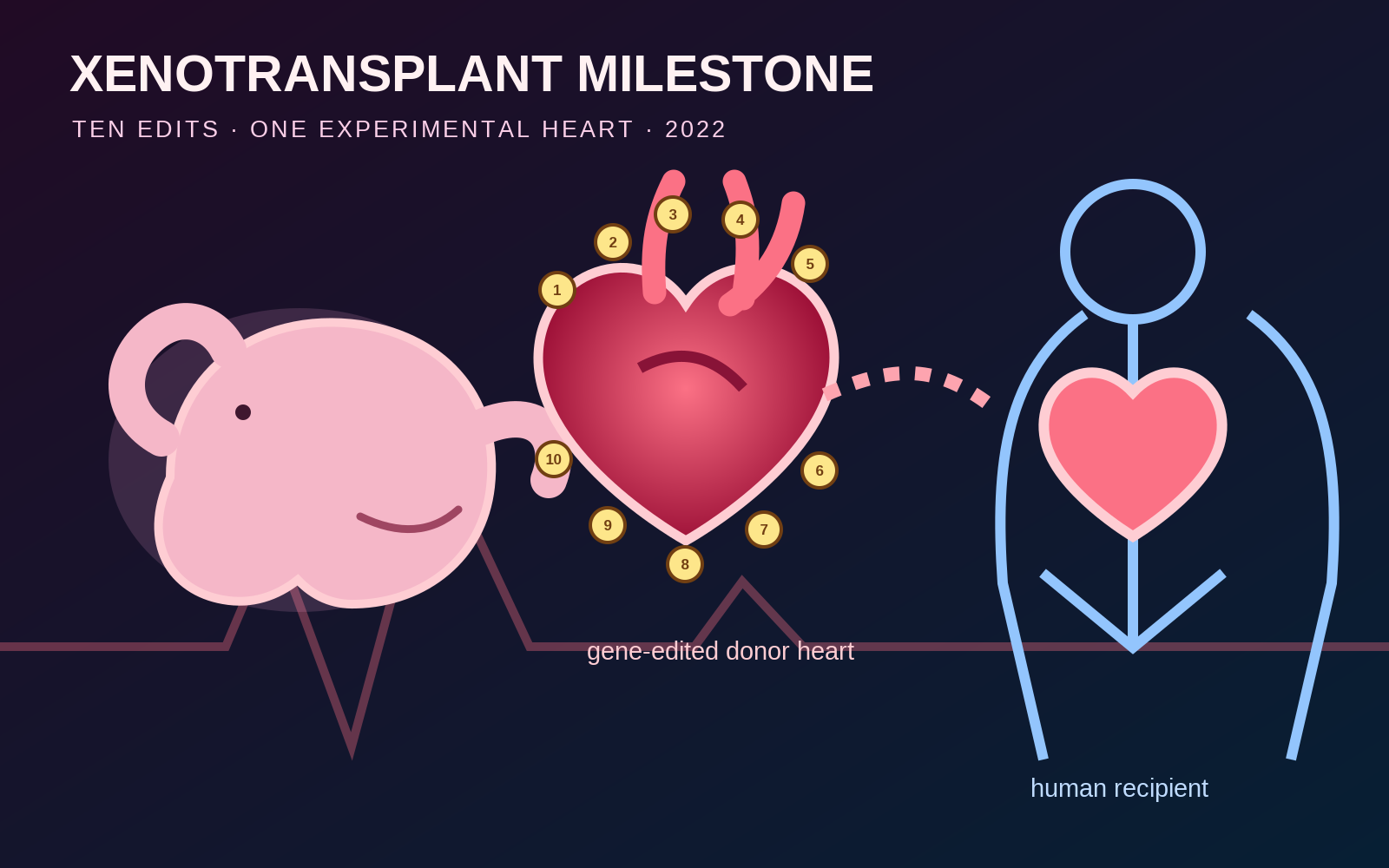 Illustration🤖 Technology
The First Gene-Edited Pig Heart Transplant in a Living Human
Surgeons transplanted a heart from a pig carrying ten targeted genetic modifications into a living adult under compassionate-use authorization, and the organ supported circulation without immediate rejection for several weeks.
Read more →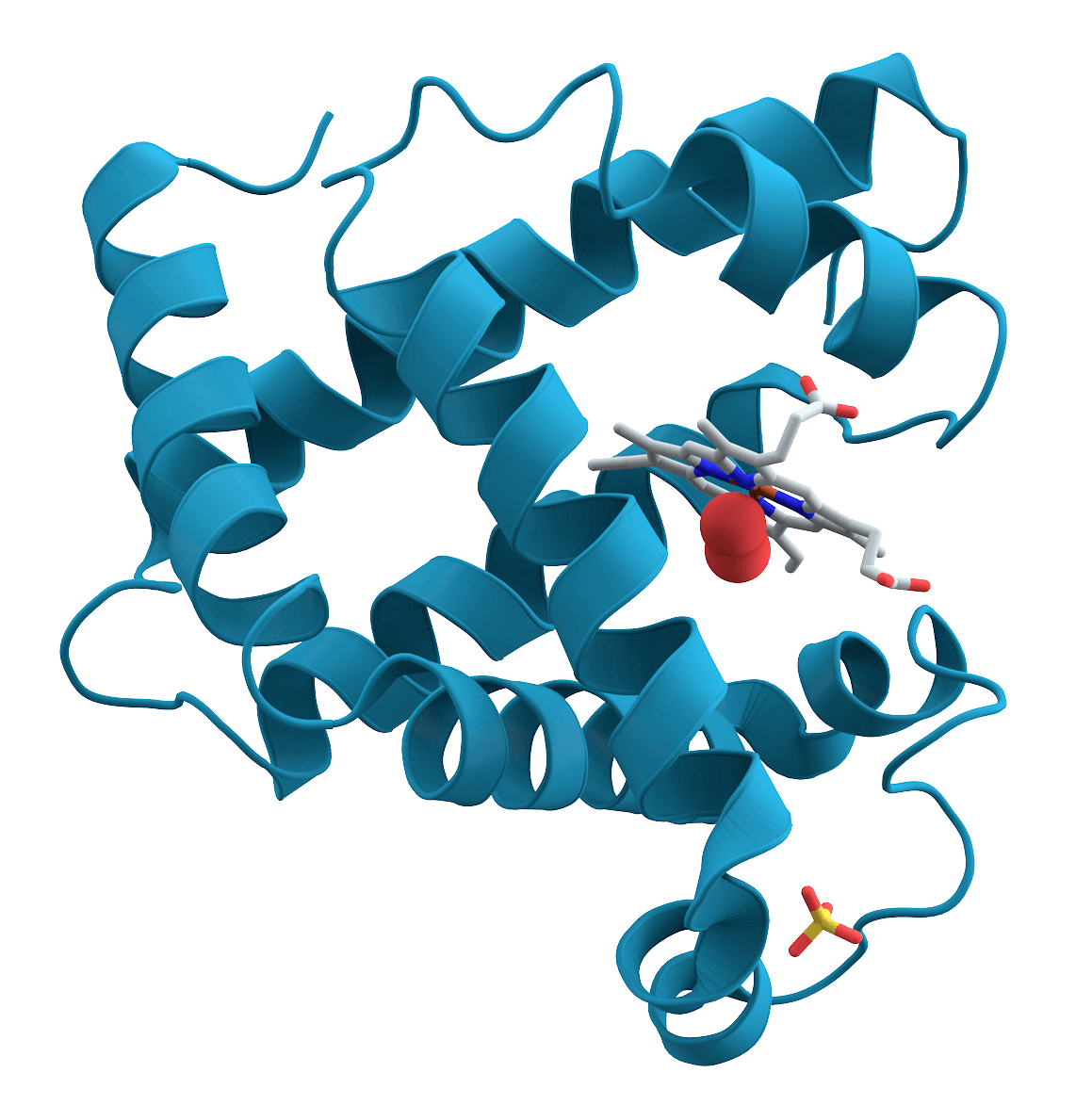 🤖 Technology
AlphaFold Solves Protein Folding
A neural network predicted protein 3D structures from sequence with near-experimental accuracy — cracking a 50-year grand challenge in biology.
Read more →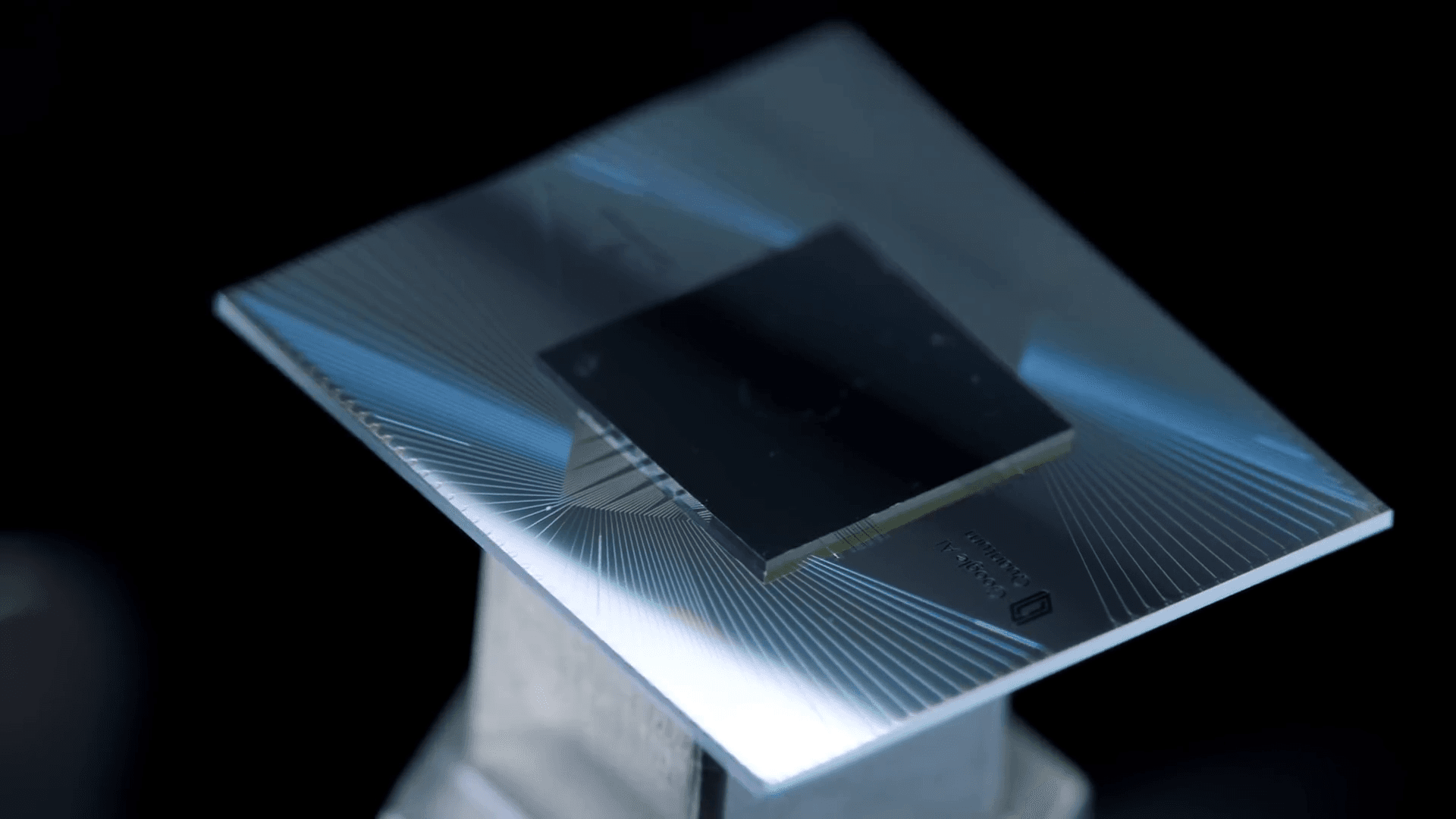 🤖 Technology
Quantum 'Supremacy' with Sycamore
A 53-qubit processor performed in minutes a sampling task estimated to take a classical supercomputer thousands of years.
Read more →Major discoveries by year
- AlphaGenome Predicts How DNA Variants Alter Gene Regulation
2026 · AI
- The First Personalized In Vivo CRISPR Treatment
2025 · Biotechnology
- Olo, a Color Beyond the Natural Human Gamut
2025 · Imaging
- Willow Demonstrates Below-Threshold Quantum Error Correction
2024 · Quantum computing
- Bridge RNAs Link DNA Targets and Donors for Programmable Recombination
2024 · Biotechnology
- Human Lung-Bud Microarrays Expose a BMP-Linked Infection Signal
2023 · Biotechnology
- The First Gene-Edited Pig Heart Transplant in a Living Human
2022 · Biotechnology
- AlphaFold Solves Protein Folding
2021 · AI
Related scientific terms
Frequently asked questions
Is every new technology a scientific discovery?
No. A product launch can be commercially new without adding a new scientific or engineering capability. Discovery pages focus on demonstrated principles and documented breakthroughs.
Why do prototypes often take years to become useful?
Reliability, cost, manufacturing scale, safety, and integration with existing systems can be harder than proving the underlying idea.
What makes a technology result credible?
Clear methods, reproducible testing, meaningful benchmarks, and transparent limits are stronger evidence than a marketing claim.