
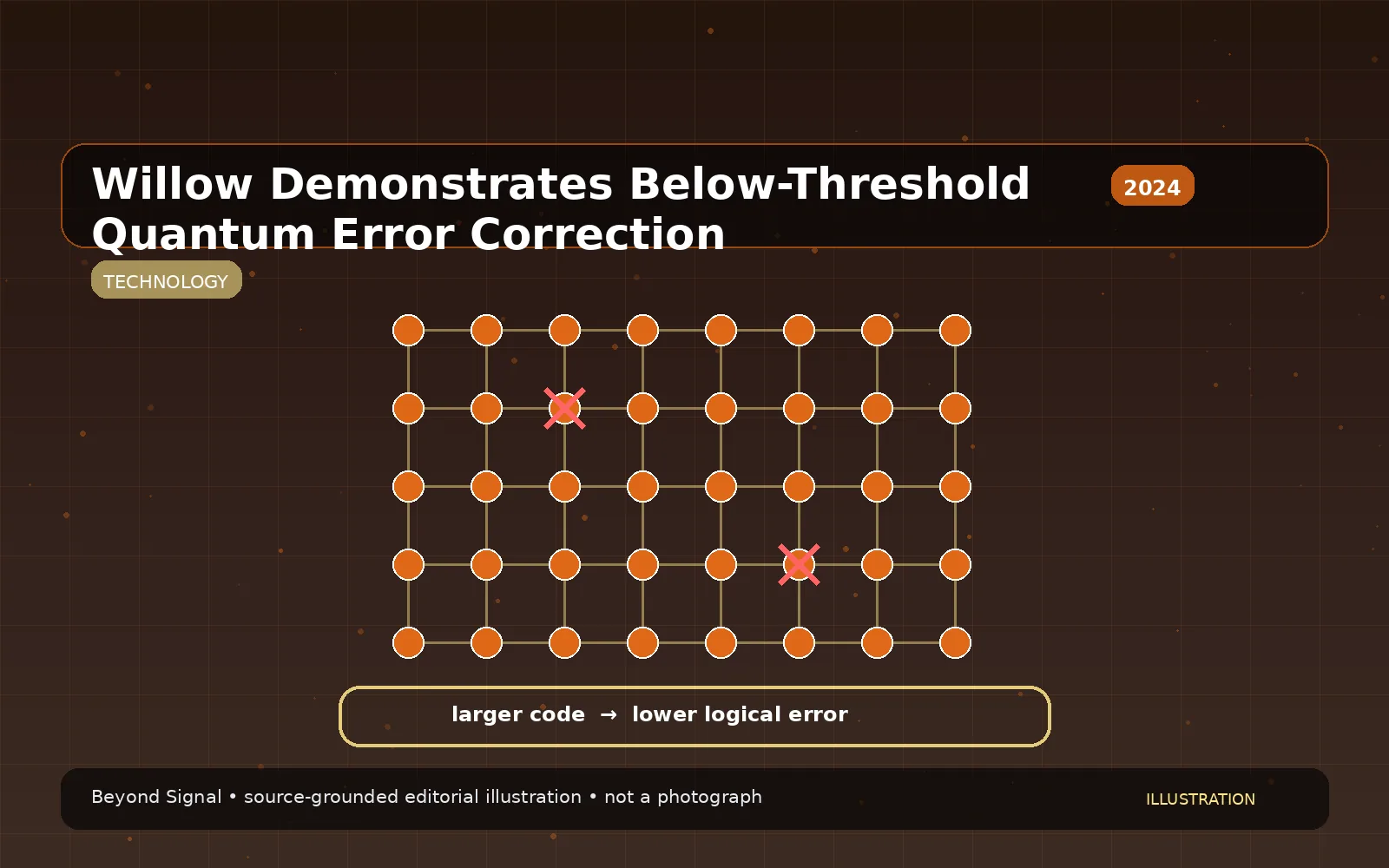
 Illustration — not a photo of the discovery
Willow Demonstrates Below-Threshold Quantum Error Correction
Google's Willow processor demonstrated below-threshold surface-code error correction: as researchers increased the size of encoded logical qubits, the logical error rate fell rather than rose. The experiment was an important scaling result for fault-tolerant quantum computing, although it did not produce a general-purpose error-corrected computer.
The story
Why scientists were there
Quantum information is fragile because interactions, imperfect gates, and measurement noise introduce errors faster than most useful algorithms can tolerate. Surface codes spread one logical qubit across many physical qubits, but they help only when component error rates fall below a demanding threshold.
How they found it
Researchers built progressively larger distance-3, distance-5, and distance-7 surface-code memories on Willow. Repeated syndrome measurements tracked errors without directly measuring the stored logical state, while decoding software inferred corrections from the pattern of detection events.
What makes it unique
Logical errors were suppressed as code distance grew, a central prediction of quantum-error-correction theory. The achievement shifts the challenge toward maintaining the effect for longer computations, faster operations, more logical qubits, and realistic algorithms.
Gallery
Where it was found
Google Quantum AI, Santa Barbara, California
Tags
Related discoveries
 Illustration⚛️ Physics
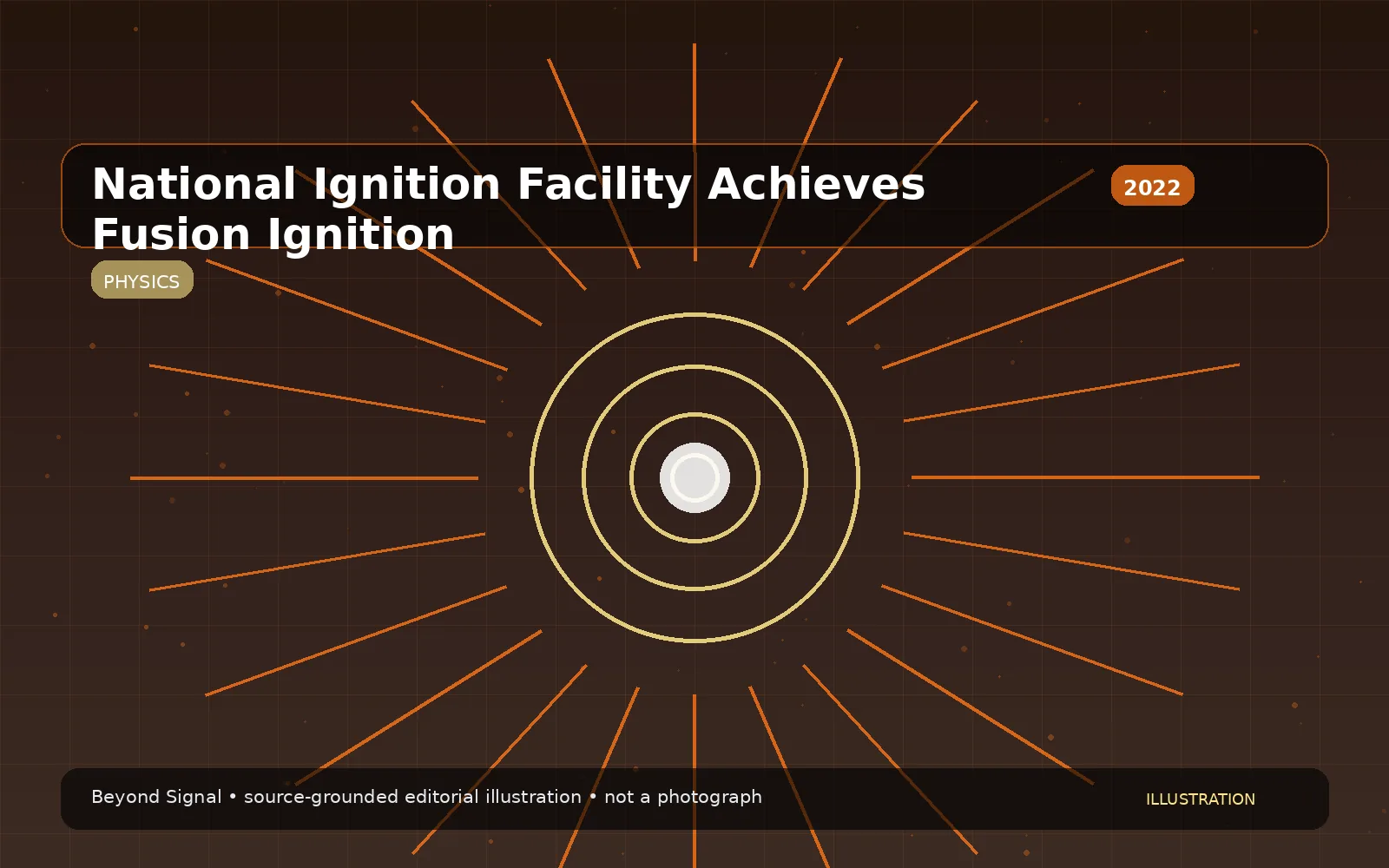
National Ignition Facility Achieves Fusion Ignition
The National Ignition Facility announced the first controlled fusion experiment to produce more fusion energy from a target than the laser energy delivered to it. The December 5 shot sent 2.05 megajoules of laser energy into a fuel capsule and produced about 3.15 megajoules of fusion output.
Read more →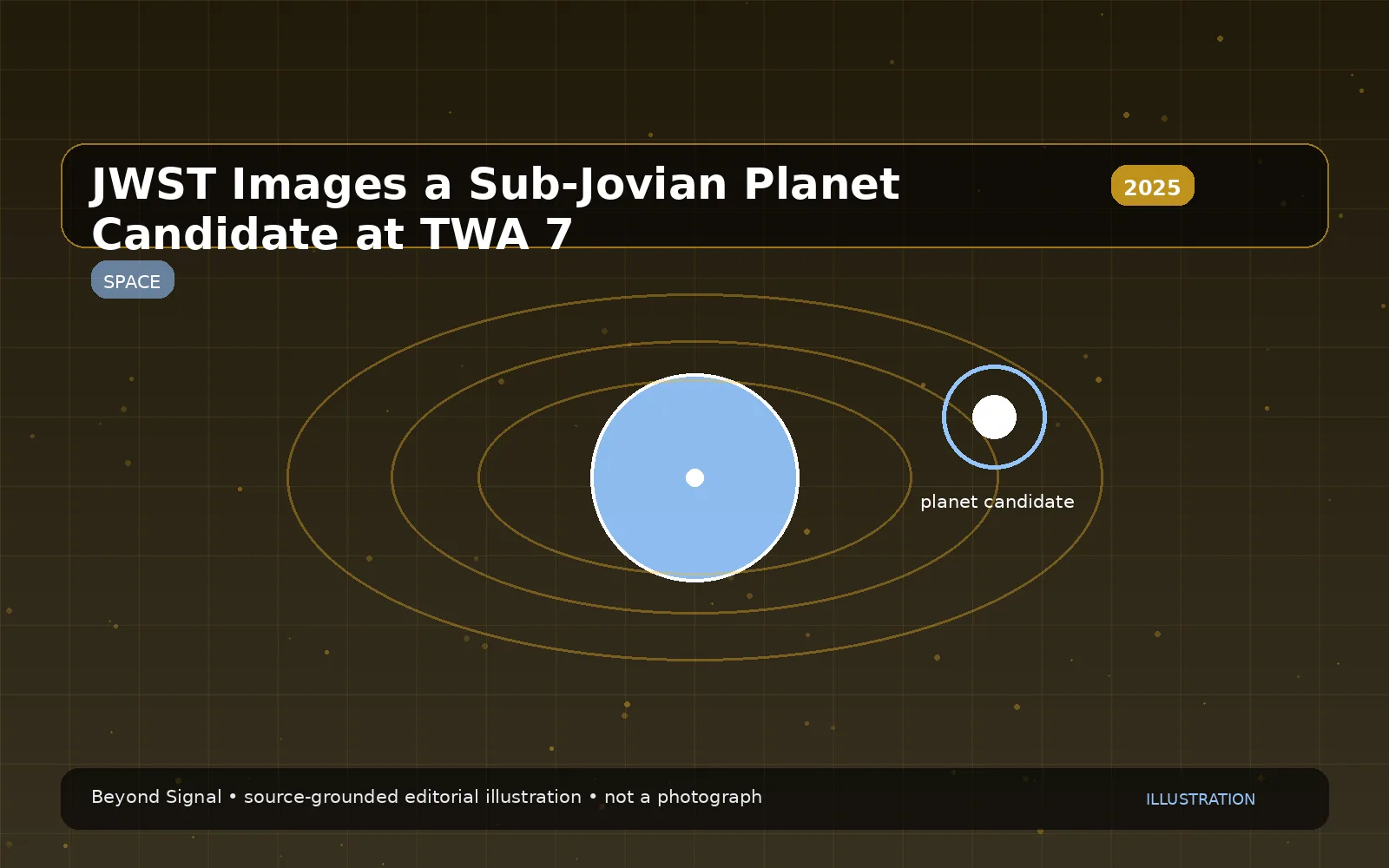 Illustration🌌 Space
JWST Images a Sub-Jovian Planet Candidate at TWA 7
James Webb Space Telescope coronagraphy revealed a compact infrared source embedded in a narrow ring of the young star TWA 7's debris disk. Models place the candidate near 0.3 Jupiter masses at about 52 astronomical units, potentially making it the lowest-mass planet directly imaged around another star.
Read more →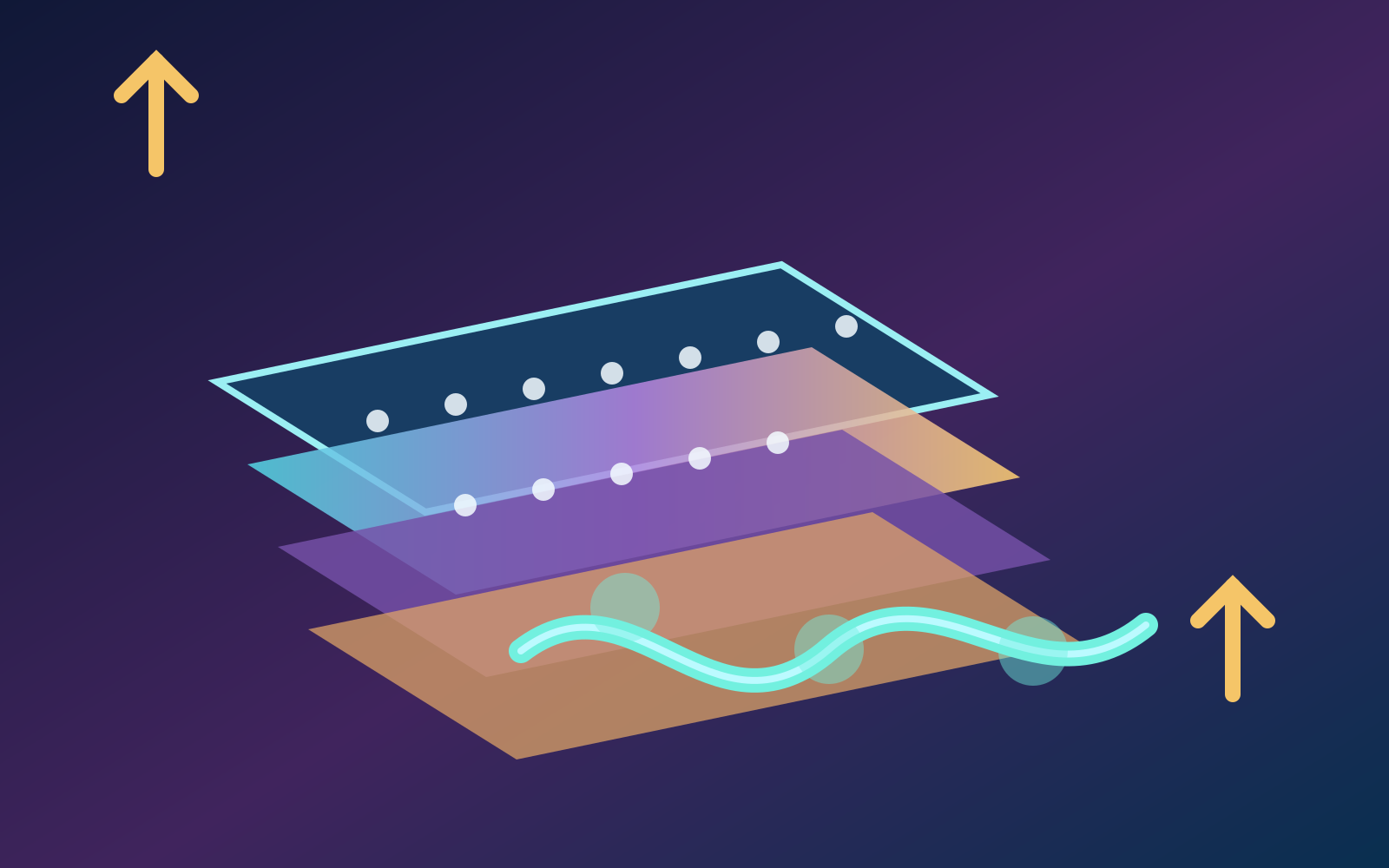 Illustration⚛️ Physics
Magnetic Fields Boost Superconductivity in Rhombohedral Graphene
Transport experiments in rhombohedral four- and five-layer graphene revealed superconducting states that persist, strengthen, or emerge in magnetic fields that would ordinarily suppress conventional superconductivity.
Read more → Illustration⚛️ Physics
Landau–Phonon Polaritons Imaged in Graphene Heterostructures
Infrared magneto-nanoscopy visualized hybrid Landau–phonon polaritons in graphene heterostructures and showed that their propagation can be tuned with a magnetic field.
Read more →