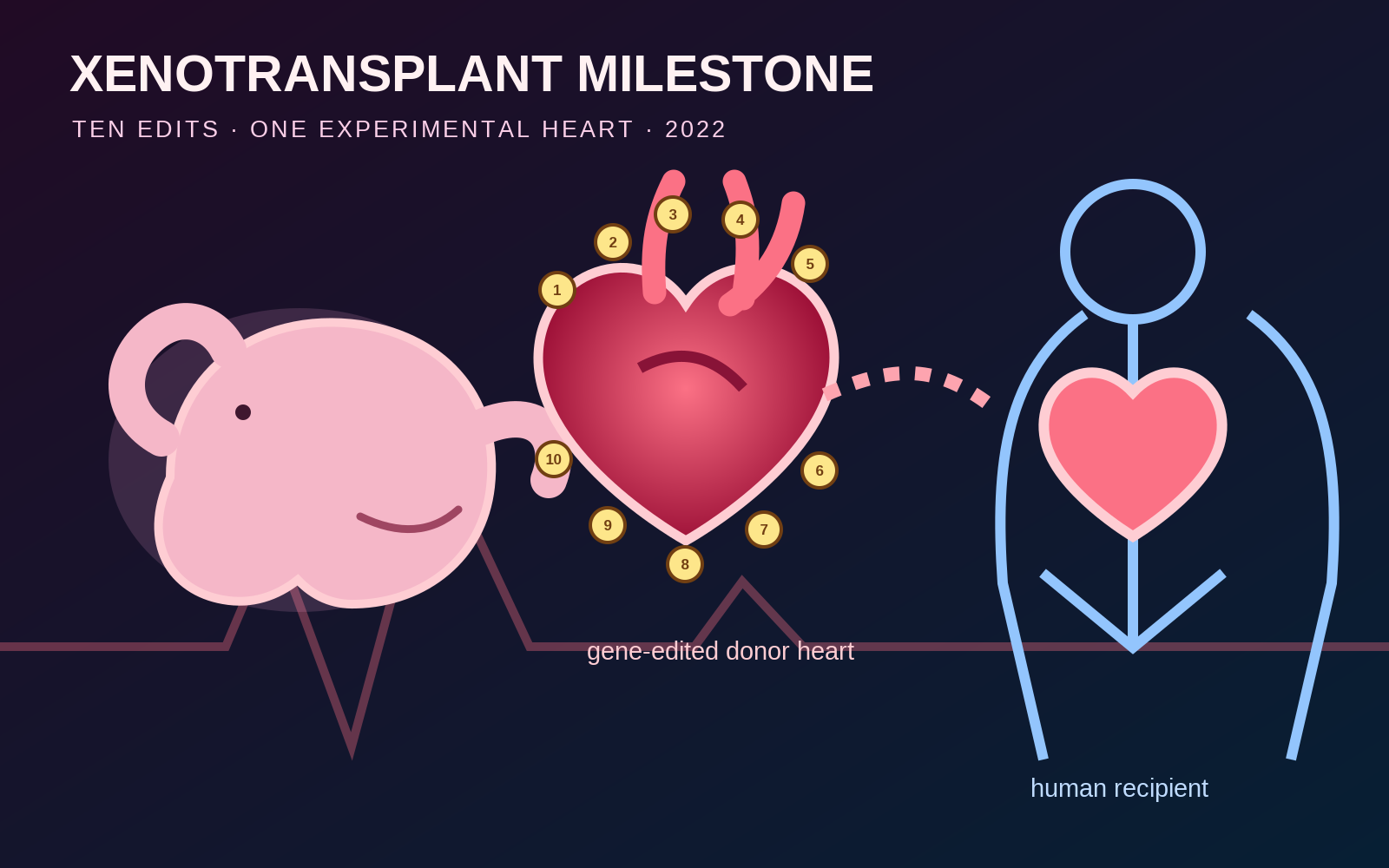
 Illustration — not a photo of the discovery
The First Gene-Edited Pig Heart Transplant in a Living Human
Surgeons transplanted a heart from a pig carrying ten targeted genetic modifications into a living adult under compassionate-use authorization, and the organ supported circulation without immediate rejection for several weeks.
The story
Why scientists were there
Donor hearts are scarce, so a safe animal-organ supply could transform transplantation. This single compassionate-use case did not demonstrate durable efficacy: the patient died 60 days after surgery, and later evidence implicated several interacting causes, including graft dysfunction and porcine cytomegalovirus; controlled trials and stronger pathogen screening were the necessary next steps.
How they found it
The donor pig had four genes inactivated and six human genes added to reduce immune rejection, abnormal growth, and clotting problems. Clinicians monitored cardiac output, biopsies, immune markers, infection, and imaging after the January 7 operation; the peer-reviewed report documented the procedure and the graft's early function.
What makes it unique
It was the first transplant of a gene-edited pig heart into a living human, moving modern cardiac xenotransplantation from non-human-primate studies into clinical experience. It was a milestone in feasibility, not a successful long-term treatment, and its limits directly shaped later protocols.
Gallery
Where it was found
University of Maryland Medical Center, Baltimore
Tags
Related discoveries
 Illustration🧬 Biology
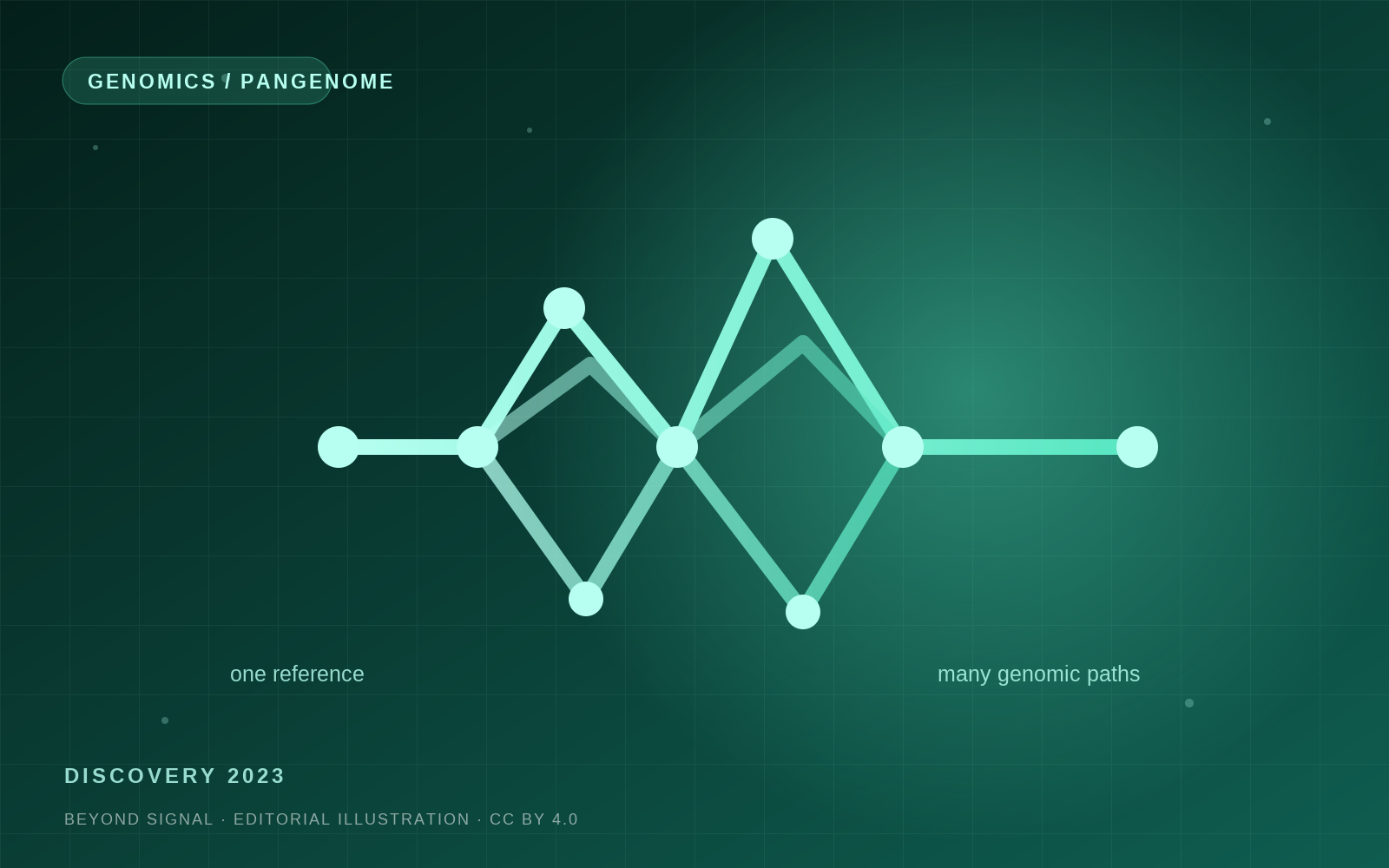
A More Diverse Human Pangenome Reference
Researchers released a draft human pangenome built from 47 genetically diverse people, replacing a single linear reference with multiple possible genomic paths.
Read more →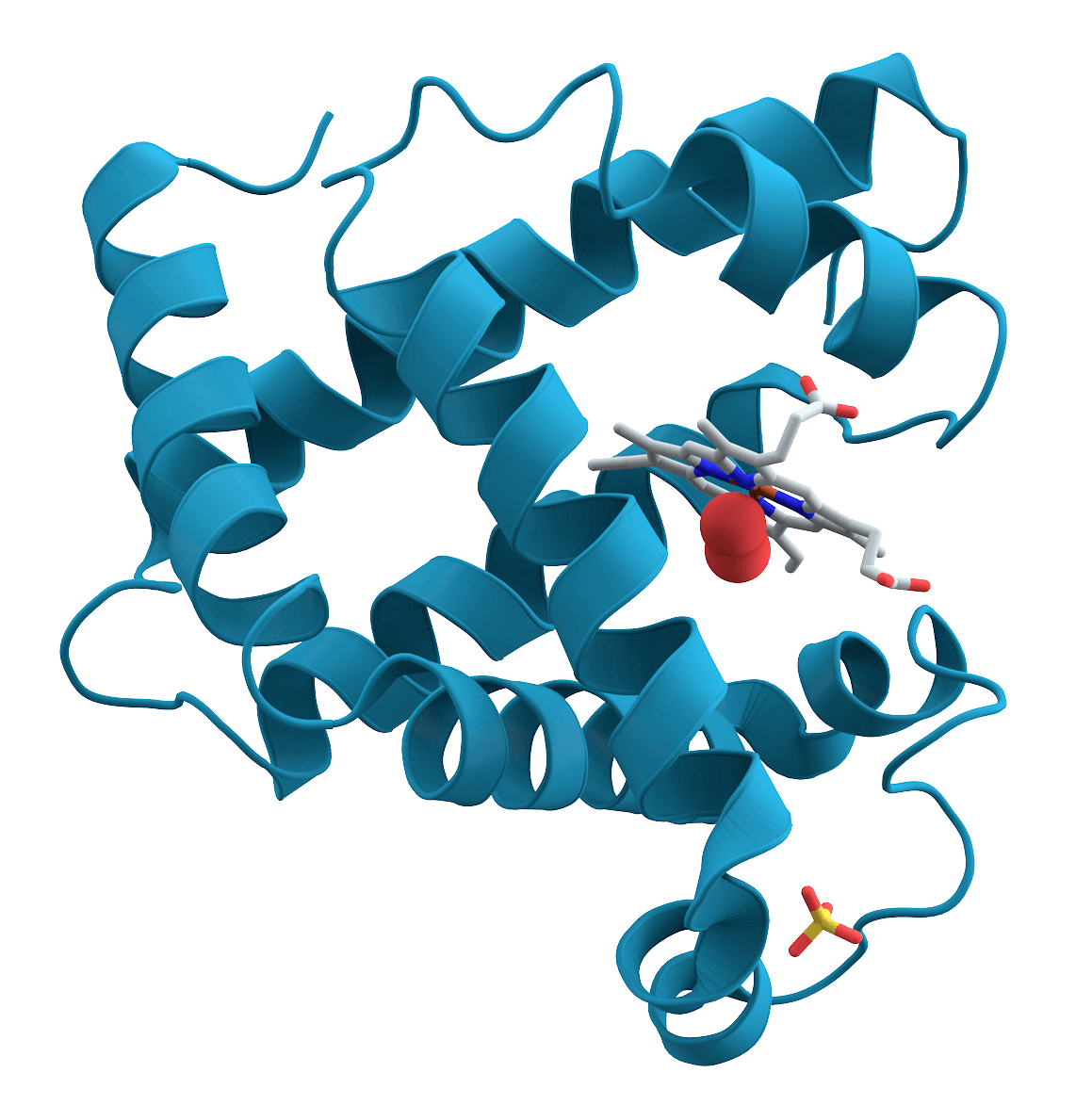 🤖 Technology
AlphaFold Solves Protein Folding
A neural network predicted protein 3D structures from sequence with near-experimental accuracy — cracking a 50-year grand challenge in biology.
Read more →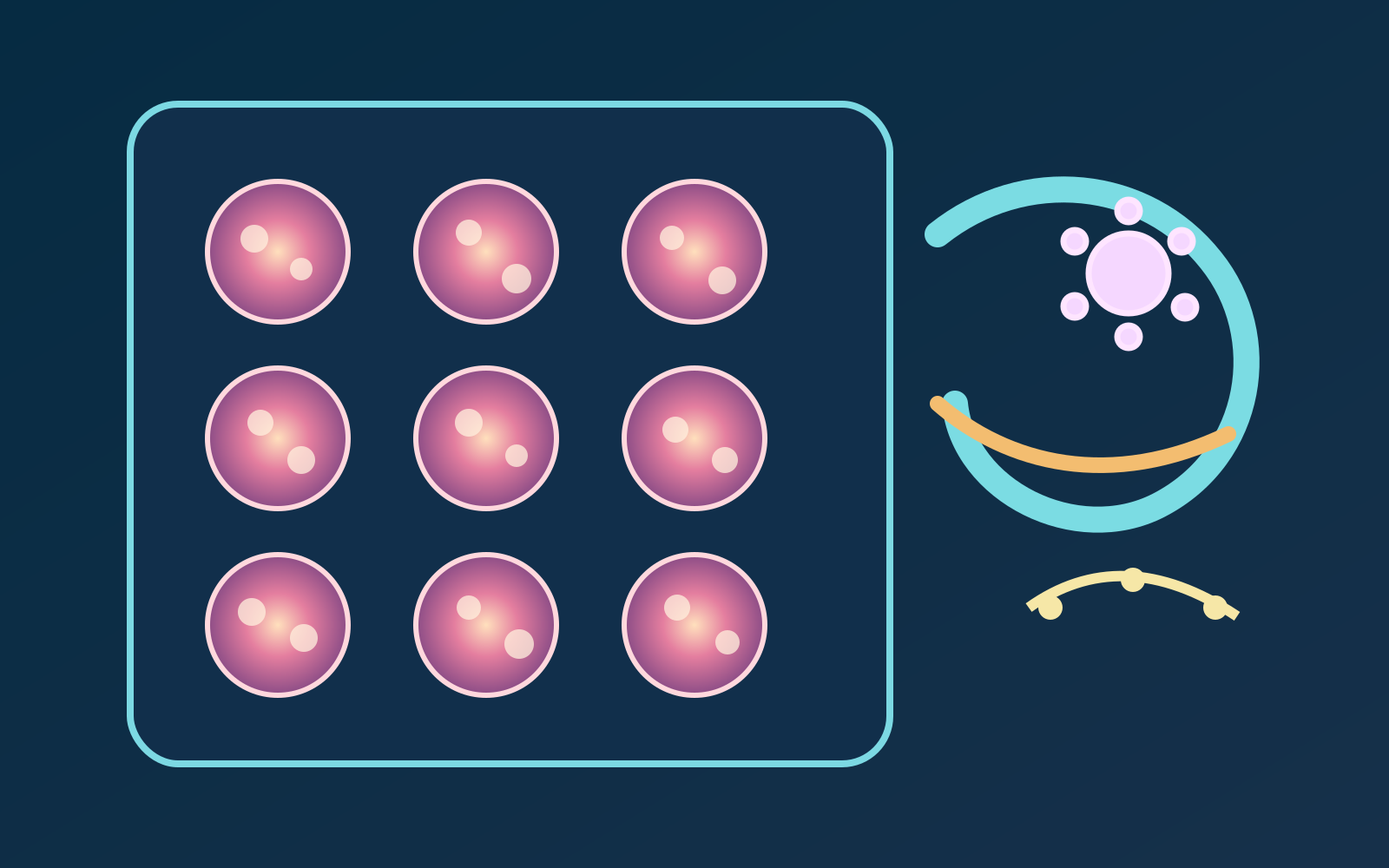 Illustration🤖 Technology
Human Lung-Bud Microarrays Expose a BMP-Linked Infection Signal
Researchers grew reproducible human lung buds in microarrays and used them to identify BMP signalling as a host pathway associated with SARS-CoV-2 infection in the model.
Read more →