
Topic hub
Nebulae discoveries in Space
This topic hub follows 2 catalogued nebulae discoveries across The Nucleon directory. Each entry connects the finding to its location, discovering institution, scientific source, and related work.
What this topic includes
In space, nebulae can describe a change in what scientists observe, classify, or measure. The entries below are grouped by their documented subject rather than by headline popularity, making it easier to compare discoveries from different years and places.
Key discoveries
 Illustration🌌 Space
The Largest Interstellar Sulfur-Bearing Molecule Yet
Radio spectra revealed 2,5-cyclohexadiene-1-thione in a Galactic-centre molecular cloud, the largest sulfur-bearing molecule yet identified in interstellar space.
Read more →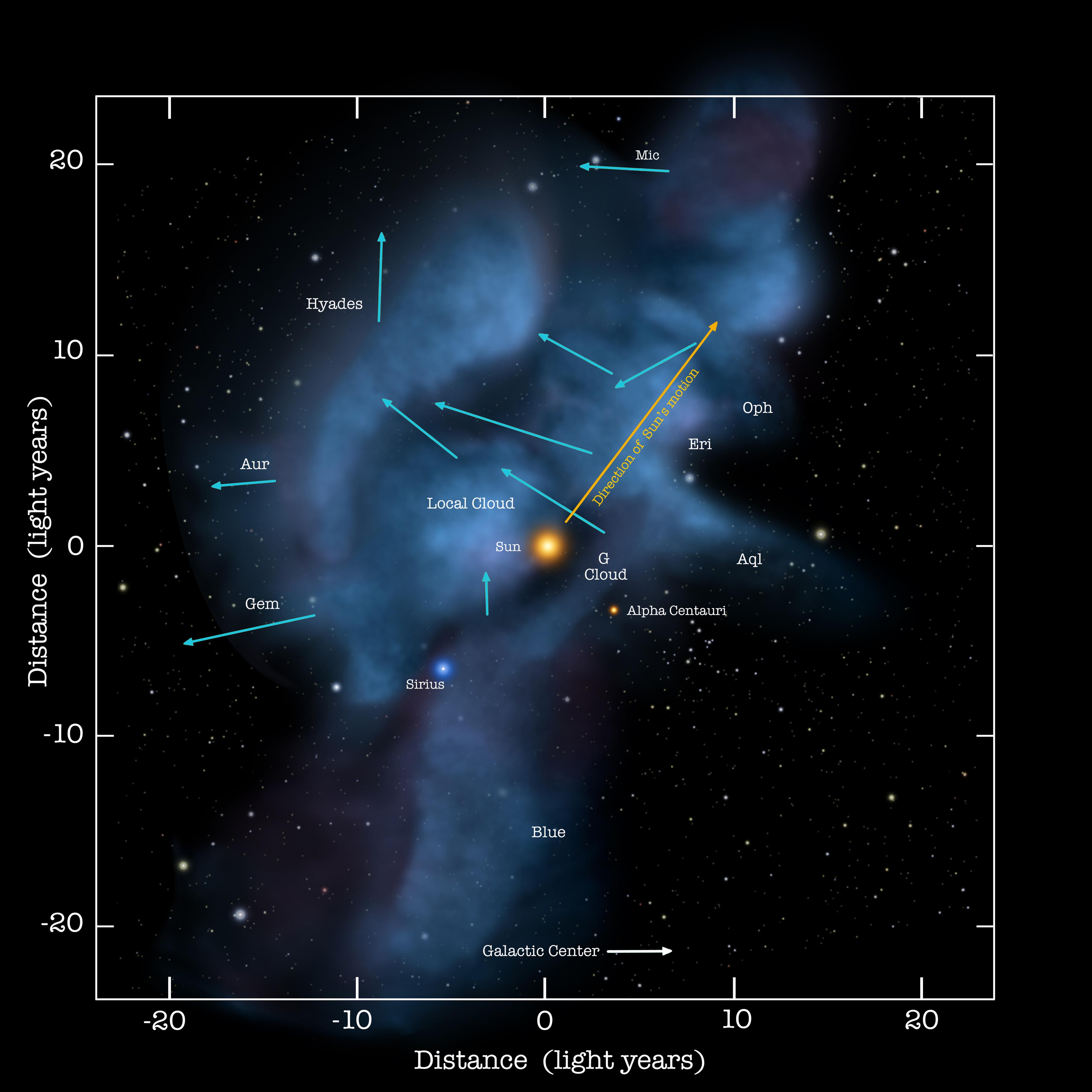 🌌 Space
Eos: A Hidden Molecular Cloud Near the Sun
Astronomers discovered Eos, a vast molecular cloud only about 300 light-years away, by detecting ultraviolet fluorescence from molecular hydrogen — a first for this class of cloud.
Read more →Questions readers ask
How many nebulae discoveries are catalogued?
The Nucleon currently lists 2. The total changes as new source-checked entries are added.
Where have these discoveries been made?
They span 2 countries or international research settings, from IRAM 30-m Telescope, Pico Veleta, Spain to other locations in the catalogue.
How should these entries be compared?
Start with the primary source and the discovery method. A visually striking result and a formal species or particle identification do not always use the same standard of evidence.