
Scientific tag
exoplanet
The exoplanet tag groups 7 source-backed discoveries that share a scientific subject. Tags are a connective layer across the catalogue: they help readers move from a single entry to related findings without replacing the more specific category, location, or institution context.
The current group crosses 1 field. Follow the individual pages for the evidence, source status, and explanation of what each discovery contributes.
- Entries
- 7
- Scientific fields
- 1
Discoveries connected to exoplanet
 🌌 Space
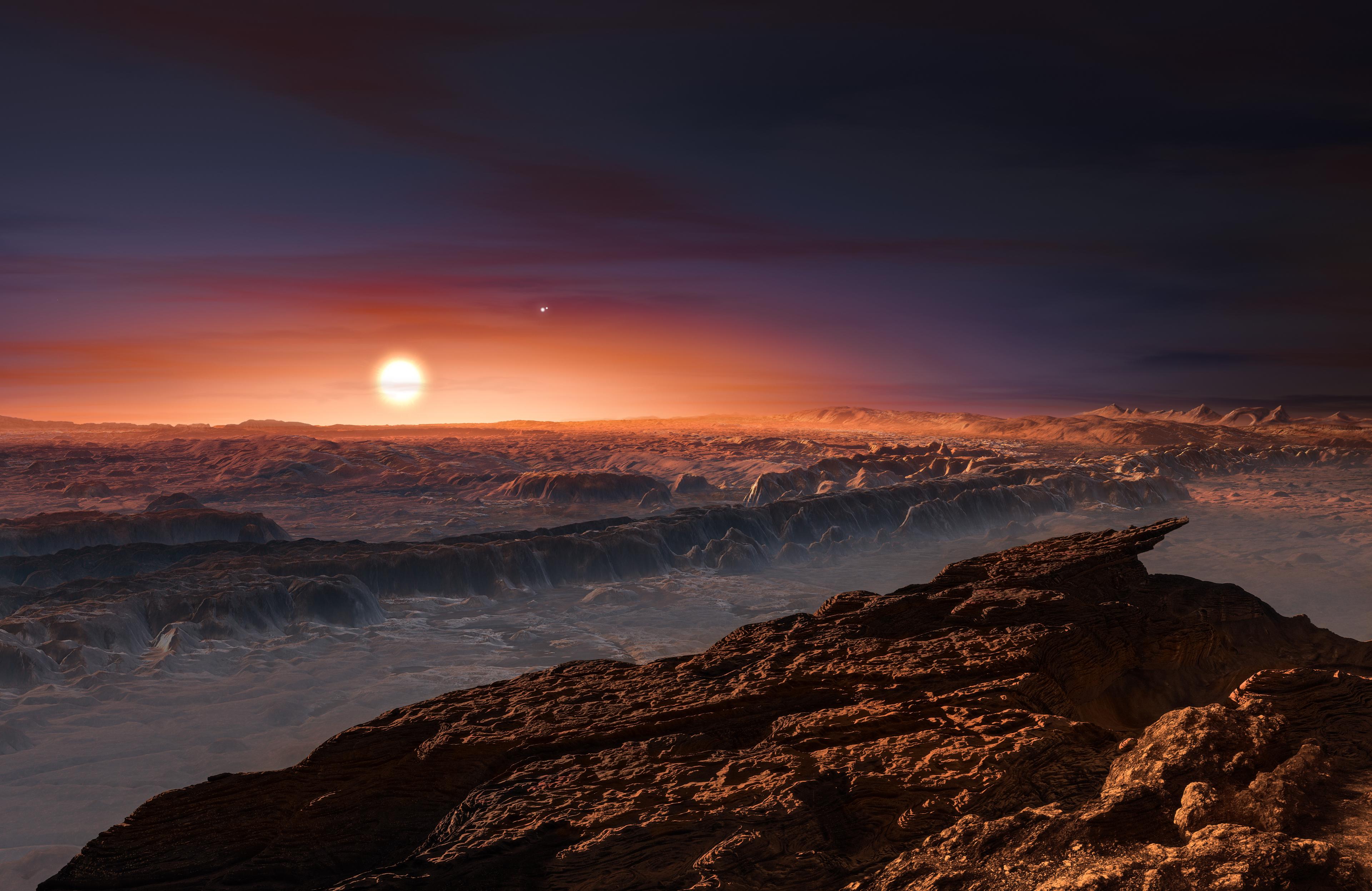
GJ 887 d, a Nearby Habitable-Zone Super-Earth
A 50.77-day super-Earth confirmed in the habitable zone of GJ 887, only about 10.7 light-years away and second only to Proxima b in proximity among known temperate planets.
Read more →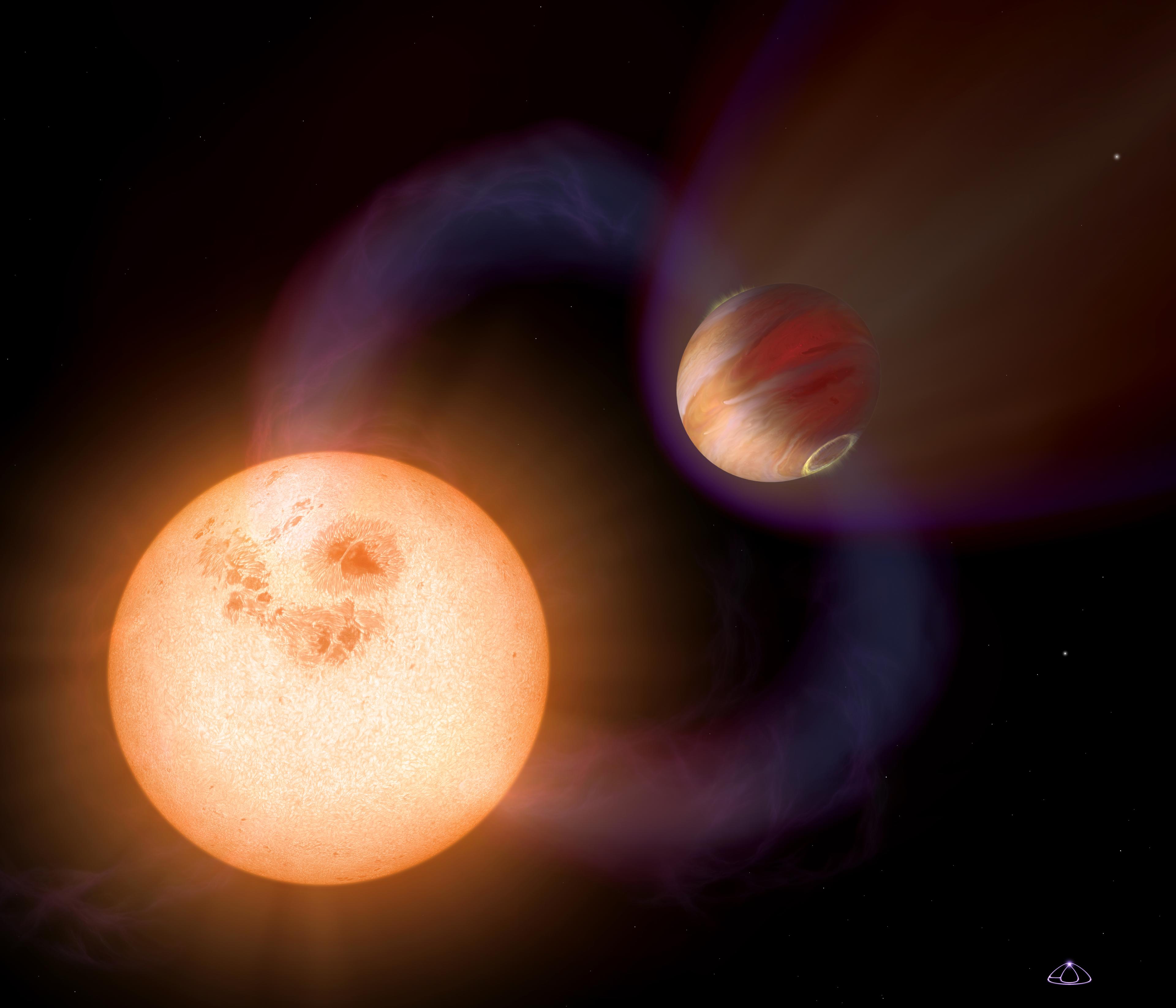 🌌 Space
The Inside-Out LHS 1903 Planetary System
Four close-orbiting planets arranged rocky–gaseous–gaseous–rocky, an unexpected architecture that supports sequential, gas-depleted planet formation.
Read more →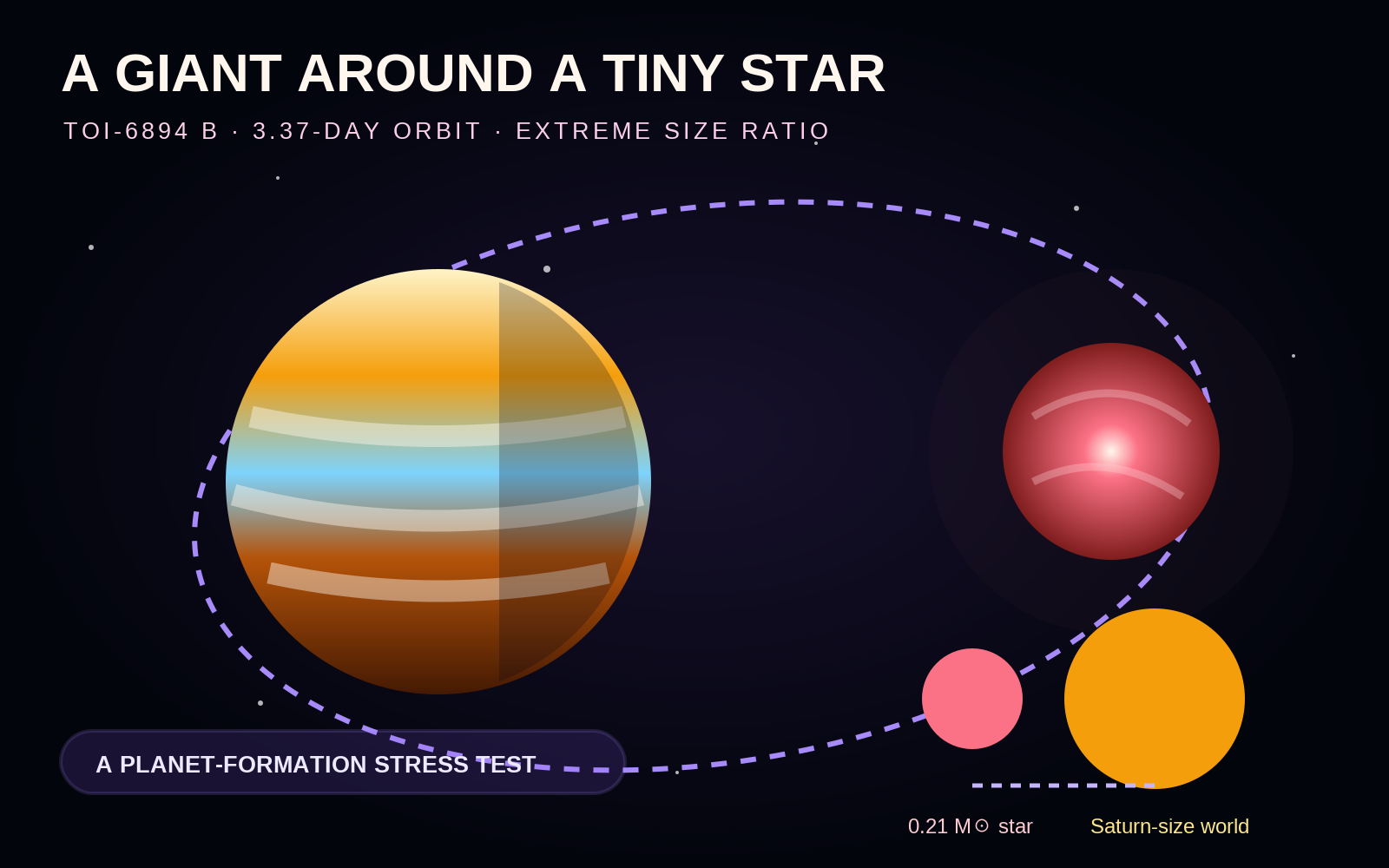 Illustration🌌 Space
TOI-6894 b, a Giant Planet Around a Tiny Star
Transit and radial-velocity measurements confirmed a low-density giant planet around a star only about one-fifth the Sun's mass, creating a demanding test for planet-formation models around very low-mass stars.
Read more →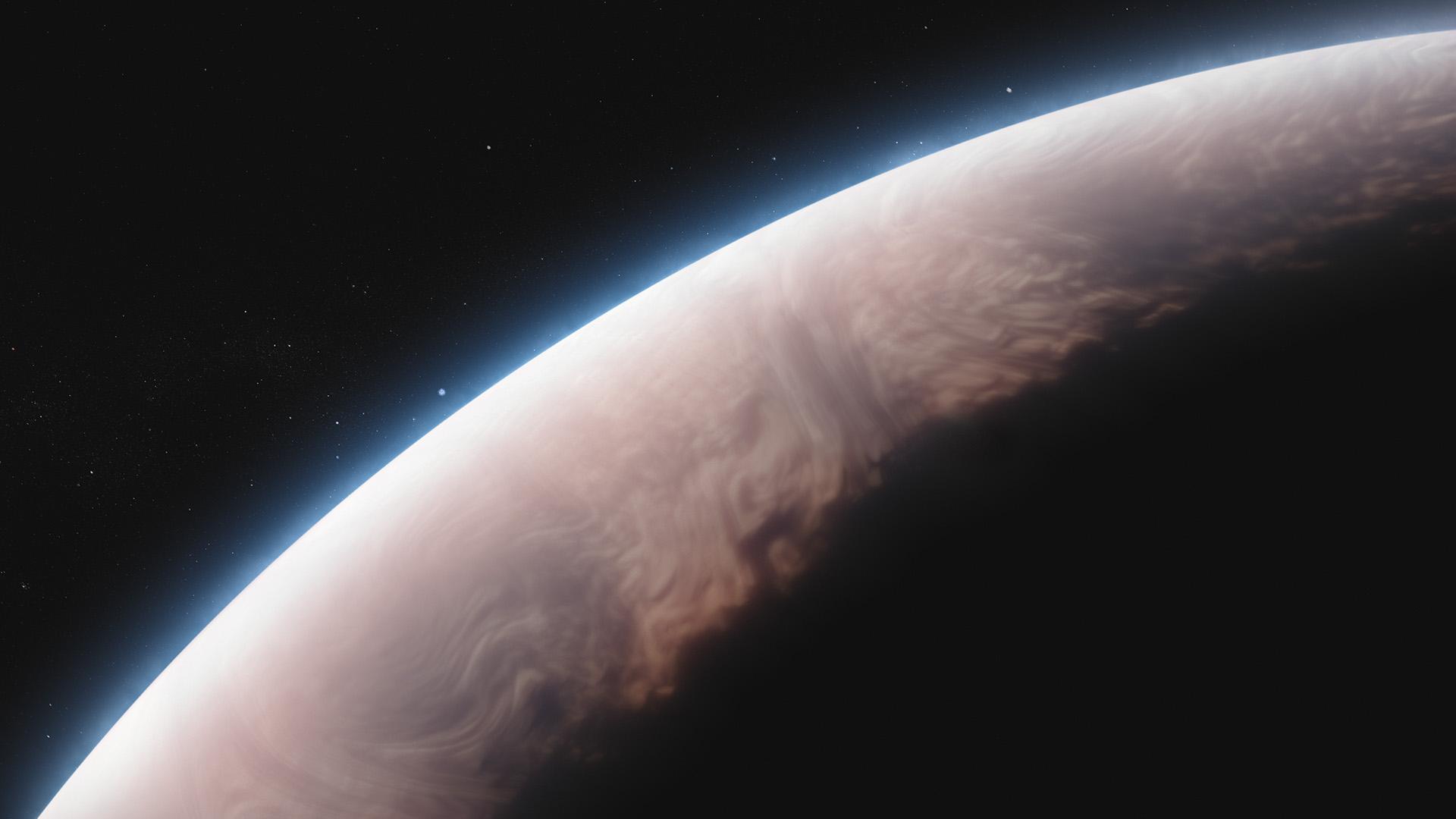 🌌 Space
A 3D Weather Map of Exoplanet Tylos
For the first time, astronomers mapped several layers of an exoplanet's atmosphere in three dimensions, revealing separate winds carrying iron, sodium, hydrogen, and titanium.
Read more →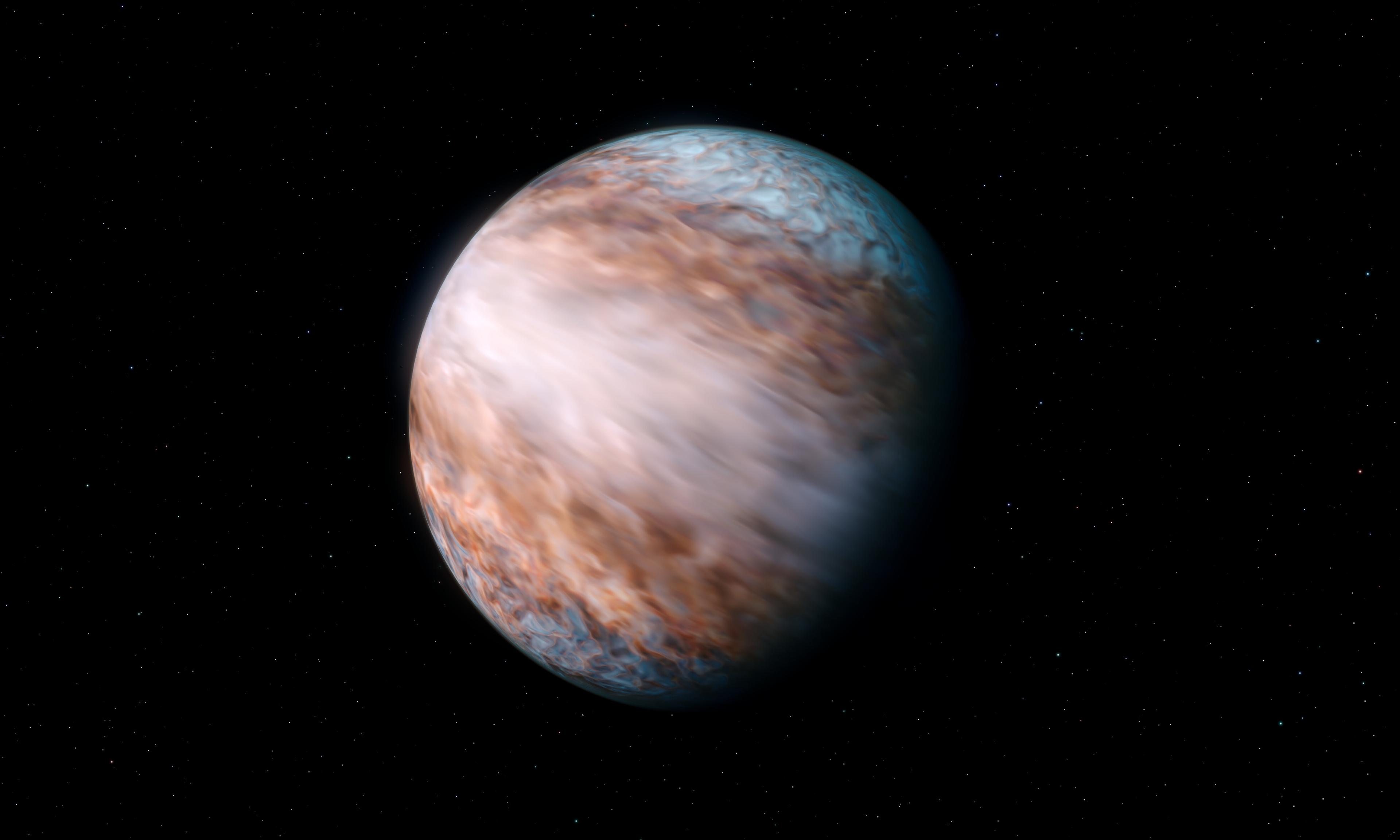 🌌 Space
Supersonic Winds on WASP-127b
Astronomers measured equatorial winds on the exoplanet WASP-127b moving at up to 33,000 km/h — the fastest planetary jet stream of its kind measured at the time.
Read more →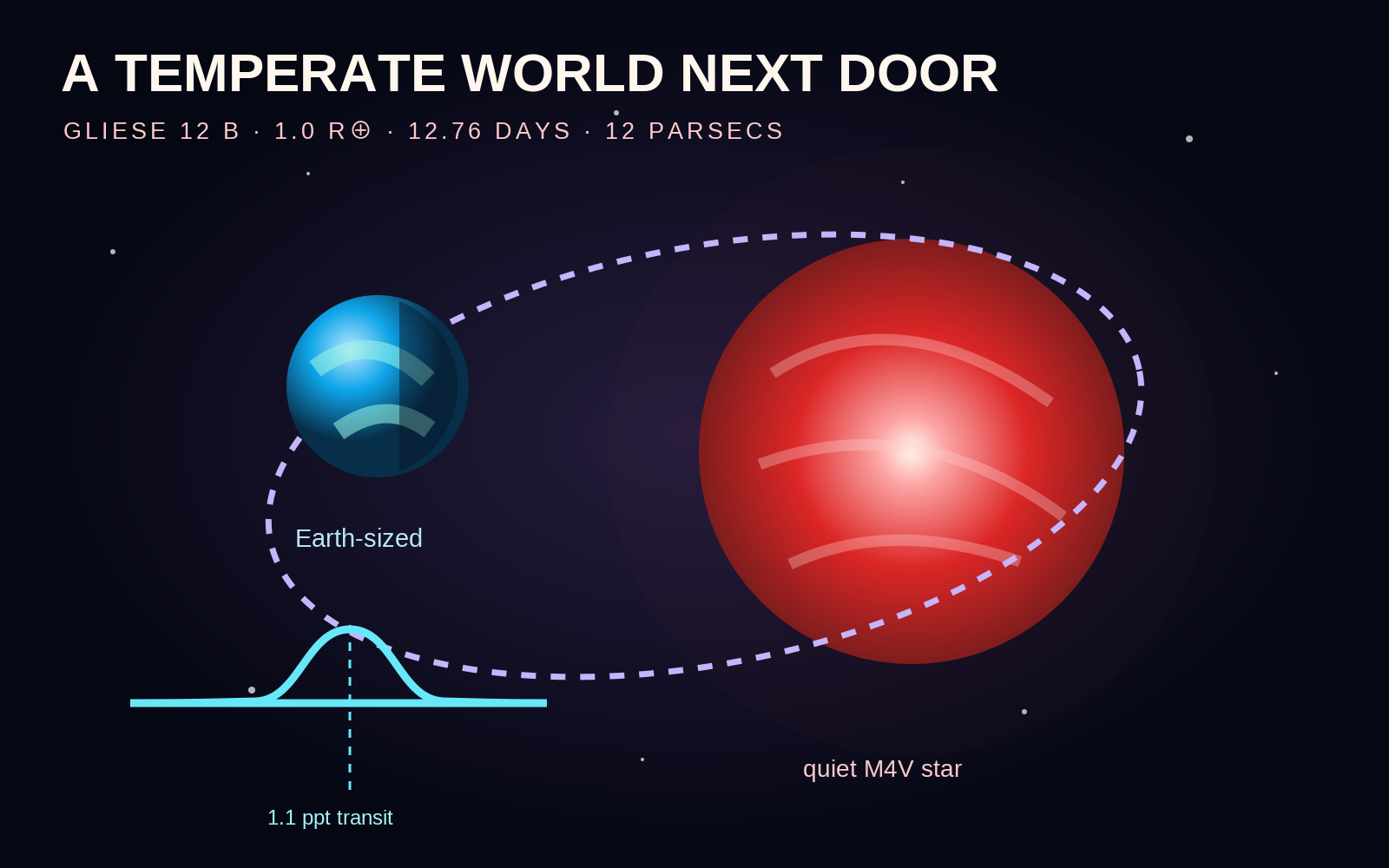 Illustration🌌 Space
Gliese 12 b, a Nearby Temperate Earth-Sized Planet
Transit observations validated Gliese 12 b as a planet about Earth's size orbiting a quiet red dwarf only 12 parsecs away, with an equilibrium temperature near 315 kelvin under standard assumptions.
Read more → 🌌 Space
The TRAPPIST-1 Planetary System
Seven Earth-sized planets circling a cool red dwarf 40 light-years away — three of them in the habitable zone.
Read more →