
The TRAPPIST-1 Planetary System
Seven Earth-sized planets circling a cool red dwarf 40 light-years away — three of them in the habitable zone.
The story
Why scientists were there
Astronomers monitored nearby ultracool dwarf stars for tell-tale dips in brightness from transiting planets.
How they found it
The TRAPPIST telescope flagged repeated dimmings, and NASA's Spitzer Space Telescope confirmed a full family of seven rocky worlds.
What makes it unique
It is the largest batch of Earth-sized, temperate planets ever found around a single star, and a prime target for atmospheric studies.
Gallery

Where it was found
La Silla Observatory, Chile (TRAPPIST telescope)
Tags
Related discoveries
 🌌 Space
First Image of a Black Hole (M87*)
Humanity's first direct image of a black hole — a glowing ring of light around the shadow of M87*, 6.5 billion solar masses.
Read more → 🌌 Space
Image of Our Galaxy's Black Hole (Sgr A*)
The first image of the supermassive black hole at the center of our own galaxy, 27,000 light-years away.
Read more →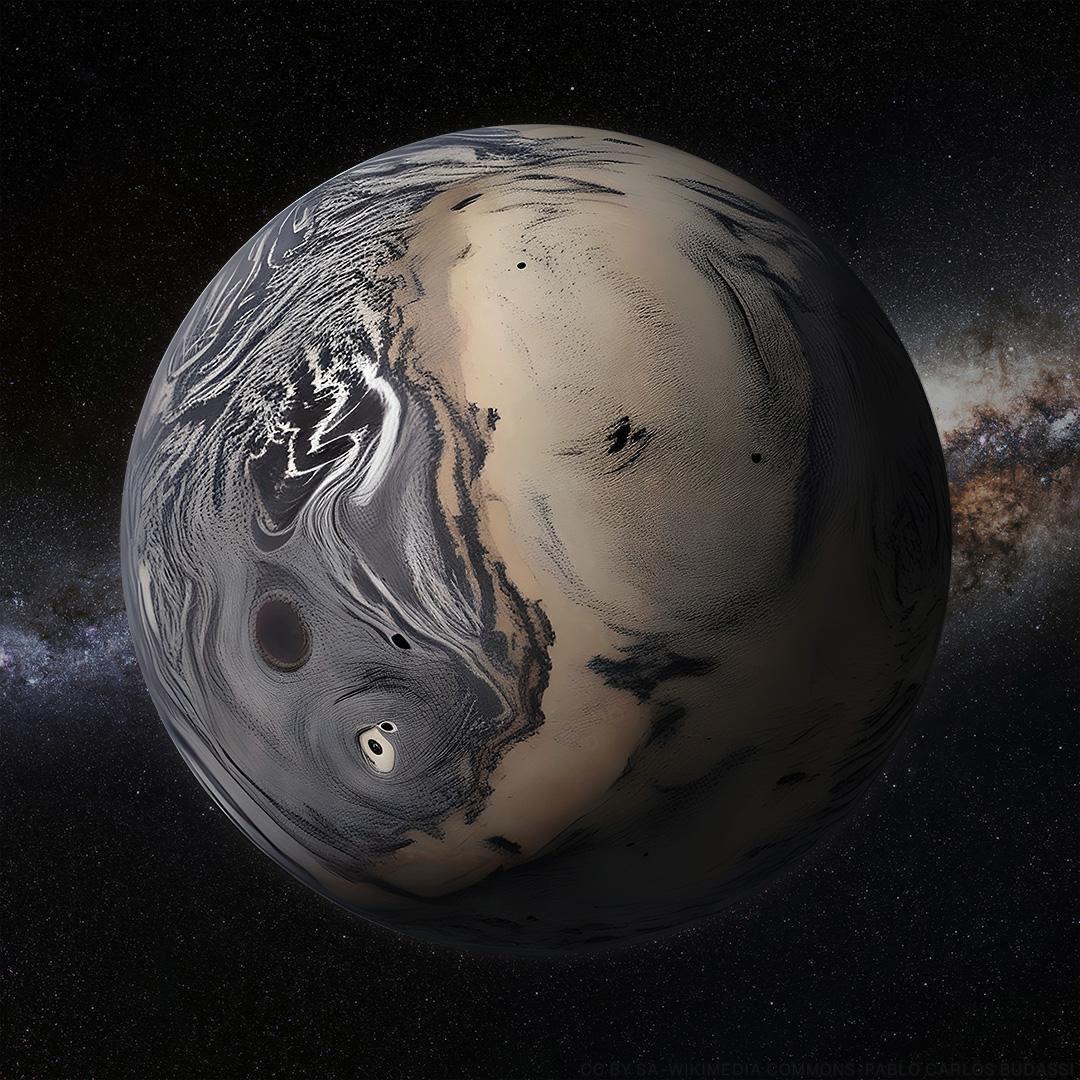 🌌 Space
A Rogue Planet's Record Growth Spurt
Astronomers observed the free-floating planetary-mass object Cha 1107-7626 accreting gas and dust at about six billion tonnes per second — the fastest growth rate recorded for a rogue planet.
Read more →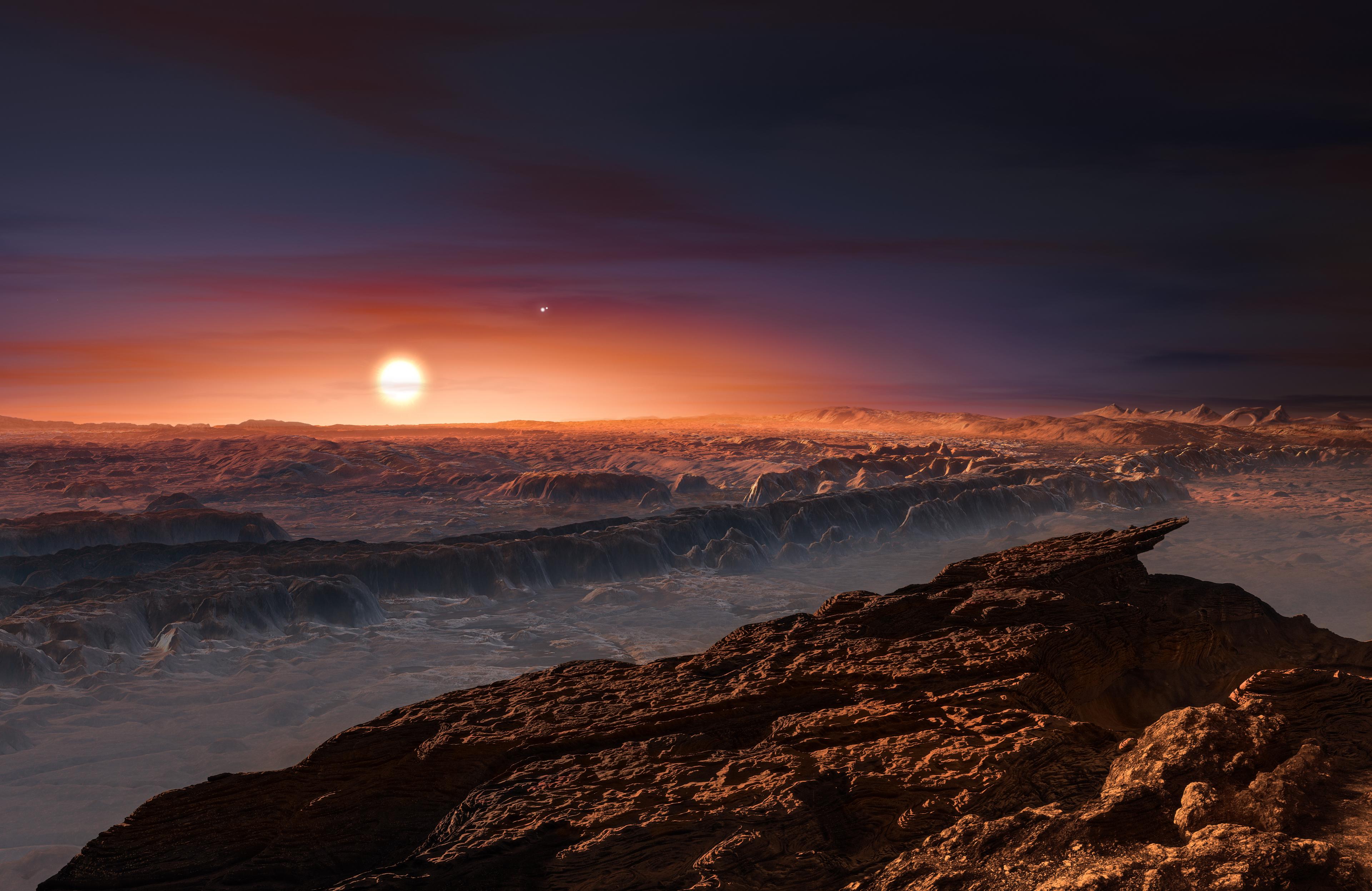 🌌 Space
GJ 887 d, a Nearby Habitable-Zone Super-Earth
A 50.77-day super-Earth confirmed in the habitable zone of GJ 887, only about 10.7 light-years away and second only to Proxima b in proximity among known temperate planets.
Read more →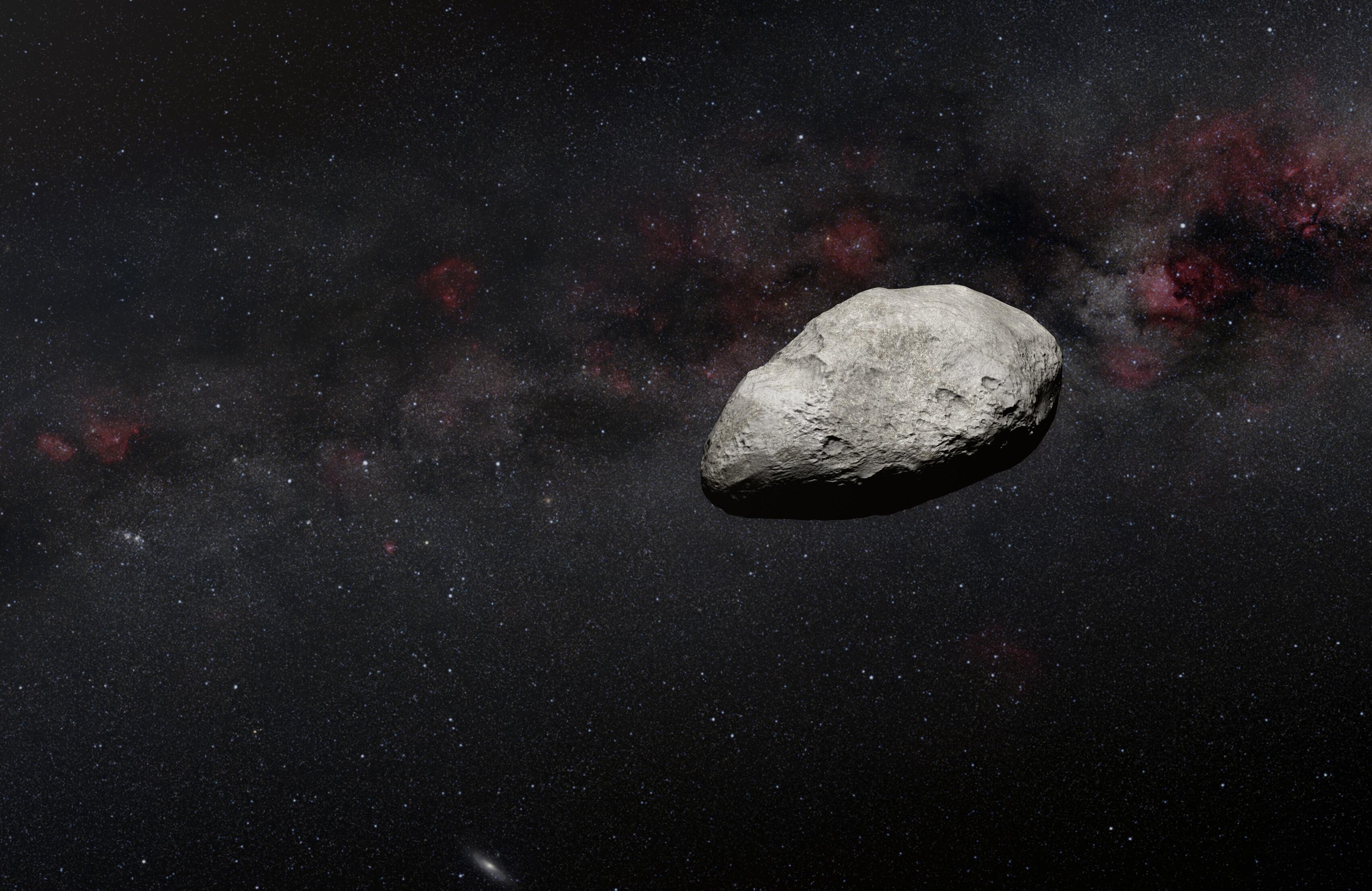 🌌 Space
JWST Rules Out a 2032 Lunar Impact
Faint James Webb Space Telescope observations extended asteroid 2024 YR4’s measured orbit and ruled out its previously possible collision with the Moon in December 2032.
Read more →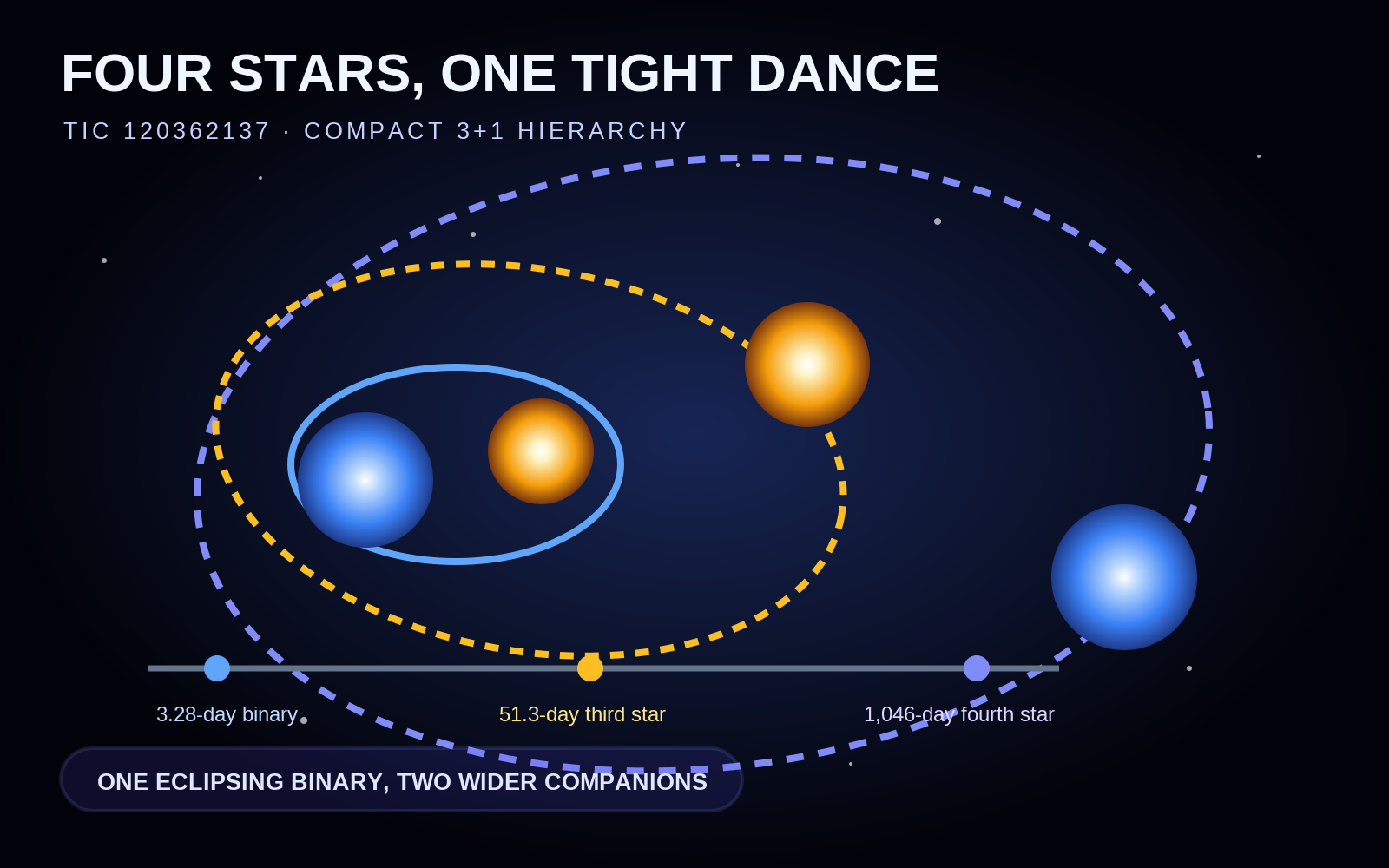 Illustration🌌 Space
The Most Compact Known 3+1 Quadruple Star System
TESS eclipse timing, ground photometry, and spectra revealed TIC 120362137 as the tightest known hierarchical 3+1 quadruple: three stars fit inside a region comparable to Mercury's orbit while a fourth circles outside them.
Read more →