
First Image of a Black Hole (M87*)
Humanity's first direct image of a black hole — a glowing ring of light around the shadow of M87*, 6.5 billion solar masses.
The story
Why scientists were there
The EHT linked radio dishes across the planet into one Earth-sized virtual telescope aimed at the heart of galaxy M87.
How they found it
Petabytes of synchronized data were combined to reconstruct the silhouette of the event horizon against surrounding hot gas.
What makes it unique
It confirmed a century-old prediction of general relativity by showing a black hole's shadow at the scale Einstein's math demanded.
Gallery

Where it was found
ALMA, Atacama Desert, Chile (EHT array node)
Tags
Related discoveries
 🌌 Space
Image of Our Galaxy's Black Hole (Sgr A*)
The first image of the supermassive black hole at the center of our own galaxy, 27,000 light-years away.
Read more → 🌌 Space
The TRAPPIST-1 Planetary System
Seven Earth-sized planets circling a cool red dwarf 40 light-years away — three of them in the habitable zone.
Read more →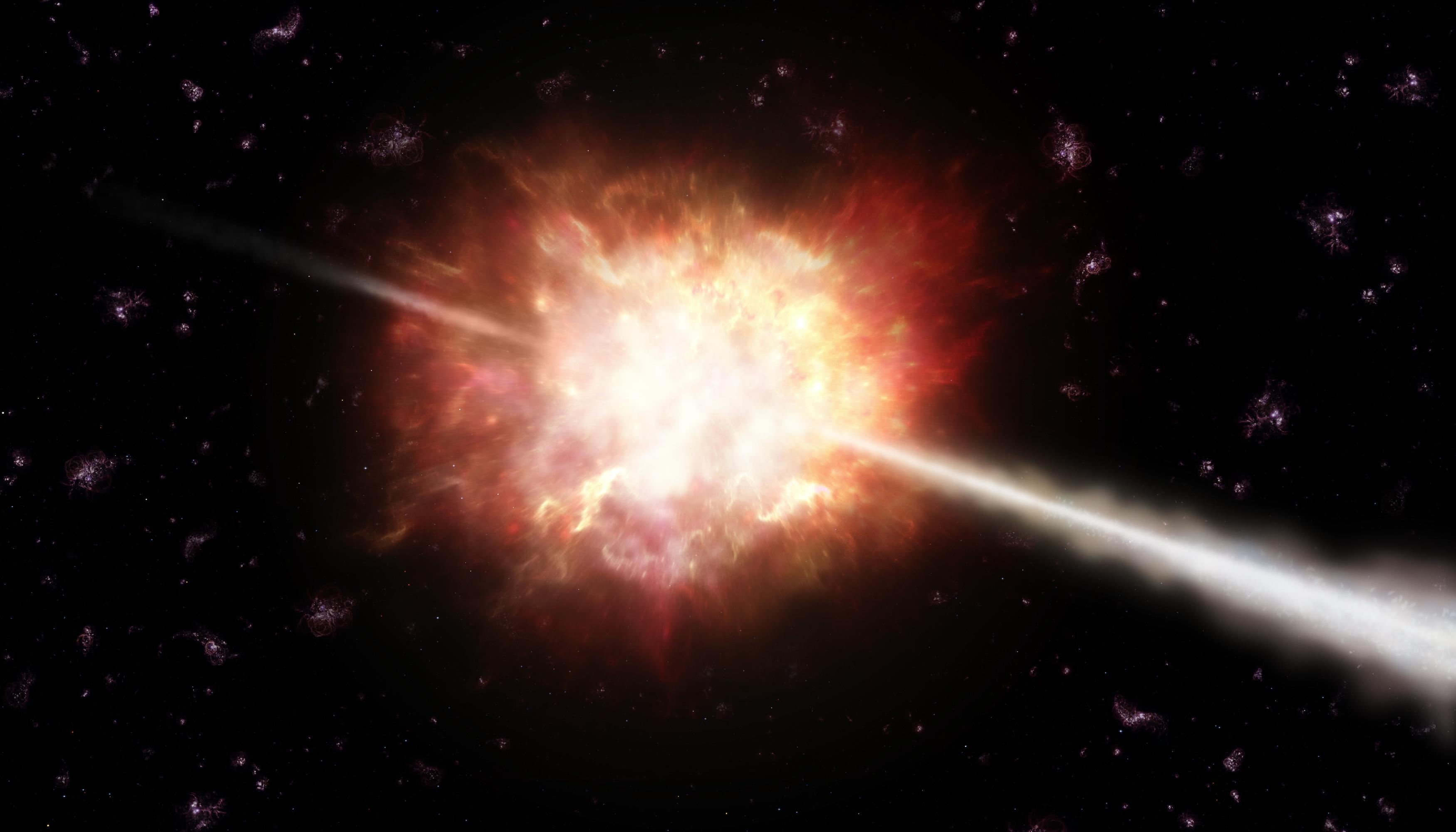 🌌 Space
A Strange Repeating Gamma-Ray Explosion
GRB 250702B produced repeated gamma-ray flashes across a day, an unusually long and unlike-anything-seen-before explosion traced to a source outside the Milky Way.
Read more →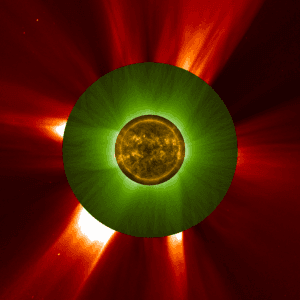 🌌 Space
Proba-3 Reveals a Faster Slow Solar Wind
Artificial-eclipse observations showed small slow-solar-wind outflows racing through the inner corona three to four times faster than expected.
Read more →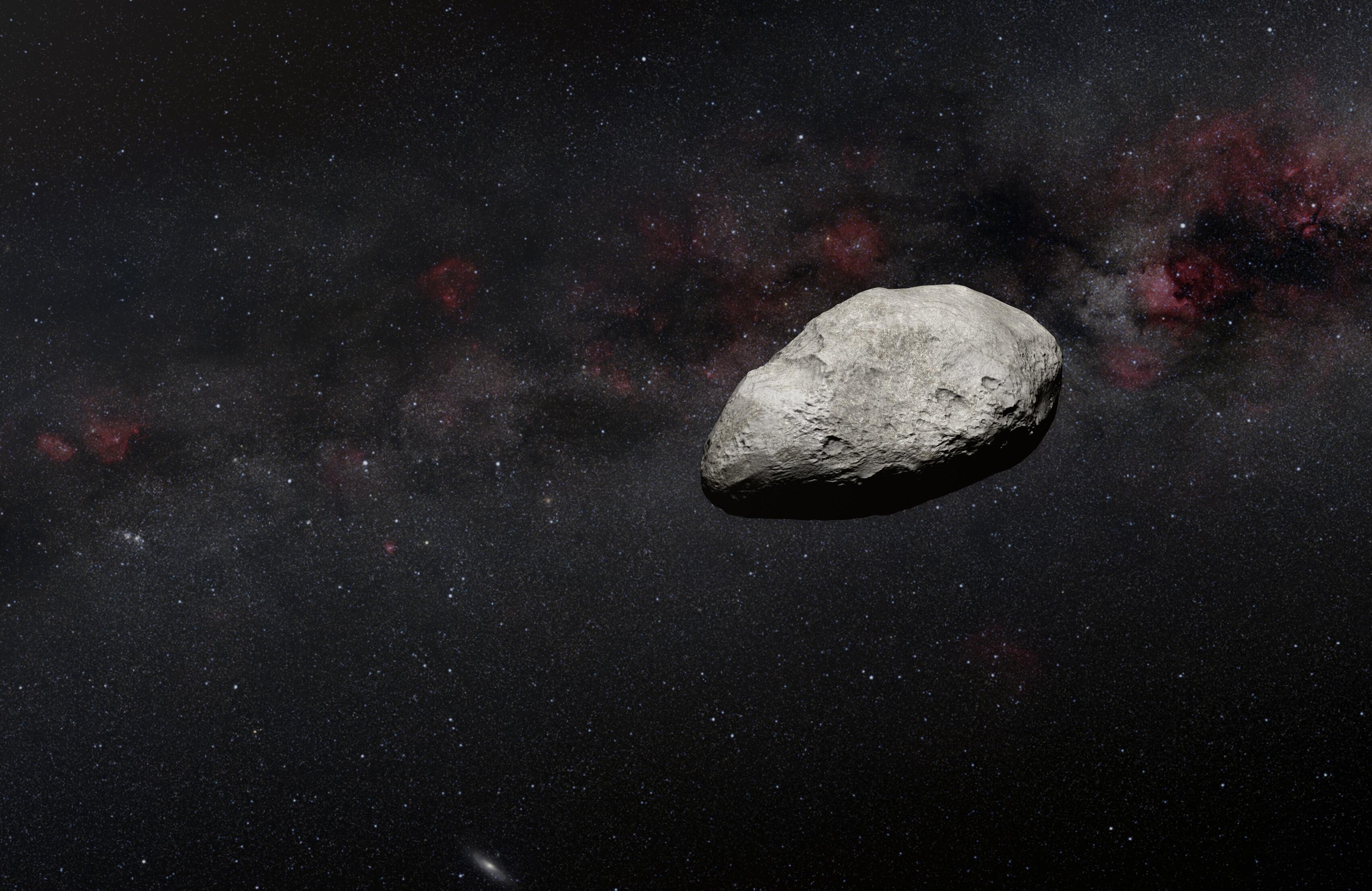 🌌 Space
JWST Rules Out a 2032 Lunar Impact
Faint James Webb Space Telescope observations extended asteroid 2024 YR4’s measured orbit and ruled out its previously possible collision with the Moon in December 2032.
Read more → Illustration🌌 Space
Dense Gas Cocoons Explain Many Little Red Dots
Radiative-transfer modelling showed that the puzzling spectra of many JWST 'little red dots' can be reproduced by relatively young supermassive black holes embedded in compact, dense cocoons of ionized gas.
Read more →