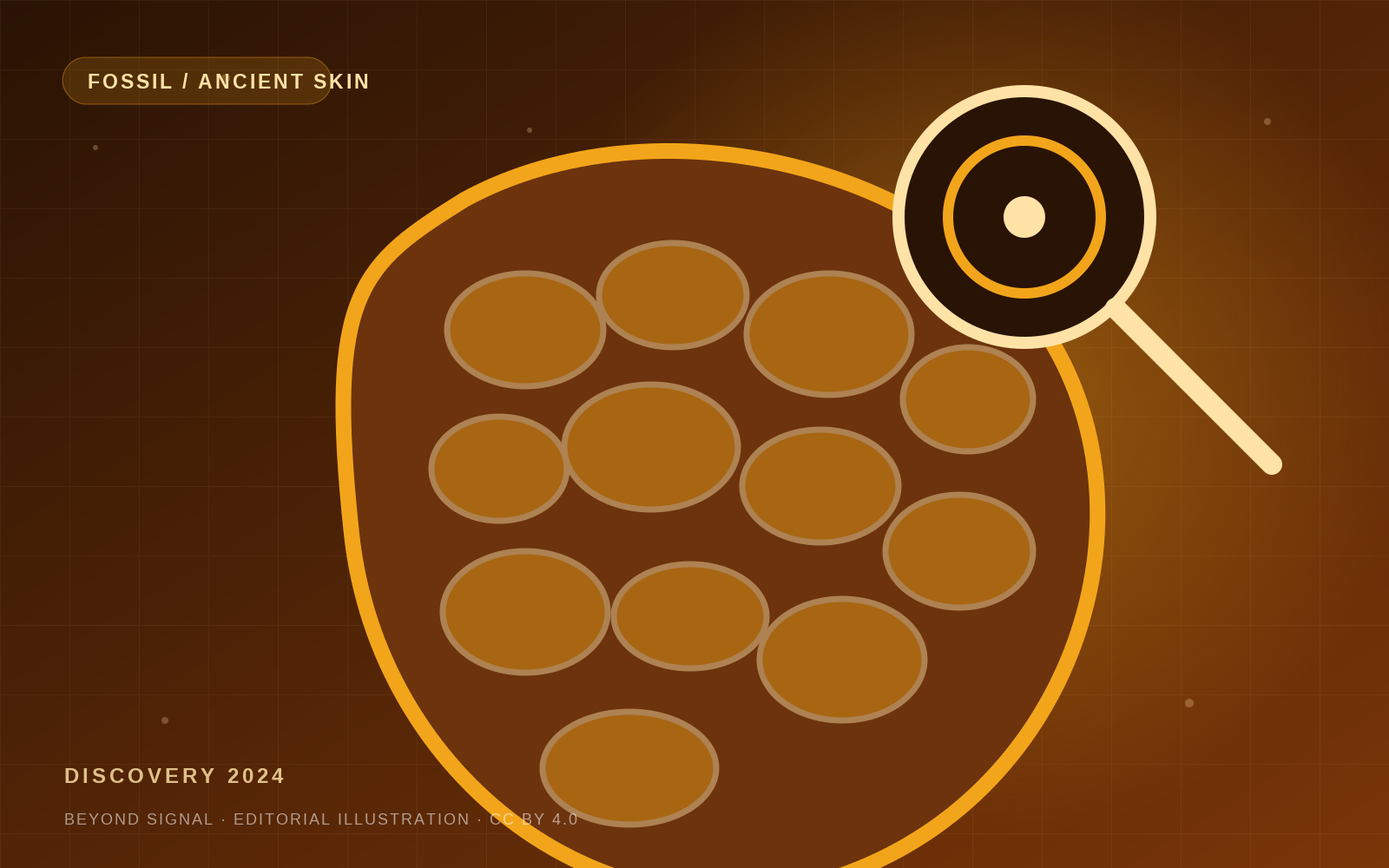
 Illustration — not a photo of the discovery
The Oldest Known Fossilized Amniote Skin
A tiny three-dimensional patch of reptile-like skin from an Oklahoma cave system pushed the direct fossil record of amniote skin back by more than 130 million years.
The story
Why scientists were there
Richards Spur preserves exceptionally detailed Early Permian fossils in cave sediments, including rare soft tissues protected from normal surface decay.
How they found it
Researchers used microscopy, chemical analysis, and comparisons with living and fossil reptiles to identify folded epidermal tissue bearing a pebbled scale pattern.
What makes it unique
The specimen preserves skin architecture close to the base of the amniote lineage, illuminating the waterproof barrier that helped vertebrates thrive on land.
Gallery
Where it was found
Richards Spur cave system, Oklahoma
Tags
Related discoveries
 Illustration🦕 Dinosaurs & Fossils
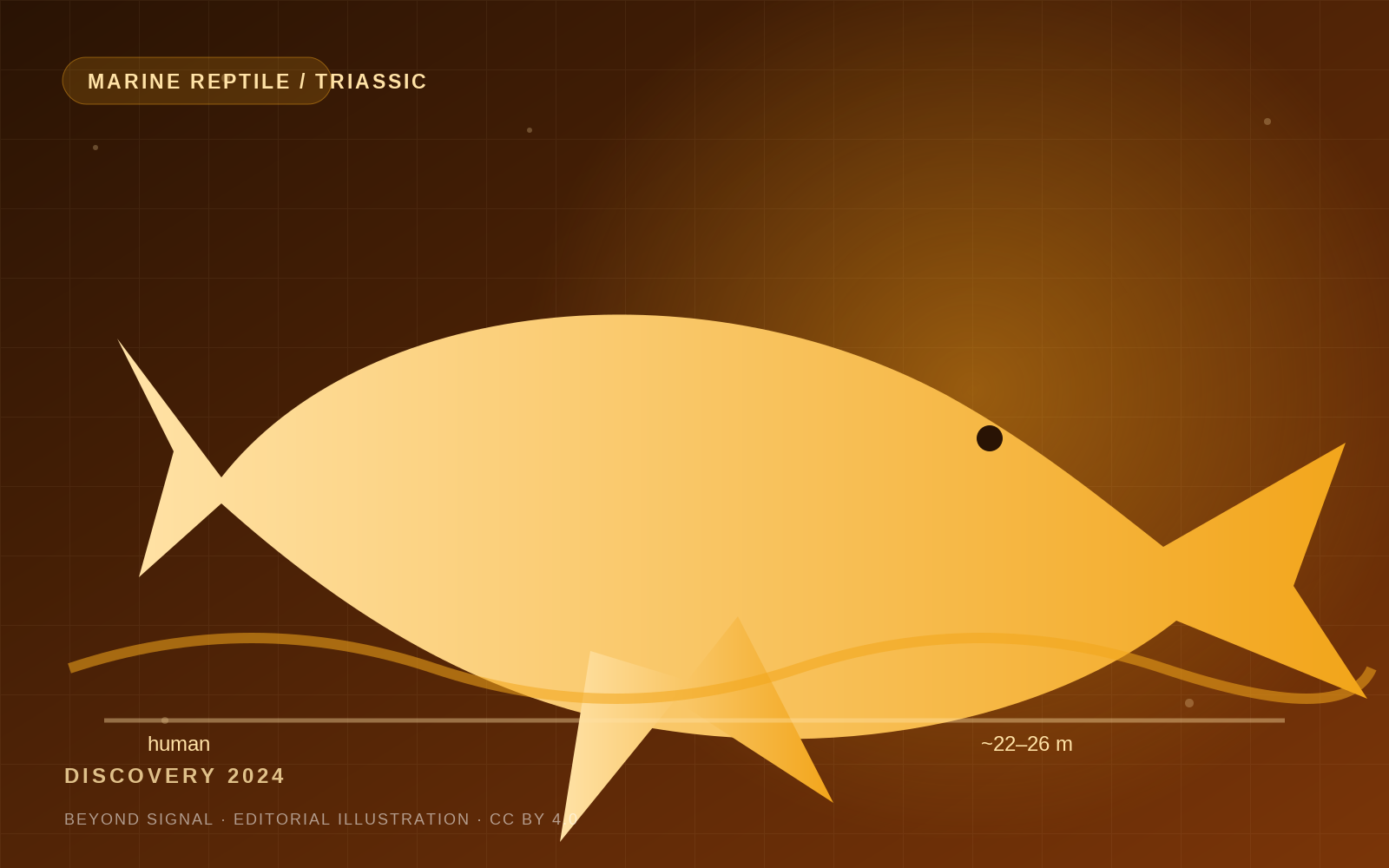
Ichthyotitan Severnensis, a Blue-Whale-Sized Marine Reptile
Fragments of enormous jawbones from southwest England were assigned to a new Late Triassic ichthyosaur estimated at roughly 22–26 metres long.
Read more → Illustration🦕 Dinosaurs & Fossils
Prototaxites May Represent an Extinct Eukaryotic Lineage
Chemical and structural analyses of the giant Devonian organism Prototaxites found that its tissues do not match known fungi and may represent an entirely extinct branch of complex eukaryotic life. The interpretation revives a long-running debate over the identity of trunk-like fossils that towered over early land ecosystems.
Read more →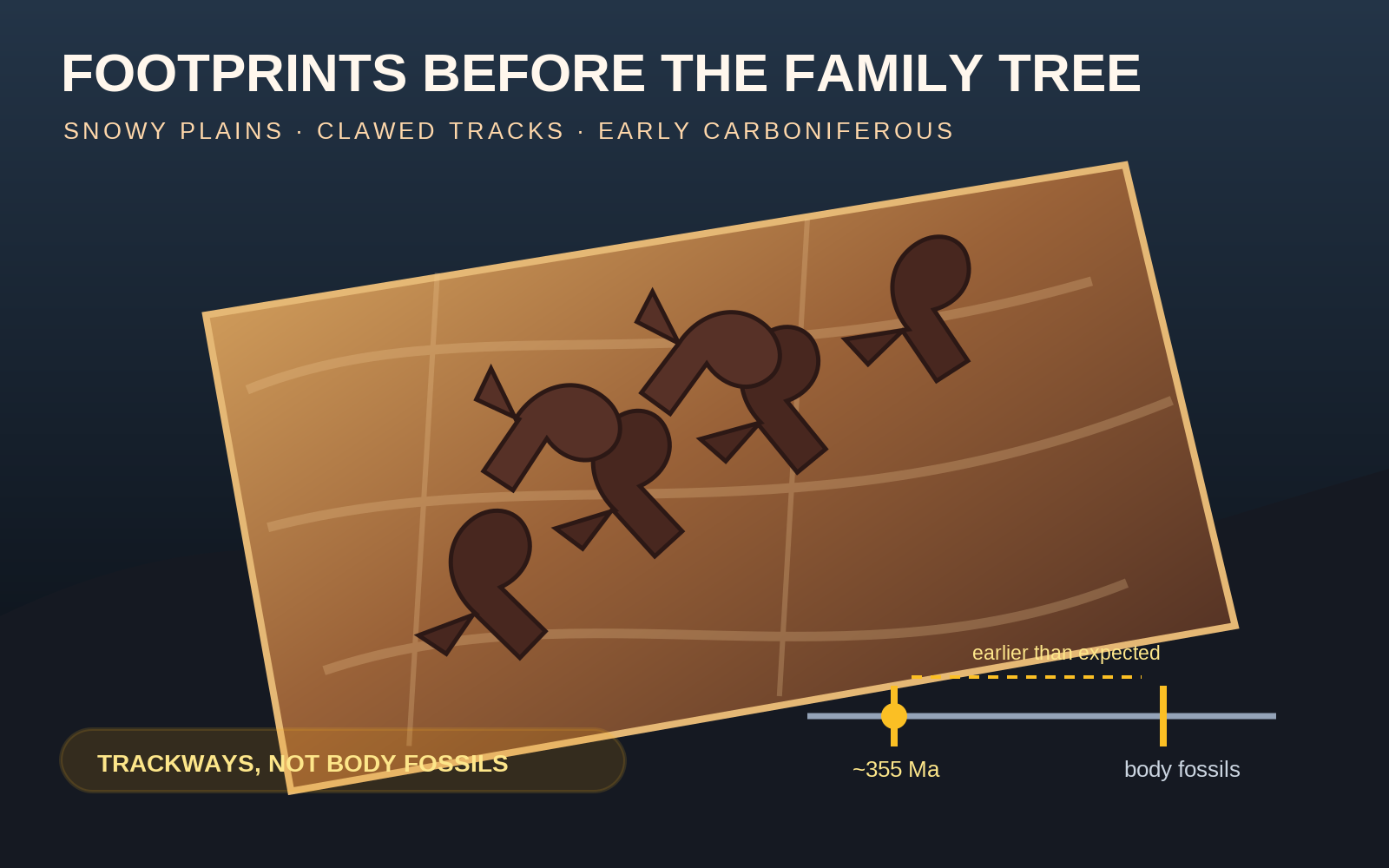 Illustration🦕 Dinosaurs & Fossils
The Earliest Known Amniote Trackways
Clawed five-toed trackways from Australia's Snowy Plains Formation were attributed to an early sauropsid amniote and dated to roughly 359–354 million years ago, extending the amniote record by about 35 million years.
Read more →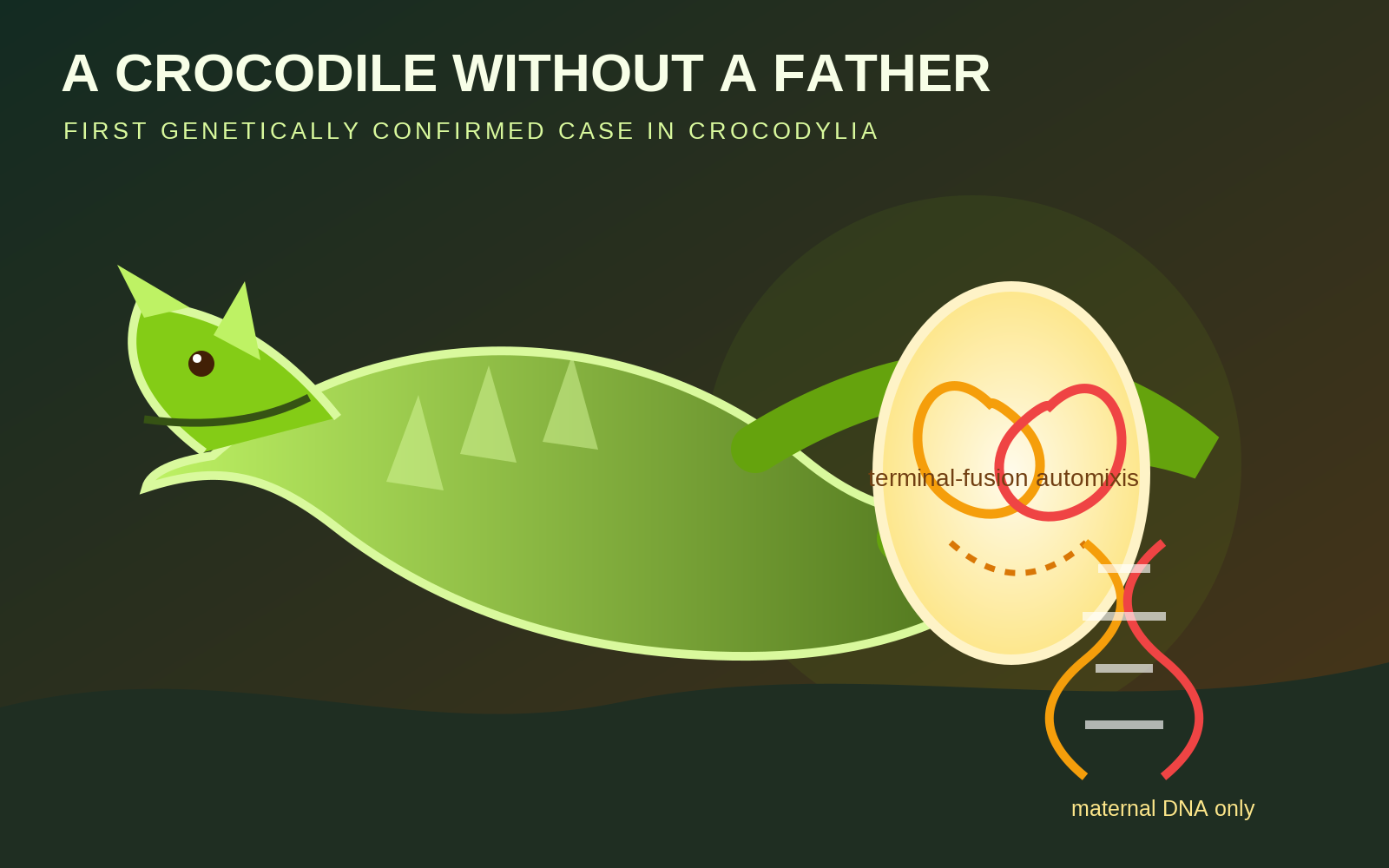 Illustration🧬 Biology
Crocodile Facultative Parthenogenesis Confirmed
Genetic analysis of a fully formed fetus from an egg laid by an isolated American crocodile documented facultative parthenogenesis in crocodilians for the first time.
Read more →