
 Illustration — not a photo of the discovery
Eight Teeth Place Homo erectus in a Guangxi Rainforest
Eight fossil teeth from two caves near Chongzuo put Homo erectus in southern China during the late Middle Pleistocene. The setting matters: the evidence points to a humid, forested landscape.
The story
Why scientists were there
Porcupines carried teeth and bones into chambers in two limestone caves about 15 kilometres apart. The deposits preserved both human teeth and an unusually rich sample of the other mammals that lived nearby. The map marks Chongzuo, the nearest city.
How they found it
One study compared the human teeth with known fossils to identify eight as Homo erectus. A companion study dated the cave deposits using several independent techniques. Animal remains, enamel chemistry and temperature estimates from cave sediments helped the team reconstruct the environment.
What makes it unique
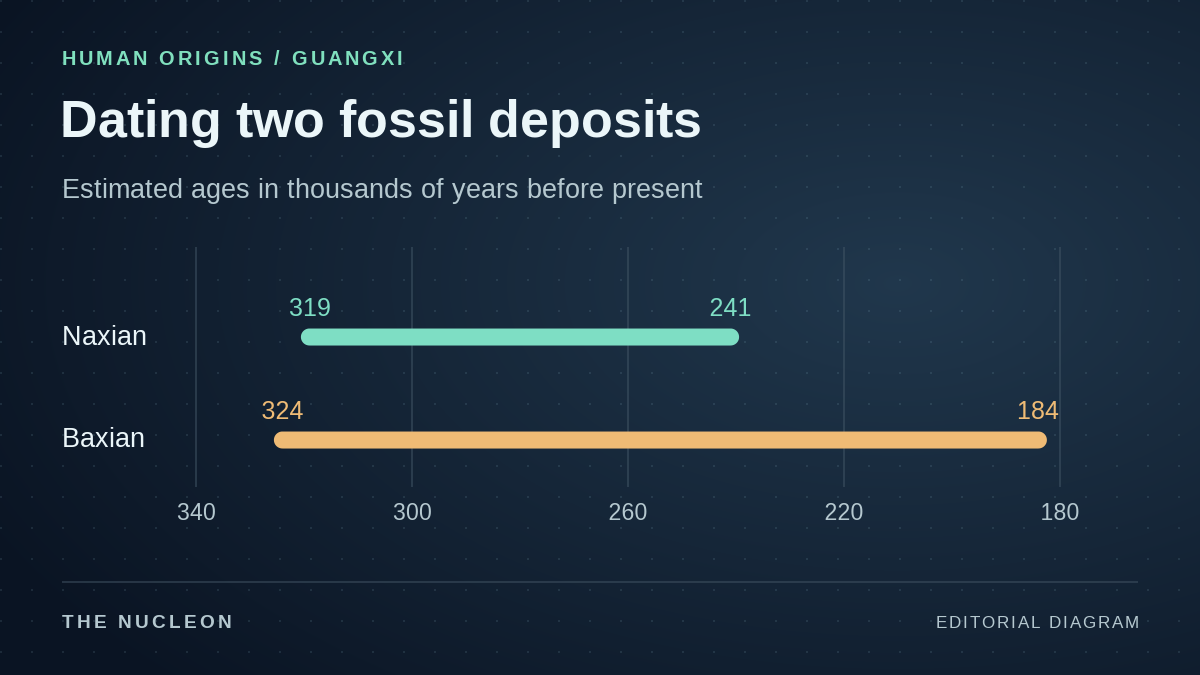
The ages place Homo erectus in this region sometime between about 324,000 and 184,000 years ago. The mixed animal assemblage and chemical evidence support a rainforest setting, broadening the range of habitats known for this population. The two ends of the dating interval do not establish how long people stayed.
Gallery
Where it was found
Chongzuo, Guangxi (regional marker for Naxian and Baxian caves)
Tags
Related discoveries
 Illustration🏺 Archaeology
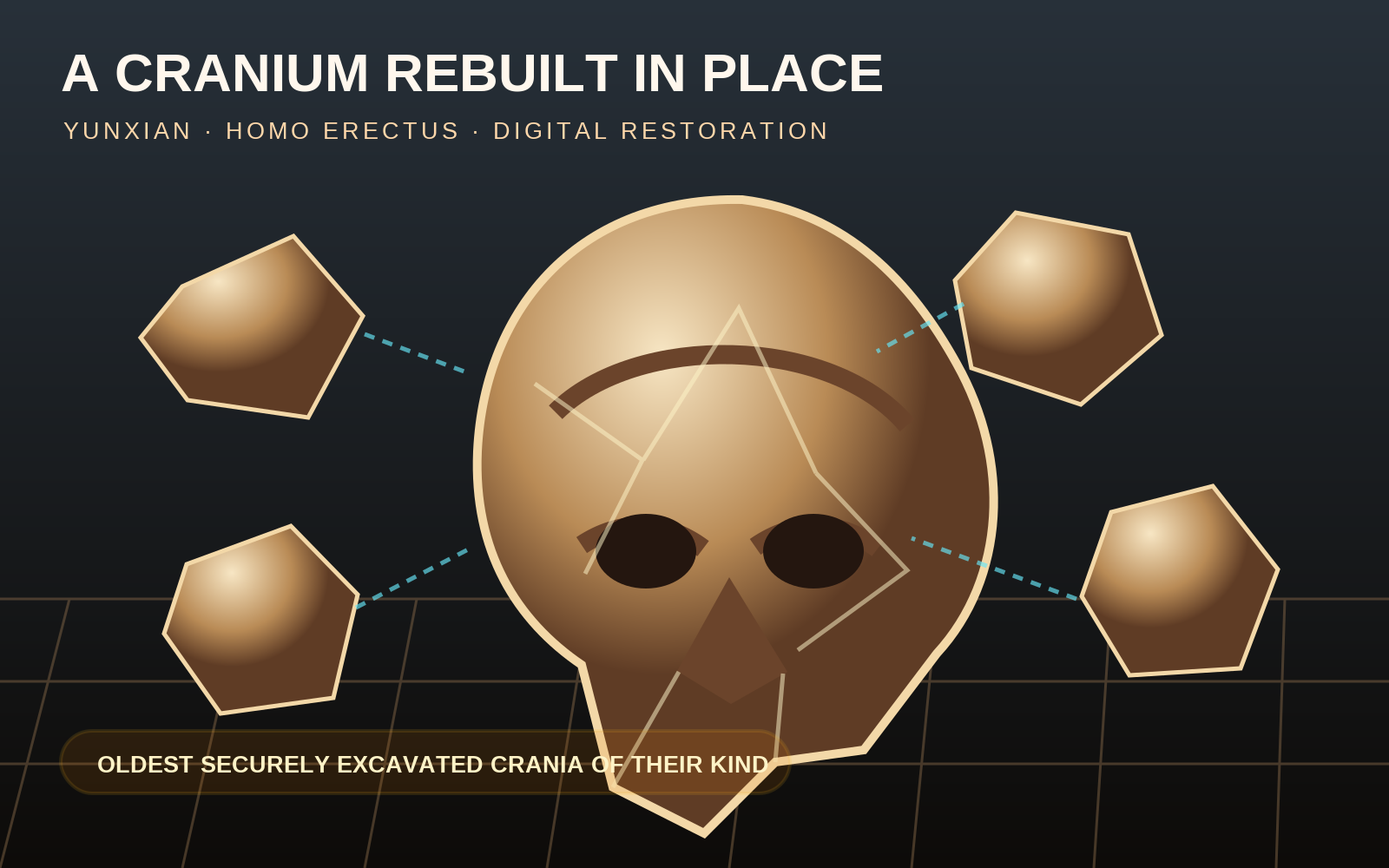
Yunxian's 1.77-Million-Year-Old Homo Erectus Crania
Cosmogenic-nuclide burial dating placed the fossil-bearing Yunxian sediments at 1.77 ± 0.08 million years old, making the three crania the oldest Homo erectus fossils securely recovered in place in eastern Asia.
Read more →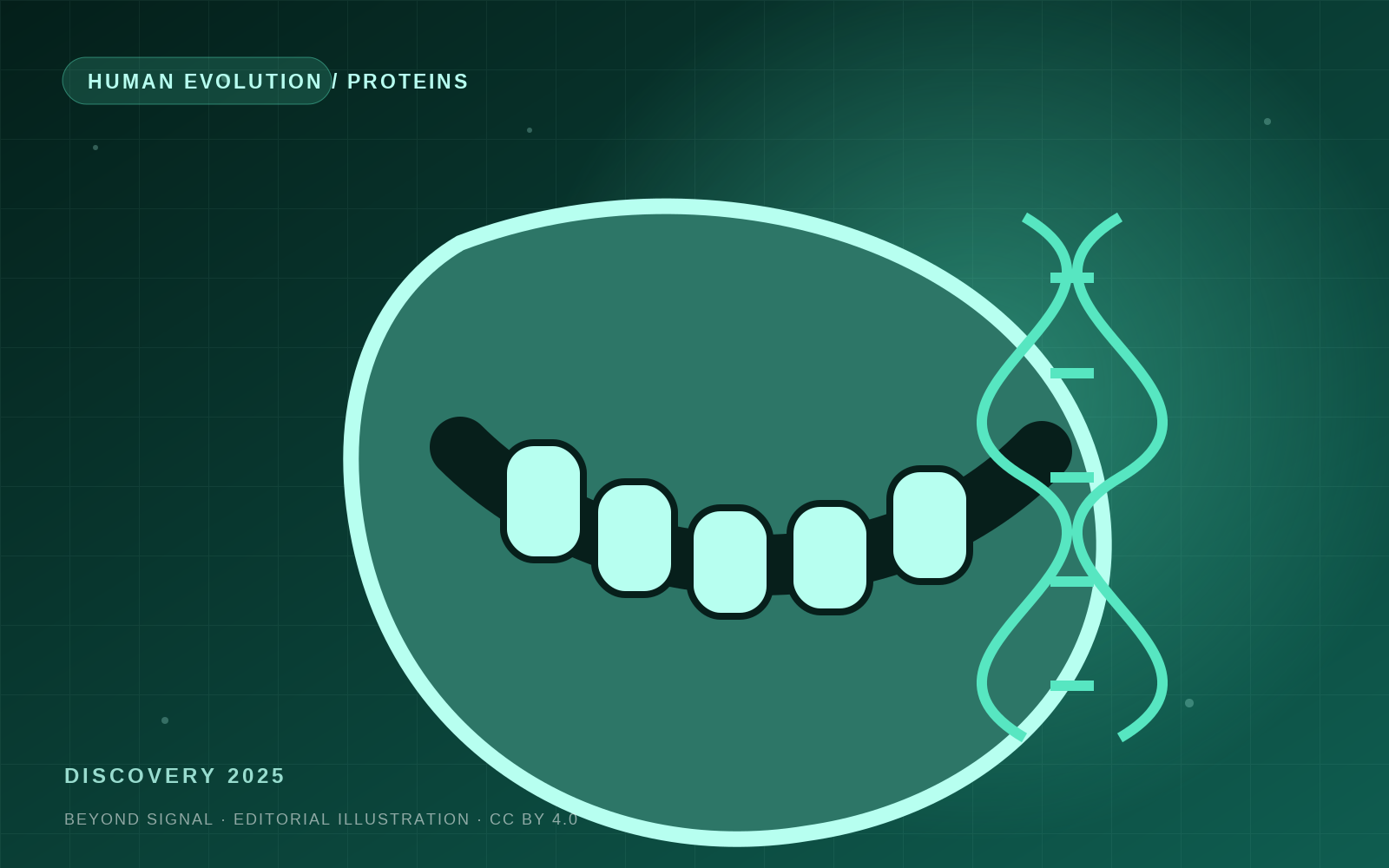 Illustration🧬 Biology
The Penghu Jaw Is Identified as Denisovan
Ancient proteins extracted from the robust Penghu 1 jaw identified it as the remains of a male Denisovan, extending direct evidence of the group into subtropical Taiwan.
Read more →