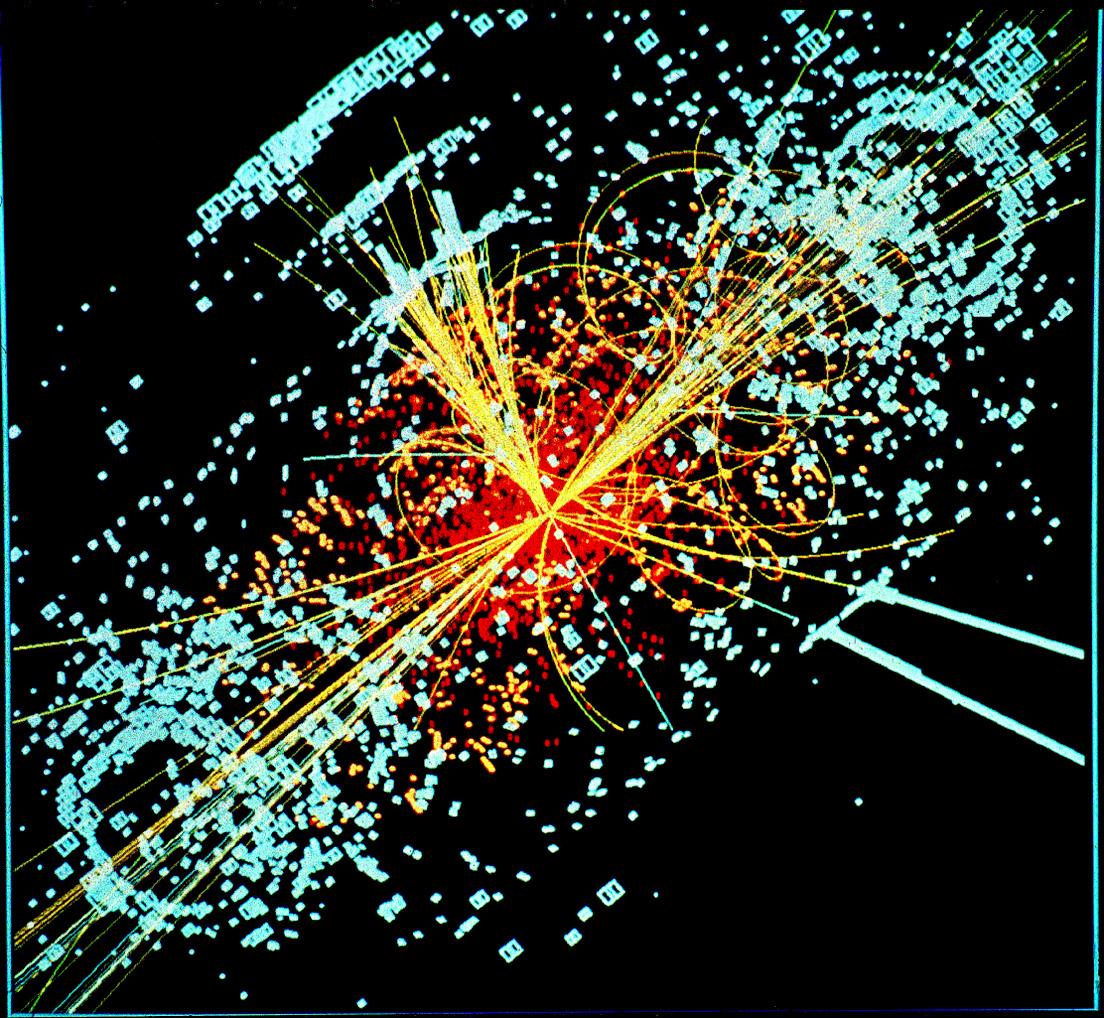
Discovery of the Higgs Boson
The Large Hadron Collider revealed the particle behind the field that gives other particles mass — the keystone of the Standard Model.
The story
Why scientists were there
Thousands of physicists smashed protons at the LHC to hunt for a particle predicted nearly 50 years earlier.
How they found it
Two independent detectors, ATLAS and CMS, each saw a new particle near 125 GeV with matching signatures.
What makes it unique
It completed the Standard Model and earned the 2013 Nobel Prize for the theorists who predicted the Higgs field.
Gallery

Where it was found
CERN, Geneva, Switzerland
Tags
Related discoveries
 ⚛️ Physics
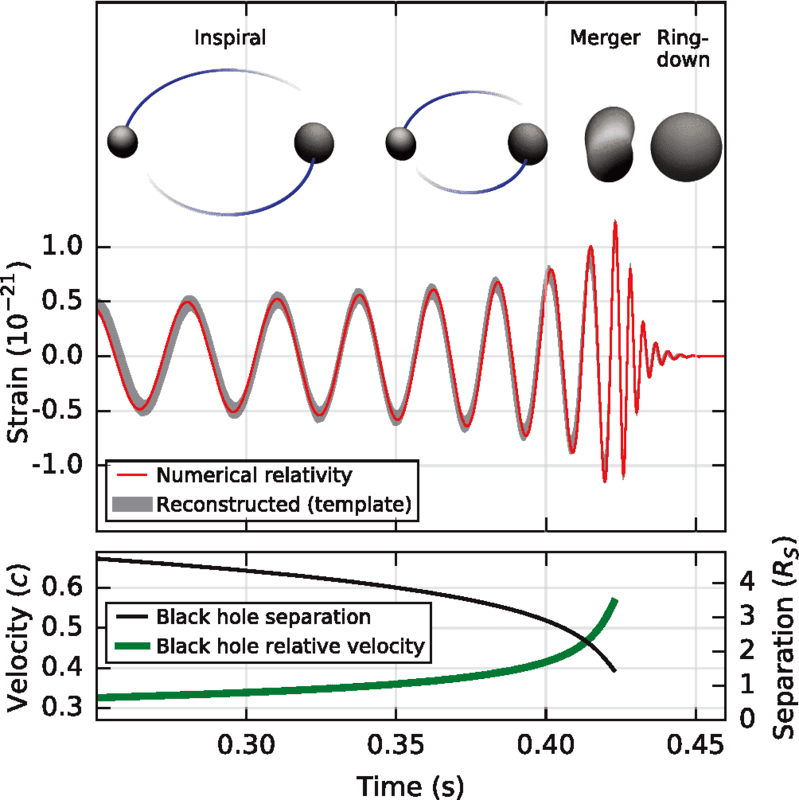
First Detection of Gravitational Waves
LIGO recorded the spacetime ripple from two black holes colliding 1.3 billion years ago — confirming a key prediction of general relativity.
Read more → ⚛️ Physics
Fusion Ignition at the NIF
For the first time, a fusion reaction produced more energy than the laser energy delivered to the fuel — crossing the long-sought ignition threshold.
Read more →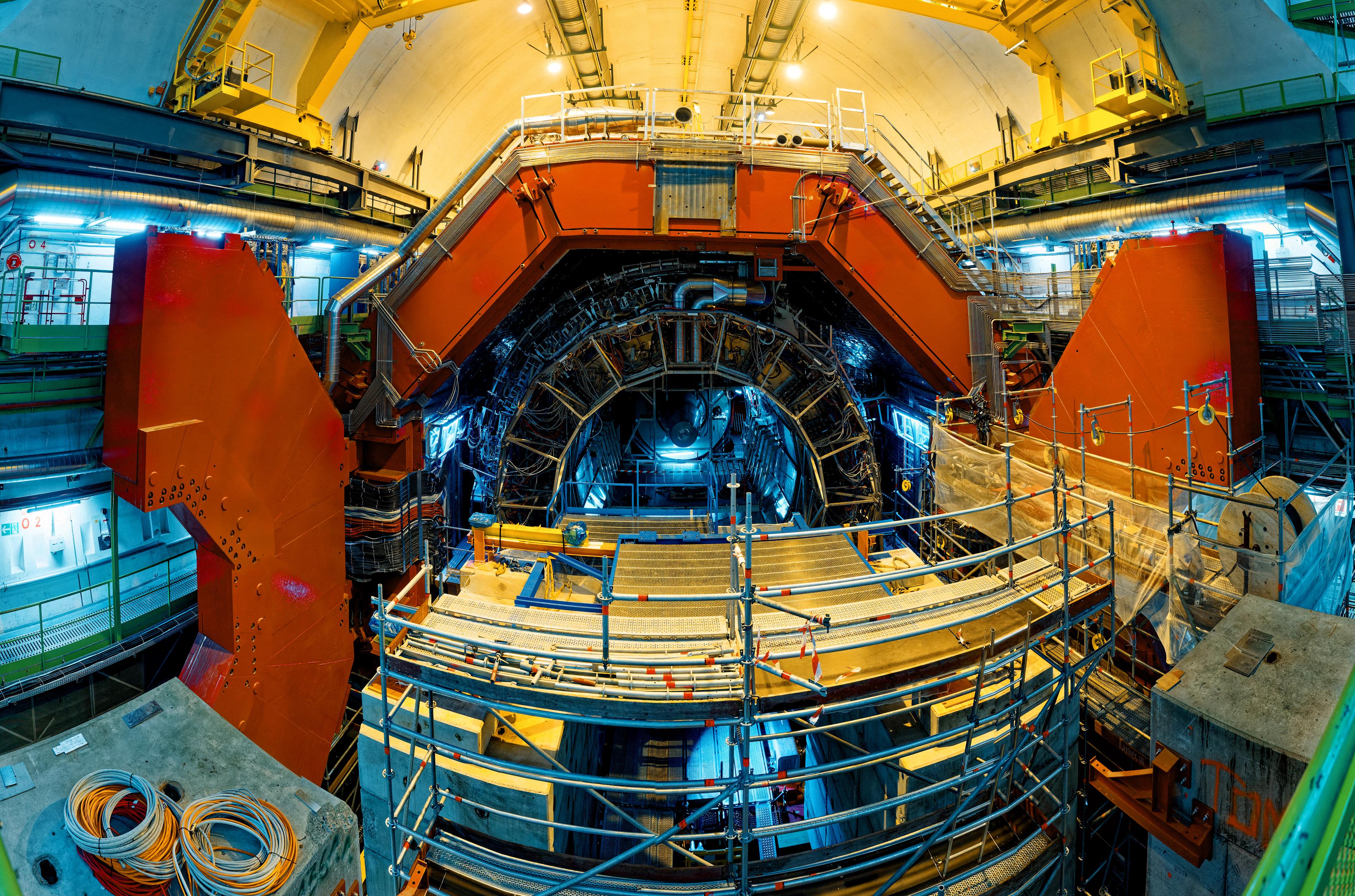 ⚛️ Physics
Lead Turned into Gold at the LHC
The ALICE experiment measured lead nuclei turning into gold during near-miss collisions at the Large Hadron Collider — in fleeting, subatomic quantities rather than usable metal.
Read more →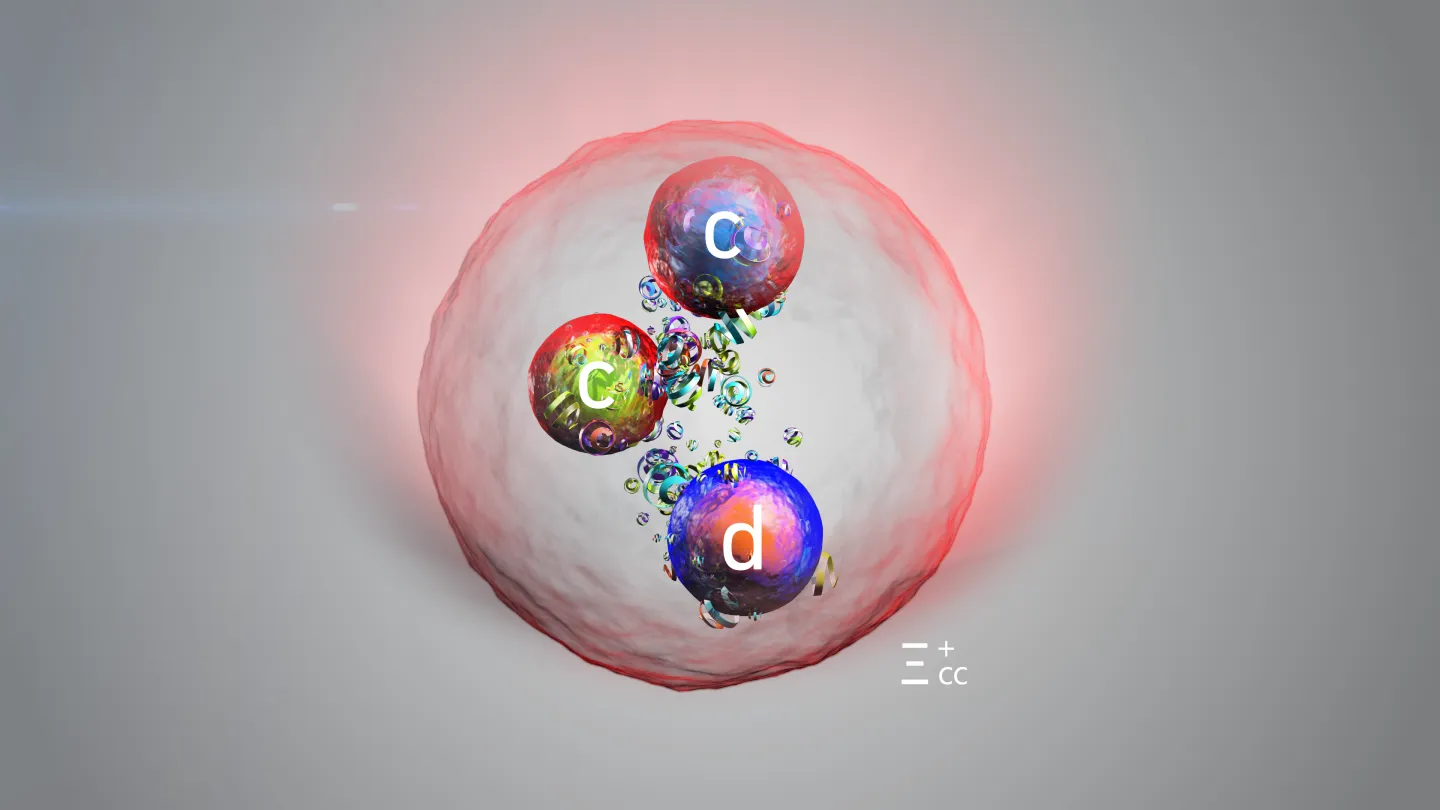 Illustration⚛️ Physics
The Doubly Charmed Baryon Ξcc+
LHCb observed a proton-like particle containing two charm quarks and one down quark with discovery-level significance, resolving a long-running experimental puzzle.
Read more →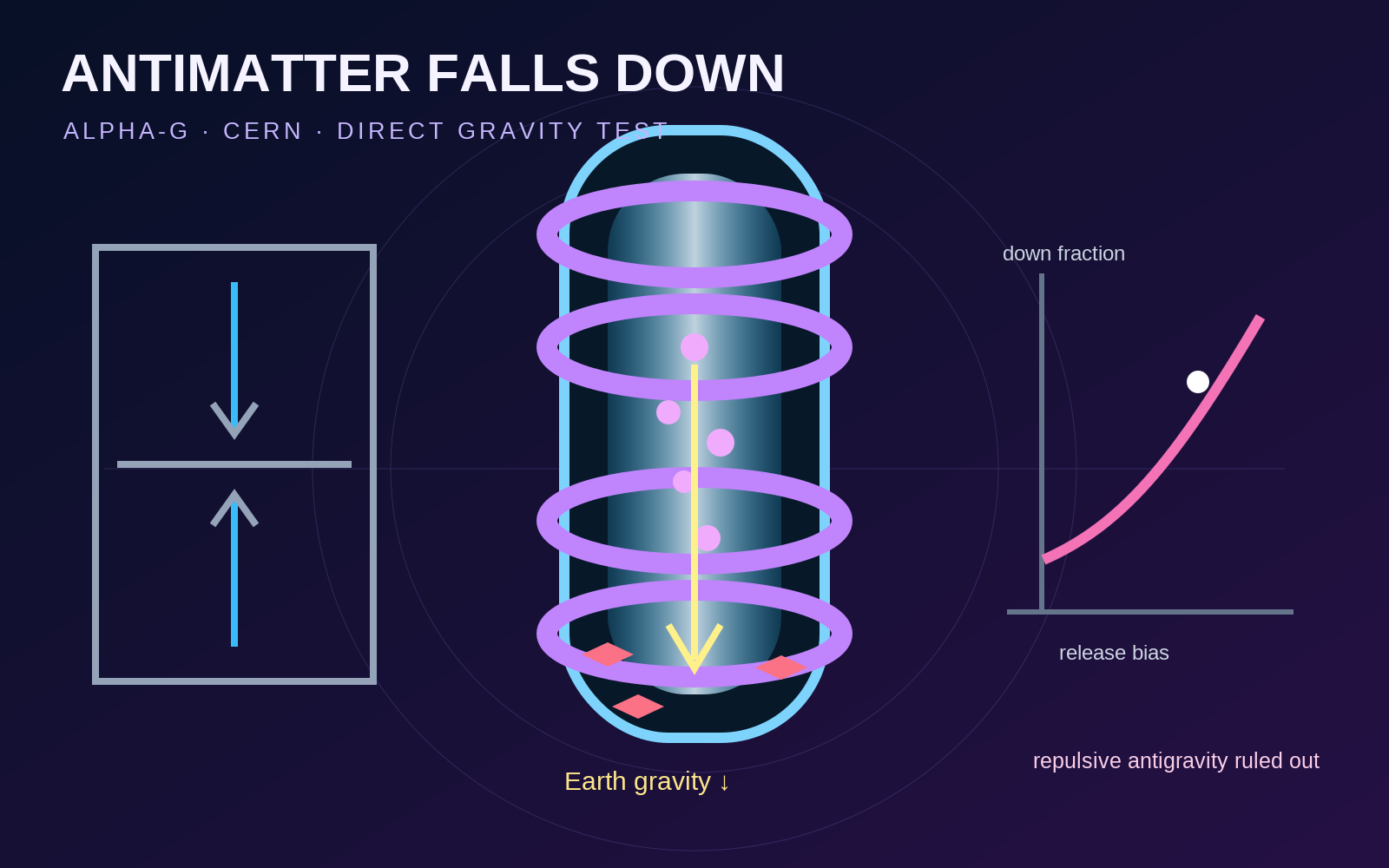 Illustration⚛️ Physics
Antihydrogen Falls Downward Under Gravity
The ALPHA-g experiment released trapped antihydrogen atoms in a vertical magnetic apparatus and observed motion consistent with gravitational attraction toward Earth, directly ruling out repulsive antigravity for antihydrogen at the experiment's precision.
Read more →