 Illustration — not a photo of the discovery
LHCb’s Strange Pentaquark Candidate
LHCb reported a high-significance resonance consistent with the first pentaquark candidate containing a strange quark, adding a new case to the study of exotic combinations of quarks.
The story
Why scientists were there
Ordinary hadrons contain two or three quarks, while exotic candidates can expose how the strong force organizes matter in more complex arrangements. A resonance peak does not settle whether the state is a compact five-quark object, a loosely bound hadronic molecule, or a mixture; amplitude studies and independent experimental tests remain important.
How they found it
The LHCb collaboration analyzed decays of negatively charged B mesons produced in proton-proton collisions. In the relevant decay products, it observed a structure with 15-standard-deviation statistical significance that is consistent with a five-quark state containing charm, anticharm, up, down, and strange quarks.
What makes it unique
The observation itself is the statistically significant resonance in the decay analysis and the strange-quark content inferred from the measured final state. The internal binding picture is not directly imaged by the detector, so this entry is preliminary: competing theoretical descriptions of the exotic hadron remain open.
Gallery
Where it was found
CERN, Meyrin
Tags
Related discoveries
 ⚛️ Physics
Lead Turned into Gold at the LHC
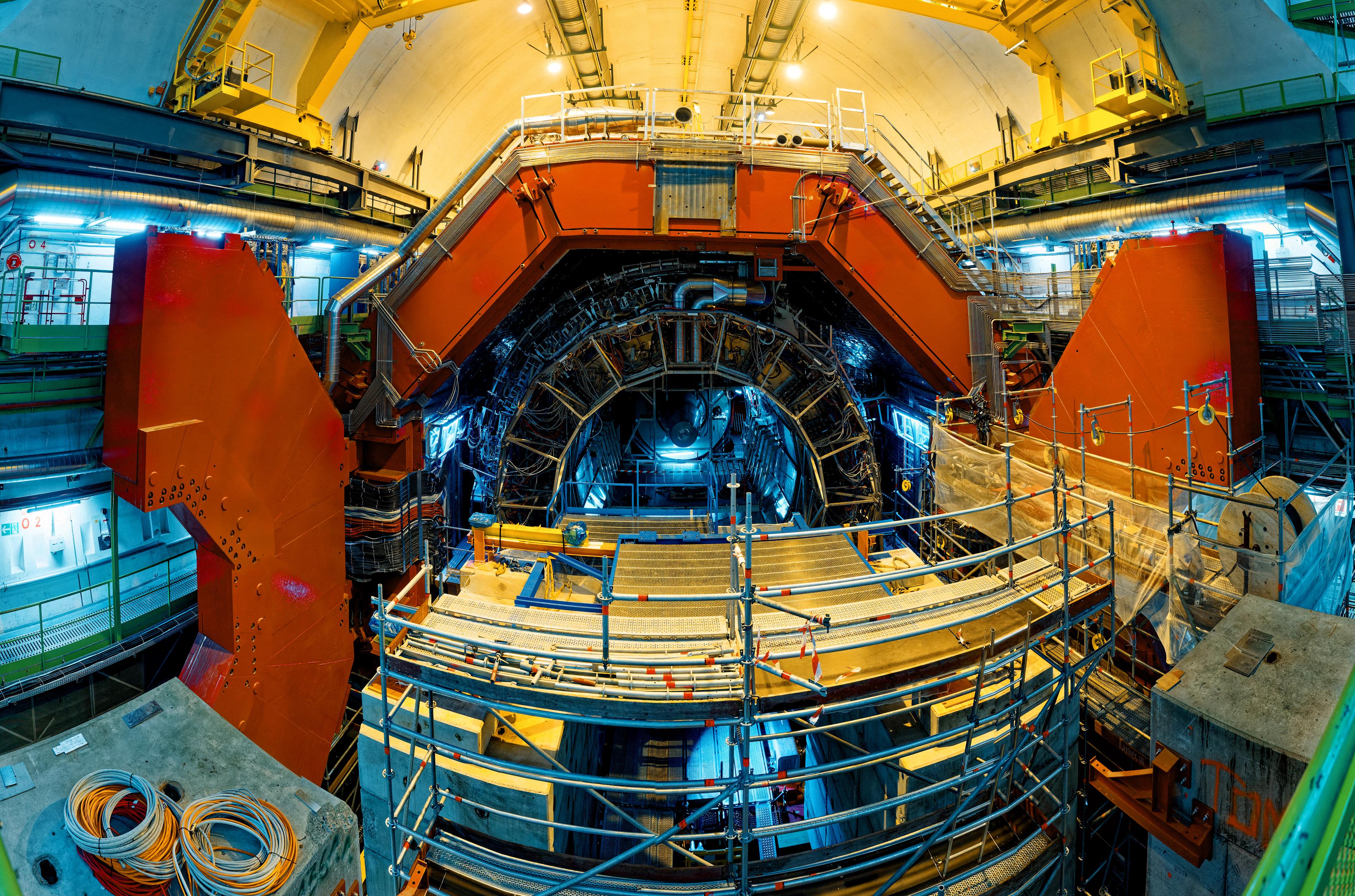
The ALICE experiment measured lead nuclei turning into gold during near-miss collisions at the Large Hadron Collider — in fleeting, subatomic quantities rather than usable metal.
Read more →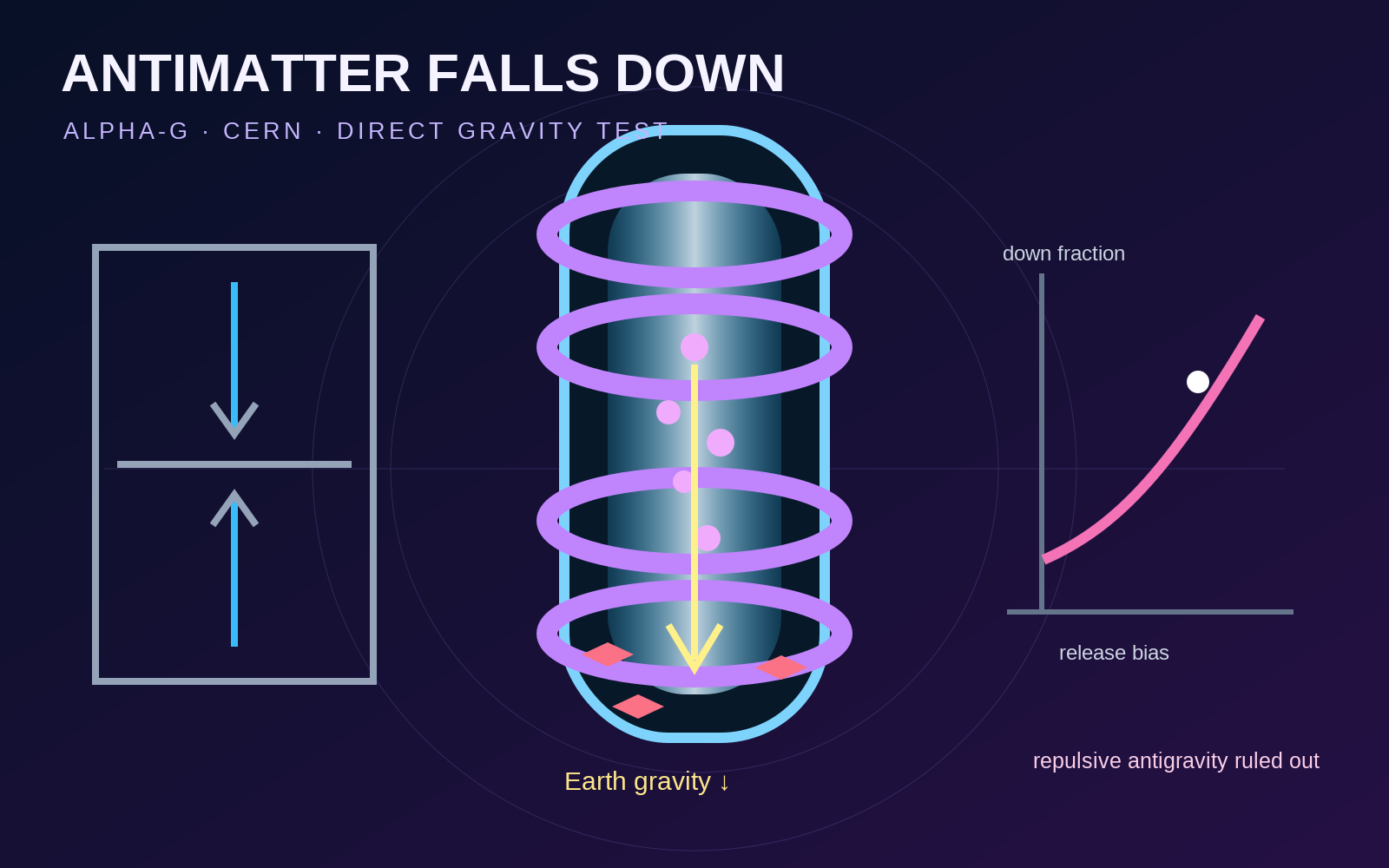 Illustration⚛️ Physics
Antihydrogen Falls Downward Under Gravity
The ALPHA-g experiment released trapped antihydrogen atoms in a vertical magnetic apparatus and observed motion consistent with gravitational attraction toward Earth, directly ruling out repulsive antigravity for antihydrogen at the experiment's precision.
Read more →