
Annual archive
Archaeology Discoveries in 2026
A year-level index of 3 source-backed scientific discoveries from 2026. Use the monthly archives to follow the sequence of announcements, or open an entry for its location, method, and primary source.
 Illustration🏺 Archaeology
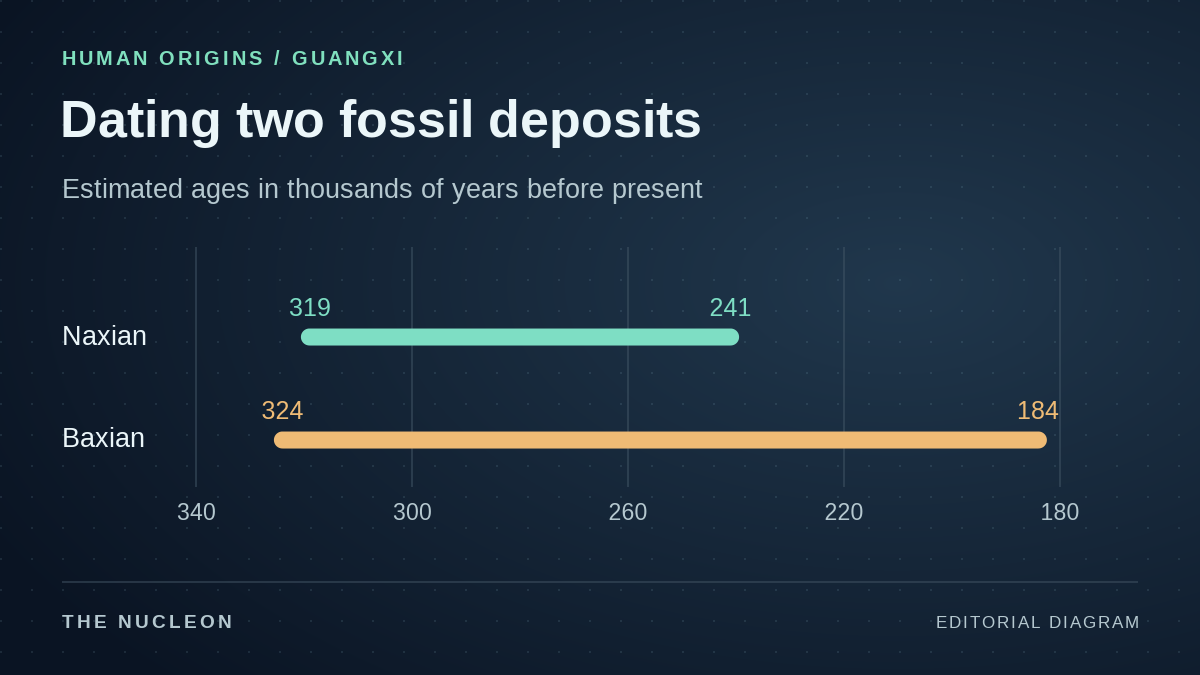
Eight Teeth Place Homo erectus in a Guangxi Rainforest
Eight fossil teeth from two caves near Chongzuo put Homo erectus in southern China during the late Middle Pleistocene. The setting matters: the evidence points to a humid, forested landscape.
Read more →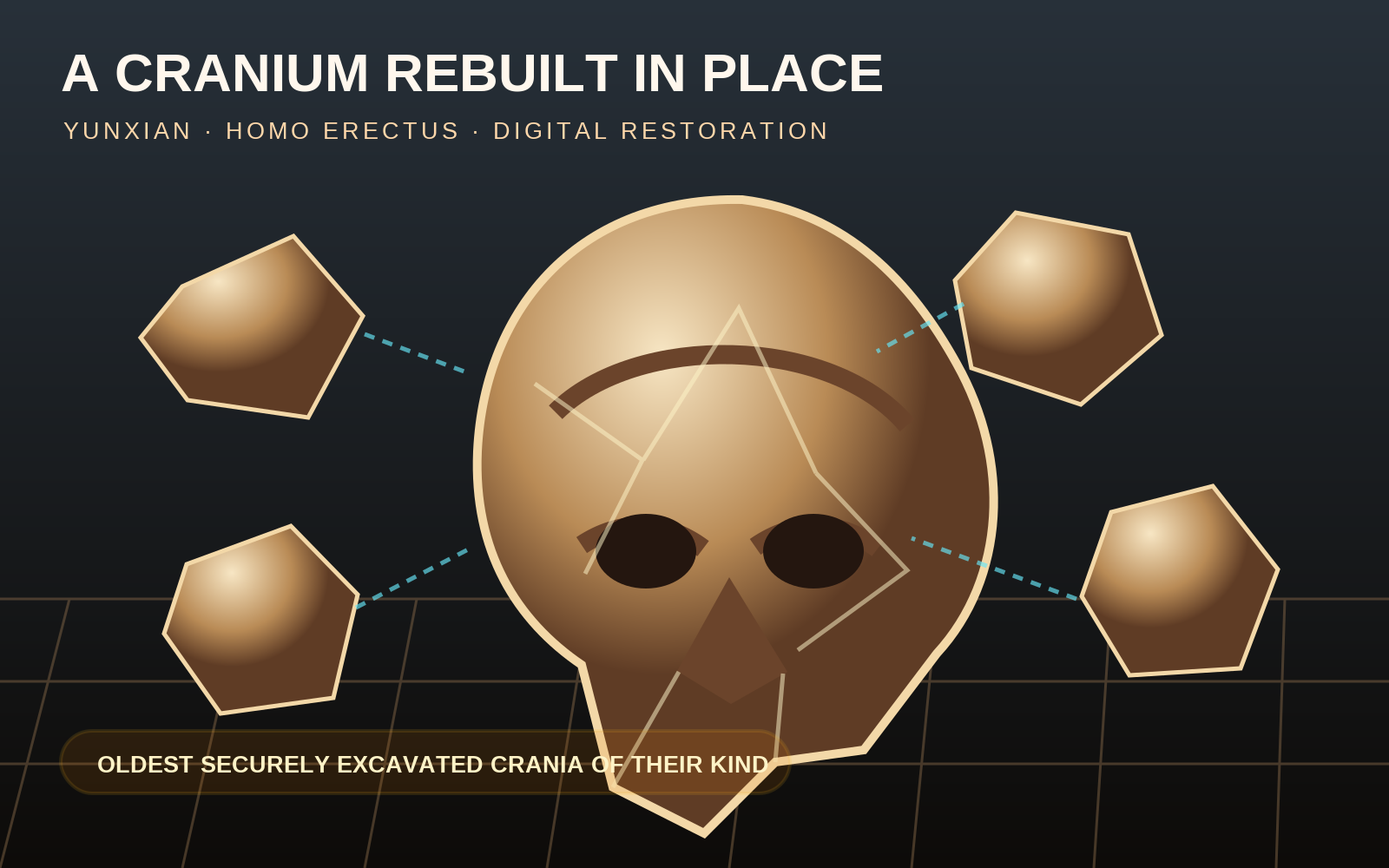 Illustration🏺 Archaeology
Yunxian's 1.77-Million-Year-Old Homo Erectus Crania
Cosmogenic-nuclide burial dating placed the fossil-bearing Yunxian sediments at 1.77 ± 0.08 million years old, making the three crania the oldest Homo erectus fossils securely recovered in place in eastern Asia.
Read more →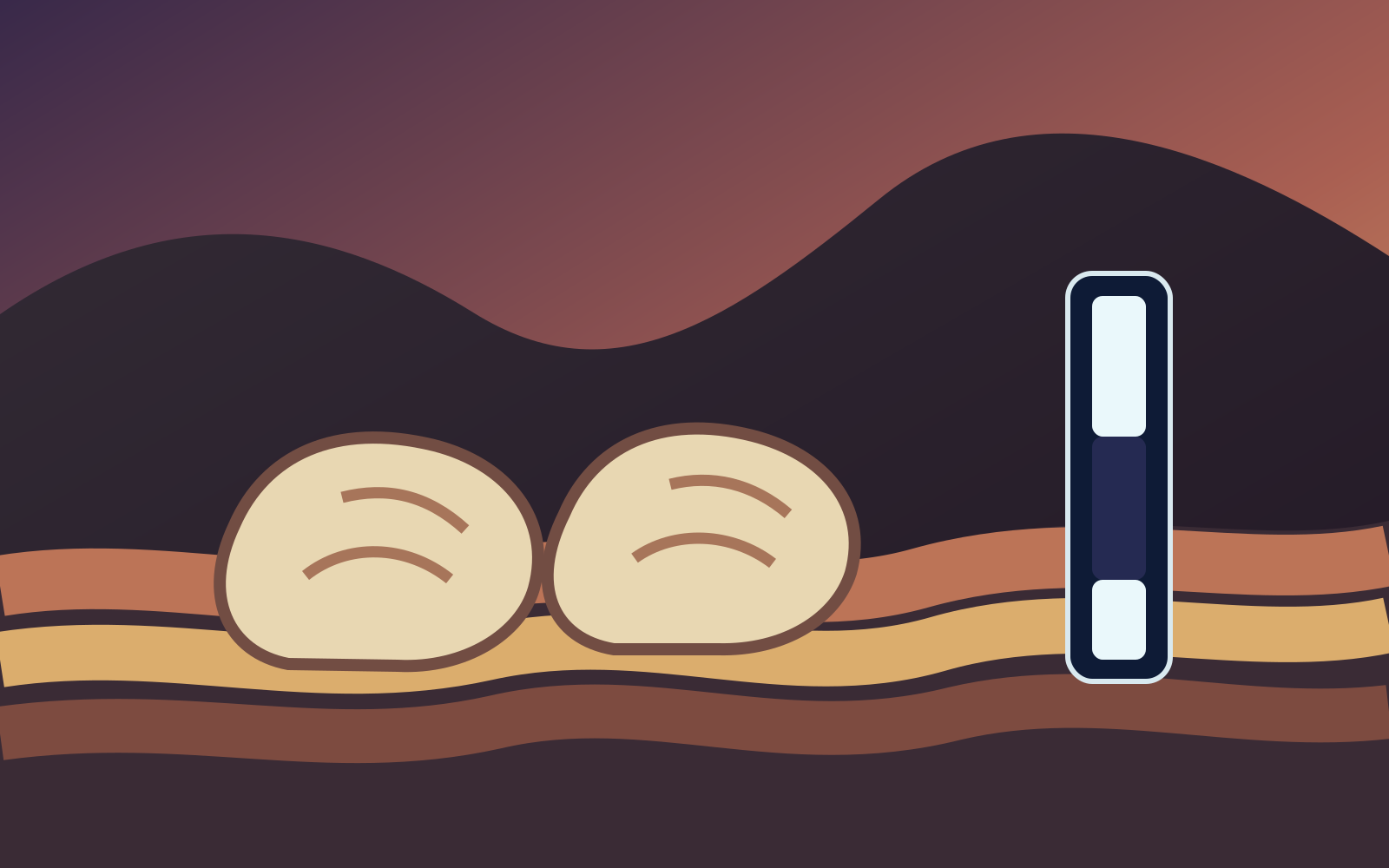 Illustration🏺 Archaeology
773,000-Year-Old Hominins from Casablanca
Fossils from Thomas Quarry I in Casablanca were tightly dated to about 773,000 years ago and show a mix of traits that the authors place near the root of the Homo sapiens lineage.
Read more →