
 Illustration — not a photo of the discovery
Ancient Proteins Identify a Denisovan Jaw on the Tibetan Plateau
A jawbone from Baishiya Karst Cave carried proteins that linked it to Denisovans. A carbonate crust showed that the individual lived at least 160,000 years ago.
The story
Why scientists were there
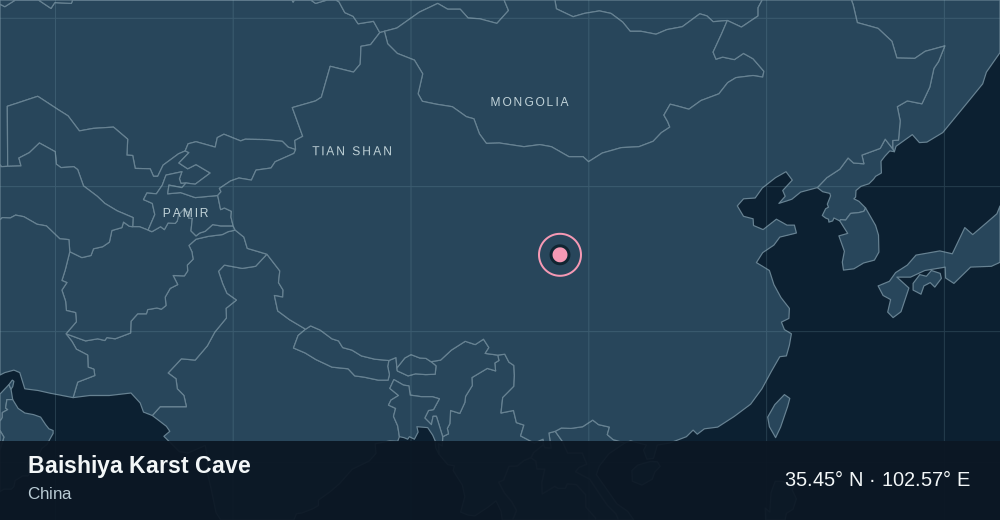
The mandible had been found on the Tibetan Plateau, far from the Siberian cave where Denisovans were first identified genetically. Its large teeth alone could not settle its identity.
How they found it
Researchers compared preserved ancient proteins with reference sequences. They independently dated carbonate attached to the bone to establish a minimum age.
What makes it unique
The jaw provided direct fossil evidence of Denisovans at high elevation. The mineral crust gives a lower bound on age because it formed after the bone was deposited.
Gallery
Where it was found
Baishiya Karst Cave, Xiahe
Tags
Related discoveries
 Illustration🏺 Archaeology
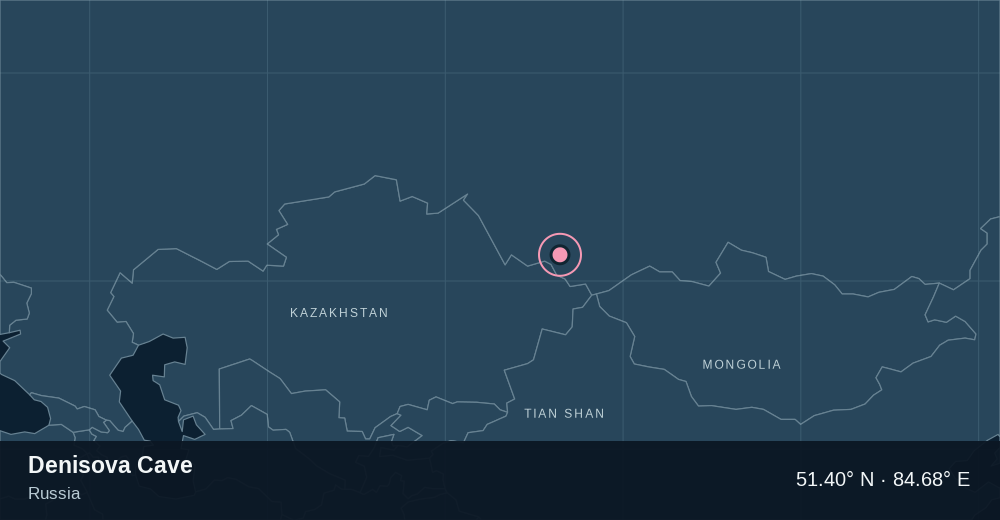
A Finger Bone Reveals an Unexpected Human Lineage in the Altai
A small finger bone from Denisova Cave carried mitochondrial DNA unlike that of the modern humans and Neanderthals available for comparison in 2010.
Read more →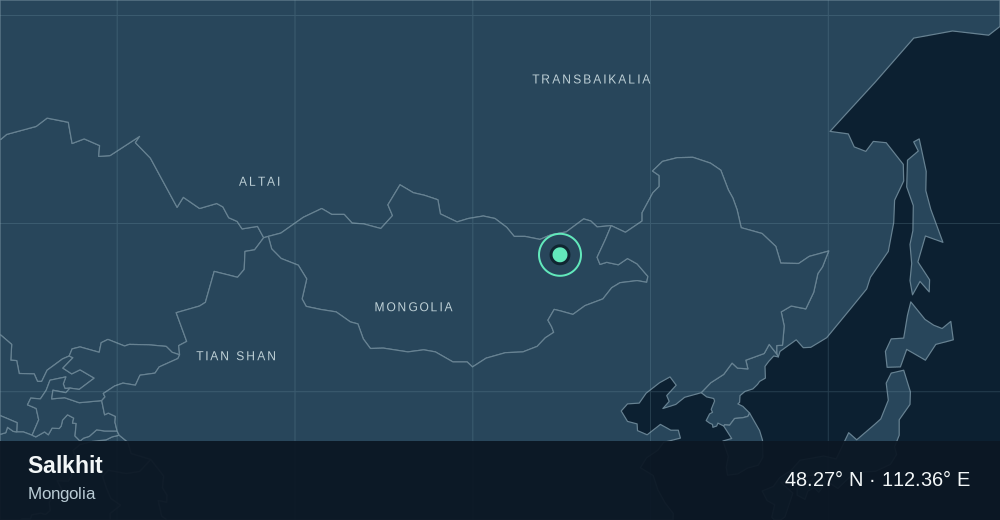 Illustration🧬 Biology
A Mongolian Skullcap Preserves Ancestry from Across Ice Age Eurasia
DNA from a roughly 34,000-year-old woman in eastern Mongolia records connections between populations across Eurasia and a smaller inheritance from Denisovans.
Read more →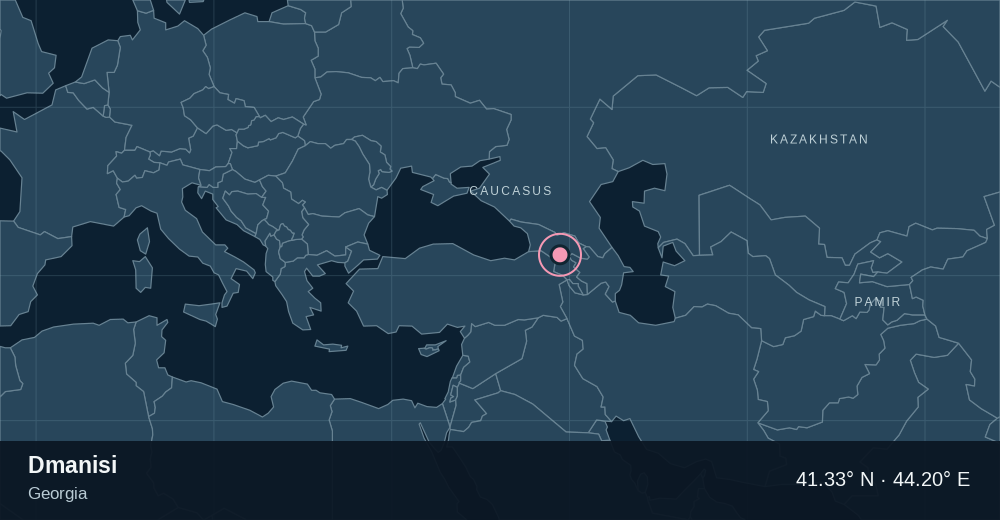 Illustration🏺 Archaeology
Dmanisi Skull 5 Reveals Variation Among Early Humans in the Caucasus
A nearly complete skull from Dmanisi combined a small braincase with a large face. It broadened the range of anatomy seen among early humans at one site about 1.8 million years ago.
Read more →