
 Illustration — not a photo of the discovery
A Finger Bone Reveals an Unexpected Human Lineage in the Altai
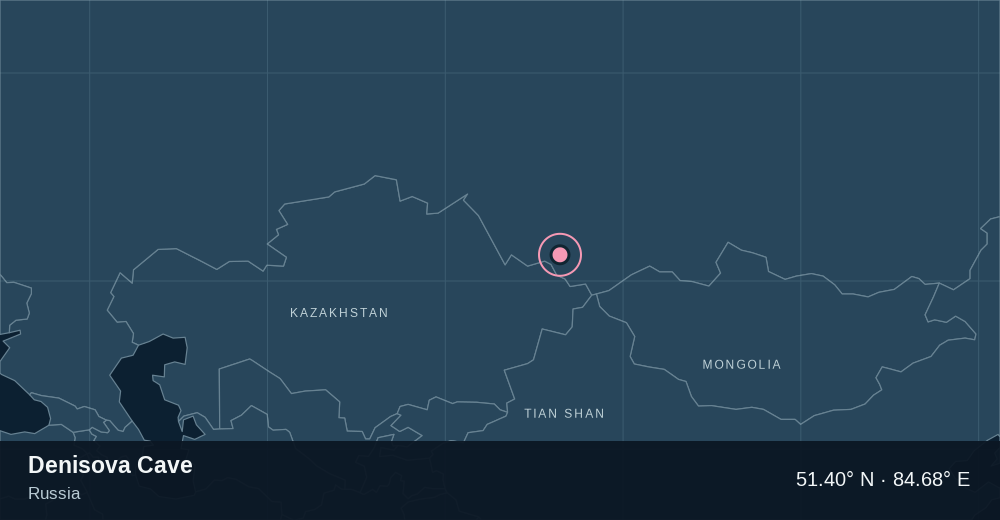
A small finger bone from Denisova Cave carried mitochondrial DNA unlike that of the modern humans and Neanderthals available for comparison in 2010.
The story
Why scientists were there
Excavators recovered the bone from the cave in southern Siberia in 2008. The fragment offered few anatomical clues to the identity of the person it came from.
How they found it
Researchers reconstructed the mitochondrial genome and compared it with other human lineages. This part of the genome passes down the maternal line.
What makes it unique
The result brought an unrecognized branch of human history to light from an otherwise unremarkable-looking bone. The initial paper described a maternal lineage; later nuclear genomes established a fuller picture of Denisovans.
Gallery
Where it was found
Denisova Cave, Anui River valley
Tags
Related discoveries
 Illustration🧬 Biology
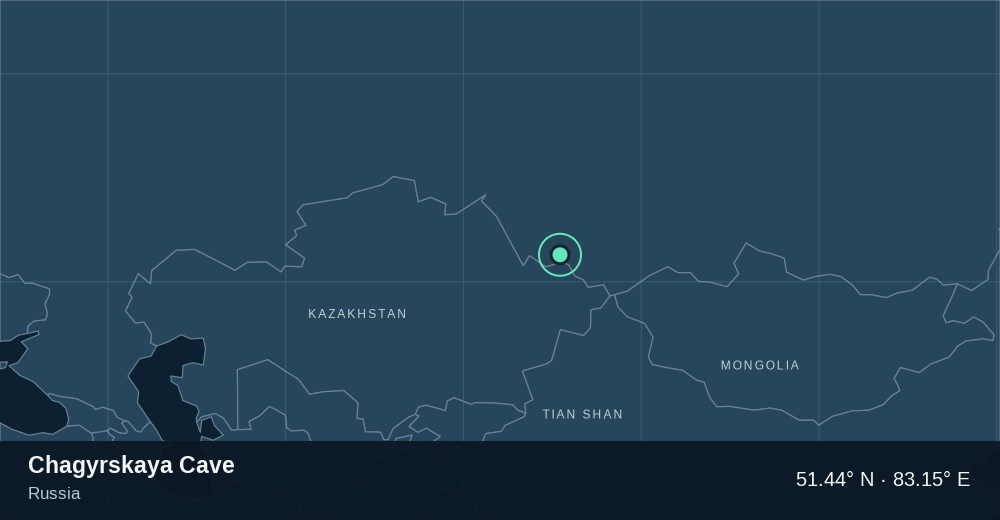
Ancient DNA Identifies a Neanderthal Father and Daughter
Genomes from Chagyrskaya Cave identified a Neanderthal father and his teenage daughter, giving a rare view of relationships within a single community.
Read more →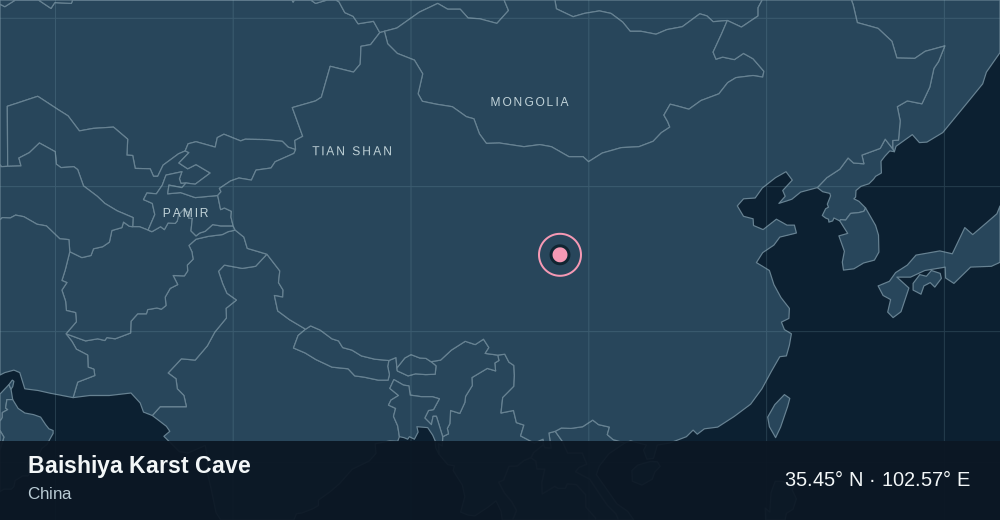 Illustration🏺 Archaeology
Ancient Proteins Identify a Denisovan Jaw on the Tibetan Plateau
A jawbone from Baishiya Karst Cave carried proteins that linked it to Denisovans. A carbonate crust showed that the individual lived at least 160,000 years ago.
Read more →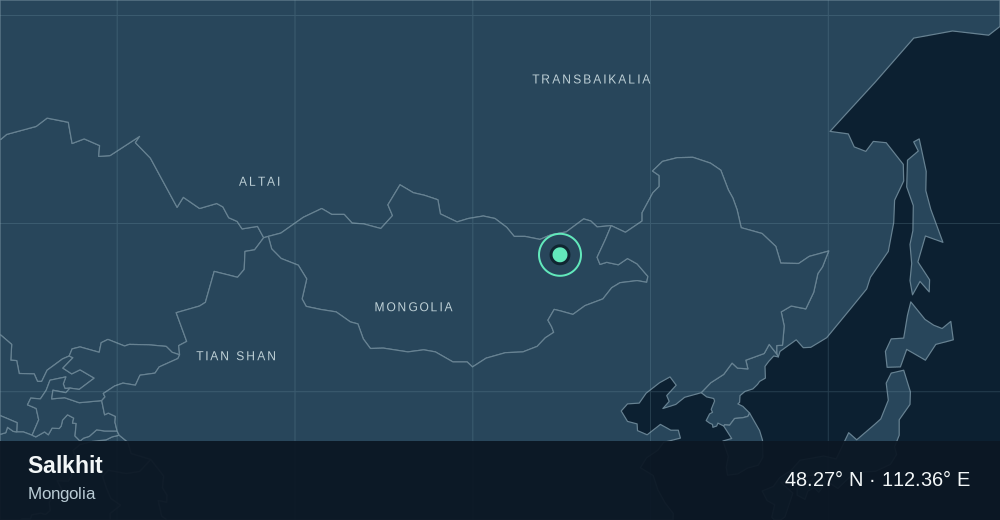 Illustration🧬 Biology
A Mongolian Skullcap Preserves Ancestry from Across Ice Age Eurasia
DNA from a roughly 34,000-year-old woman in eastern Mongolia records connections between populations across Eurasia and a smaller inheritance from Denisovans.
Read more → Illustration🧬 Biology
A Siberian Femur Dates an Early Encounter with Neanderthals
A thigh bone from a western Siberian riverbank preserved a genome from a man who lived roughly 45,000 years ago. The lengths of the Neanderthal DNA segments carried a clue to when his ancestors met Neanderthals.
Read more →