
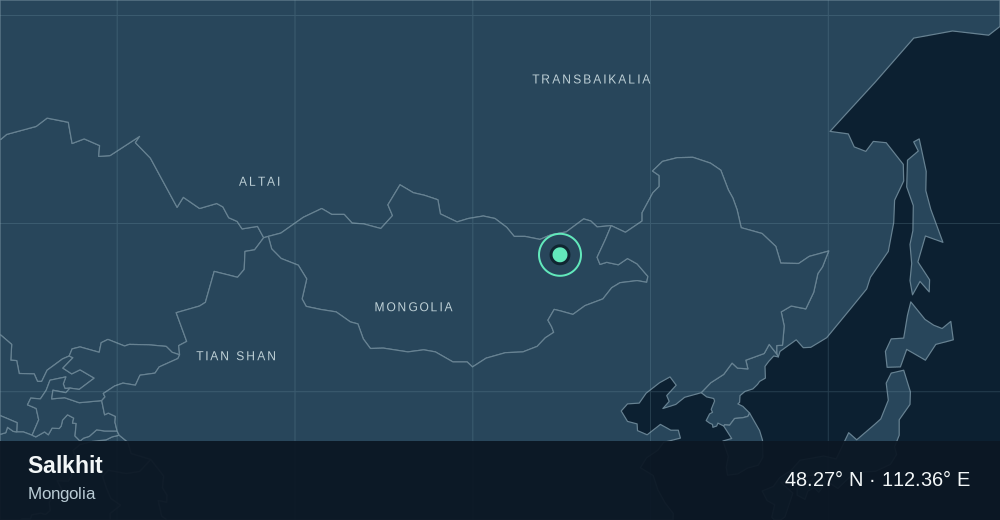
 Illustration — not a photo of the discovery
A Mongolian Skullcap Preserves Ancestry from Across Ice Age Eurasia
DNA from a roughly 34,000-year-old woman in eastern Mongolia records connections between populations across Eurasia and a smaller inheritance from Denisovans.
The story
Why scientists were there
Miners found a partial skull in Salkhit Valley in 2006. Its unusual shape made it difficult to identify the individual’s place in human history from anatomy alone.
How they found it
Researchers recovered DNA from the skullcap and compared segments of its genome with other ancient genomes, including samples from Siberia and China.
What makes it unique
The woman’s ancestry included both eastern and western Eurasian components. Her Denisovan-derived segments also helped researchers distinguish encounters involving different ancient populations.
Gallery
Where it was found
Salkhit Valley, Norovlin
Tags
Related discoveries
 Illustration🏺 Archaeology
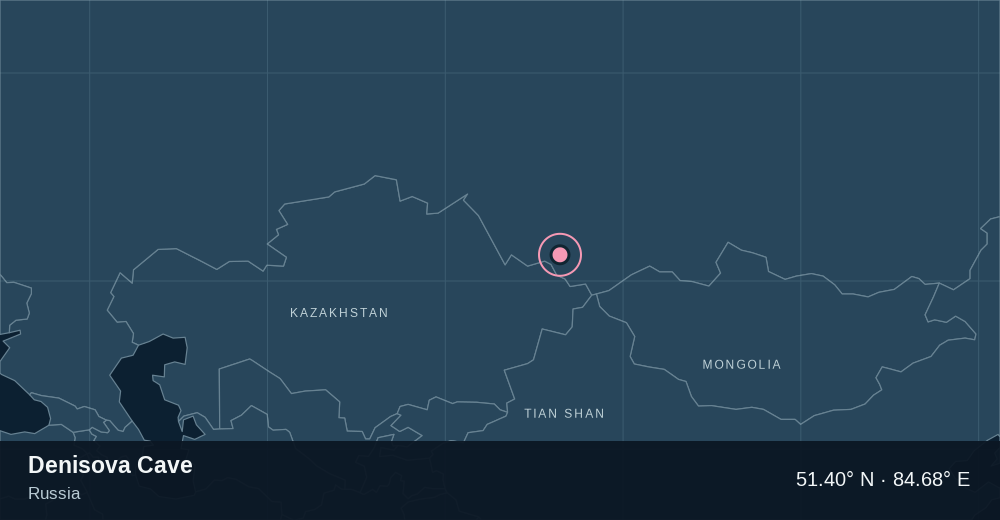
A Finger Bone Reveals an Unexpected Human Lineage in the Altai
A small finger bone from Denisova Cave carried mitochondrial DNA unlike that of the modern humans and Neanderthals available for comparison in 2010.
Read more →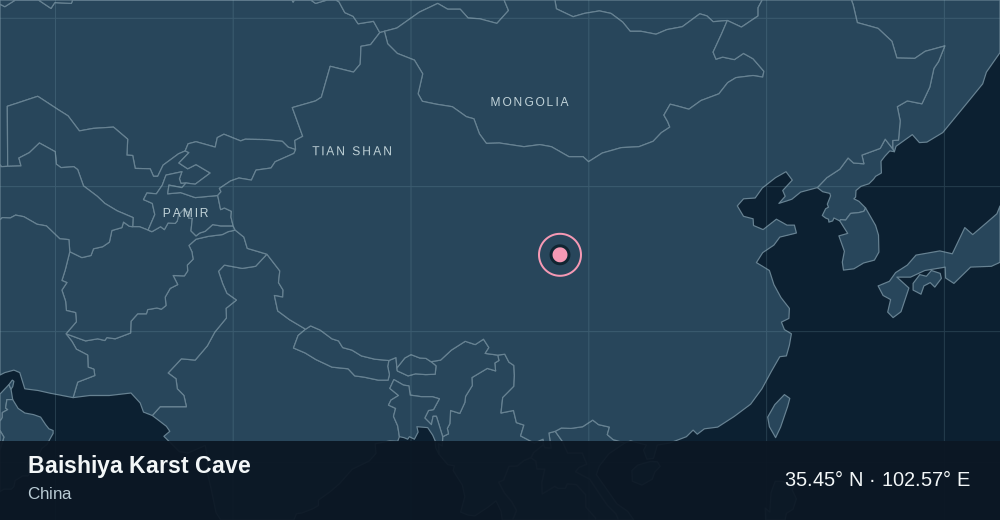 Illustration🏺 Archaeology
Ancient Proteins Identify a Denisovan Jaw on the Tibetan Plateau
A jawbone from Baishiya Karst Cave carried proteins that linked it to Denisovans. A carbonate crust showed that the individual lived at least 160,000 years ago.
Read more →