 Illustration — not a photo of the discovery
A Global Ocean Census of RNA Viruses
A metatranscriptomic survey of ocean samples substantially expanded the known RNA virome, reorganizing major evolutionary groups and revealing that marine RNA viruses are both abundant and deeply diverse.
The story
Why scientists were there
RNA viruses affect marine microbes that regulate food webs and carbon cycling, yet they are difficult to catalogue because many have no cultured host or close reference genome. Sequence surveys reveal genetic diversity, not a complete census of active infections or a direct measure of each virus’s ecological effect; linking viruses to hosts remains a central next step.
How they found it
Researchers screened global ocean RNA-sequencing data for genes encoding RNA-dependent RNA polymerase, a hallmark shared by RNA viruses. They built sequence-based evolutionary trees and compared the resulting lineages with existing virus taxonomy, adding many previously unclassified marine viral sequences to the analysis.
What makes it unique
The direct evidence was a global set of viral polymerase sequences and their placements in phylogenetic trees. The study doubled the recognized RNA-virus phyla and proposed more than half of the newly described classes, while conclusions about early viral evolution and ocean-scale ecological roles remain evolutionary and ecological inferences.
Gallery
Where it was found
Tara Oceans global sampling programme
Tags
Related discoveries
 Illustration🧬 Biology
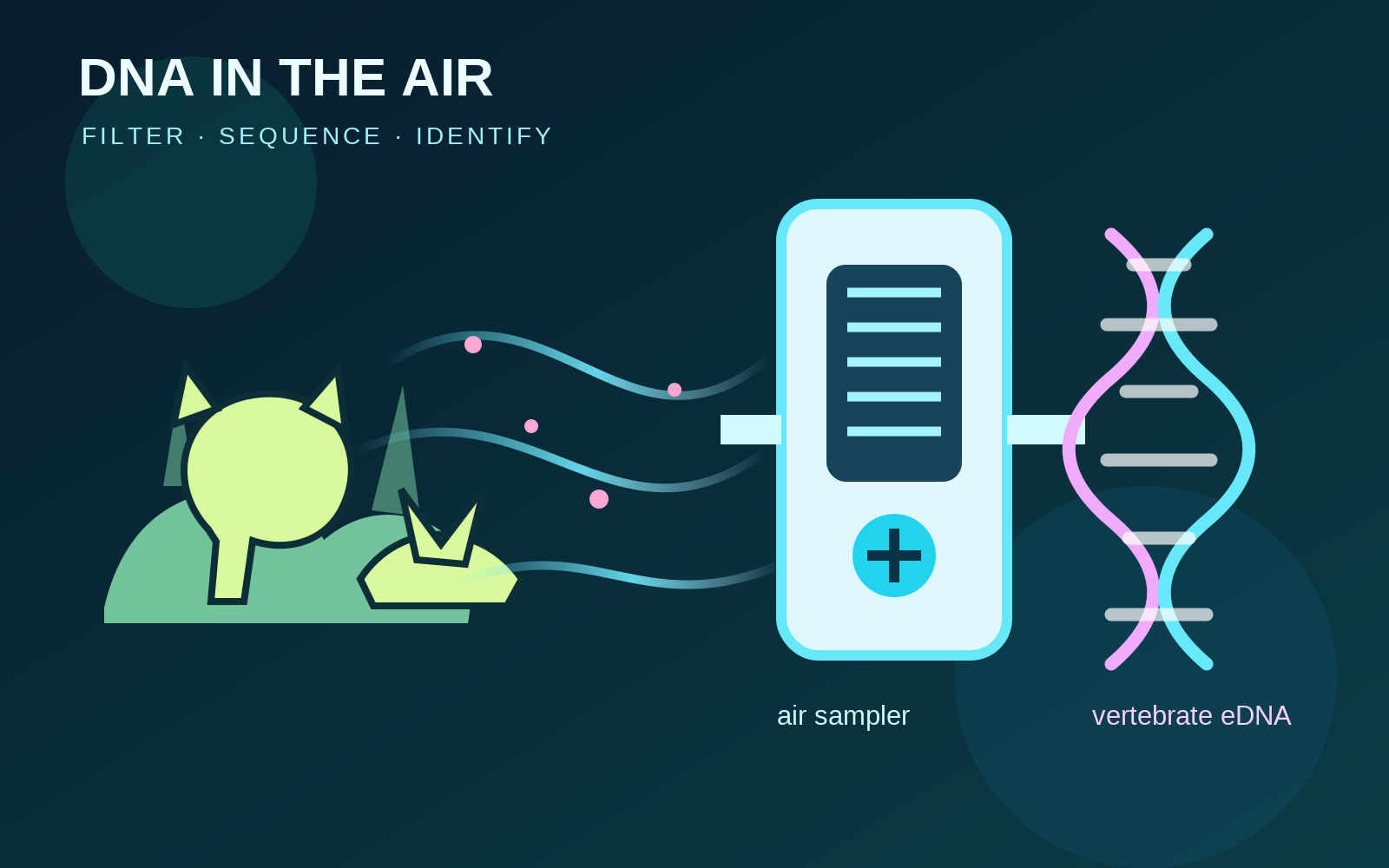
Airborne eDNA Reveals Terrestrial Vertebrates
Two independent zoo studies showed that vertebrate DNA can be collected directly from air and matched to nearby species, establishing airborne eDNA as a practical new route for surveying terrestrial biodiversity.
Read more →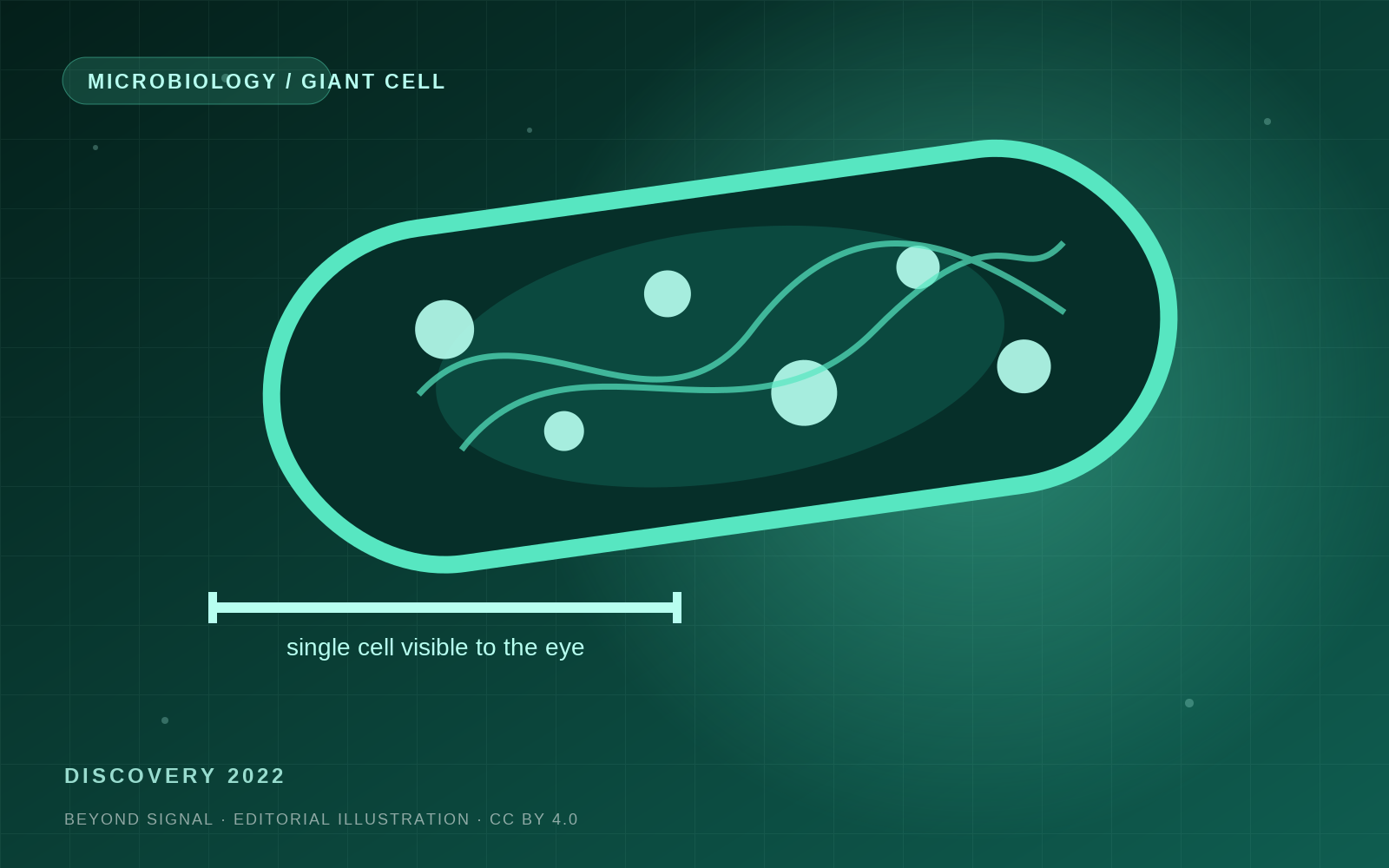 Illustration🧬 Biology
Thiomargarita Magnifica, the Giant Bacterium
A filament-shaped bacterium from Caribbean mangroves was shown to grow up to about two centimetres long, making a single bacterial cell visible to the unaided eye.
Read more →