
 Illustration — not a photo of the discovery
A Child Buried at Mal’ta Links Ice Age Siberia to the Peopling of the Americas
An arm bone from a child buried near Lake Baikal yielded a genome roughly 24,000 years old. It connected an Ice Age Siberian population to part of the ancestry of Indigenous peoples of the Americas.
The story
Why scientists were there
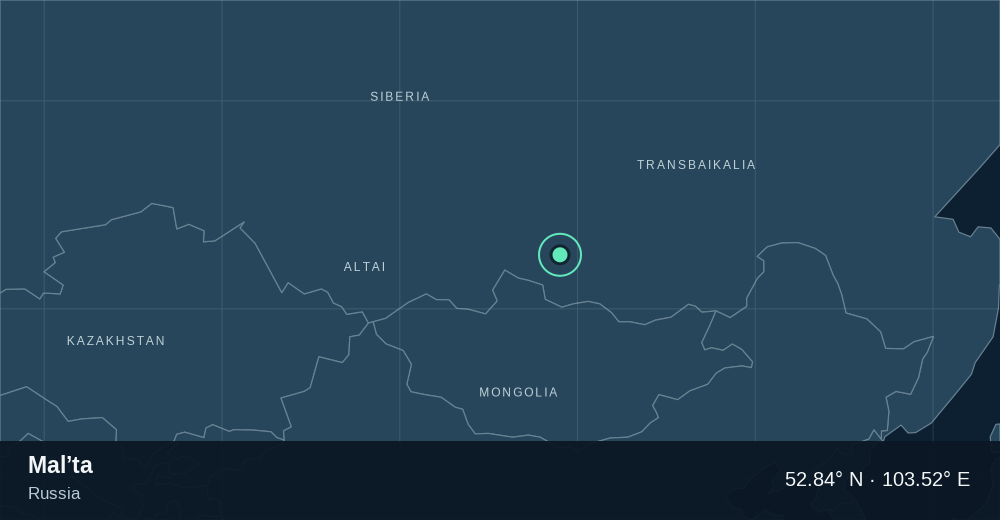
The burial came from Mal’ta on the Belaya River. The village marker identifies the area where archaeologists excavated the burial decades before genomic analysis became possible.
How they found it
Researchers dated the remains and compared inherited variations in the child’s DNA with genomes from across Eurasia and the Americas.
What makes it unique
The child shared ancestry with western Eurasians and with the ancestors of Indigenous Americans. That combination helped explain a relationship that comparisons using present-day populations alone had left unresolved.
Gallery
Where it was found
Mal’ta village, Belaya River (regional marker)
Tags
Related discoveries
 Illustration🧬 Biology
A Siberian Femur Dates an Early Encounter with Neanderthals
A thigh bone from a western Siberian riverbank preserved a genome from a man who lived roughly 45,000 years ago. The lengths of the Neanderthal DNA segments carried a clue to when his ancestors met Neanderthals.
Read more →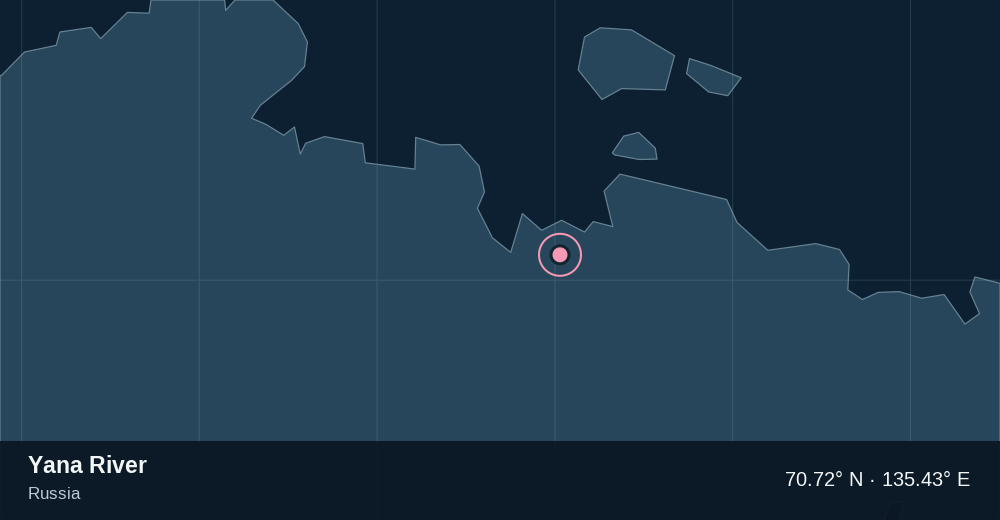 Illustration🏺 Archaeology
Yana River Tools Place People in the Arctic Before the Last Glacial Maximum
Stone tools, worked ivory and a rhinoceros-horn foreshaft show that people lived well north of the Arctic Circle before the coldest part of the last ice age.
Read more →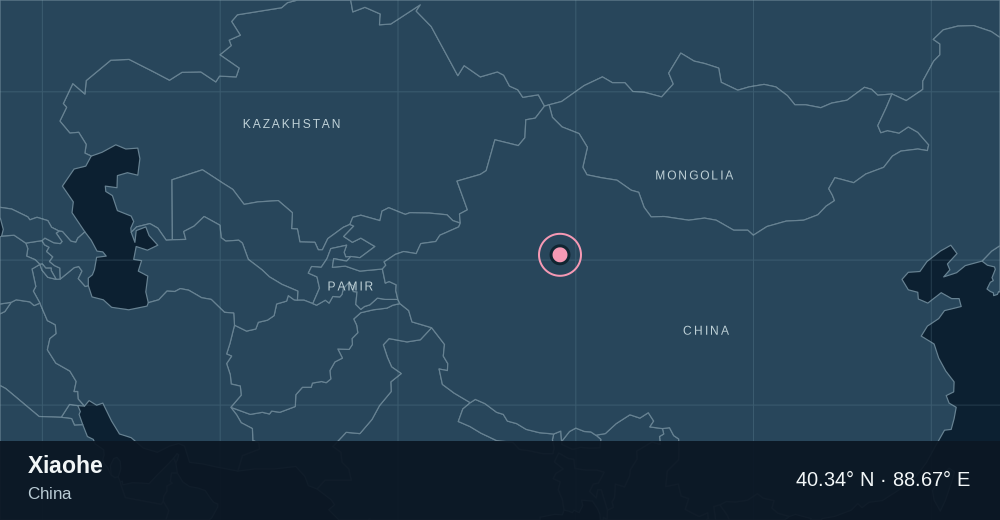 Illustration🏺 Archaeology
Tarim Basin Genomes Reveal Local Roots and Far-Reaching Food Traditions
DNA from early Tarim Basin burials showed strong local ancestry, while milk proteins on teeth at Xiaohe revealed a food tradition shared across a much wider region.
Read more →