
 Illustration — not a photo of the discovery
A Siberian Crater Lake Preserves Evidence of a Much Warmer Arctic
Sediment beneath Lake El’gygytgyn records exceptionally warm Arctic summers during the Pliocene and a later cooling trend spanning millions of years.
The story
Why scientists were there
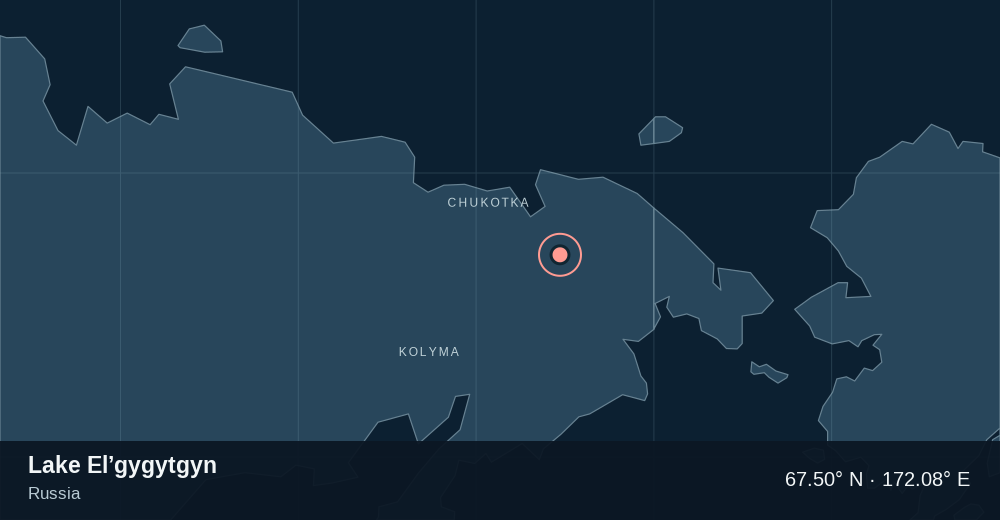
The lake occupies an ancient impact crater in Chukotka. Sediment continued to accumulate there through climate swings that erased records from many other Arctic landscapes.
How they found it
An international drilling team recovered a long lake core. Pollen and sediment properties preserved evidence of changing vegetation and conditions around the lake.
What makes it unique
The sequence lets researchers compare successive warm and cold periods at the same Arctic location. During parts of the Pliocene, summer temperatures were much higher than those at the site today.
Gallery
Where it was found
Lake El’gygytgyn, Chukotka
Tags
Related discoveries
 Illustration🌋 Earth Science
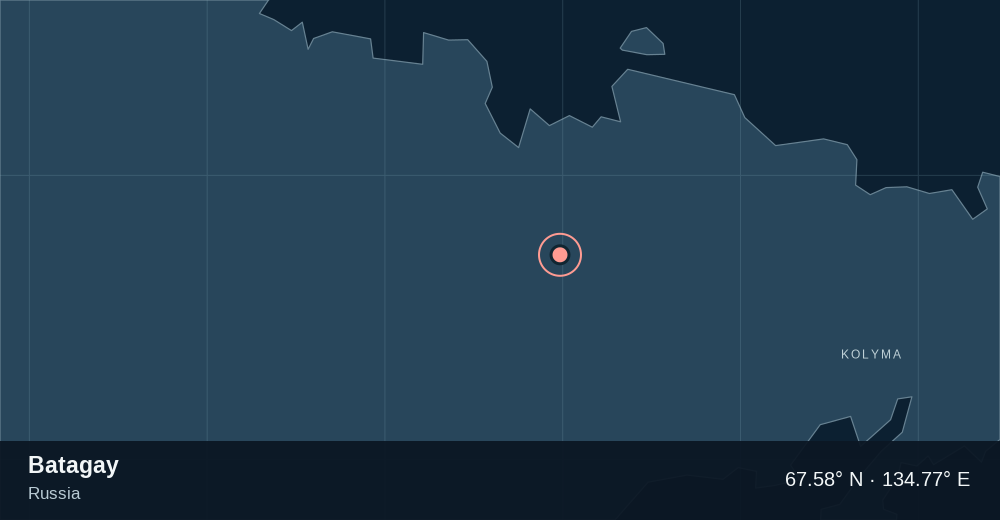
Batagay Exposes Ground Ice at Least 650,000 Years Old
A thaw slump in eastern Siberia exposed an ice-rich layer that researchers dated to at least 650,000 years ago. The ancient layer lies beneath much younger deposits.
Read more →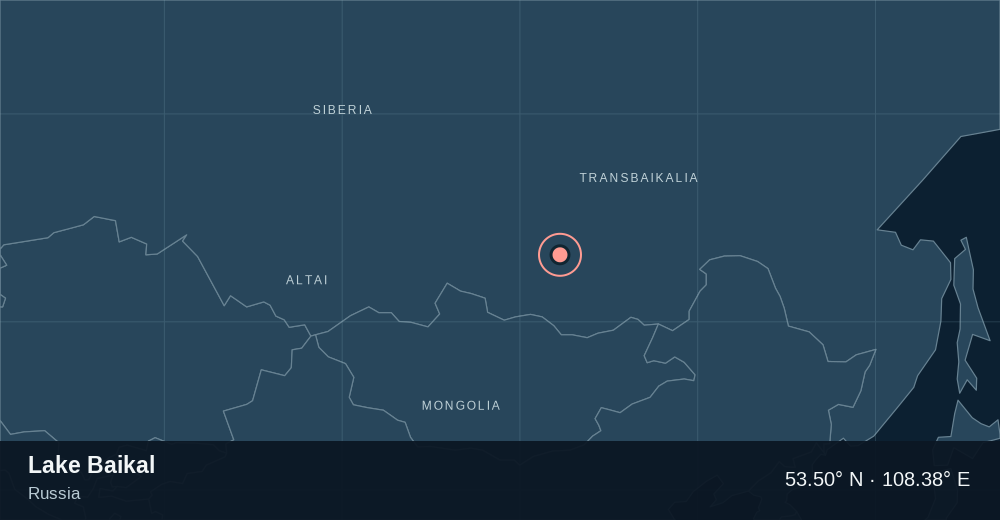 Illustration🌋 Earth Science
Under-Ice Eddies Explain Giant Rings on Lake Baikal
Measurements beneath Lake Baikal’s frozen surface linked giant dark rings in the ice to rotating bodies of relatively warm water below.
Read more →