
 Illustration — not a photo of the discovery
Batagay Exposes Ground Ice at Least 650,000 Years Old
A thaw slump in eastern Siberia exposed an ice-rich layer that researchers dated to at least 650,000 years ago. The ancient layer lies beneath much younger deposits.
The story
Why scientists were there
Ground collapse at Batagay has cut an enormous opening into a hillside. Its exposed wall lets researchers sample frozen deposits at several levels of the same sequence.
How they found it
The team compared dating methods using quartz, feldspar, organic material and chlorine isotopes in ground ice. Each method works over a different span of time.
What makes it unique
The minimum age applies to the lower ice complex. It shows that some permafrost survived repeated climatic changes even as the modern slump exposes it to thaw.
Gallery
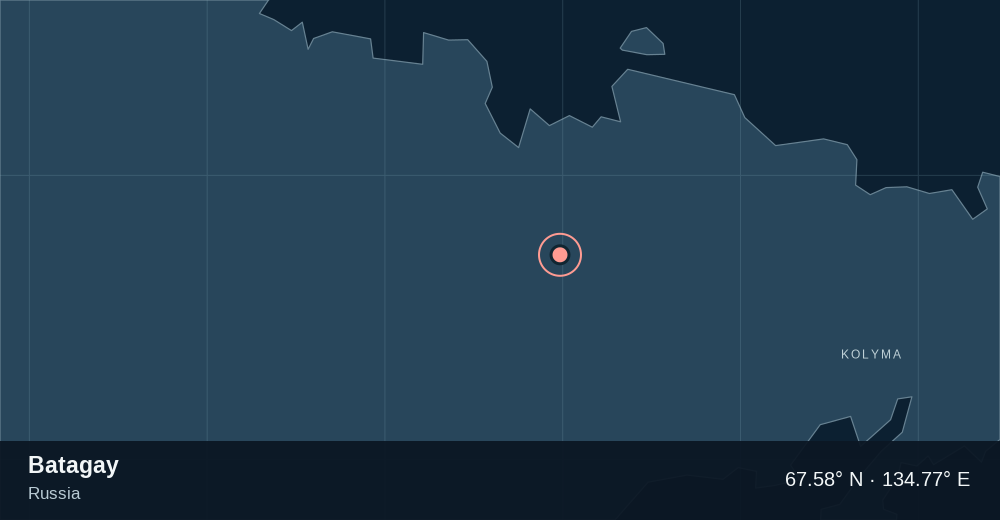
Where it was found
Batagay megaslump, Sakha Republic
Tags
Related discoveries
 Illustration🌋 Earth Science
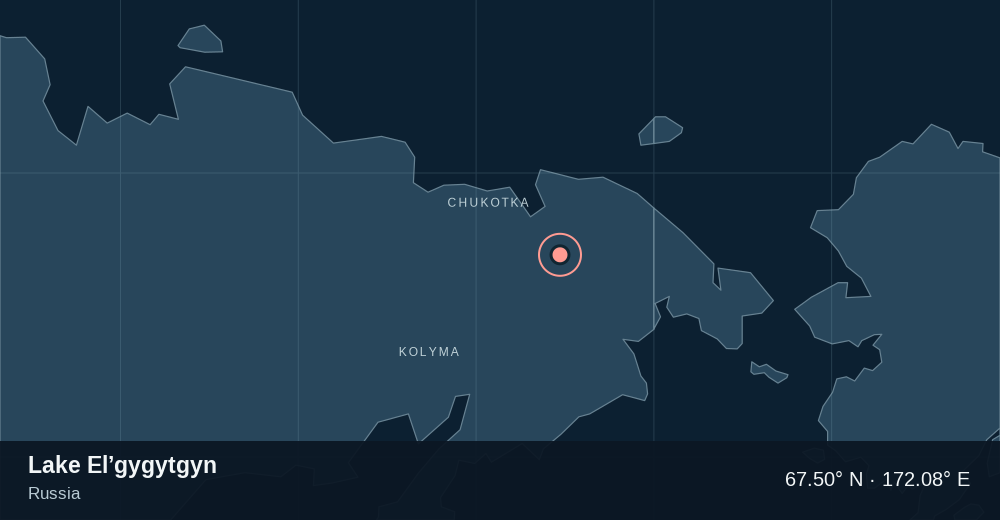
A Siberian Crater Lake Preserves Evidence of a Much Warmer Arctic
Sediment beneath Lake El’gygytgyn records exceptionally warm Arctic summers during the Pliocene and a later cooling trend spanning millions of years.
Read more →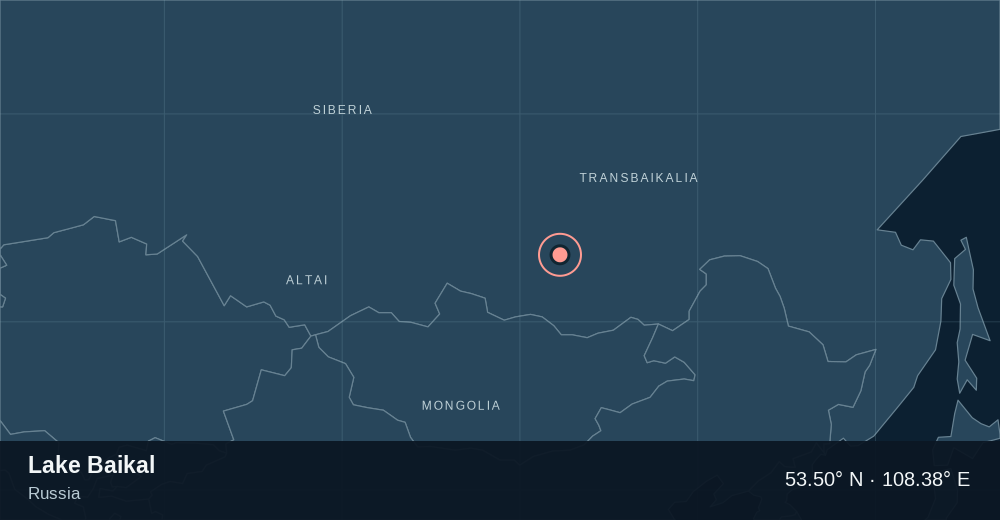 Illustration🌋 Earth Science
Under-Ice Eddies Explain Giant Rings on Lake Baikal
Measurements beneath Lake Baikal’s frozen surface linked giant dark rings in the ice to rotating bodies of relatively warm water below.
Read more →