
 Illustration — not a photo of the discovery
Video and Meteorite Fragments Reconstruct the Chelyabinsk Airburst
On 15 February 2013, a space rock broke apart over the southern Urals. Video recordings, damage surveys and recovered meteorites let researchers reconstruct the same event independently.
The story
Why scientists were there
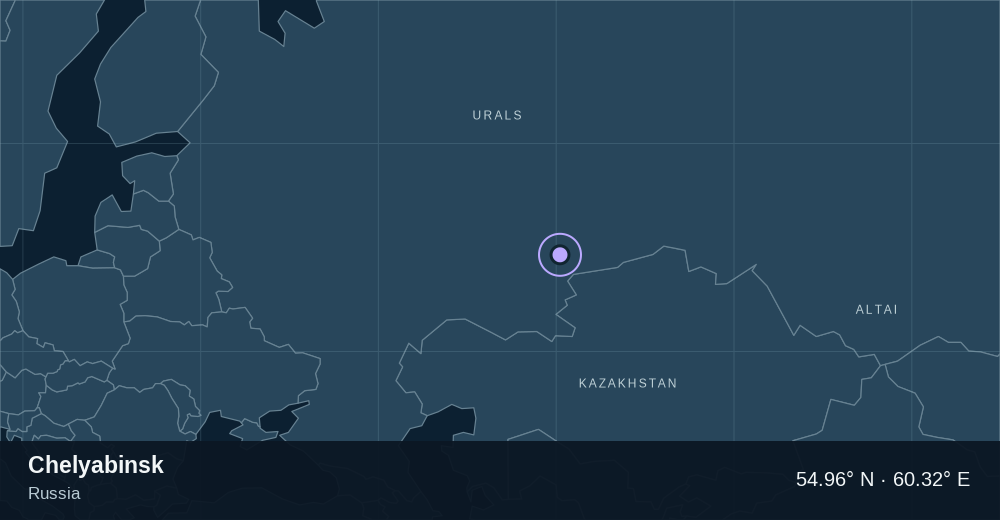
Residents recorded the fireball from many angles. Lake Chebarkul, marked on the map, was one place where pieces reached the ground after the object fragmented in the atmosphere.
How they found it
The research team compared video timing and directions with the shock damage and physical properties of meteorites. Together these observations constrained the trajectory and breakup.
What makes it unique
The bright atmospheric burst and the surviving stones tell different parts of the story. The lake pin identifies a recovery site, while the incoming object crossed a much wider area.
Gallery
Where it was found
Lake Chebarkul, meteorite recovery site
Tags
Related discoveries
 Illustration🌌 Space
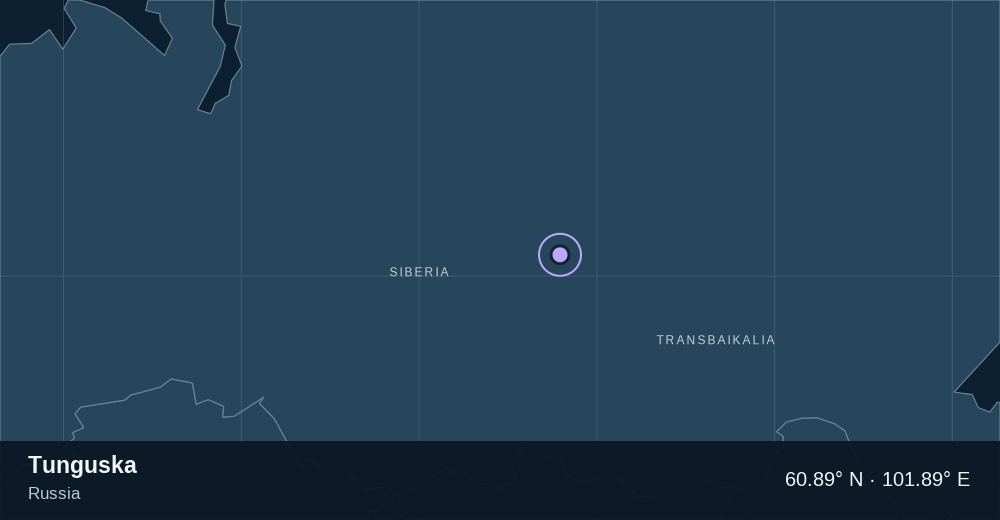
Fallen Trees Record the Tunguska Airburst
An atmospheric explosion above central Siberia on 30 June 1908 flattened forest over a vast area. The pattern of fallen trunks became crucial evidence for reconstructing the event.
Read more →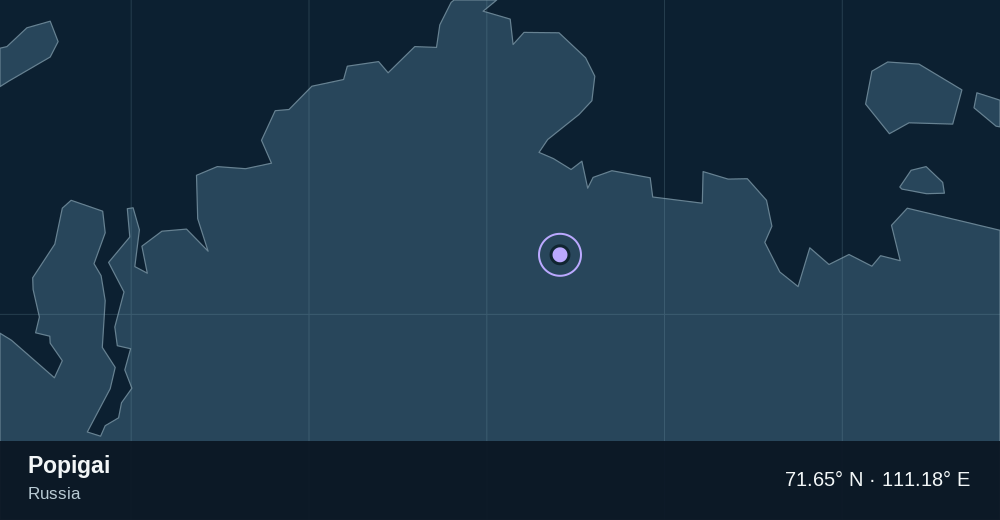 Illustration🌌 Space
Impact Melt Dates Siberia’s Popigai Crater
Dating rocks melted by the Popigai impact placed the collision around 35.7 million years ago, narrowing previous estimates that spanned tens of millions of years.
Read more →