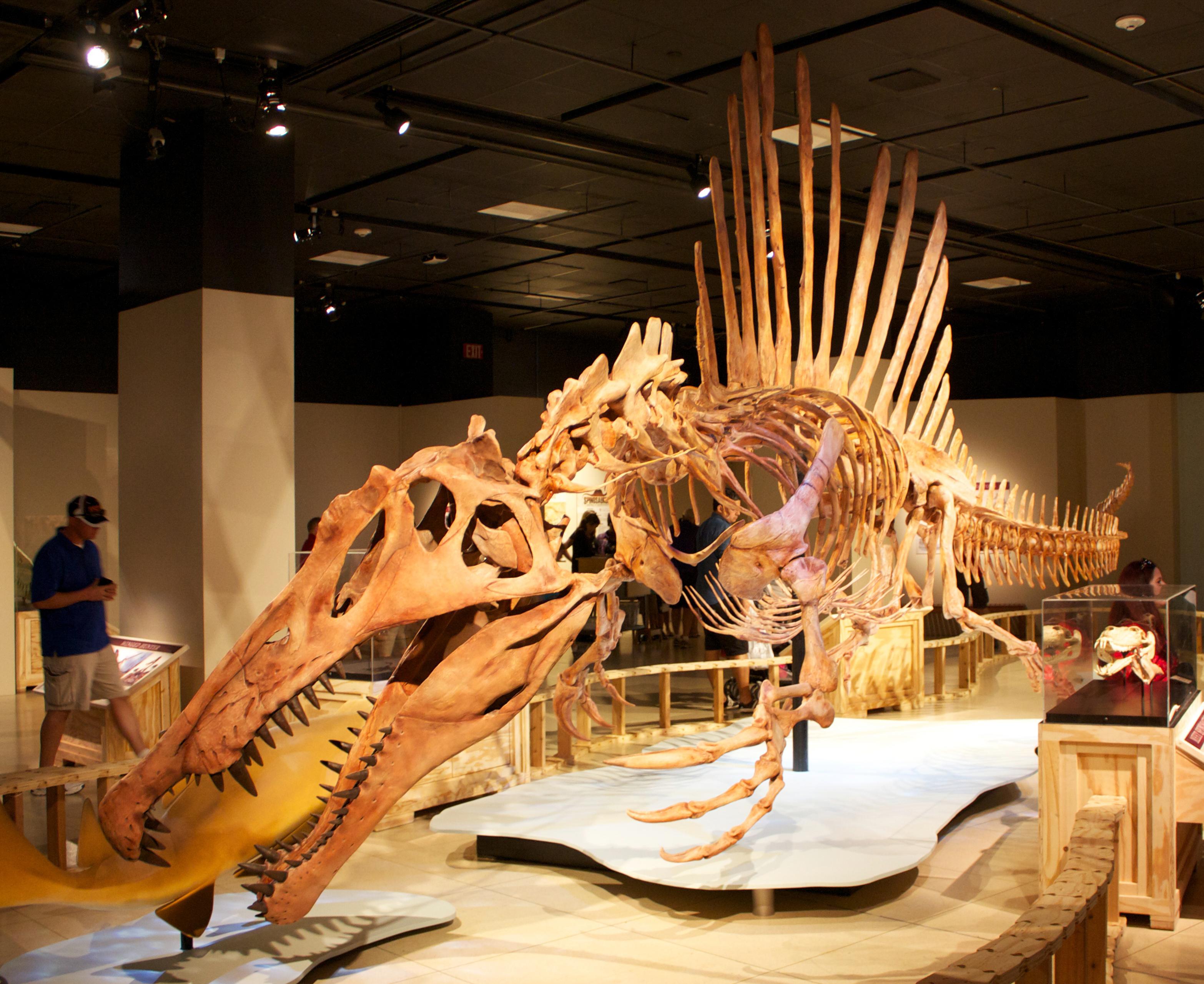
Spinosaurus: the Swimming Dinosaur
A near-complete fossil tail showed Spinosaurus had a fin-like paddle — the strongest evidence yet of a swimming, water-propelled dinosaur.
The story
Why scientists were there
Paleontologists returned to Morocco's Kem Kem beds, where earlier Spinosaurus material had been found.
How they found it
Years of excavation recovered an articulated tail with tall, blade-like spines forming a broad swimming fin.
What makes it unique
It overturned the view of Spinosaurus as a wading shoreline hunter, recasting it as the first known aquatic-propulsion dinosaur.
Gallery

Where it was found
Kem Kem beds, southeastern Morocco
Tags
Related discoveries
 🦕 Dinosaurs & Fossils
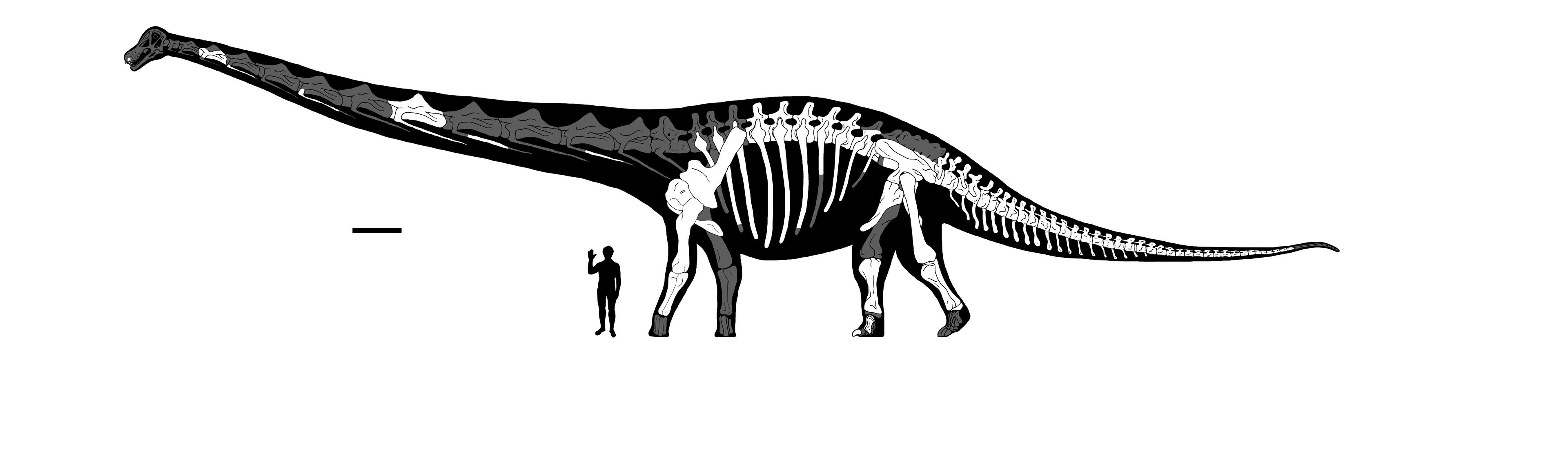
Dreadnoughtus, a Colossal Titanosaur
One of the most complete giant dinosaurs ever found — a 26 m sauropod whose skeleton let scientists reliably estimate its ~59-tonne mass.
Read more →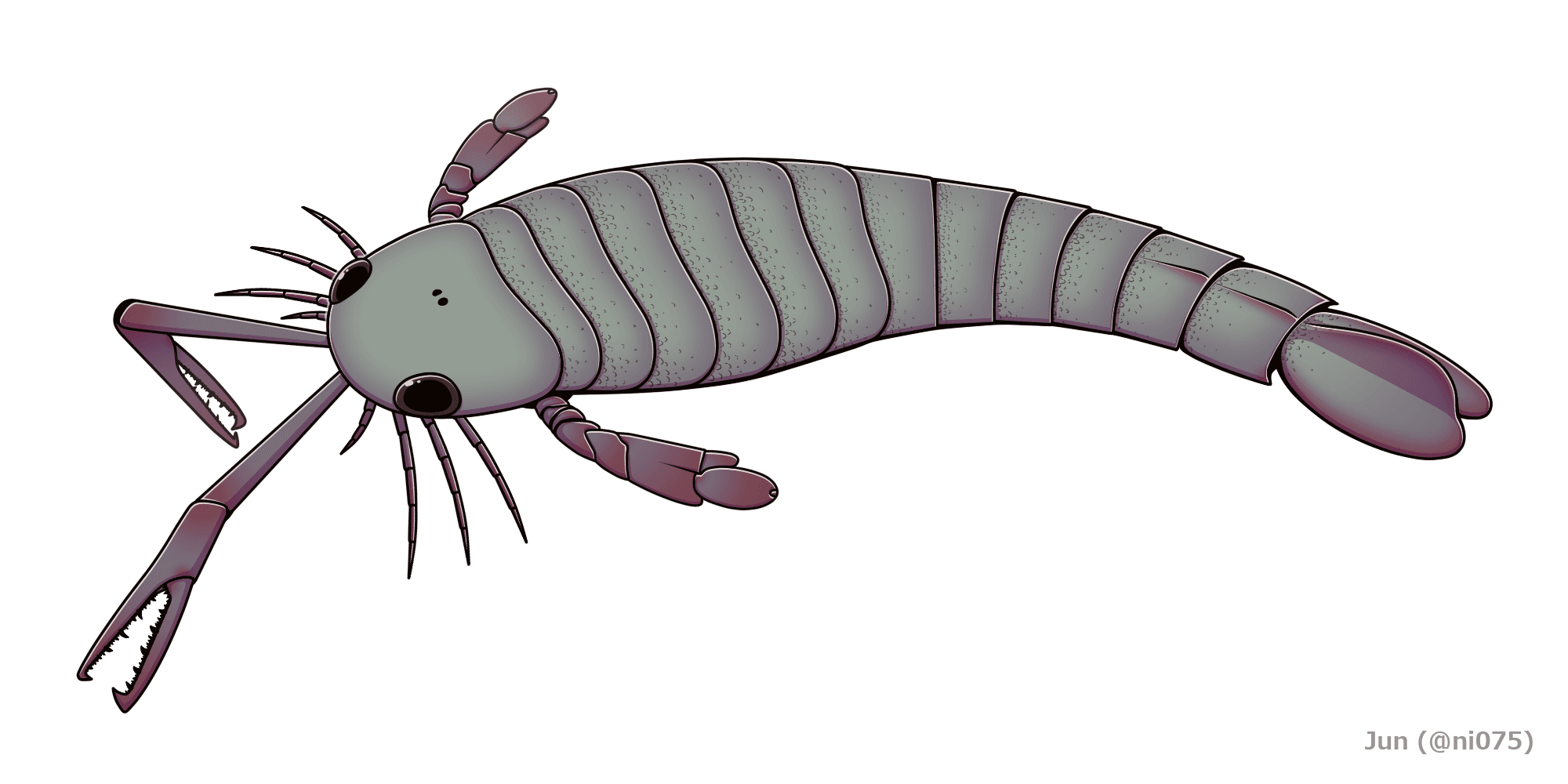 🦕 Dinosaurs & Fossils
The Metre-Long Scorpion Praearcturus
Modern reanalysis supports identifying fragmentary British fossils as a roughly one-metre scorpion, potentially the largest scorpion yet recognized.
Read more → Illustration🦕 Dinosaurs & Fossils
A Jurassic Midge from Gondwana
A 151-million-year-old fossil midge from Australia became the oldest known member of its group in the Southern Hemisphere, challenging assumptions about where these insects evolved.
Read more →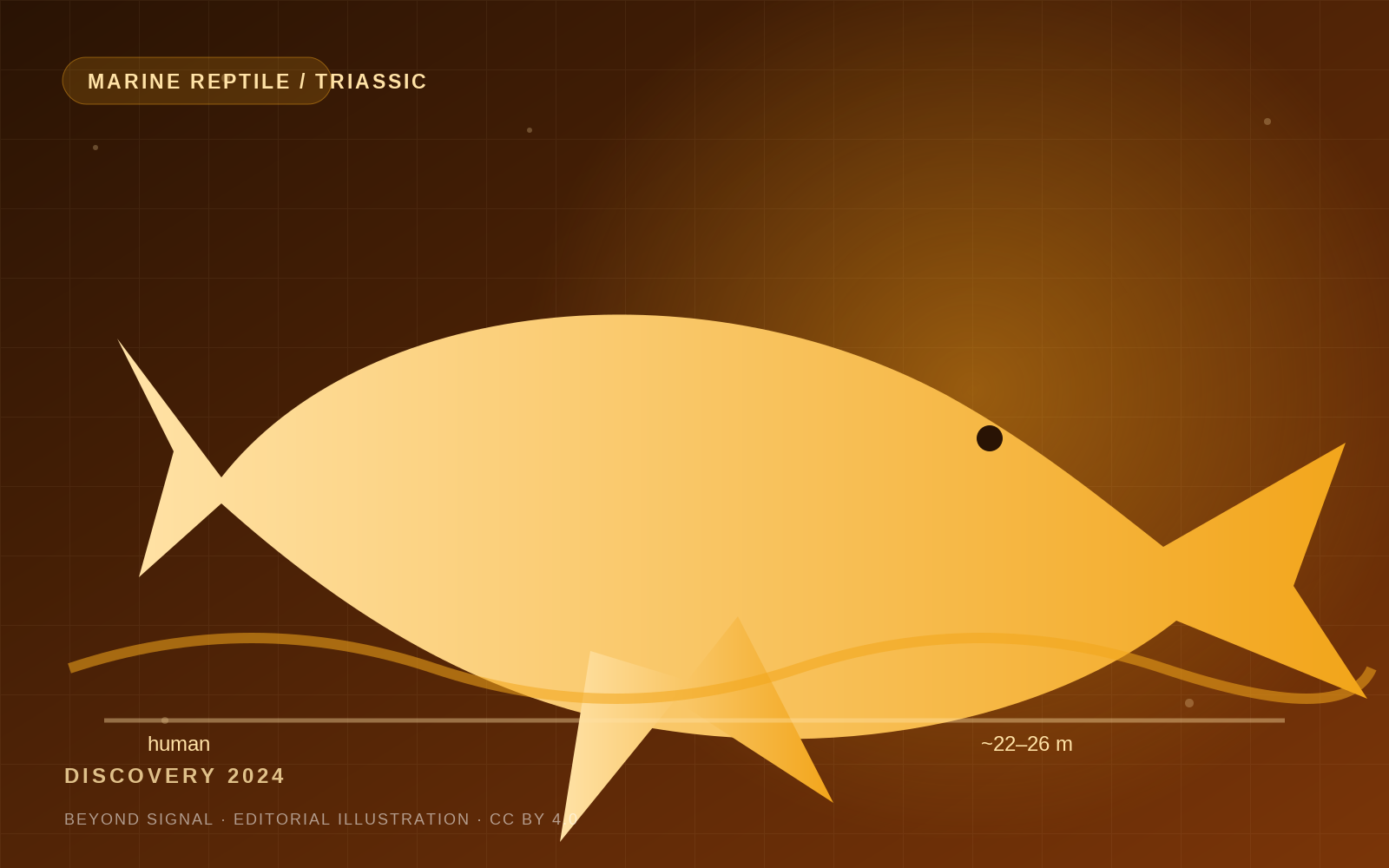 Illustration🦕 Dinosaurs & Fossils
Ichthyotitan Severnensis, a Blue-Whale-Sized Marine Reptile
Fragments of enormous jawbones from southwest England were assigned to a new Late Triassic ichthyosaur estimated at roughly 22–26 metres long.
Read more →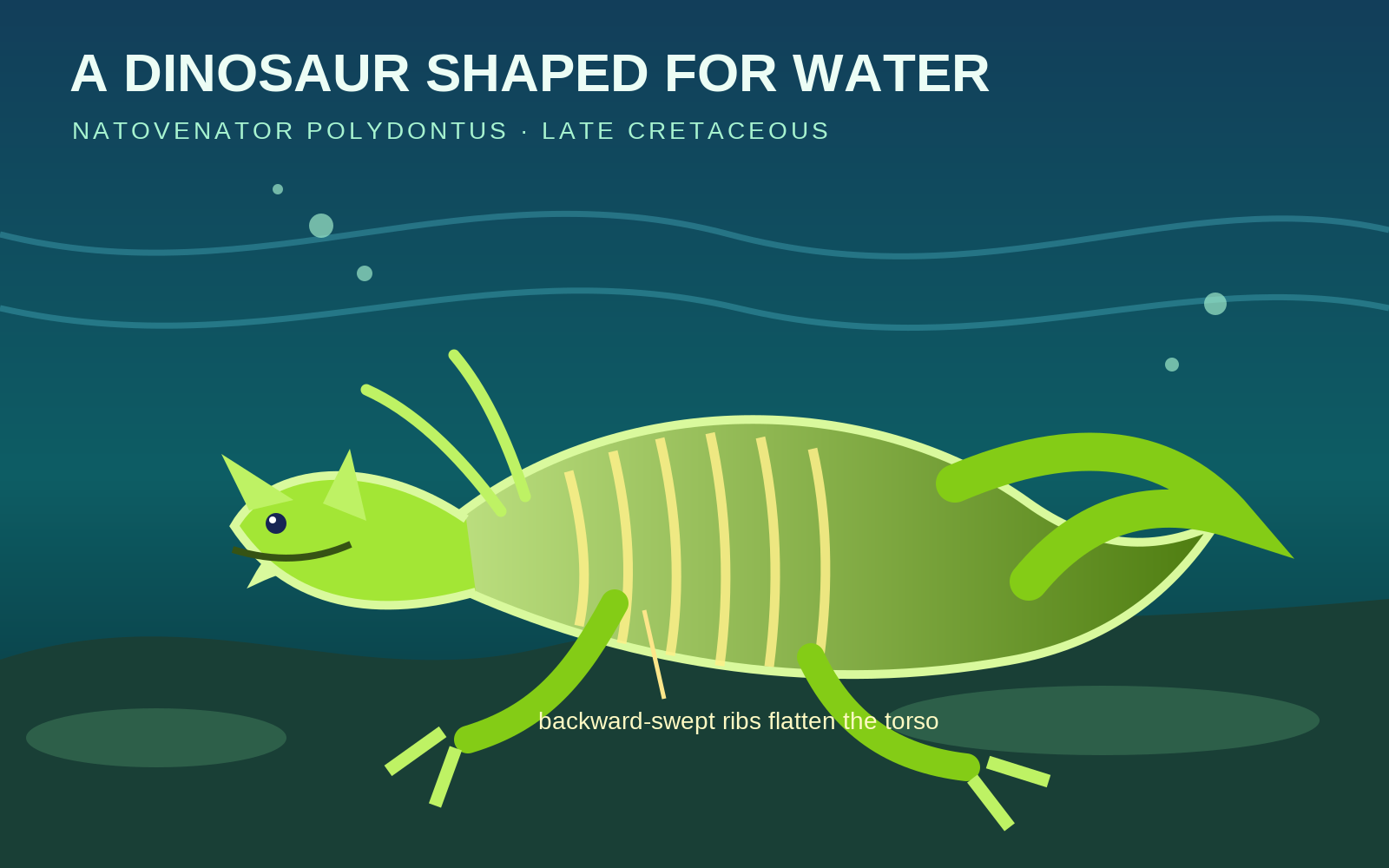 Illustration🦕 Dinosaurs & Fossils
Natovenator, a Streamlined Swimming Dinosaur
A well-articulated dromaeosaurid skeleton from Mongolia preserved backward-swept ribs and a flattened torso, providing the first compelling evidence of a streamlined body in a non-avian theropod dinosaur.
Read more → Illustration🦕 Dinosaurs & Fossils
Meraxes Gigas, a Giant Short-Armed Predator
An unusually complete giant predatory dinosaur from Patagonia revealed that reduced forelimbs evolved independently in several large theropod lineages.
Read more →