
📡 The Search for Extraterrestrial Life: Project Phoenix at Parkes Observatory
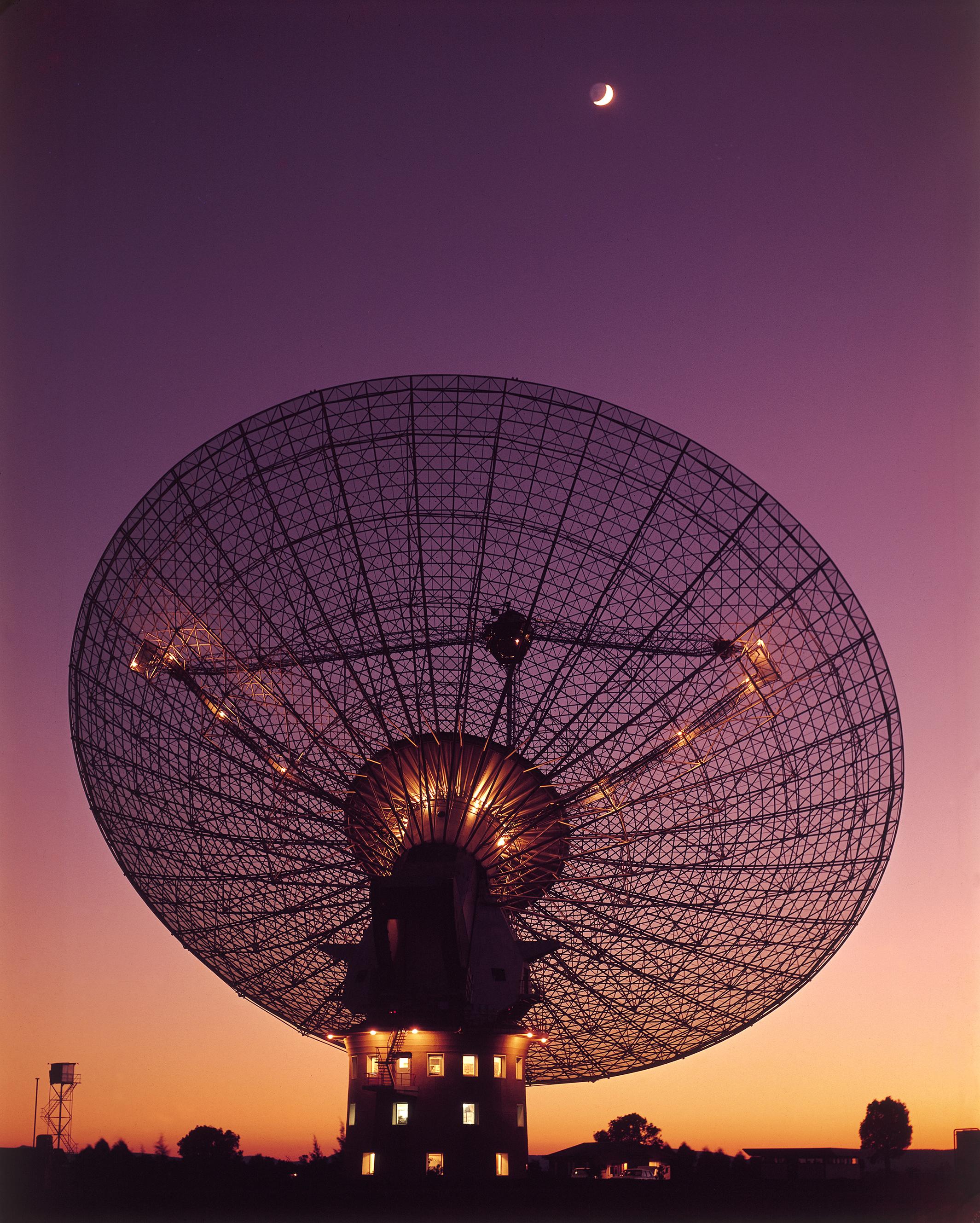
In February 1995, a small team of astronomers pointed the largest radio telescope in the Southern Hemisphere at the nearest stars and began to listen for a signal that would change everything. This was Project Phoenix — a privately funded revival of a search NASA had been ordered to abandon — and its first campaign ran from the iconic Parkes Observatory in New South Wales, Australia. It remains one of the most sensitive targeted searches for extraterrestrial intelligence ever attempted.
Key facts
- Project
- Project Phoenix (SETI Institute)
- Started
- February 1995
- Telescope
- Parkes 64 m radio telescope, NSW, Australia
- Targets
- ~800 nearby, Sun-like stars
- Frequency band
- ~1,200–3,000 MHz
- Confirmed signal
- None detected
A search reborn from the ashes
Project Phoenix took its name from the mythical bird that rises from its own ashes, and the metaphor was earned. In 1992 NASA had launched an ambitious High Resolution Microwave Survey to hunt for radio signals from other civilizations. Barely a year later, in October 1993, the U.S. Congress cancelled the program's funding, and the government's role in the search for extraterrestrial intelligence came to an abrupt end.
Rather than let the effort die, the non-profit SETI Institute in California raised private money to continue the most promising part of the work — the targeted search of individual Sun-like stars. Backed by donors including several of Silicon Valley's founding figures, and led by astronomer Jill Tarter, the reborn program was christened Project Phoenix.
Why Parkes, and why the Southern Hemisphere
To listen for a faint whisper from light-years away, you need a very large, very sensitive dish — and you need to be able to see the right stars. Many of the closest Sun-like stars sit in the southern sky, invisible from the northern observatories where earlier searches had been based. That made Australia the natural place to begin.
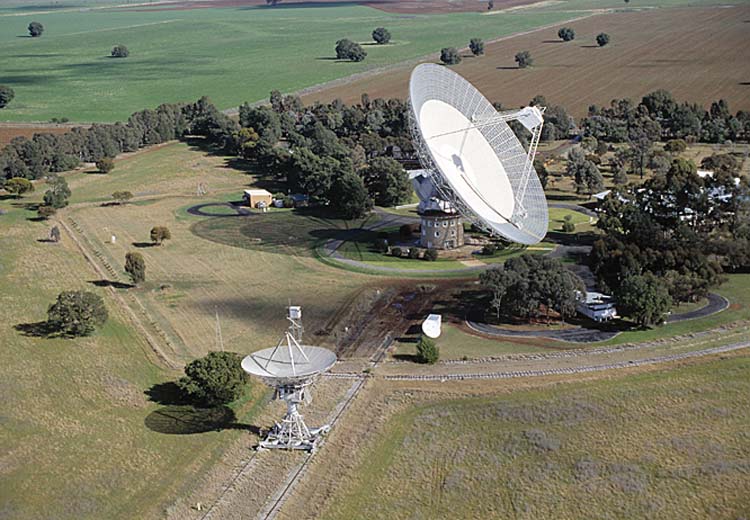
The CSIRO Parkes radio telescope, a 64-metre dish that opened in 1961 and famously relayed television from the Apollo 11 Moon landing, was the largest telescope in the Southern Hemisphere and a critical hub for studying distant solar systems. From February 1995, Project Phoenix used Parkes as its primary ear on the cosmos, with the smaller Mopra antenna nearby acting as a second dish to help tell a genuine cosmic signal apart from local interference.
How Project Phoenix actually listened
Project Phoenix was a targeted search, not a survey of the whole sky. Astronomers drew up a list of roughly 800 nearby stars that resembled our Sun — stars old enough and stable enough to give life a chance — most of them within about 200 light-years of Earth.
For each star, the telescope scanned a wide band of radio frequencies, splitting it into billions of narrow channels and searching for the tell-tale sign of technology: a signal squeezed into a single, unnaturally narrow frequency that nature does not produce. When the system flagged a promising candidate, an automated protocol immediately re-checked it and compared it against the second telescope. If a signal was really coming from the star and not from a passing satellite or a microwave oven on Earth, it would move across the sky with the star. Almost everything the search flagged turned out to be human-made interference.
What it found — and why silence still matters
Across its Parkes campaign in 1995, and later observations from telescopes in the United States and at Arecibo in Puerto Rico, Project Phoenix examined its full list of target stars through 2004. It never detected a confirmed signal from another civilization.
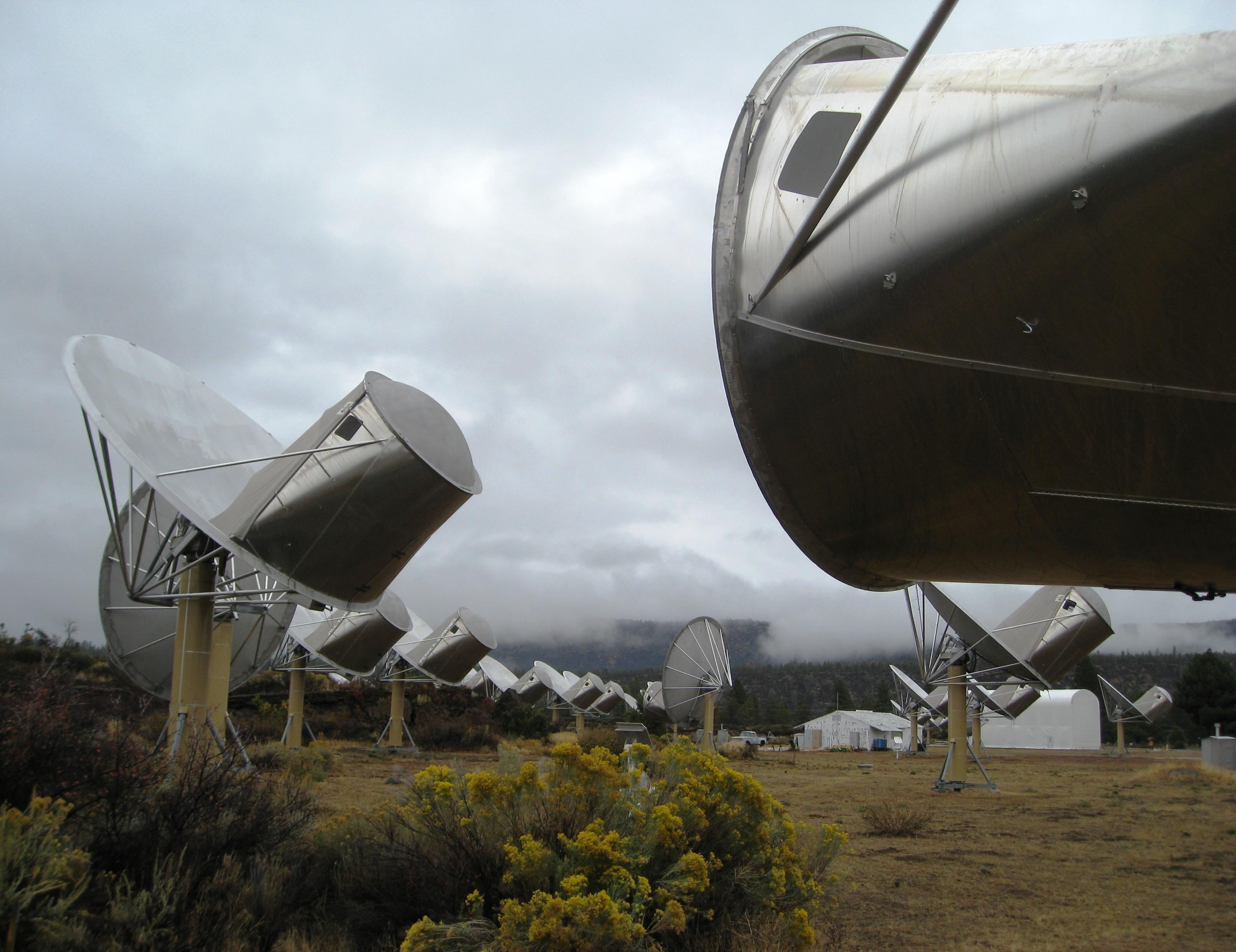
That is not the failure it might sound like. A search of a few hundred stars, in one slice of the radio spectrum, over a few years, is a single cup dipped into a cosmic ocean. Project Phoenix proved that a rigorous, sensitive, privately funded search was possible, and it sharpened the tools and the discipline that modern efforts rely on. Its direct descendants — the Allen Telescope Array, purpose-built for SETI, and the Breakthrough Listen initiative, which has itself observed from Parkes — carry the work forward across far more stars and far wider frequencies.
Frequently asked questions
What was Project Phoenix?
Project Phoenix was a privately funded search for extraterrestrial intelligence run by the SETI Institute from 1995 to 2004. It listened for radio signals from around 800 nearby Sun-like stars and was the successor to NASA's cancelled High Resolution Microwave Survey.
When did Project Phoenix start at Parkes Observatory?
Project Phoenix began its first observing campaign at the Parkes radio telescope in New South Wales, Australia, in February 1995.
Why did Project Phoenix use the Parkes telescope?
Parkes was the largest radio telescope in the Southern Hemisphere and could see many of the nearest Sun-like stars, which lie in the southern sky and are hidden from northern observatories.
Did Project Phoenix find alien life?
No. Project Phoenix did not detect any confirmed signal from an extraterrestrial civilization, but it demonstrated that a sensitive, disciplined targeted search was possible and shaped the SETI projects that followed.